















Best Indoor Plants for Air Purification in Singapore | Tumbleweed Plants Singapore
Posted on April 10 2026
In this article

Indoor air quality in Singapore matters more than most people realise. We spend the majority of our time indoors — in air-conditioned offices, sealed HDB flats, and climate-controlled shopping centres. This indoor air contains volatile organic compounds (VOCs) emitted by furniture, paints, cleaning products, electronics, and building materials. Formaldehyde from MDF furniture. Benzene from plastics. Trichloroethylene from dry-cleaned clothing. Xylene from printed materials.
These are not theoretical concerns. New homes and renovated flats in Singapore experience elevated VOC levels for months after completion — that "new flat smell" is chemicals off-gassing into your breathing air.
Plants can help. NASA's landmark Clean Air Study in 1989 identified specific houseplants that absorb airborne toxins through their leaves and roots, breaking them down into harmless compounds. While a few plants will not replace a HEPA filter, they contribute to improved air quality while adding beauty and psychological benefits to your living space.
The Science (Briefly)
Plants remove air pollutants through two mechanisms:
Leaf absorption. Stomata (tiny pores on leaf surfaces) absorb gaseous pollutants along with CO2 during photosynthesis. The pollutants are then broken down by enzymes or transported to the root zone.
Root zone microbes. Soil microorganisms in the root zone break down pollutants that are absorbed by the plant and transported to the roots. This is why potted plants are more effective than cut flowers — the root-soil ecosystem does significant work.
The caveat: NASA's study was conducted in sealed chambers — not real homes with ventilation, air movement, and varying conditions. Real-world air purification by plants is more modest than the dramatic claims often made. You would need an impractical number of plants to replace mechanical air filtration. But every plant contributes incrementally, and the combined psychological and air quality benefits make them worthwhile.
The Best Air-Purifying Plants for Singapore

1. Snake Plant (Sansevieria trifasciata)
Removes: Formaldehyde, benzene, xylene, toluene, trichloroethylene
Why it ranks highest: The Snake Plant uses CAM (Crassulacean Acid Metabolism) photosynthesis — it absorbs CO2 and releases oxygen at night. This makes it especially effective as a bedroom plant, cleaning air while you sleep. Combined with its ability to filter multiple toxins, it is the top recommendation.
Care: Water every 2-3 weeks. Any light. The lowest-maintenance air purifier.
2. Peace Lily (Spathiphyllum)
Removes: Formaldehyde, benzene, trichloroethylene, ammonia, xylene
Why it ranks high: One of the few plants effective against ammonia (common in cleaning products). Also one of the few air-purifying plants that flowers indoors, adding beauty alongside function.
Care: Water when top soil is dry. Low to medium light. Droops when thirsty.
3. Spider Plant (Chlorophytum comosum)
Removes: Formaldehyde, xylene, carbon monoxide
Why it is valuable: Extremely effective at removing formaldehyde — the most common indoor pollutant in Singapore homes (emitted by MDF furniture, plywood, and many building materials). Also non-toxic to pets, making it safe for any home.
Care: Water every 5-7 days. Medium to bright indirect light.
4. Pothos (Epipremnum aureum)
Removes: Formaldehyde, benzene, xylene
Why it is practical: Pothos grows in any condition — low light, bright light, regular watering, sporadic watering. It is the easiest air purifier to keep alive, making it the best choice for beginners or people who want air quality benefits without a demanding care routine.
Care: Water every 1-2 weeks. Any light. Nearly unkillable.
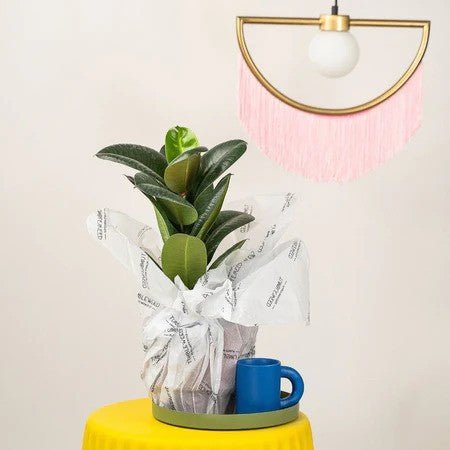
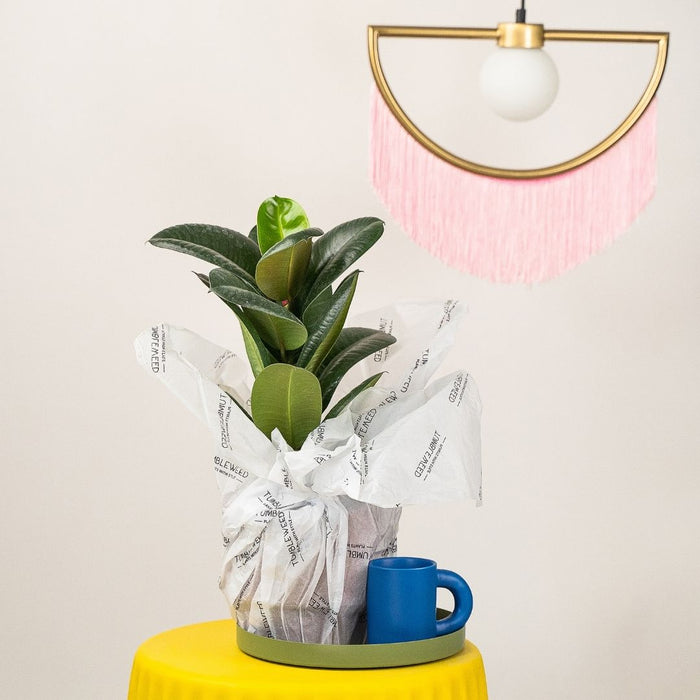
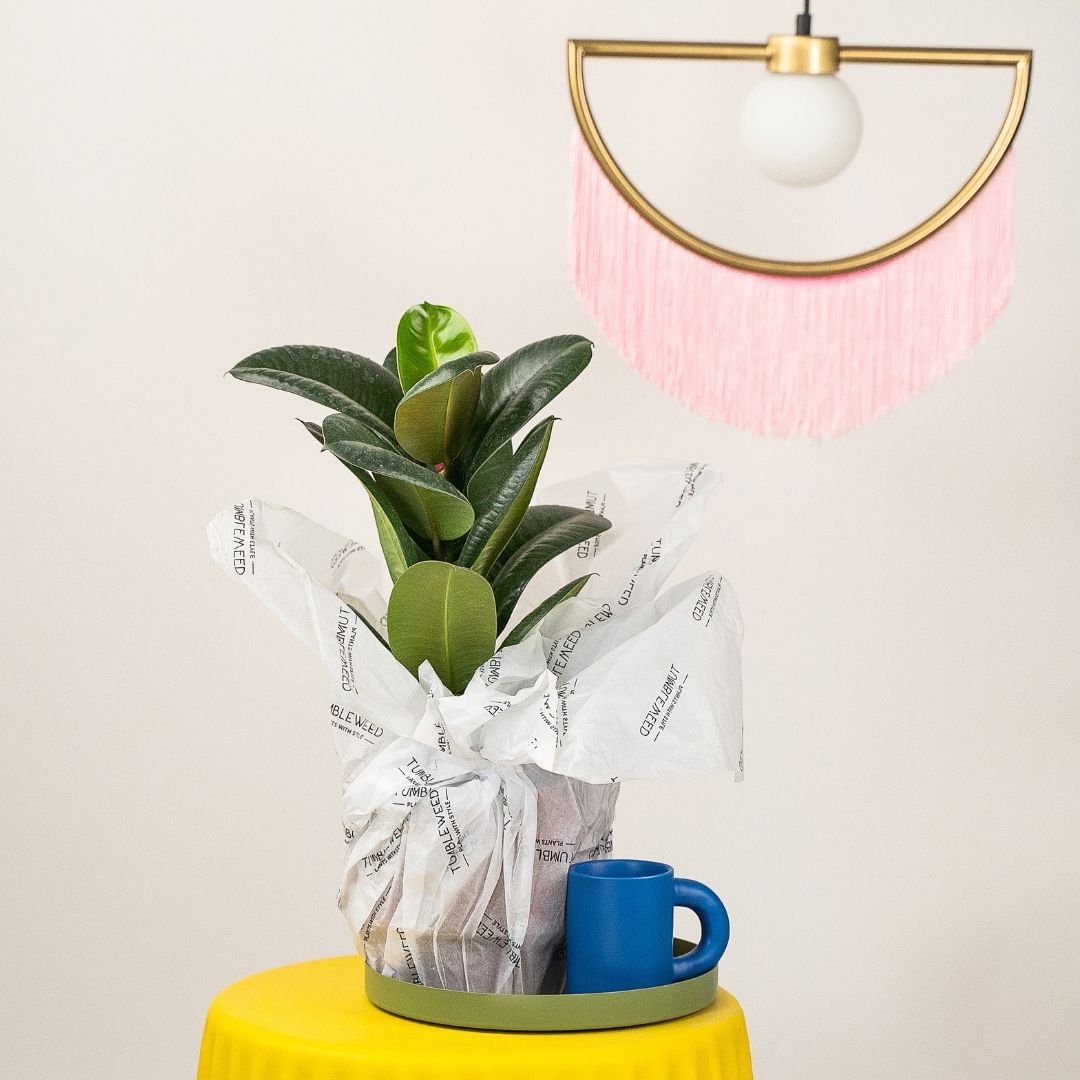
5. Rubber Plant (Ficus elastica)
Removes: Formaldehyde, carbon monoxide
Why it is effective: Large, thick leaves provide substantial surface area for toxin absorption. A single Rubber Plant does more work per plant than multiple smaller species.
Care: Water every 1-2 weeks. Medium to bright indirect light.
6. Boston Fern (Nephrolepis exaltata)
Removes: Formaldehyde, xylene
Why it is notable: One of the most effective formaldehyde removers in NASA's study. Also acts as a natural humidifier — it releases significant moisture through transpiration, increasing ambient humidity in dry, AC rooms.
Care: Keep soil moist. Medium indirect light. Needs higher humidity — best in bathrooms or naturally ventilated rooms.
7. Dracaena (Multiple Species)
Removes: Formaldehyde, benzene, trichloroethylene, xylene
Why it is versatile: Multiple Dracaena species tested well in NASA's study — D. marginata, D. fragrans, and D. deremensis. All are common, affordable, and easy to grow in Singapore.
Care: Water every 7-10 days. Low to medium light.
8. Philodendron
Removes: Formaldehyde
Why it is useful: Specifically effective against formaldehyde. Fast-growing, which means more leaf surface area developing over time. Heartleaf Philodendron is the most widely available variety.
Care: Water every 1-2 weeks. Low to medium light.
9. Areca Palm (Dypsis lutescens)
Removes: Formaldehyde, xylene, toluene
Why it is special: The highest transpiration rate of any houseplant studied — it releases significant moisture, acting as a natural humidifier. Particularly beneficial in air-conditioned Singapore homes where humidity drops.
Care: Water every 5-7 days. Bright indirect light. More demanding than some options on this list.
10. Aloe Vera
Removes: Formaldehyde, benzene
Why it is practical: Air purification plus practical use — the gel soothes minor burns and skin irritation. Also a CAM plant that releases oxygen at night, like the Snake Plant.
Care: Water every 2-3 weeks. Bright light preferred.
How Many Plants Do You Need?
NASA's original recommendation was 1 plant per 9 square metres (100 square feet). For a typical 4-room HDB flat of 90 square metres, that is approximately 10 plants. This is a reasonable number that balances air purification with practical living space.
Realistic approach: Start with 1-2 plants per room. Even this modest number provides measurable air quality improvement alongside the significant psychological benefits of indoor greenery.
Placement for Maximum Effect

Bedroom: Snake Plant and Aloe Vera — both release oxygen at night. Place within 2 metres of where you sleep.
Living room: Peace Lily, Rubber Plant, or Areca Palm — larger plants for the largest room. Place near seating areas where you spend the most time.
Home office: Spider Plant or Pothos — proven against formaldehyde from furniture and electronics.
Kitchen: Spider Plant or Pothos — resilient in varying conditions and effective against cooking-related pollutants.
Bathroom: Boston Fern — thrives in humidity and purifies the air in a typically small, enclosed space.
Singapore-Specific Air Quality Considerations
New home off-gassing. Newly built or renovated HDB flats and condos have elevated VOC levels from fresh paint, new furniture, and building materials. Air-purifying plants are especially valuable during the first 6-12 months in a new home.
Haze season. During regional haze events (typically August-October), indoor air quality deteriorates even with windows closed. While plants cannot replace an air purifier during severe haze, they contribute to overall air quality alongside mechanical filtration.
AC recirculation. Air-conditioned rooms recirculate the same air, concentrating pollutants over time. Plants in AC rooms provide ongoing filtration of this recirculated air.
Shop Air-Purifying Plants

Browse our indoor plant collection for proven air-purifying plants delivered across Singapore. Start with a Snake Plant for the bedroom and a Peace Lily for the living room — your lungs and your home will notice the difference.
Air-purifying plants are not a replacement for ventilation, and they are not a miracle solution for poor air quality. But they are a genuine, scientifically supported supplement that improves indoor air while adding beauty, reducing stress, and making your home feel more alive. In a city where we spend most of our time in sealed, air-conditioned spaces, every bit of cleaner air matters.
Quick summary
Key Takeaways
- The Science (Briefly)
- The Best Air-Purifying Plants for Singapore
- How Many Plants Do You Need?
- Placement for Maximum Effect
- Singapore-Specific Air Quality Considerations
- Shop Air-Purifying Plants
Ready to bring some green into your home?
Browse 250+ hand-picked plants, curated for Singapore homes — delivered to your door.
Browse All Plants →





Comments
0 Comments
Leave a Comment