



























Plant Swaps in Singapore: How to Trade and Share Plants | Tumbleweed Plants Singapore
Posted on April 10 2026
In this article

Somewhere between "I have too many Pothos cuttings" and "I really want a Philodendron Brasil" lies the plant swap — one of the most satisfying activities in Singapore's plant community. A plant swap is exactly what it sounds like: people bring plants they have propagated, outgrown, or duplicated, and trade them for plants they want. No money changes hands. Just plants for plants.
Plant swaps are thriving in Singapore. They happen at community centres, cafés, void decks, and through online groups. They are equal parts gardening, socialising, and treasure-hunting — and they are one of the best ways to grow your collection without growing your plant budget.
How Plant Swaps Work
The Basic Format
- Participants bring plants they want to trade — cuttings, divisions, pups, or small potted plants
- Everyone displays their offerings on a table or designated area
- Traders browse, discuss, and negotiate swaps
- Each person leaves with different plants than they arrived with
Swap Styles
Open swap: Everyone puts plants out, and trading happens organically through conversation. No formal rules — just good faith and negotiation.
Ticket swap: Each plant you bring earns you a "ticket" to choose from the available pool. One plant in, one plant out.
Raffle swap: All plants go into a pool and participants draw numbers for pick order. Egalitarian but random.
Themed swap: Only specific categories — "aroids only," "trailing plants," "beginner plants." Focuses the selection and attracts targeted participants.
Where to Find Plant Swaps in Singapore

Online Communities
- Facebook groups: "Singapore Plant Swap & Chat," "SG Houseplant Community," and neighbourhood-specific plant groups regularly organise swaps
- Telegram groups: Several active plant Telegram groups coordinate ad hoc swaps
- Instagram: Follow #SGPlantSwap and local plant accounts for announcements
- Reddit: r/singaporeplants occasionally posts swap meetups
In-Person Venues
- Community centres (CCs): Some CCs host regular plant swap events, especially on weekends
- Cafés with garden sections: Plant-friendly cafés occasionally host swap events
- Nurseries: Some local nurseries host community swap days
- HDB void decks and gardens: Neighbourhood-level swaps organised by residents
Online Trading
If in-person swaps are not available, online plant trading is very active:
- Carousell: The default platform for plant trading in Singapore. Search "plant swap" or "plant trade"
- Facebook Marketplace: Post plants for trade
- Direct trades through social media connections
What to Bring
Good Swap Material
- Healthy cuttings with at least 2-3 nodes and roots starting
- Established pups from parent plants (Spider Plant babies, Pilea pups, succulent offsets)
- Divisions from overgrown plants
- Small potted plants that have outgrown your space or collection
- Rare propagations — if you have a rare plant, a single cutting can command impressive trades
Preparation
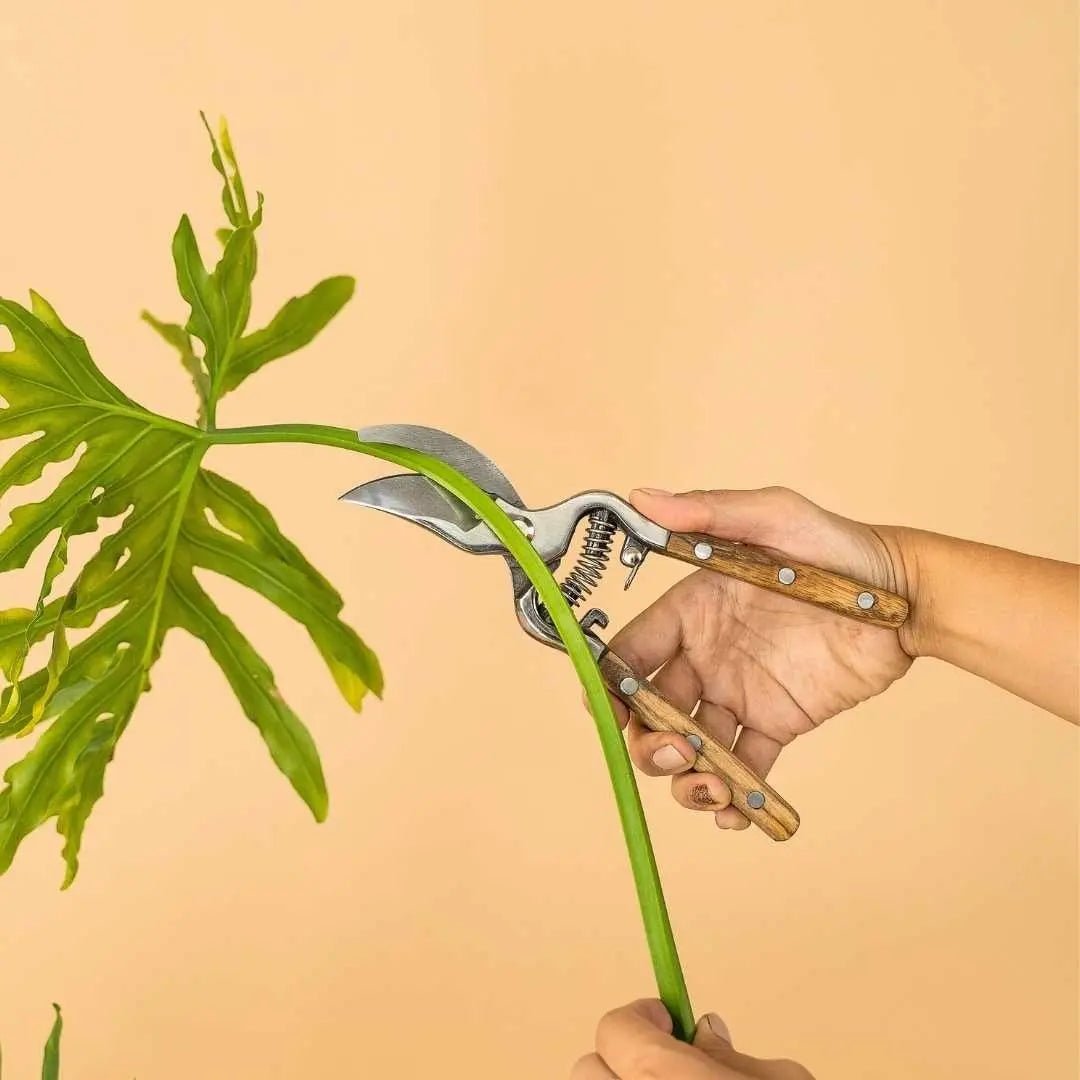
- Take cuttings 1-2 weeks before the swap so they have time to callus and start rooting
- Root cuttings in water or moss — rooted cuttings are more valuable than unrooted ones
- Use clean pots, damp paper towels, or zip-lock bags for transport
- Label everything clearly: species name, variety, care notes
What NOT to Bring
- Unhealthy plants with active pest infestations
- Dying plants you are trying to offload
- Unlabelled plants with no identification
- Invasive or prohibited species
- Artificial or dried plants
Swap Etiquette

Be Honest
If a plant has had pest issues in the past (even if treated), mention it. If you are not sure of the exact variety, say so. Trust is the foundation of swap communities.
Match Value Roughly
A rare Philodendron cutting is not equivalent to a common Pothos cutting. While exact value matching is not expected, grossly imbalanced trades feel exploitative. Be fair.
Inspect Before Trading
Check plants for pests (mealybugs, scale, spider mites) before accepting. Look at leaf undersides, stem joints, and soil surface. No one intentionally brings pests, but they hitchhike.
Be Generous
If you have plenty of a particular plant, share freely. The plant community thrives on generosity. What goes around comes around — the person you gave a free Pothos cutting to today may bring a rare Hoya next time.
Quarantine New Arrivals
After the swap, quarantine new plants for 2 weeks before placing them with your existing collection. This protects against pests that may not have been visible during the swap.
Growing Your Collection Through Swaps
The Propagation Pipeline
Smart swap participants maintain a propagation pipeline:
- Identify desirable mother plants in your collection — plants that propagate easily and are in demand
- Propagate regularly — take cuttings every few months, root them, and keep a stock of swap-ready plants
- Build a reputation — consistent, quality swap material makes you a valued community member
- Target trades — identify plants you want and mention them in swap groups. Someone likely has what you are looking for.
Best Plants to Propagate for Swapping
- Pothos (all varieties) — Easy to propagate, always in demand for beginners
- Philodendron — Heart-leaf, Brasil, Birkin
- Spider Plant — Produces babies continuously
- Monstera deliciosa — Node cuttings are popular
- Hoya — Cuttings from established plants are highly valued
- Peperomia — Leaf and stem cuttings root easily
- Succulents — Offsets and leaf propagations
Beyond Trading: Building Community

Plant swaps are about more than plants. They are one of Singapore's most wholesome community activities:
- Knowledge sharing: Experienced growers help beginners. Care tips are exchanged alongside plants.
- Social connection: Plant people are generally friendly, generous, and eager to talk about their hobby.
- Sustainability: Sharing plants reduces waste and the need for commercial purchase of common varieties.
- Discovery: You find plants you did not know existed, learn about varieties you have never seen, and discover new aspects of the hobby.
Hosting Your Own Swap
If you cannot find a swap near you, organise one:
- Pick a venue — your home, a nearby café (ask permission), a CC common area, or a void deck
- Set a date and time — weekend mornings work best
- Post on social media — plant groups, neighbourhood groups, and Instagram
- Set basic rules — healthy plants only, label your offerings, be respectful
- Start small — 5-10 people is ideal for a first swap. Manageable and personal.
Shop Plants
Browse our indoor plant collection for plants delivered across Singapore — including great mother plants for your swap propagation pipeline.
The first plant swap is a revelation. You walk in with three Pothos cuttings and a Spider Plant baby, expecting nothing much. You walk out with a Philodendron Brasil, a Calathea cutting, and a new Hoya you have never seen before. You also walk out with three new phone contacts, a recommendation for a nursery you did not know about, and the satisfying feeling of giving plants to people who genuinely wanted them. That is the magic of plant swaps — you go for the plants and stay for the community. Or maybe it is the other way around. In Singapore's growing plant community, the difference hardly matters.
Quick summary
Key Takeaways
- How Plant Swaps Work
- Where to Find Plant Swaps in Singapore
- What to Bring
- Swap Etiquette
- Growing Your Collection Through Swaps
- Beyond Trading: Building Community
Ready to bring some green into your home?
Browse 250+ hand-picked plants, curated for Singapore homes — delivered to your door.
Browse All Plants →










Comments
0 Comments
Leave a Comment