














How to Choose the Right Soil for Houseplants in Singapore | Tumbleweed Plants Singapore
Posted on April 10 2026
In this article
Soil is the most underestimated factor in houseplant care. People obsess over watering schedules and light placement — both important — but plant roots spend their entire life in the soil. If the soil is wrong, nothing else matters. Perfect watering and perfect light cannot compensate for soil that suffocates roots or soil that dries to a brick.

In Singapore, soil choice is especially critical because our high humidity and year-round warmth affect how soil behaves in pots. A potting mix that works perfectly in London or Melbourne — where lower temperatures and humidity dry soil faster — may be dangerously moisture-retentive here. Understanding what goes into potting soil and how to adjust it for tropical conditions gives you a foundational advantage.
What Soil Does
Soil serves four functions for potted plants:
Anchoring. The physical structure that holds the plant upright and supports the root system.
Water retention. Holds moisture so roots can absorb it over time, not just during the moment of watering.
Drainage. Allows excess water to pass through so roots are not waterlogged. Air pockets in the soil provide the oxygen roots need.
Nutrient supply. Contains and delivers minerals (nitrogen, phosphorus, potassium, micronutrients) that plants need for growth.
The challenge: water retention and drainage are opposing forces. Too much retention and the roots drown. Too much drainage and the soil dries out before roots can absorb water. Good potting soil balances both.
Soil Components

Potting Mix (Base)
Standard commercial potting mix — peat-based or coco coir-based — provides the organic foundation. It retains water, holds nutrients, and gives roots something to grow through.
In Singapore: Commercial potting mix alone is usually too moisture-retentive. It stays wet for too long in our humidity, leading to root rot. Always amend with drainage materials.
Perlite
White, lightweight, volcanic glass granules. Perlite creates air pockets and drainage channels in soil. It does not absorb water — it creates space for water and air to flow through.
Why it matters: Perlite is the single most important amendment for Singapore houseplant owners. Adding 25-30% perlite to any standard potting mix dramatically improves drainage and reduces root rot risk.
Orchid Bark
Chunky bark pieces (usually pine bark) that create large air spaces in the soil. Bark decomposes slowly, maintaining structure for months.
Best for: Aroids (Monstera, Philodendron, Alocasia), orchids, and any plant that likes airy roots.
Coco Coir
Processed coconut husk fibre. Similar to peat moss in water retention but more sustainable and with a more neutral pH.
Best for: Plants that like consistent moisture (Calathea, ferns). Also a good peat substitute in general-purpose mixes.
Pumice
Similar to perlite but heavier and does not float to the surface during watering. Provides excellent drainage and aeration.
Best for: Succulents, cacti, and any mix where you want drainage without the visual annoyance of perlite floating up.
Coarse Sand
Horticultural sand (not fine beach sand) improves drainage and adds weight to stabilise tall plants in pots.
Best for: Succulents, cacti, heavy/tall plants that need pot stability.
Sphagnum Moss
Lightweight, highly absorbent moss. Retains moisture while allowing airflow. Used as a standalone medium or as an amendment.
Best for: Propagation, air layering, and as a moisture-retentive top dressing.
Charcoal (Horticultural)
Activated or horticultural charcoal absorbs impurities and improves drainage. Also reduces odour in closed-system planters.
Best for: Terrariums, self-watering pots, and as a minor amendment (5-10% of the mix).
Vermiculite
Lightweight mineral that expands when heated. Retains water and nutrients more effectively than perlite.
Best for: Seed starting, moisture-loving plants. Use sparingly in Singapore — its high water retention can be excessive in our humidity.
Soil Recipes for Singapore
General Purpose (Most Houseplants)
- 50% potting mix
- 30% perlite
- 20% orchid bark
Use for: Pothos, Philodendron, Aglaonema, Peace Lily, Rubber Plant, Dracaena, Spider Plant.
Aroid Mix (Monstera, Philodendron, Alocasia)
- 40% potting mix
- 30% orchid bark
- 20% perlite
- 10% charcoal
Why it works: Aroids grow on trees in nature — their roots want air, not dense soil. The large bark and perlite pieces create the airy structure they prefer.
Succulent and Cactus Mix
- 40% potting mix
- 30% coarse sand or pumice
- 30% perlite
Why it works: Succulents and cacti rot easily in moist soil. This mix dries quickly and mimics their native arid conditions.
Calathea and Fern Mix (Moisture-Loving Plants)
- 50% potting mix
- 25% coco coir
- 25% perlite
Why it works: Retains more moisture than the general-purpose mix (thanks to the coco coir) while still providing adequate drainage.
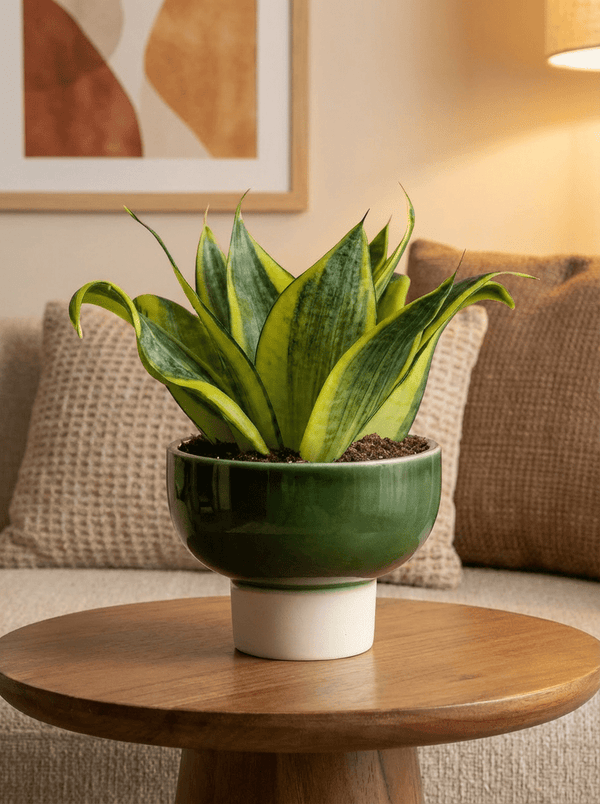
Snake Plant and ZZ Plant Mix
- 40% potting mix
- 30% perlite
- 20% coarse sand
- 10% orchid bark
Why it works: These drought-tolerant plants store water internally. The fast-draining mix prevents the waterlogged conditions that cause their thick roots and rhizomes to rot.
Common Soil Mistakes in Singapore

Using Garden Soil Indoors
Outdoor garden soil is too dense for pots. It compacts, restricts drainage, and may contain pests, fungi, and weed seeds. Always use formulated potting mix as your base.
Not Amending Commercial Potting Mix
Straight-from-the-bag potting mix is designed for general use — often in temperate climates with lower humidity. In Singapore, it retains too much moisture for most indoor plants. Always add perlite or bark.
Reusing Old Soil Without Refreshing
Soil degrades over time — organic matter decomposes, drainage decreases, nutrients deplete, and harmful salts accumulate. When repotting, use fresh soil. If budget is a concern, refresh old soil by mixing it 50/50 with new components.
Over-Compacting Soil When Potting
Pressing soil too firmly into pots eliminates the air spaces that roots need. Firm gently — enough to support the plant, loose enough that water drains freely.
Ignoring Soil Surface Signs
- White crust: Mineral/salt buildup from tap water or fertiliser. Scrape off and flush soil with water.
- Green algae: Soil is staying too moist and getting too much light. Improve drainage, reduce watering.
- Mould: Not usually harmful to the plant but indicates excessive moisture. Improve airflow and let soil dry more between waterings.
Where to Buy Soil Components in Singapore
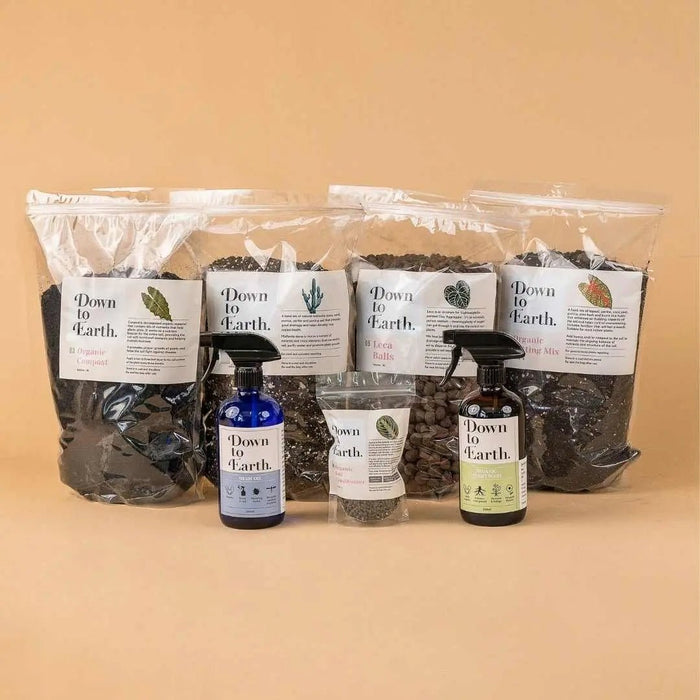
Potting mix, perlite, orchid bark, and other components are available at:
- Local nurseries (Thomson Road, Sungei Buloh)
- Hardware stores (some carry basic potting mix)
- Online retailers (Shopee, Lazada — search for individual components)
- Specialty plant shops
Tip: Buying components separately and mixing your own soil is more economical and more effective than buying pre-mixed bags, especially for Singapore conditions.
Shop Plants

Browse our indoor plant collection for healthy plants in well-draining soil, delivered across Singapore. Every plant ships in a mix designed for Singapore's tropical conditions.
The right soil is invisible — when it works, you never think about it. Water drains properly, roots stay healthy, and the plant grows. The wrong soil announces itself through yellowing leaves, mushy stems, and the sour smell of waterlogged roots. In Singapore, the adjustment is simple: more drainage than you think you need. Add perlite. Add bark. Let the water flow through. Your roots will thank you for every air pocket, every drainage channel, every bit of space you give them to breathe.
Quick summary
Key Takeaways
- What Soil Does
- Soil Components
- Soil Recipes for Singapore
- Common Soil Mistakes in Singapore
- Where to Buy Soil Components in Singapore
- Shop Plants
Ready to bring some green into your home?
Browse 250+ hand-picked plants, curated for Singapore homes — delivered to your door.
Browse All Plants →