























How to Make Your Own Potting Soil Mix | Tumbleweed Plants Singapore
Posted on April 10 2026
In this article
The soil your plant sits in determines everything — how much water the roots receive, how much air they breathe, what nutrients are available, and how quickly drainage occurs. Yet most plant owners use whatever generic potting mix comes with the plant or the cheapest bag from the nursery. This is like cooking every dish with the same seasoning regardless of the recipe.

Different plants have different soil needs. An aroid like Monstera needs chunky, well-aerated soil. A succulent needs fast-draining, gritty mix. A fern needs moisture-retentive but airy soil. Making your own mixes is simpler than it sounds, costs less than buying specialty pre-mixes, and gives you precise control over what your roots are growing in.
Understanding Soil Components
Base Components
Potting mix (peat-based or coco coir-based) — The foundation. Retains moisture and provides some nutrients. Peat-based mixes are traditional; coco coir is more sustainable and common in Singapore.
Coco coir — Coconut fibre. Retains moisture well, is pH-neutral, and is widely available in Singapore. A good peat alternative.
Drainage Components
Perlite — Lightweight, white, volcanic glass expanded by heat. Creates air pockets in the soil, improves drainage, and prevents compaction. The single most important soil amendment for Singapore.
Pumice — Similar to perlite but heavier and more porous. Does not float to the surface when watering. More expensive but lasts longer.
Coarse sand — Improves drainage without affecting water retention. Good for succulent and cacti mixes. Use horticultural sand, not fine beach sand.
Aeration Components
Orchid bark — Chunky bark pieces (usually pine) that create large air pockets. Decomposes slowly. Essential for aroid and epiphytic plant mixes.
Coco chips — Larger pieces of coconut husk. Similar function to orchid bark. More available and affordable in Singapore.
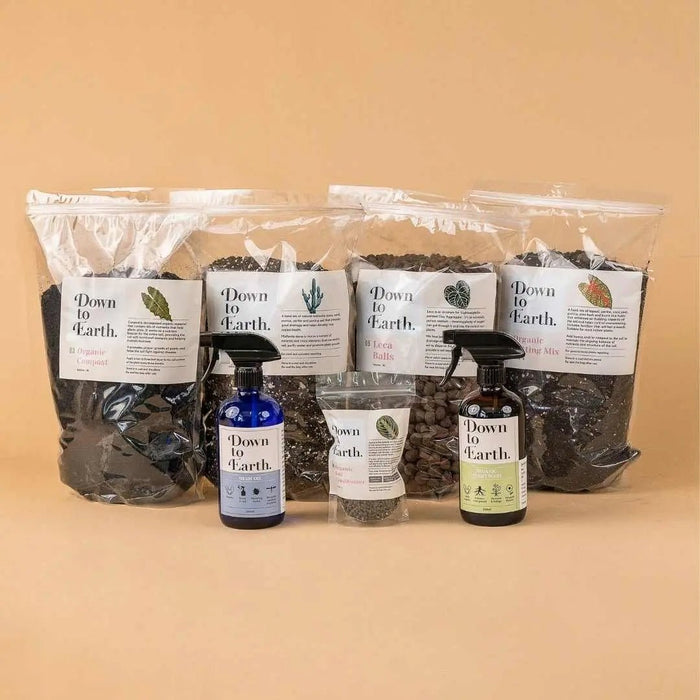
LECA (Lightweight Expanded Clay Aggregate) — Round clay balls used as a drainage layer or mixed into soil for structure. Popular in semi-hydro setups.
Nutrient Components
Worm castings — Organic matter produced by composting worms. Rich in nutrients and beneficial microbes. A natural, slow-release fertiliser.
Compost — Decomposed organic matter. Adds nutrients and improves soil structure. Use sparingly — too much retains excessive moisture.
Charcoal (horticultural) — Absorbs impurities, reduces soil odour, and has mild antifungal properties. Adds drainage without nutrients.
The Core Principle

Every soil mix balances three factors:
- Moisture retention — how much water the soil holds
- Drainage — how quickly excess water exits
- Aeration — how much air reaches the roots
In Singapore's humid climate, where soil dries slowly, most mixes need more drainage and aeration than standard temperate recipes suggest. When in doubt, add more perlite.
Recipes by Plant Type
General Tropical Foliage
For Aglaonema, Peace Lily, Dracaena, Spider Plant, and most common houseplants.
- 50% potting mix
- 25% perlite
- 25% orchid bark or coco chips
Character: Well-draining but retains moderate moisture. Dries in 5-8 days in Singapore.
Aroid Mix
For Monstera, Philodendron, Alocasia, Syngonium, Anthurium.
- 30% potting mix
- 30% perlite
- 25% orchid bark
- 10% charcoal
- 5% worm castings
Character: Very chunky, airy, fast-draining. Mimics the loose organic debris these plants naturally root into. Dries in 4-6 days.
Succulent and Cacti Mix
For succulents, cacti, String of Pearls, Jade Plant.
- 30% potting mix
- 35% perlite or pumice
- 25% coarse sand
- 10% orchid bark
Character: Very fast-draining, minimal moisture retention. Dries in 2-4 days. Critical in Singapore's humidity where standard succulent mixes stay wet too long.
Fern Mix
For Boston Fern, Bird's Nest Fern, Maidenhair Fern.
- 50% potting mix (coco coir preferred)
- 20% perlite
- 15% worm castings
- 15% orchid bark (fine grade)
Character: Moisture-retentive but still aerated. Holds more water than other mixes but does not compact or waterlog. Dries in 5-7 days.
Hoya Mix
For Hoya carnosa, pubicalyx, australis, and most Hoya species.
- 20% potting mix
- 30% perlite
- 30% orchid bark (chunky)
- 10% charcoal
- 10% sphagnum moss
Character: Very chunky and airy — almost like an orchid mix. Hoyas are epiphytic and their roots need significant air. Dries in 3-5 days.
Calathea Mix
For Calathea, Maranta, Stromanthe, Ctenanthe.
- 40% potting mix (coco coir preferred)
- 25% perlite
- 20% orchid bark (fine grade)
- 15% worm castings
Character: Moisture-retentive but well-aerated. These plants want consistently moist (not wet) soil with good root aeration.
Where to Buy Ingredients in Singapore
Potting mix: Any nursery, hardware store, or online. Brands vary — choose one that is light and fluffy, not dense and muddy.
Perlite: Nurseries, Shopee, Lazada. Buy in bulk (5-10 litre bags) for better value.
Orchid bark: Orchid nurseries, general nurseries, online. Available in fine, medium, and coarse grades.
Coco coir and coco chips: Widely available — nurseries, hardware stores, online. Compressed coco coir bricks are affordable and expand with water.
Worm castings: Specialty nurseries, online (Shopee, Lazada). Some local vermicomposters sell fresh castings.
Charcoal: Nurseries, Shopee. Horticultural-grade charcoal, not BBQ charcoal (which may contain additives).
Pumice: Less common in Singapore. Available online or from specialty garden shops.
Mixing Tips
Equipment
- A large tub or bucket for mixing
- A trowel or scoop
- Optional: a face mask (perlite dust is irritating to breathe)
Process
- Measure components by volume (using the same scoop or container)
- Combine dry ingredients first
- Add water gradually — mix until the soil is evenly moist but not dripping
- Mix thoroughly so all components are evenly distributed
- Store excess mix in a sealed bag or container
Pre-Moisten
Always moisten your mix before potting. Dry peat and coco coir can be hydrophobic (repel water). Pre-moistening ensures the soil absorbs water evenly from the first watering.
When to Replace Soil
Potting soil degrades over time:
- Organic components decompose, reducing drainage and aeration
- Soil compacts with repeated watering
- Nutrient content depletes
- Mineral salts from fertiliser and tap water accumulate
Repot with fresh mix every 12-18 months for actively growing plants. Signs that soil needs replacing: water runs through without absorbing, soil pulls away from pot edges, or a white crust of mineral deposits forms on the surface.
Shop Plants
Browse our indoor plant collection for healthy plants delivered across Singapore. Every plant ships in an appropriate mix — and now you know how to make the perfect soil for its next repotting.
Making your own soil mix takes 10 minutes, costs less than buying specialty pre-mixes, and gives you control over exactly what your plants' roots grow in. Once you start mixing your own, you will notice the difference — faster drainage, healthier roots, and plants that grow noticeably better in soil designed specifically for their needs.
Quick summary
Key Takeaways
- Understanding Soil Components
- The Core Principle
- Recipes by Plant Type
- Where to Buy Ingredients in Singapore
- Mixing Tips
- When to Replace Soil
Ready to bring some green into your home?
Browse 250+ hand-picked plants, curated for Singapore homes — delivered to your door.
Browse All Plants →