














Plant Parent Mistakes Every Beginner Makes in Singapore
Posted on April 09 2026
In this article
- Mistake 1: Overwatering
- Mistake 2: Choosing the Wrong Plant for Your Light
- Mistake 3: Using the Wrong Soil
- Mistake 4: No Drainage Holes
- Mistake 5: Ignoring Air Conditioning Effects
- Mistake 6: Repotting Too Soon (or Into Too Large a Pot)
- Mistake 7: Placing Plants in Zero-Light Spots
- Mistake 8: Neglecting Pest Prevention
- Mistake 9: Fertilising Wrong
- Mistake 10: Giving Up Too Quickly
- Bonus: Singapore-Specific Mistakes
- Final Thoughts
Every experienced plant parent has a graveyard of early mistakes behind them. Overwatered succulents, sun-scorched Calatheas, root-rotted Monsteras — these are rites of passage in the plant world.

Table of Contents
- Mistake 1: Overwatering
- Mistake 2: Choosing the Wrong Plant for Your Light
- Mistake 3: Using the Wrong Soil
- Mistake 4: No Drainage Holes
- Mistake 5: Ignoring Air Conditioning Effects
- Mistake 6: Repotting Too Soon (or Into Too Large a Pot)
- Mistake 7: Placing Plants in Zero-Light Spots
- Mistake 8: Neglecting Pest Prevention
- Mistake 9: Fertilising Wrong
- Mistake 10: Giving Up Too Quickly
- Bonus: Singapore-Specific Mistakes
- Final Thoughts
The good news is that most beginner mistakes are entirely preventable once you know what to watch for. Here are the ten most common errors Singapore plant parents make and exactly how to avoid them.
Mistake 1: Overwatering
The undisputed number one plant killer, especially in Singapore.
Why beginners do it: We associate care with action. Watering feels like doing something for the plant. More water must mean more care, right?
Why it is deadly in Singapore: Our high humidity means soil stays moist longer than plant care guides from drier climates suggest. A watering schedule that works in London or Sydney drowns plants in Singapore.
The fix: Never water on a schedule. Check soil moisture every time by pushing your finger 2-3cm into the soil. Dry? Water. Moist? Wait. This single habit prevents the majority of plant deaths.
Mistake 2: Choosing the Wrong Plant for Your Light

Why beginners do it: They fall in love with a plant at the nursery without considering whether their home can provide what it needs.
Common scenarios:
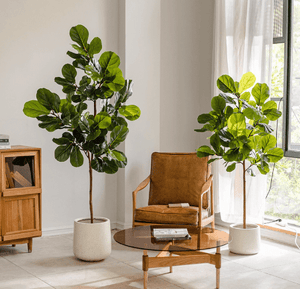
- Buying a Fiddle Leaf Fig for a north-facing room with minimal light
- Placing succulents in an interior room far from windows
- Putting shade-loving ferns on a west-facing balcony in full sun
The fix: Before buying any plant, assess your space honestly:
- Which direction do your windows face?
- How many hours of direct sunlight does the spot receive?
- Is the area air-conditioned?
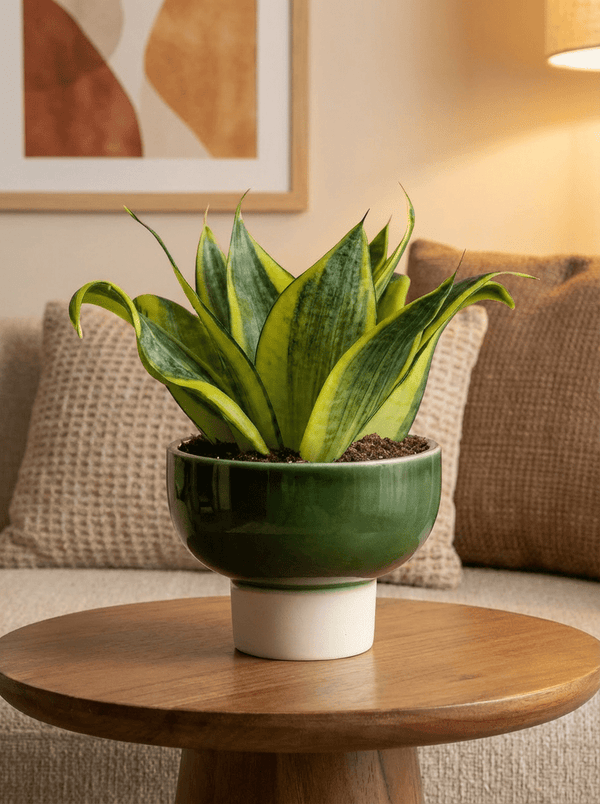
Then choose plants that match those conditions. A Snake Plant for a dim corridor. A succulent for a sunny windowsill. A Calathea for a humid bathroom.
Mistake 3: Using the Wrong Soil
Why beginners do it: They use whatever generic potting soil comes in the bag from the nursery, or worse, garden soil from outside.
Why it matters in Singapore: Our climate amplifies soil issues. Dense, moisture-retentive soil that works in a dry climate becomes a waterlogged death trap here. Garden soil compacts in pots and may carry pests.
The fix: Learn three basic soil recipes:
- General tropicals: Potting soil + 30% perlite + 15% orchid bark
- Succulents: 70% inorganic (perlite, pumice, sand) + 30% potting soil
- Aroids (Monstera, Philodendron): Potting soil + 30% perlite + 25% orchid bark + 10% charcoal
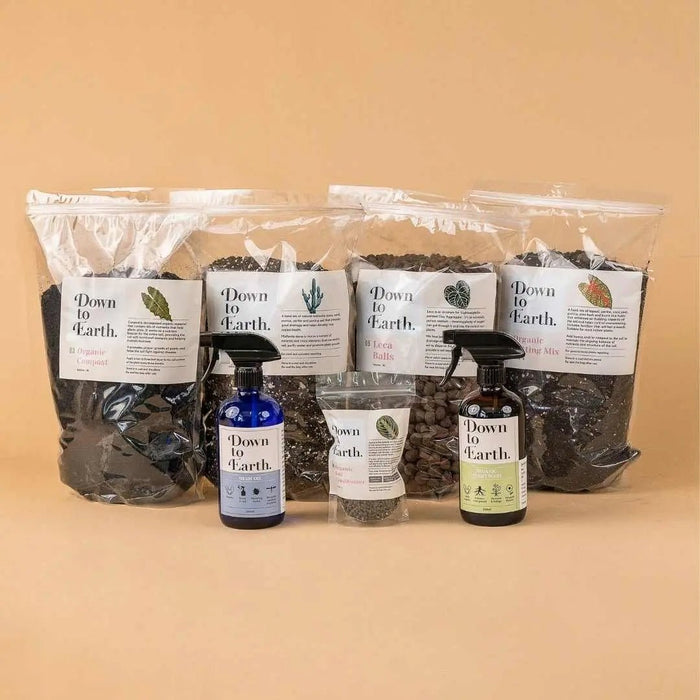
Having perlite and orchid bark on hand lets you adjust any basic mix for better drainage.

Mistake 4: No Drainage Holes
Why beginners do it: They buy a beautiful decorative pot without drainage holes and plant directly into it.
Why it is deadly: Without drainage, excess water sits at the bottom of the pot. Roots sit in stagnant water. Root rot follows within weeks — faster in Singapore's warmth.
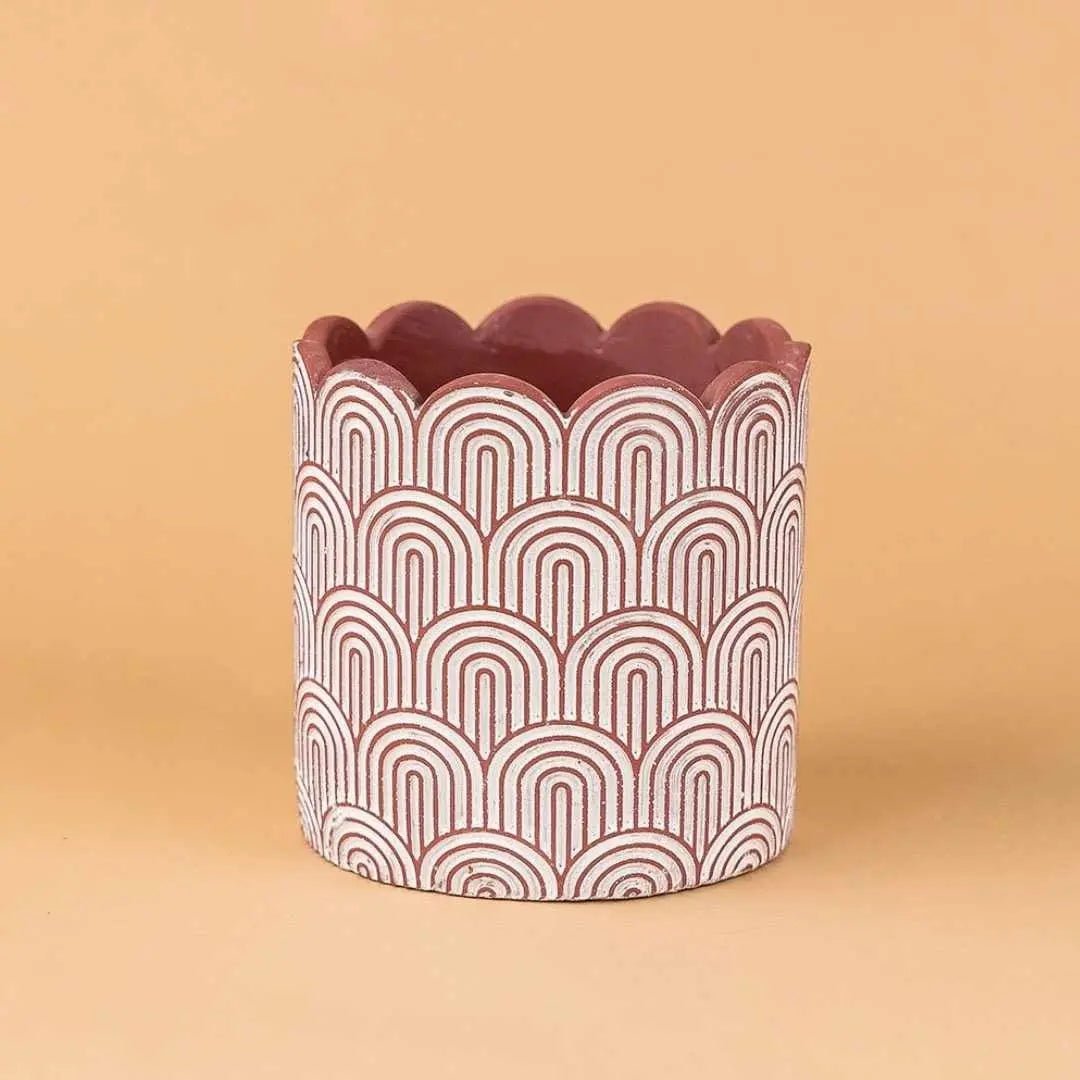
The fix: Every pot must have drainage holes. Use decorative pots without holes as cache pots — place the plant in a plastic nursery pot with holes inside the decorative one. Remove for watering, drain, then return.
Mistake 5: Ignoring Air Conditioning Effects
Why beginners do it: They do not realise that air conditioning fundamentally changes the indoor environment for plants.
What happens: Air conditioning drops humidity to 40-50% (from Singapore's natural 70-90%) and creates cold drafts. Plants placed near vents experience:
- Faster soil drying
- Lower humidity (crispy leaf edges)
- Cold stress (yellowing, leaf drop)
The fix:
- Keep plants away from direct air-con airflow
- Group plants together to create humidity microclimates
- Check soil moisture more frequently in air-conditioned rooms
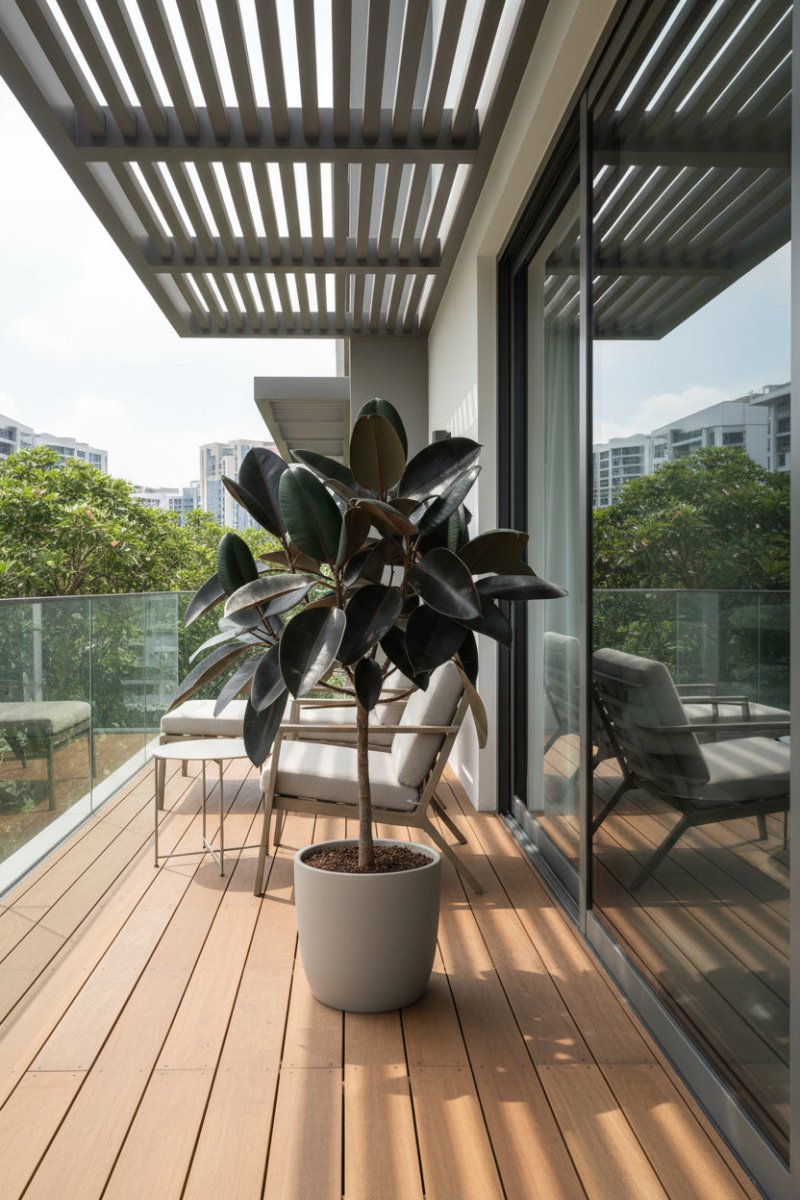
- Choose air-con tolerant plants: Snake Plant, ZZ Plant, Pothos, Rubber Plant
Mistake 6: Repotting Too Soon (or Into Too Large a Pot)

Why beginners do it: They buy a plant and immediately repot it into a much larger, prettier pot. They assume bigger is better.
What happens: A plant in an oversized pot has excess soil that stays wet without roots to absorb the moisture. This leads to root rot — the same problem as overwatering, just triggered by pot size.
The fix:
- Let new plants acclimatise for 2-4 weeks before repotting
- Only go up one pot size (2-3cm wider) when you do repot
- A slightly snug pot is better than a too-large one
Mistake 7: Placing Plants in Zero-Light Spots
Why beginners do it: They want plants in dark corners, windowless bathrooms, or interior shelves — places where they spend time but where light is minimal.
The reality: All plants need some light for photosynthesis. Even the most shade-tolerant species (Snake Plant, ZZ Plant) are surviving in low light, not thriving. In truly dark spots, even these tough plants decline slowly.

The fix:
- Accept that some spots cannot support plants without supplemental light
- Use a small LED grow light (affordable, energy-efficient) for dark areas
- Rotate plants between dark display spots and brighter recovery spots
- Choose artificial plants for genuinely light-free locations (no shame in it)
Mistake 8: Neglecting Pest Prevention
Why beginners do it: They do not know what to look for. Pests start small and are easy to miss until the infestation is severe.
Common Singapore pests:
- Mealybugs: White cotton-like clusters in leaf joints
- Spider mites: Fine webbing on leaf undersides, stippled yellowing
- Scale: Brown bumps on stems and leaves
- Fungus gnats: Tiny flies hovering around moist soil
The fix:
- Inspect plants weekly — check leaf undersides, stem joints, and soil surface
- Quarantine new plants for 2 weeks before placing near your existing collection
- Wipe leaves monthly with a damp cloth (removes dust and early pest stages)
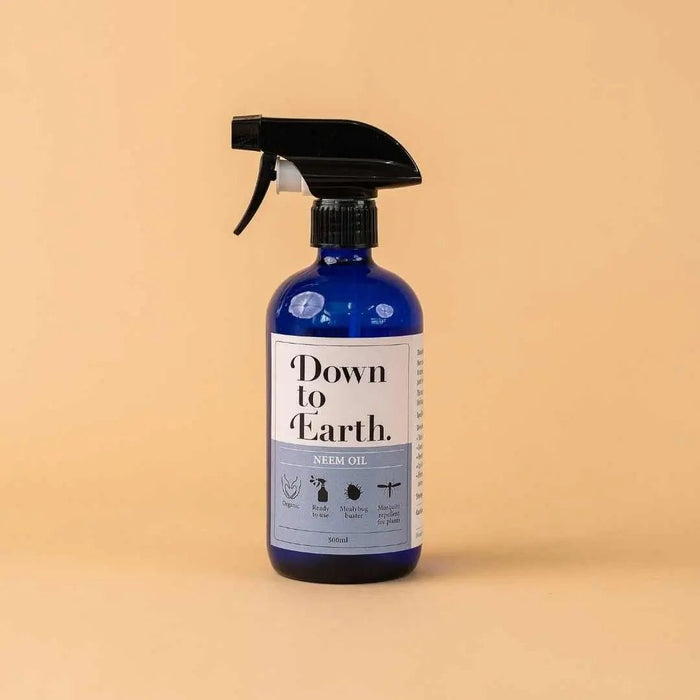
- Keep neem oil spray on hand for immediate treatment
- Act at the first sign of pests — small infestations are easy to treat, large ones require sustained effort
Mistake 9: Fertilising Wrong
Why beginners do it: Either they never fertilise (plant slowly starves in depleted potting mix) or they over-fertilise (burns roots and causes brown leaf tips).
The balance: Plants need food, but indoor plants in pots need much less than you might think.
The fix:
- Start fertilising 6-8 weeks after potting in fresh soil
- Use liquid fertiliser at half the recommended strength
- Feed every 2-4 weeks during active growth
- If you see brown leaf tips or white crust on soil, you are over-fertilising — flush soil with plain water and reduce
- When in doubt, under-fertilise. Plants recover from mild hunger far better than from chemical burn.
Mistake 10: Giving Up Too Quickly
Why beginners do it: They lose one or two plants and conclude they have a "black thumb" — that plants are simply not for them.
The reality: Every experienced plant parent killed plants when starting out. Plant care is a skill that improves with practice. Each failure teaches you something about watering, light, or soil that makes the next plant more likely to thrive.
The fix:
- Start with genuinely forgiving plants: Pothos, Snake Plant, Spider Plant, ZZ Plant
- Learn from each loss — diagnose what went wrong before replacing
- Join Singapore plant communities (Facebook groups, Instagram) where others share their mistakes and solutions
- Accept that occasional plant loss is normal — even professional growers lose plants
- Celebrate your successes. A plant that thrives under your care is a genuine achievement.
Bonus: Singapore-Specific Mistakes
Leaving Plants on Uncovered Balconies During Monsoon
Heavy tropical rain waterlogging pots for days kills more outdoor plants than any other factor. Move sensitive plants under cover during prolonged rain or ensure excellent pot drainage.
Buying Imported Plants Without Acclimatisation
Plants from cooler nurseries in Cameron Highlands or imported from temperate countries need time to adjust to Singapore's heat and humidity. Give them 2-4 weeks in a sheltered spot before expecting normal growth.
Using Decorative Moss as a Soil Topper Without Checking Moisture
Decorative moss looks lovely but hides the soil surface, making it impossible to judge moisture by sight. Always check by finger test beneath the moss layer.
Final Thoughts
Mistakes are the fastest teachers. If you have killed a plant, you are not a bad plant parent — you are a learning one. The key is to understand why each plant failed and adjust your approach accordingly.
Start simple. Master the basics of watering, light, and drainage. Build from there. Before you know it, the plants that once intimidated you will be thriving under your care.
Begin your plant journey at Tumbleweed Plants — we stock beginner-friendly plants that forgive while you learn.
Plant Parent Mistakes Every Beginner Makes in Singapore
Quick Summary · Tumbleweed Plants Singapore
Ready to bring some green into your space?
Free same-day delivery across Singapore · 30-day plant guarantee
Browse All Plants →Quick summary
Key Takeaways
- Mistake 1: Overwatering
- Mistake 2: Choosing the Wrong Plant for Your Light
- Mistake 3: Using the Wrong Soil
- Mistake 4: No Drainage Holes
- Mistake 5: Ignoring Air Conditioning Effects
- Mistake 6: Repotting Too Soon (or Into Too Large a Pot)
Ready to bring some green into your home?
Browse 250+ hand-picked plants, curated for Singapore homes — delivered to your door.
Browse All Plants →