

















African Daisy Care in Singapore: How to Keep Colourful Blooms Happy in Hot Weather
Posted on July 10 2026
African Daisy is a cheerful flowering plant for Singapore balconies, patios and bright window areas. Its daisy-like blooms bring instant colour, but it behaves a little differently from tropical foliage plants: it wants plenty of light, airy conditions and careful watering rather than constantly damp soil.
This guide covers how to care for African Daisy in Singapore’s heat and humidity, including where to place it, how to water it, what to do after heavy rain, and how to encourage more flowers.
Quick care summary
- Best light: bright outdoor light with several hours of direct morning sun, or very bright indirect light.
- Water: water deeply when the top layer of soil starts to dry; do not leave the pot sitting in water.
- Best spot: balcony, patio, sunny service yard, corridor window ledge, or a very bright indoor sill.
- Care level: beginner-friendly if you can give it enough light and drainage.
- Main challenge in Singapore: humidity plus heavy rain can keep soil wet for too long, so airflow and drainage matter.
What is an African Daisy?
African Daisy, often sold under the common name for Osteospermum-type flowering plants, is grown for its bold, open blooms and tidy mounding shape. Unlike many leafy indoor plants, it is happiest when it receives strong light. In Singapore, that usually means treating it as a balcony or bright-window plant rather than placing it deep inside a room.
If you are building a colourful plant corner, African Daisy pairs well with other flowering plants, sunny balcony greenery and simple planters that keep the focus on the blooms.
Best light for African Daisy in Singapore
Light is the biggest factor in whether African Daisy looks full and flowers well. Aim for a position with bright light for most of the day, ideally with direct morning sun. Morning sun is usually gentler than Singapore’s harshest afternoon rays, so it gives the plant energy without stressing it as quickly.
Good locations include:
- an east-facing balcony with morning sun;
- a bright corridor or service-yard ledge with strong daylight;
- a sheltered outdoor shelf that gets sun but is protected from long periods of heavy rain;
- a very bright window spot indoors, as close to the glass as practical.
If the plant stretches, produces fewer flowers, or leans strongly towards the light, it likely needs a brighter position. Rotate the pot every few days so all sides receive even light.
How often should you water African Daisy?
In Singapore, African Daisy usually prefers a cycle of thorough watering followed by partial drying. Instead of giving small sips every day, check the soil with your finger. When the top 2–3cm feels dry, water until excess drains from the bottom of the pot.
After watering, empty any saucer or cachepot so the roots are not sitting in stagnant water. This is especially important in humid weather, because wet soil dries more slowly and can lead to yellowing leaves, weak stems or root problems.
During very hot, windy days on a balcony, the plant may dry faster. During rainy stretches or if it sits in a shaded spot, it may need less frequent watering. Let the soil guide you rather than following a fixed calendar.
Drainage and pot choice
African Daisy is much easier to keep healthy in a pot with drainage holes. If you place it inside a decorative planter, keep the nursery pot inside and remove it for watering, or check that water is not collecting at the base.
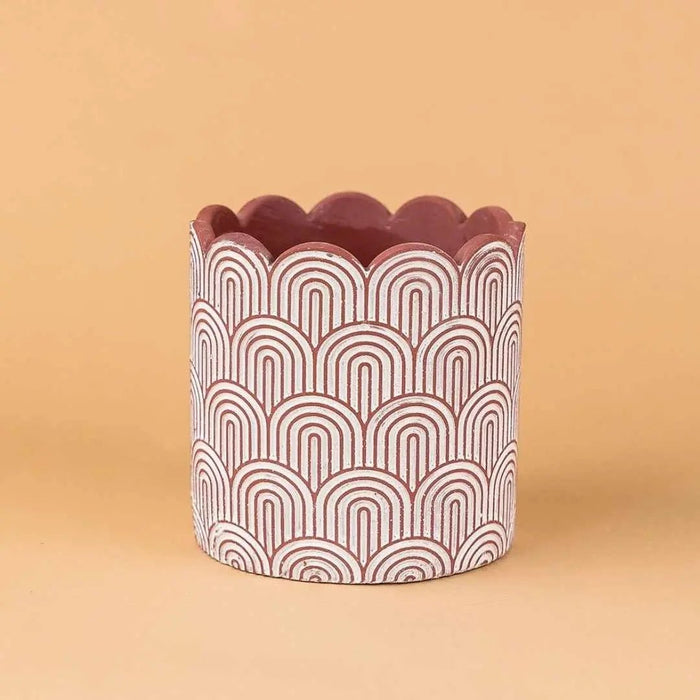
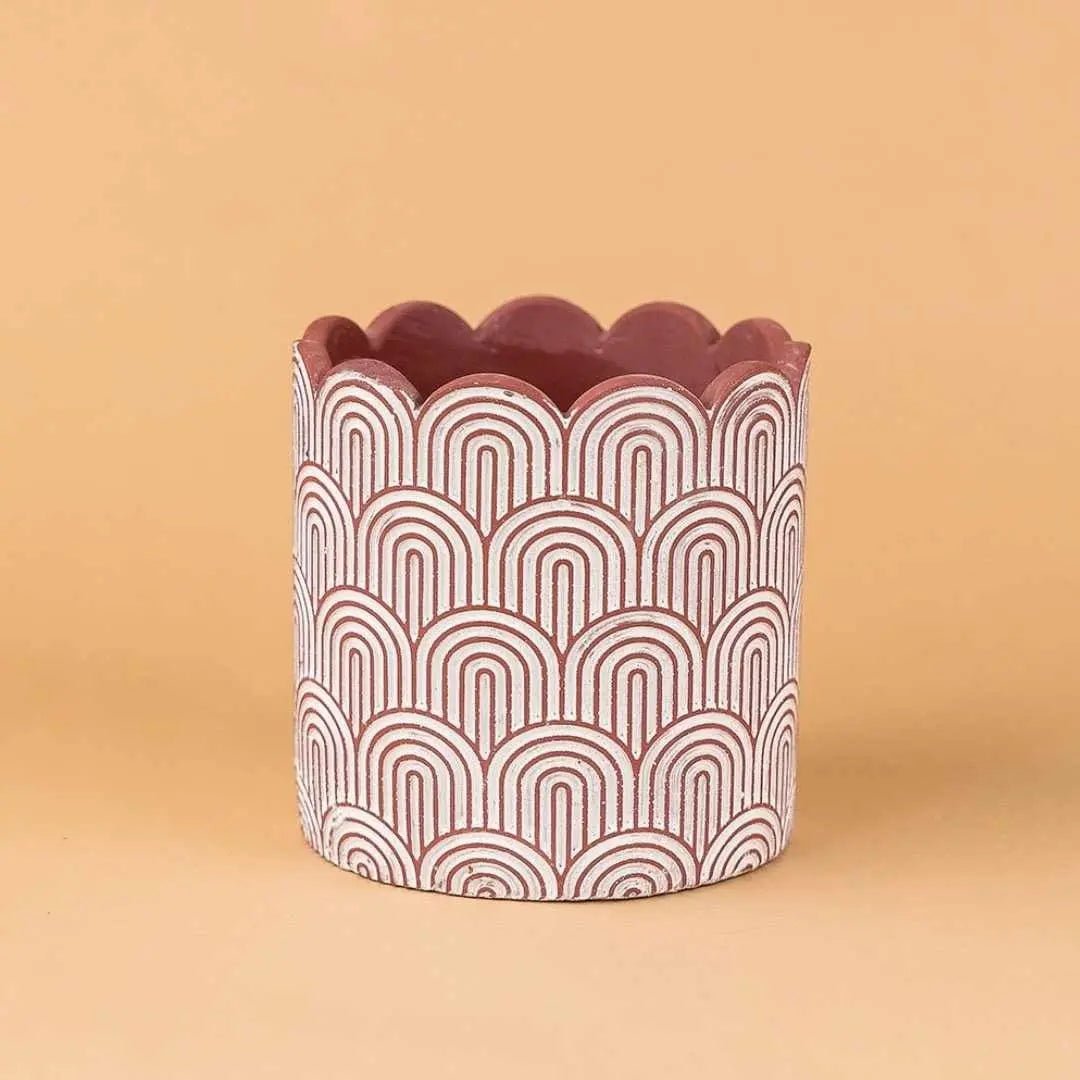
For styling, choose a pot that is stable and proportionate to the plant. A simple ceramic, terracotta or lightweight balcony planter works well. You can browse planters and plant pots if you want a cleaner look, but avoid moving the plant into an oversized pot too quickly. Too much spare soil around the roots can stay wet for longer.
How to handle heat, humidity and rain
Singapore’s warmth is not usually the problem; the combination of humidity, still air and waterlogged soil is. Keep African Daisy where air can move around the leaves, and avoid cramming it into a closed corner with many damp pots.
If the plant is exposed to heavy rain, check the pot afterwards. Tip away standing water, make sure the drainage holes are clear, and let the soil dry slightly before watering again. If flowers look tired after a storm, remove the damaged blooms so the plant can direct energy into fresh growth.
How to encourage more blooms
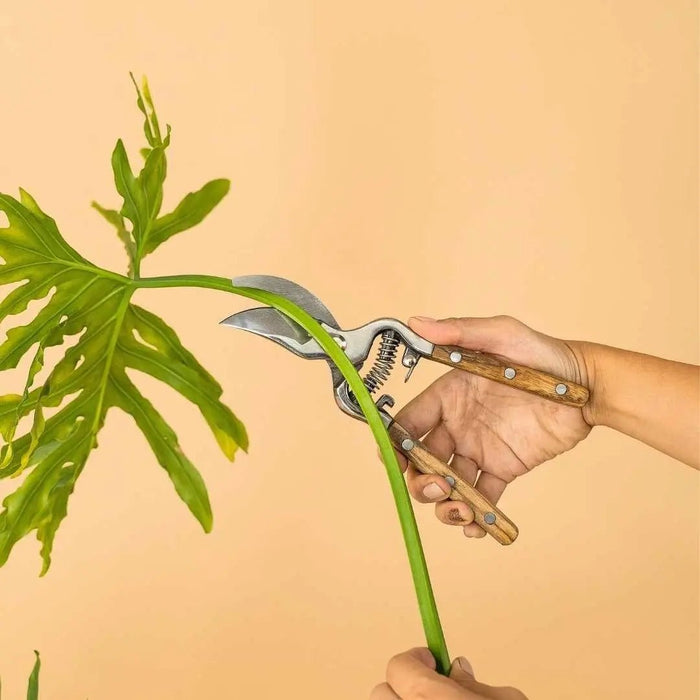
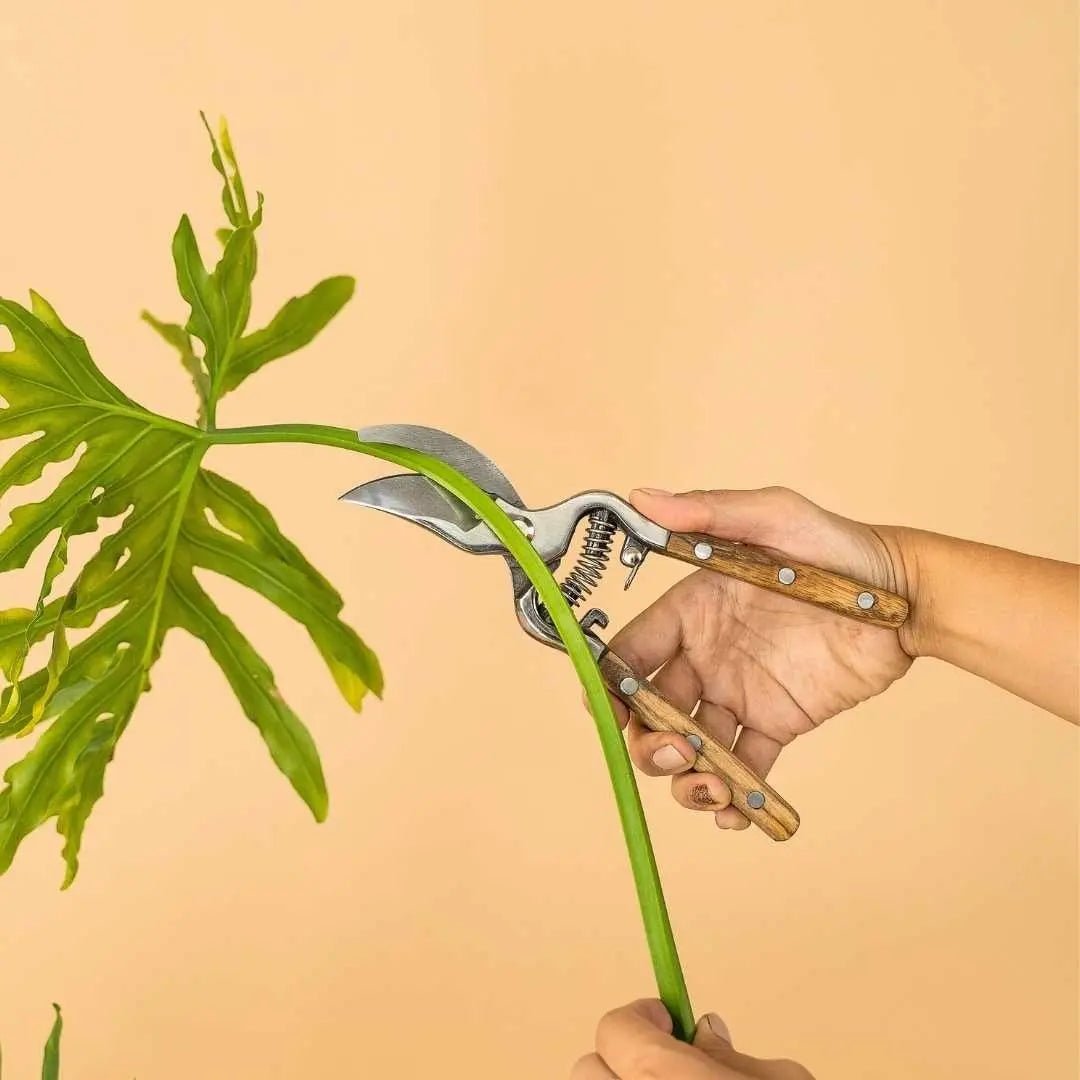
To keep African Daisy looking neat, remove spent flowers by pinching or snipping them off near the stem. This simple habit is called deadheading, and it can encourage the plant to put energy into new buds instead of seed production.
You can also trim leggy stems lightly to keep the plant compact. Avoid cutting back too aggressively all at once, especially during a hot or rainy week. Small, regular tidy-ups are safer than a hard prune.
Common problems and what they mean
Leaves are yellowing
Yellow leaves often point to soil that is staying too wet. Check drainage, reduce watering frequency, and move the plant to a brighter, airier spot if possible.
Flowers are fading quickly
Individual blooms naturally age, but fast fading can also happen when the plant is stressed by extreme afternoon sun, inconsistent watering or heavy rain. Deadhead faded flowers and adjust the plant’s position if the leaves also look limp.
The plant is not flowering much
Low light is the most common reason. Move it closer to a bright window or to a balcony with morning sun. Feeding can help, but only after the light and watering routine are right.
Stems look soft or weak
Soft stems may indicate excess moisture around the roots. Let the soil dry slightly, improve airflow, and avoid letting the pot sit in a tray of water.
Where African Daisy fits at home
African Daisy is best for customers who want visible colour in a bright spot. It is a good choice for balconies, sunny kitchen windows, cheerful entry corners and outdoor plant shelves. If your home is mostly low-light, consider pairing it with hardier foliage plants from the Plants collection for indoor areas, while keeping African Daisy in the brightest available spot.
For more sun-loving options, you can also explore full-sun plants and outdoor and balcony plants.
FAQ: African Daisy care in Singapore
Can African Daisy grow indoors?
It can sit indoors only if the spot is extremely bright, such as right beside a sunny window. In most Singapore homes, it performs better on a balcony, patio or bright service-yard ledge.
Does African Daisy need direct sun?
Yes, it generally flowers best with strong light and some direct sun. Morning sun is ideal. If it receives only dim indoor light, growth may become weak and flowering will be limited.
Should I water African Daisy every day?
Not automatically. Check the soil first. Water when the top layer starts to dry, then let excess water drain away. Daily watering can be too much if the pot stays damp.
What should I do after heavy rain?
Make sure the pot is draining freely, pour away standing water, and wait for the soil surface to dry slightly before the next watering. Remove damaged flowers to keep the plant tidy.
Is African Daisy a good beginner plant?
Yes, if you have a bright enough spot. It is easier for sunny balconies and patios than for dark indoor corners.
Final tip
If you want African Daisy to stay colourful, think “bright, breezy and well-drained”. Give it strong light, avoid soggy soil, remove old blooms, and it can bring a fresh pop of colour to a Singapore home without a complicated routine.