


















Caladium Care Guide for Singapore
Posted on April 09 2026
In this article

Caladiums are the artists of the plant world. Their heart-shaped leaves come in breathtaking combinations of pink, red, white, green, and silver — patterns so vivid they look like someone hand-painted each leaf. In a collection dominated by green foliage, a Caladium is the splash of colour that makes everything else recede into the background.
Native to tropical regions of Central and South America, Caladiums are tuberous plants that naturally grow on the forest floor in warm, humid, partially shaded conditions. Singapore's climate mirrors these conditions closely, making it an excellent environment for Caladiums — with one caveat that we will address in the dormancy section.
Popular Varieties
Caladiums are broadly divided into two leaf types:
Fancy-Leaf Caladiums
Large, heart-shaped leaves on tall stems. More dramatic and suited for floor or table display.
Popular fancy-leaf varieties:
- 'Florida Sweetheart' — Bright pink centre with green edges
- 'White Queen' — White leaves with red veins and green edges
- 'Red Flash' — Green leaves splashed with red and pink
- 'Moonlight' — Almost entirely white with delicate green veins
- 'Carolyn Whorton' — Pink and green with red veining
Strap-Leaf Caladiums
Narrower, more elongated leaves. More compact growth habit, often more sun-tolerant.
Popular strap-leaf varieties:
- 'Florida Elise' — Deep rose-pink with narrow green margins
- 'Red Ruffles' — Ruffled edges, deep red colouration
- 'White Wing' — Clean white with green margins
Thai Caladiums
Thai-bred Caladium varieties have exploded in popularity across Southeast Asia. These hybrids often feature:
- More compact growth
- Thicker leaves that are more resilient
- Extraordinary colour combinations not found in traditional varieties
- Better performance in container culture
Light

Caladiums prefer bright indirect light — which aligns with their understory origins.
Ideal placement:
- Near an east or north-facing window
- Under a covered balcony with filtered light
- In a bright room, set back from direct sun
Important colour note: Light intensity affects leaf colour.
- Too much light: Colours fade, leaves may scorch. White and pink varieties are particularly sun-sensitive.
- Too little light: Colours become muted, growth is leggy, and the plant may revert to more green colouration.
- The sweet spot: Bright enough that you can see vivid colours without the leaves showing any bleaching or crispy edges.
Some strap-leaf varieties tolerate more direct light than fancy-leaf types. If growing outdoors on a balcony, choose strap-leaf varieties and provide morning sun with afternoon shade.
Watering
Caladiums like consistently moist soil — not waterlogged, not dry.
Schedule in Singapore:
- Check soil every two to three days
- Water when the top centimetre feels dry
- Typically every four to six days during active growth
- Reduce frequency during dormancy (if it occurs)
Key principles:
- Consistent moisture is more important than any fixed schedule
- Use room-temperature water
- Ensure thorough drainage — Caladium tubers rot easily in waterlogged soil
- Avoid getting water on the leaves if possible — water droplets can cause leaf spots in humid conditions
Overwatering signs:
- Yellowing leaves
- Soft, mushy stems
- Tuber rot (a foul smell from the soil)
Underwatering signs:
- Drooping leaves
- Dry, crispy leaf edges
- Leaves curling
Humidity

Caladiums love humidity — 60% and above is ideal. Singapore's ambient humidity is perfect for outdoor and non-air-conditioned indoor growing.
In air-conditioned rooms:
- Group with other humidity-loving plants
- Use a pebble tray
- Run a humidifier during heavy AC use
- Avoid placing directly in AC airflow
Soil
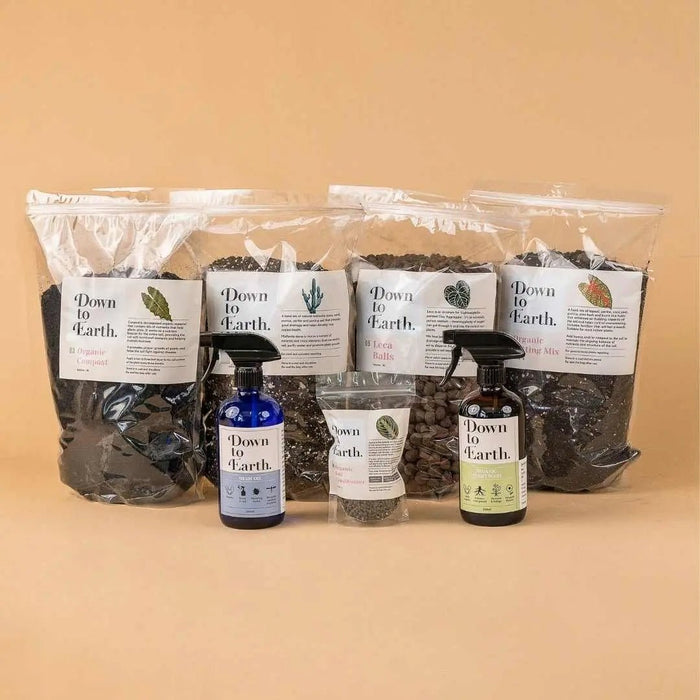
Caladiums need rich, well-draining soil that retains moisture without becoming soggy:
- 40% potting soil
- 25% perlite
- 20% coco coir (retains moisture)
- 15% orchid bark or charcoal
The soil should feel like a moist cake — holds together when squeezed but crumbles easily.
Planting Tubers

If starting from a tuber:
- Choose healthy tubers. They should be firm, not mushy or shrivelled. Larger tubers produce more leaves.
- Plant knobby side up. The bumps (eyes) on top are where shoots emerge.
- Plant 3-5cm deep in moist potting mix.
- Keep warm (25-30°C) — Singapore's ambient temperature is perfect.
- Keep soil moist but not wet.
- Expect shoots in one to three weeks.
Tip: Soak tubers in warm water (30°C) for one hour before planting to kickstart growth.
Fertilising
Caladiums benefit from regular feeding during their growth period:
- Use balanced liquid fertiliser (NPK 10-10-10 or 20-20-20) at half strength
- Apply every two to three weeks during active growth
- A fertiliser slightly higher in nitrogen supports leaf production
- Stop fertilising when the plant shows signs of dormancy
- Never fertilise dry soil — water first, then feed
The Dormancy Question in Singapore
In temperate climates, Caladiums enter dormancy in autumn — all leaves die back and the plant survives as an underground tuber until spring warmth triggers new growth. This is a natural cycle driven by temperature and day length changes.
In Singapore, dormancy is not guaranteed. Many Caladiums grown in consistently warm, well-lit conditions continue growing year-round without ever going fully dormant. However, some plants may:
- Enter a partial dormancy with reduced growth
- Drop some or all leaves during the wetter monsoon months
- Show signs of fatigue after months of continuous growth
If your Caladium goes dormant:
- Allow leaves to yellow and die back naturally — do not cut green leaves
- Once all foliage has died, reduce watering to minimal (just enough to prevent the soil from becoming bone dry)
- Store the pot in a warm spot (room temperature is fine in Singapore)
- Check occasionally for signs of new growth
- When new shoots appear, resume normal watering and feeding
If it does not go dormant: Simply continue normal care. There is no need to force dormancy in Singapore's climate.
Common Problems
Leggy Growth
Not enough light. Move closer to a bright window. Caladiums produce shorter, sturdier stems in adequate light.
Fading Colours
Either too much direct light (bleaching) or too little light (losing vibrancy). Find the bright indirect sweet spot.
Leaf Spots
Brown or black spots on leaves can be caused by:
- Water droplets sitting on leaves in humid conditions (fungal)
- Bacterial infection from contaminated water or soil
- Remove affected leaves and improve air circulation
Tuber Rot
The most serious issue. Caused by overwatering or poor drainage. The tuber becomes soft and smelly. If caught early:
- Remove from soil
- Cut away rotted sections with a clean knife
- Dust cut surfaces with fungicide or cinnamon powder
- Allow to dry for 24 hours
- Replant in fresh, well-draining soil
- Water sparingly until new growth appears
Pests
- Aphids cluster on new growth — spray with insecticidal soap
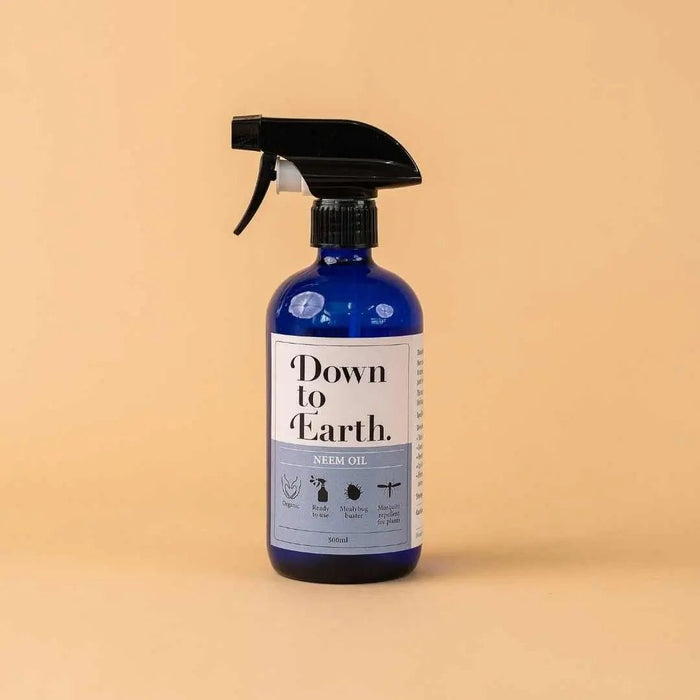
- Spider mites in dry conditions — increase humidity and treat with neem oil
- Thrips cause silvery streaks on leaves — treat with spinosad or neem oil
Styling Caladiums
The vibrant colours make Caladiums natural focal points:
- Table centrepiece. A single Caladium in a clean white pot is more striking than most flower arrangements — and lasts far longer.
- Grouped colour display. Three or four different Caladium varieties in matching pots create a stunning colour palette.
- Balcony colour. Under the shade of a covered balcony, Caladiums add tropical colour that survives Singapore's rain and humidity.
- Mixed with green foliage. Position a vibrant Caladium among green-leaved plants (Monstera, Philodendron, ferns) for maximum contrast.
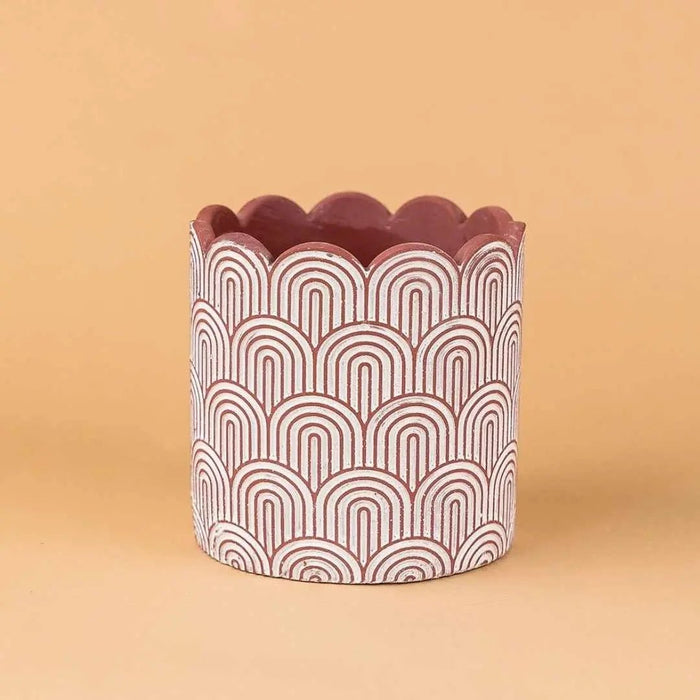
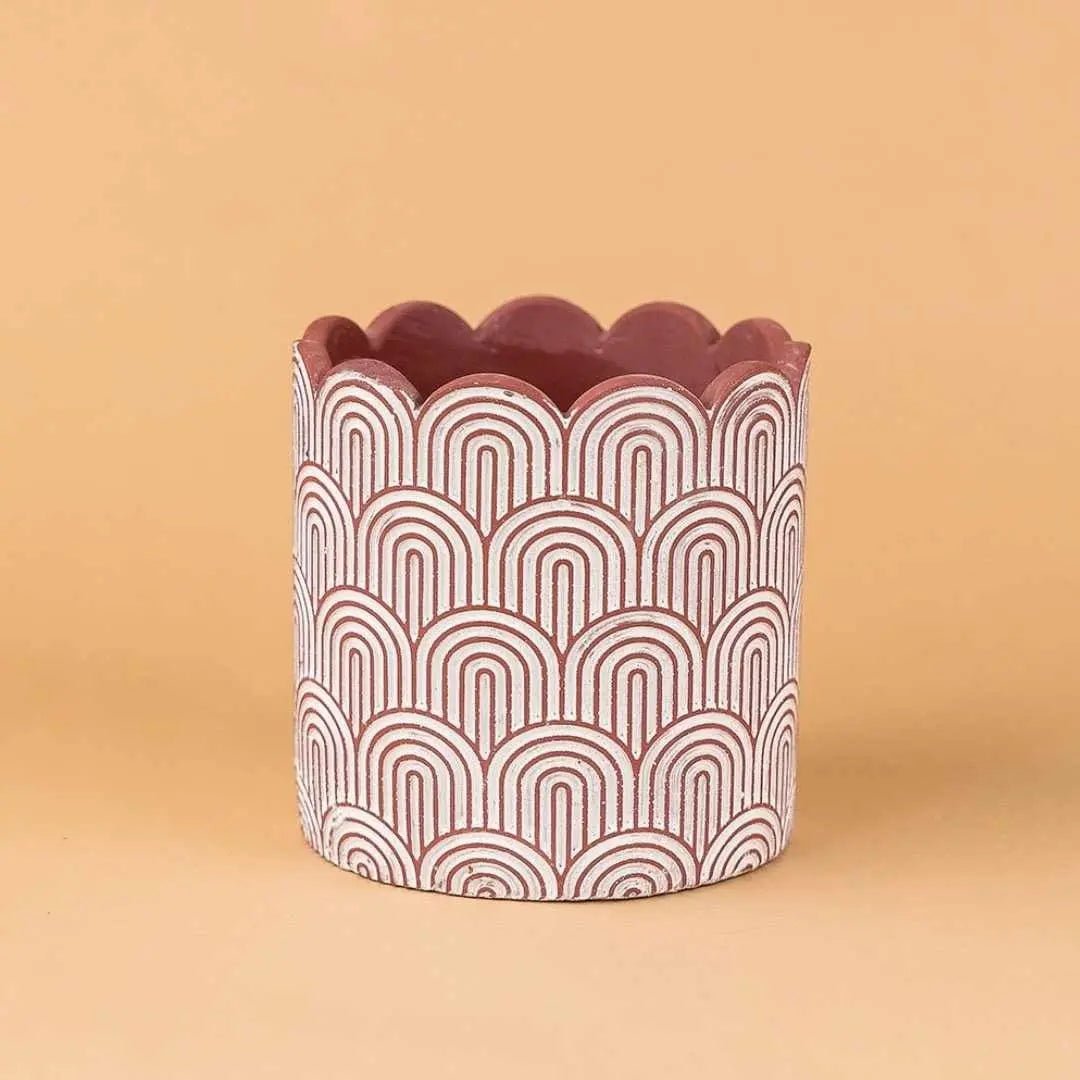
Pot choice: Let the leaves be the star. White, grey, or matte black pots provide a neutral backdrop that does not compete with the foliage colours.
Shop Colourful Plants
Browse our collection of indoor plants including colourful foliage varieties that bring vibrancy to your Singapore home. From subtle pastels to bold pinks and reds, we deliver plants that prove green is not the only colour in indoor gardening.
Caladiums are seasonal showstoppers that bring gallery-worthy colour into your home. With the right balance of light, moisture, and warmth — all of which Singapore provides naturally — they reward you with some of the most spectacular foliage in the entire plant kingdom.
Quick summary
Key Takeaways
- Popular Varieties
- Light
- Watering
- Humidity
- Soil
- Planting Tubers
Ready to bring some green into your home?
Browse 250+ hand-picked plants, curated for Singapore homes — delivered to your door.
Browse All Plants →