

















Dieffenbachia Care Guide for Singapore Homes
Posted on April 09 2026
In this article
Dieffenbachia — commonly called Dumb Cane — is one of the most reliable large-foliage houseplants for Singapore apartments. Its broad, patterned leaves in combinations of green, cream, and white create bold tropical impact with minimal care requirements.

The name "Dumb Cane" comes from the plant's toxic sap, which causes temporary numbness if it contacts the mouth. While this warrants caution around children and pets, it should not deter you from growing what is genuinely one of the easiest statement plants for indoor spaces.
Popular Varieties
Dieffenbachia Camille
Compact variety with creamy-white centres and green margins. The most popular variety in Singapore shops. Stays relatively small at 40-60cm.
Dieffenbachia Tropic Snow
Large, dramatic leaves heavily splashed with white and cream. Can reach 1-1.5 metres indoors. A true statement plant.
Dieffenbachia Reflector
Dark green leaves with lime green spots and markings. A more unusual variety gaining popularity among collectors.
Dieffenbachia Compacta
Dense, bushy growth habit with compact variegation. Ideal for shelves and tabletops where space is limited.
Light Requirements
Dieffenbachia is genuinely versatile with light:
Ideal: Bright indirect light. Near windows with filtered light, 1-2 metres from bright windows.
Tolerates: Low to moderate light. Will grow slower and produce less variegation but remains healthy.
Avoid: Direct afternoon sun — scorches the large leaves. Brief morning sun is acceptable.
Singapore tip: North-facing HDB units provide excellent conditions. Dieffenbachia tolerates the lower light levels that challenge more demanding plants.
Watering
Water when the top 2-3cm of soil dries. In Singapore:
- Every 5-7 days in naturally ventilated rooms
- Every 4-6 days in air-conditioned rooms
- Water thoroughly until it drains; empty saucers after 30 minutes
Dieffenbachia communicates thirst clearly — leaves droop when underwatered and recover within hours of watering. Overwatering causes yellow lower leaves and eventually stem rot.
Soil Mix

Standard well-draining tropical mix:
- 50% potting soil
- 30% perlite
- 20% orchid bark
Humidity
Singapore's ambient humidity is ideal. In air-conditioned rooms, Dieffenbachia may develop brown leaf edges — group with other plants or use a pebble tray.
Fertilising

Moderate feeder. Balanced liquid fertiliser at half strength every 3-4 weeks during active growth. Reduce in low-light positions.
Common Problems
Lower Leaf Yellowing
Natural — Dieffenbachia sheds lower leaves as it grows taller. The trunk becomes visible over time, creating a palm-like appearance. If multiple leaves yellow simultaneously, check for overwatering.
Leggy Growth
The plant naturally grows upward, losing lower leaves. If it becomes too tall and bare, air-layer the top section or cut the stem — new growth emerges from below the cut.
Brown Leaf Edges
Low humidity or inconsistent watering. More common in air-conditioned rooms.
Pests
Occasionally attracts spider mites (in dry conditions), mealybugs, and scale. Regular leaf wiping prevents most issues.
Safety Considerations

Dieffenbachia sap contains calcium oxalate crystals that cause irritation:
- If ingested: Intense burning, swelling of mouth and throat, difficulty speaking (temporary)
- Skin contact: May cause irritation in sensitive individuals
- Eyes: Sap in eyes causes significant pain — flush with water immediately
Precautions:
- Keep out of reach of young children and curious pets
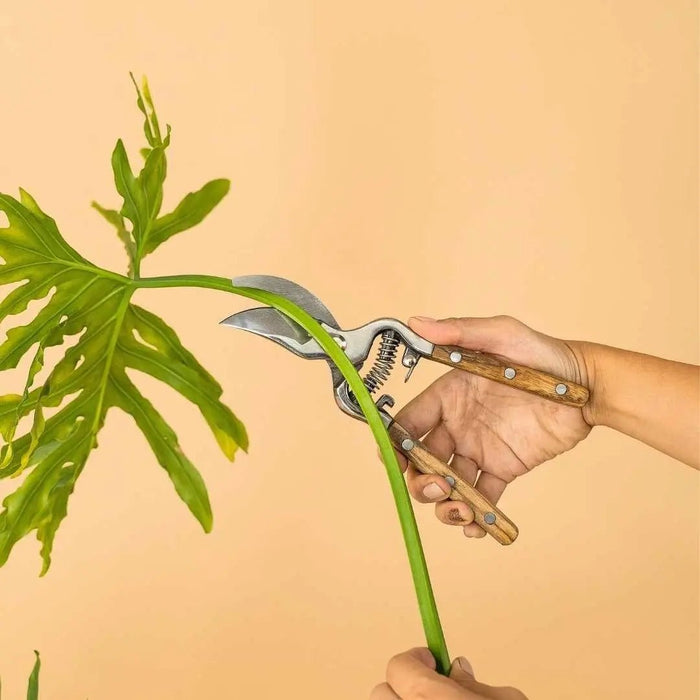
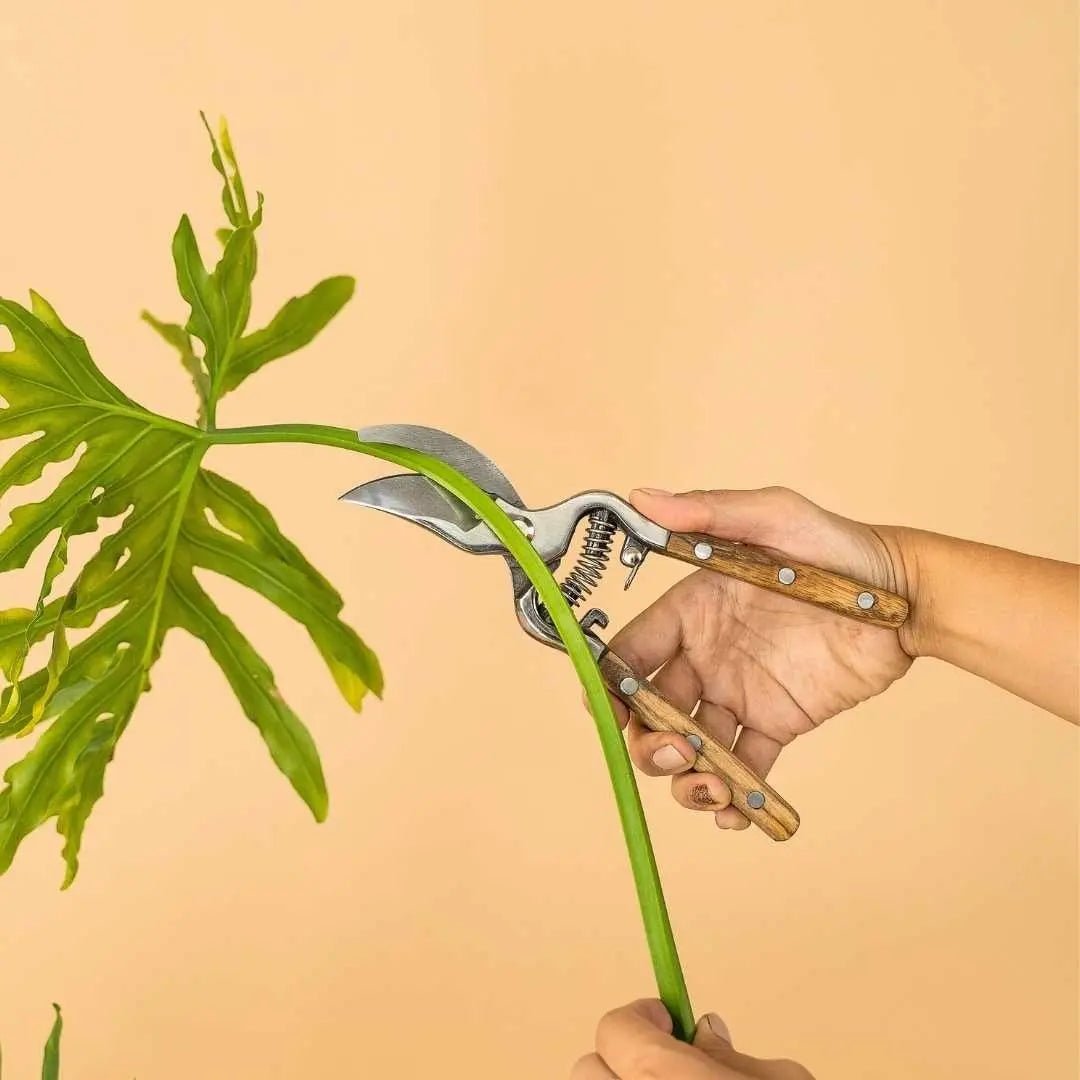
- Wear gloves when pruning or repotting
- Wash hands after handling cut stems
- Place on high shelves or in rooms inaccessible to toddlers and pets
This sounds alarming, but millions of homes worldwide keep Dieffenbachia without incident. Awareness and sensible placement are sufficient.
Propagation
Stem Cuttings
- Cut a 10-15cm stem section (wear gloves)
- Let the cut end dry for a day
- Plant upright in moist perlite or soil
- Keep warm and humid
- New shoots emerge from nodes in 3-6 weeks
Air Layering
Ideal for rejuvenating tall, leggy plants:
- Wrap moist sphagnum moss around a node on the stem
- Cover with cling wrap
- Roots develop in 3-4 weeks
- Cut below the rooted section and pot up
Styling
Floor statement: A mature Tropic Snow in a large pot commands any room corner.
Desk accent: Compact Camille variety adds bold variegation to workspaces.
Grouped display: Pair with darker-leaved plants (Rubber Plant, ZZ) for striking contrast.
Bathroom plant: Thrives in humid bathroom conditions with filtered light.
Final Thoughts
Dieffenbachia delivers maximum visual impact for minimum care investment. Its tolerance for less-than-ideal conditions and its bold, patterned foliage make it a staple of Singapore indoor gardening. Just keep it away from small mouths and curious paws, and you have a stunning, low-maintenance companion for years.
Browse plants at Tumbleweed Plants.
Quick summary
Key Takeaways
- Popular Varieties
- Light Requirements
- Watering
- Soil Mix
- Humidity
- Fertilising
Ready to bring some green into your home?
Browse 250+ hand-picked plants, curated for Singapore homes — delivered to your door.
Browse All Plants →