


















Episcia Care in Singapore: How to Grow a Colourful Flame Violet Indoors
Posted on July 07 2026
Episcia, often called flame violet, is one of those small indoor plants that earns attention up close: softly textured leaves, colourful veining, and a trailing habit that suits shelves, desks and bright corners. In Singapore, it can grow beautifully indoors as long as you manage two things well: bright filtered light and evenly moist, airy soil.
This guide is written for Singapore homes, where humidity is high but air-conditioning, enclosed balconies and inconsistent watering can still stress tropical plants. Use it alongside Tumbleweed’s Assorted Episcia Plant, the Episcia collection, and our plant care essentials.
What is Episcia?
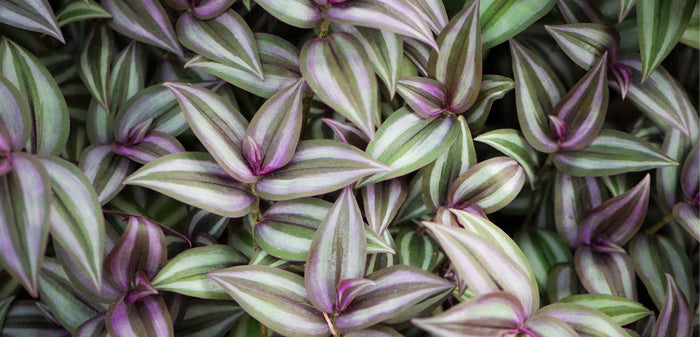
Episcia is a tropical houseplant from the same wider Gesneriaceae family as African violets. It is loved for foliage more than height: leaves may show bronze, green, pink, silver or copper tones, while mature plants can trail gently from the pot. Some varieties also produce small tubular flowers when conditions are steady.
For Singapore plant owners, Episcia is especially useful when you want a colourful plant that stays compact. It does not need a large floor space, and it can look full in a small decorative planter, on a plant shelf, or in a bright work-from-home nook.
Best light for Episcia in Singapore homes
Give Episcia bright, indirect light. A spot near an east-facing window, a bright living room away from harsh afternoon sun, or a sheltered balcony with filtered light usually works well. The goal is enough light to keep the leaves colourful without letting direct sun scorch the soft foliage.
- Good sign: leaves stay compact, colourful and slightly velvety.
- Too little light: stems stretch, colours fade, and new leaves appear smaller.
- Too much direct sun: dry brown patches, curled leaf edges or a bleached look.
If your flat is dim, move the plant closer to the window gradually, or consider supplementing with a gentle grow light. Avoid sudden moves from shade to intense balcony sun.
How often should you water Episcia?
Episcia prefers soil that is lightly moist, not soggy. In many Singapore homes, that means watering when the top layer of potting mix begins to feel dry, while the lower mix still has slight moisture. Instead of following a fixed schedule, check the pot because drying speed changes with air-conditioning, fan airflow, planter size and balcony exposure.
A simple routine:
- Touch the top 2–3 cm of mix.
- If it feels dry or barely cool, water thoroughly.
- Let excess water drain away.
- Do not leave the pot sitting in a saucer of water.
Try to water the soil rather than soaking the leaves. Episcia foliage can mark or rot if it stays wet for long periods, especially in a still, humid room.
Humidity and airflow: the Singapore balance
Singapore’s natural humidity helps Episcia, but humidity alone is not enough. The plant also needs gentle airflow so moisture does not sit on leaves and stems. If the plant is in a bathroom-like corner, packed shelf, or closed balcony, fungal spots and soft stems can appear even when watering is correct.
Keep it near good ambient airflow, but not directly in front of an air-conditioner. If your home is heavily air-conditioned at night, check the soil more often because cool dry air can make small pots dry unevenly.
Best potting mix for Episcia
Use an airy indoor plant mix that holds some moisture but drains quickly. Episcia dislikes dense, wet soil around its fine roots. A good mix should feel light, not muddy, after watering.
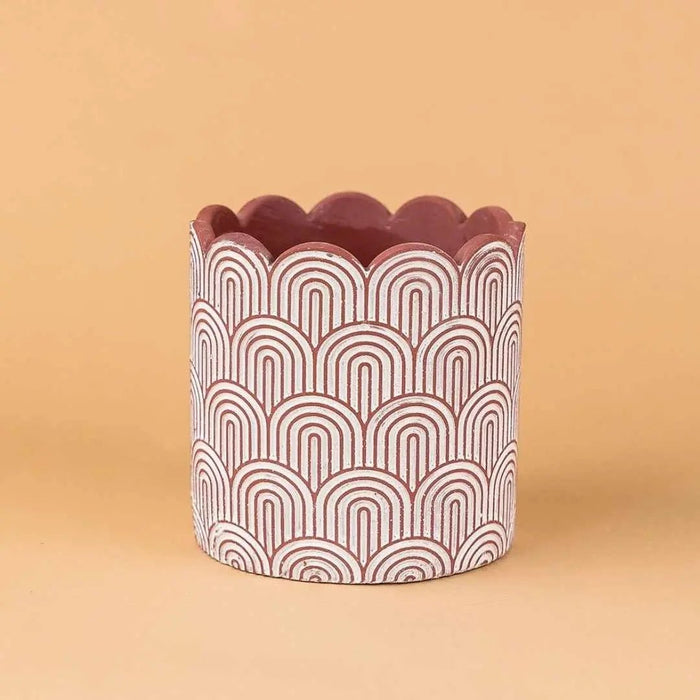
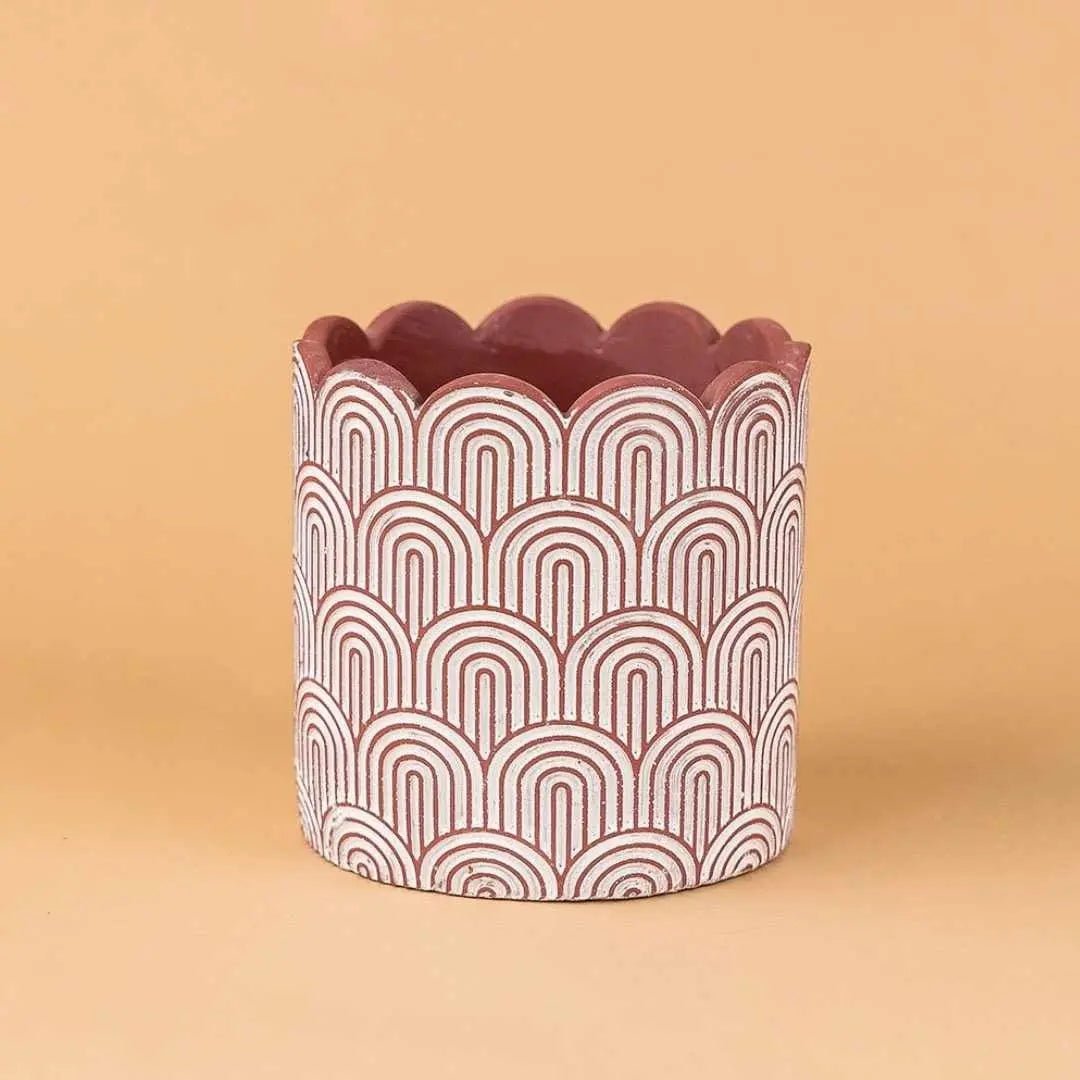
If you are repotting, choose a pot with drainage holes and avoid going too large. A slightly snug pot helps the plant use moisture more evenly. Browse suitable planters and pair them with a free-draining mix from plant care supplies.
Pruning and keeping Episcia full
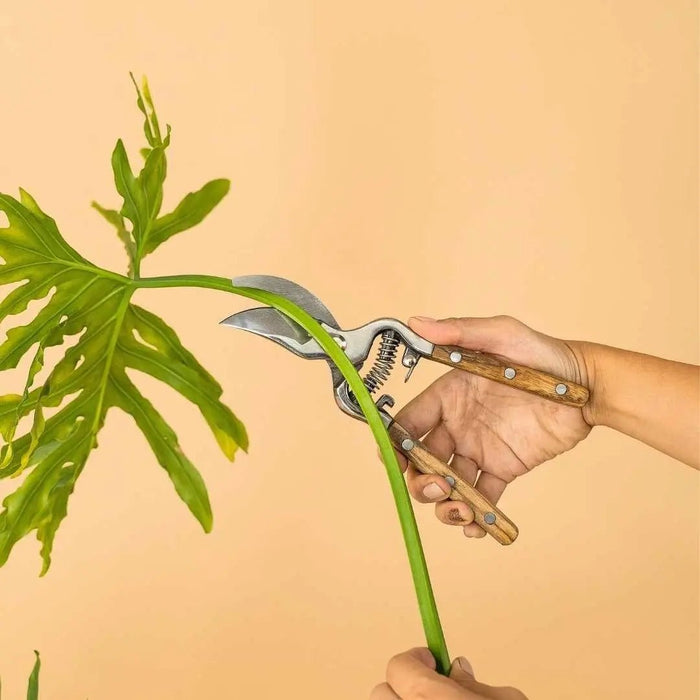
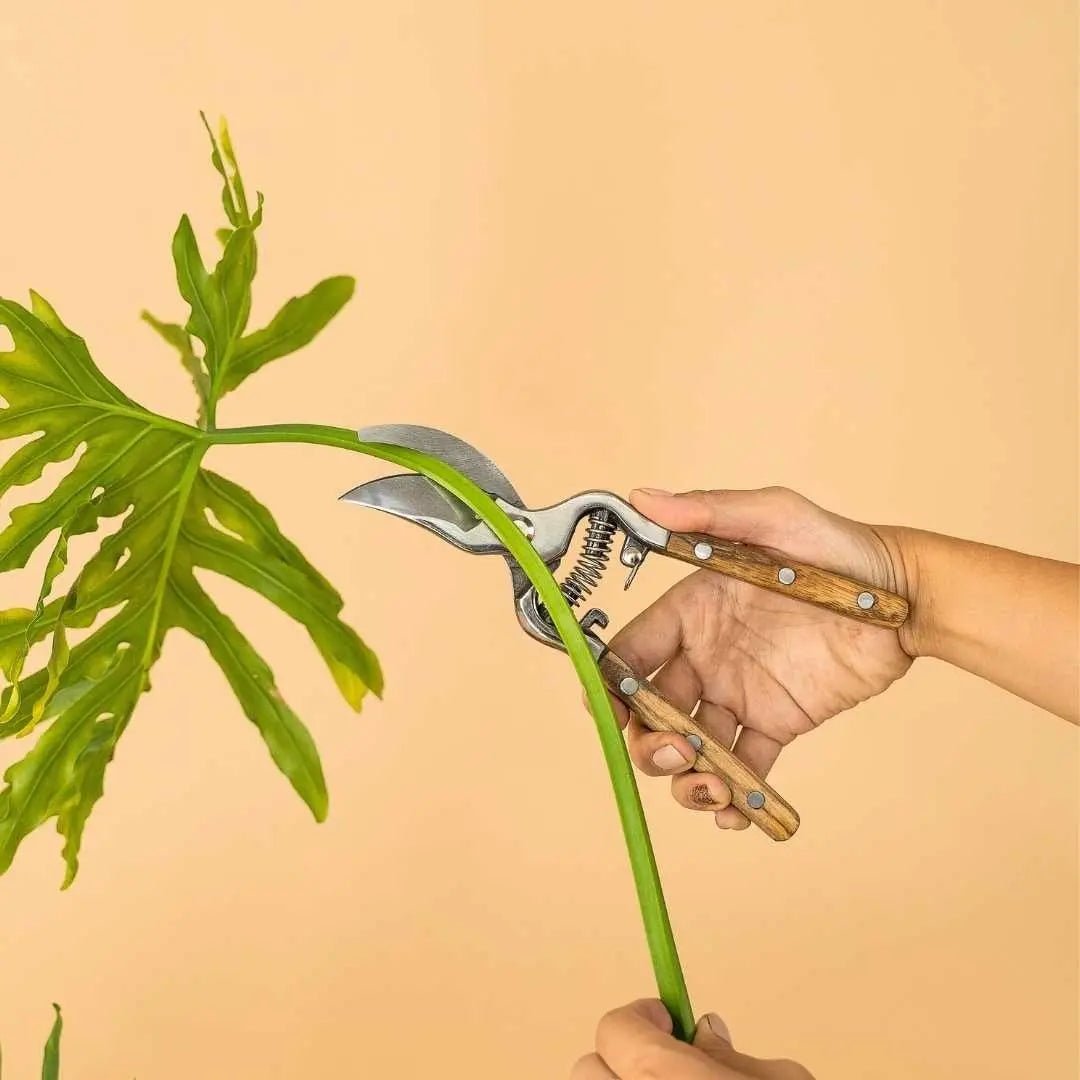
Episcia naturally sends out runners. You can let them trail, or pinch back long stems to encourage a fuller shape. Remove yellowing leaves and tired stems cleanly so the plant can put energy into fresh growth.
If you prefer a neat tabletop plant, rotate the pot every week so light reaches each side. If you prefer a cascading look, place it where the stems can hang without being brushed constantly.
Can you propagate Episcia?
Yes. Episcia can often be propagated from healthy runners or stem cuttings. Choose a vigorous section with a few leaves, place it into a lightly moist medium, and keep it warm with bright indirect light. Avoid sealing it in a very wet container for too long; in Singapore’s humidity, stagnant moisture can cause rot.
Common Episcia problems and quick fixes
Leaves are fading or stems are stretching
The plant likely needs more light. Move it closer to a bright window, but keep it out of harsh direct afternoon sun.
Leaves have brown crispy patches
This can be sun scorch, underwatering, or dry air-conditioning exposure. Check whether the plant is receiving direct sun through glass, then review watering consistency.
Stems are soft or the base smells musty
This usually points to overwatering, poor drainage or low airflow. Let the mix dry slightly, remove affected sections, and check whether the pot drains freely.
Leaf spots are appearing
Avoid wetting the leaves and improve airflow around the plant. Remove badly marked leaves so the plant looks cleaner and fresh growth has more space.
Where to place Episcia at home
Episcia works well on shelves, desks, side tables, plant stands and bright kitchen corners. Because it stays relatively compact, it is a good choice when you want colour without a large statement plant. For a fuller indoor display, pair it with other small plants from Tumbleweed’s plant collection.
FAQ: Episcia care in Singapore
Is Episcia beginner-friendly?
It is beginner-friendly for plant owners who check soil moisture regularly. It is less forgiving if the pot stays constantly wet or if the plant sits in harsh direct sun.
Does Episcia need direct sunlight?
No. Bright indirect light is best. Direct midday or afternoon sun in Singapore can scorch the leaves.
Why is my Episcia losing colour?
Low light is the most common reason. Move it gradually to a brighter filtered-light spot and rotate the pot for even growth.
Can Episcia grow in an HDB flat?
Yes, as long as the spot is bright enough and the pot drains well. A bright window ledge, plant shelf or sheltered balcony can work.
Final care checklist
- Bright indirect light, not harsh direct sun.
- Lightly moist, airy potting mix.
- Drainage holes and no standing water.
- Gentle airflow in humid rooms.
- Prune runners to keep the plant full and tidy.
If you are looking for a compact plant with colour and texture, explore the Assorted Episcia Plant and more indoor greenery at Tumbleweed Plants.