















Jade Plant Care in Singapore: How to Grow a Lucky, Low-Maintenance Succulent Indoors
Posted on July 05 2026
Jade plants (Crassula ovata) are loved for their rounded, coin-like leaves, sculptural shape and reputation as a lucky houseplant. In Singapore, they can be wonderfully low-maintenance — but only when you treat them like succulents, not like tropical foliage plants.
This guide explains how to care for a Crassula Ovata - Jade Plant in a humid Singapore home, including light, watering, soil, pruning and the most common warning signs.
Quick care summary
- Light: Bright indirect light, with gentle morning sun if possible.
- Water: Let the mix dry out well before watering again.
- Soil: Use a fast-draining cactus or succulent-style mix.
- Pot: Choose drainage holes; avoid decorative pots that trap water.
- Best for: Sunny desks, shelves, window ledges and beginner plant parents who prefer a slower-care routine.
Table of contents
- Why jade plants suit Singapore homes
- The best light for a jade plant
- How often to water jade plants in Singapore
- Soil and pot choices that prevent root rot
- Pruning and shaping a fuller jade plant
- Common jade plant problems
- Helpful Tumbleweed links
- FAQ

Why jade plants suit Singapore homes
A jade plant is a good fit if you want greenery that looks polished without needing daily attention. Its woody stems gradually form a mini tree-like shape, while the thick oval leaves add a calm, architectural look to desks, shelves and bright corners.
Singapore’s humidity is not a problem by itself. The real issue is wet soil staying wet for too long, especially in air-conditioned rooms or deep decorative planters. Once you understand that, jade plant care becomes simple: give it bright light, water deeply but infrequently, and let the roots breathe.
The best light for a jade plant
Jade plants grow best in bright indirect light. A spot near an east-facing window, a bright balcony edge with shelter, or a well-lit work desk can work well. Gentle morning sun is usually helpful; harsh afternoon sun behind glass can scorch leaves, especially if the plant was previously grown in softer light.
If your jade plant starts stretching, leaning or producing smaller, paler leaves, it is probably asking for more light. Rotate the pot every one to two weeks so the plant grows evenly instead of leaning towards the window.
How often to water jade plants in Singapore
There is no fixed weekly schedule that works for every home. In Singapore, jade plant watering depends on light level, pot size, soil mix and airflow. The safest rule is:
Water only when the top several centimetres of soil feel dry and the pot feels noticeably lighter.
When it is time to water, water thoroughly until excess water drains out, then empty any saucer. Avoid giving tiny sips every few days — that keeps the top layer damp while the deeper roots may still be sitting in moisture.
If your home is very bright and breezy, your jade plant may dry faster. In a lower-light office or air-conditioned room, it may need much longer between waterings.
Soil and pot choices that prevent root rot
Jade plants dislike heavy, soggy potting mixes. A chunky, fast-draining medium helps oxygen reach the roots and reduces the risk of rot. If you are repotting, look for a cactus/succulent-style mix or improve drainage with gritty components.
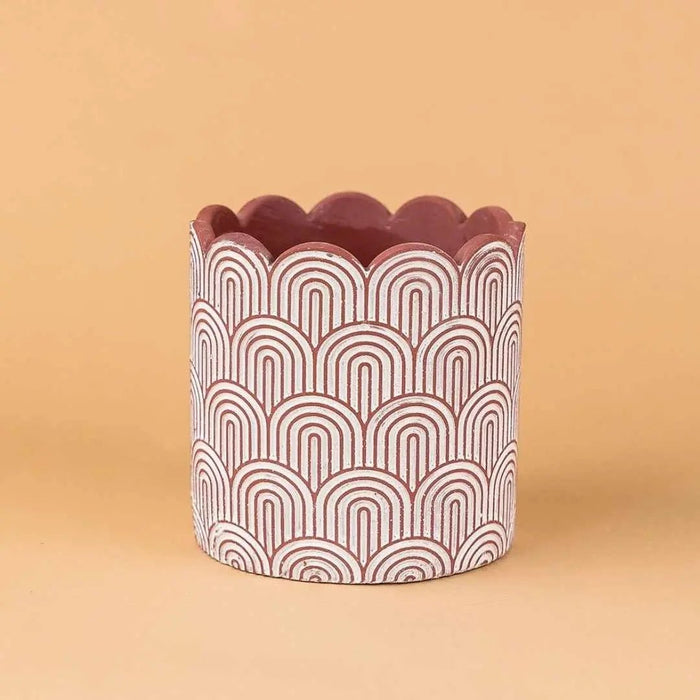
Pot choice matters too. Drainage holes are strongly recommended. If you love the look of a decorative cover pot, keep the jade plant in its inner nursery pot and remove it for watering so it can drain properly before going back in.
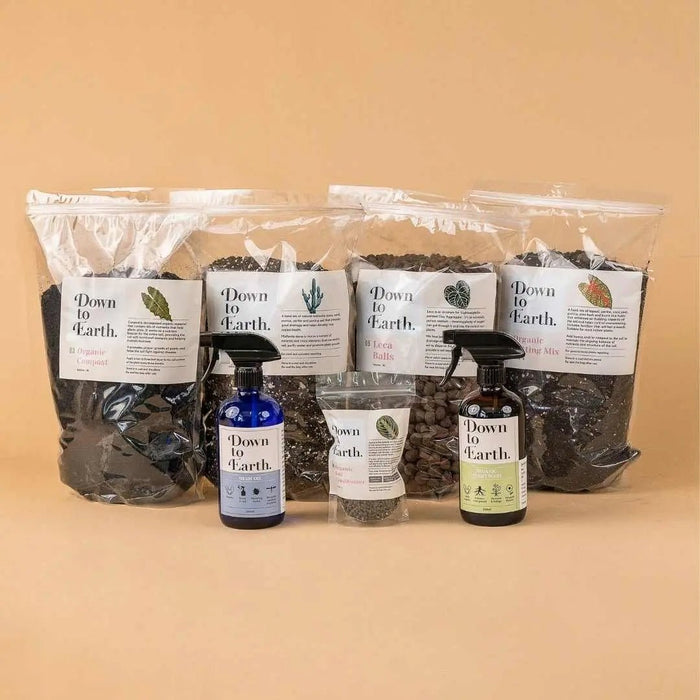
Browse plant care essentials and planters if you are setting up a better-draining home for your plant.
Pruning and shaping a fuller jade plant
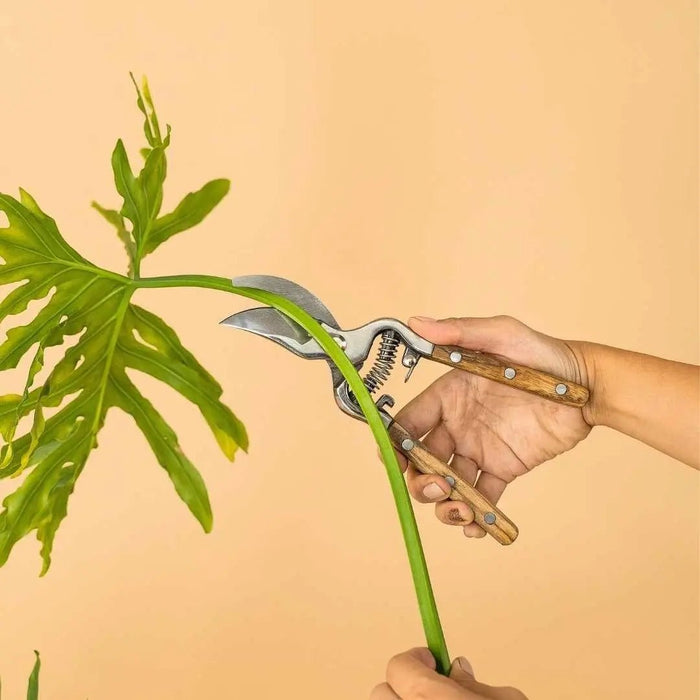
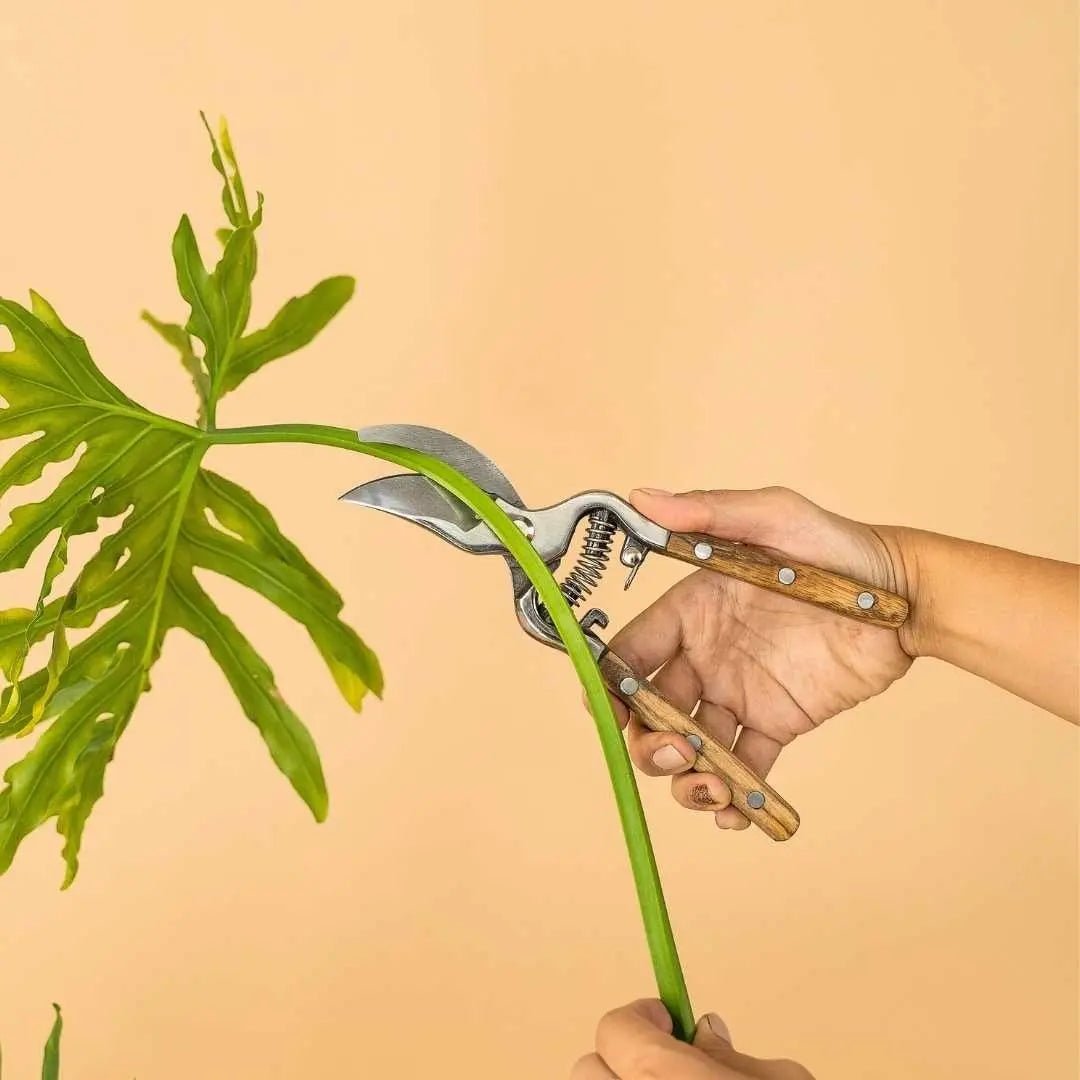
Jade plants naturally branch over time, but a little pruning can help them become fuller. Use clean scissors or pruners to trim leggy stems just above a pair of leaves. New growth often appears near the cut, creating a denser shape.
Do not prune heavily when the plant is stressed, recently repotted or sitting in low light. Give it good light first, then shape gradually. Fallen healthy leaves or cuttings may also root if allowed to callus before being placed in a suitable mix.
Common jade plant problems
Leaves turning soft or mushy
This is usually a sign of overwatering or poor drainage. Check whether the soil is still wet deep down. If roots smell sour or look black and mushy, trim damaged roots and repot into a fresher, drier mix.
Wrinkled leaves
Wrinkled leaves can mean the plant is thirsty, especially if the soil is fully dry. Water deeply and watch whether the leaves firm up over the next few days. If the soil is wet but leaves are wrinkled, root damage may be preventing the plant from taking up water.
Long gaps between leaves
This usually points to insufficient light. Move the plant gradually to a brighter position and rotate it regularly.
Brown scorched patches
Sudden strong sun can burn leaves. Acclimatise the plant slowly if you are moving it from indoor shade to a brighter balcony or window.
Shop the plant

Crassula Ovata - Jade Plant
A compact, sculptural succulent for bright indoor corners and sunny desks.
Simple jade plant care routine
Choose bright indirect light and rotate the pot regularly.
Water only when the mix has dried well below the surface.
Never let the pot sit in collected water.
Prune leggy stems after the plant is settled and growing well.
FAQ: Jade plant care in Singapore
Can jade plants survive in low light?
They may survive for a while, but they will not look their best. Low light often causes stretching and weaker growth. Choose the brightest indoor spot you have.
Is a jade plant good for beginners?
Yes, if you are comfortable watering less often. It is a forgiving plant for bright homes, but it does not like constantly damp soil.
Should I mist my jade plant?
No. Jade plants do not need misting in Singapore’s humidity. Good light, airflow and drainage are much more important.
When should I repot a jade plant?
Repot when the roots are crowded, the mix has broken down, or water no longer drains properly. Choose a pot only slightly larger than the current one.
Build a plant corner that suits your light
Explore more easy-care plants, succulents and plant care essentials for Singapore homes.