















Monstera Deliciosa Care Guide for Singapore
Posted on April 09 2026
In this article
Monstera deliciosa needs no introduction. Its enormous, fenestrated leaves — those iconic splits and holes — have made it the most recognisable houseplant on the planet. It appears on cushions, wallpapers, tote bags, and restaurant menus. But beyond the design trend, Monstera deliciosa is a genuinely spectacular plant to grow — especially in Singapore, where our tropical climate lets it reach its full potential.

In the wild, Monstera deliciosa is an epiphytic vine from the tropical forests of Central America. It climbs tall trees, using aerial roots to anchor itself as it reaches toward the forest canopy. Its leaves can exceed one metre across in mature specimens — a scale that is achievable indoors with the right care.
Light
Bright indirect light produces the best results — the largest leaves, the most fenestrations, and the fastest growth.
Ideal placement in Singapore:
- Within one to two metres of an east-facing or north-facing window
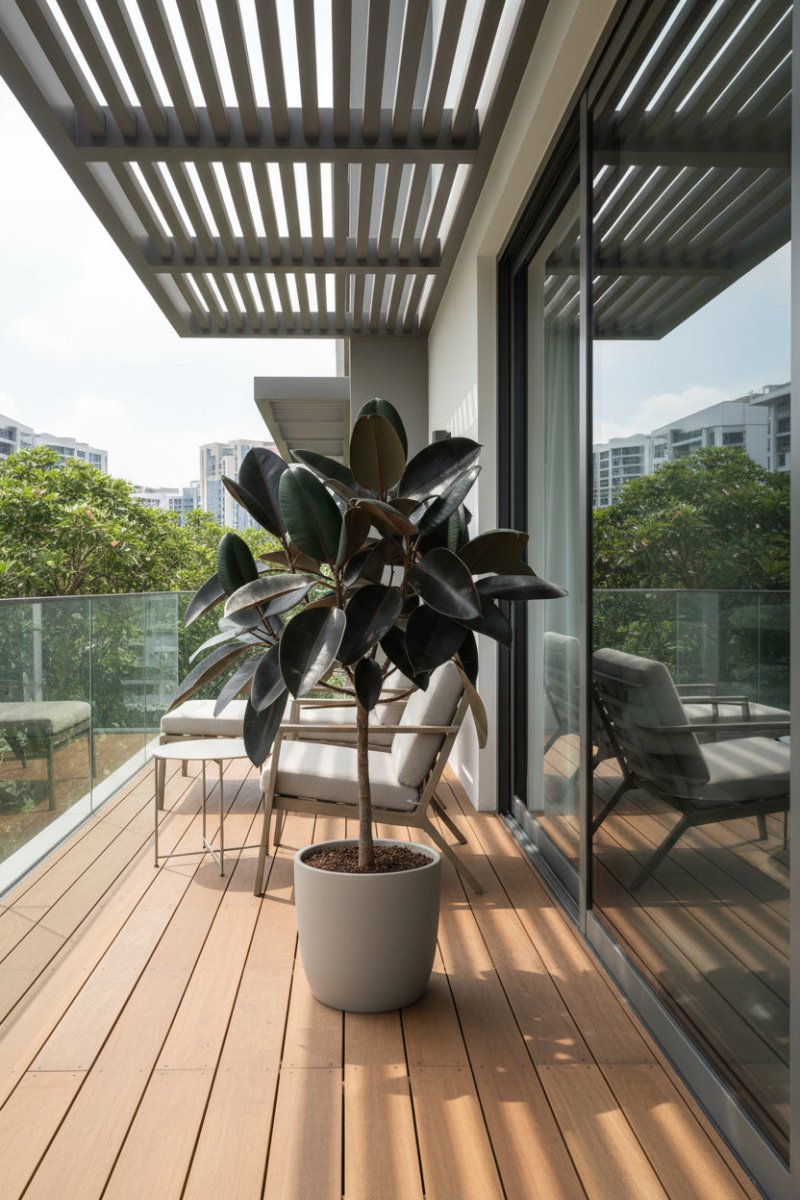
- Near a window with sheer curtains or beside a balcony sliding door
- In a well-lit living room, positioned where it receives ambient brightness
Direct sunlight can burn the leaves — brown, crispy patches appear quickly. However, brief morning sun (one to two hours) is fine and even beneficial.
Low light is tolerated but not ideal. Growth slows dramatically, new leaves emerge smaller with fewer or no fenestrations, and the plant becomes leggy.
The fenestration connection: More light (indirect) = larger leaves with more splits and holes. A Monstera in a dim corner may produce leaves that are entirely whole — no splits at all. The same plant moved to bright indirect light will produce dramatically fenestrated leaves within a few growth cycles.
Watering

Monstera deliciosa prefers a moderate watering routine — not too wet, not too dry.
Schedule in Singapore:
- Water when the top three to five centimetres of soil feel dry
- Typically every seven to ten days in bright conditions
- Slightly less in lower light or heavy AC
Technique:
- Water thoroughly until liquid drains from the bottom
- Allow all excess to drain — never let the pot sit in standing water
- Use room-temperature water
Monstera is more forgiving of slight underwatering than overwatering. When in doubt, wait another day.
Soil
A chunky, well-draining aroid mix:
- 40% potting soil
- 25% perlite
- 20% orchid bark
- 15% charcoal
This mix provides the aeration that epiphytic roots need while retaining moderate moisture.
Support
This is the single most impactful thing you can do for your Monstera. In the wild, it climbs trees — indoors, give it something to climb.
Moss pole: The gold standard. Aerial roots grip the moist sphagnum and draw water, stimulating the plant to produce larger, more fenestrated leaves. Keep the moss damp by misting when you water.
Coir pole: More affordable, widely available in Singapore. Less moisture benefit but provides adequate structural support.
Wooden plank or board: Trending approach that creates a dramatic flat display. The plant attaches aerial roots to the board over time.
Without support: Monstera still grows, but leaves stay smaller and the plant sprawls rather than climbing. Trailing or spreading Monstera is fine aesthetically — it just will not reach its full leaf potential.
Humidity
Monstera deliciosa is less humidity-sensitive than many tropical plants. Singapore's baseline humidity (even indoors with AC at 50-60%) is usually sufficient.
If you want to optimise:
- Group with other plants for collective transpiration
- A pebble tray provides gentle humidity boost
- Regular misting helps but is not essential
Fertilising
Moderate feeder during active growth (year-round in Singapore).
- Balanced liquid fertiliser (NPK 10-10-10 or 20-20-20) at half strength
- Every two to three weeks during growth
- Flush soil with plain water every two to three months
- Skip fertilising after repotting for four to six weeks
Fenestration Guide
The fenestrations that make Monstera famous develop as the plant matures. Understanding this progression helps set expectations:
Juvenile leaves (first few leaves on a young plant): Small, heart-shaped, entirely whole — no splits or holes. This is normal.
Intermediate leaves: Begin developing small holes (perforations) near the midrib. Leaf size increases.
Mature leaves: Large splits extend from the leaf edge toward the midrib, plus multiple holes (fenestrations) throughout the leaf blade. This stage requires adequate light, nutrition, and often a support structure.
Factors that encourage fenestrations:
- Bright indirect light (most important)
- Plant maturity (patience required — it takes time)
- Climbing support (a moss pole triggers the plant's "I'm climbing a tree" response)
- Consistent watering and fertilising
- Appropriate pot size (not too large)
Propagation
Monstera deliciosa propagates easily through stem cuttings.
Water Propagation
- Identify a node with an aerial root (or the bump where one would grow)
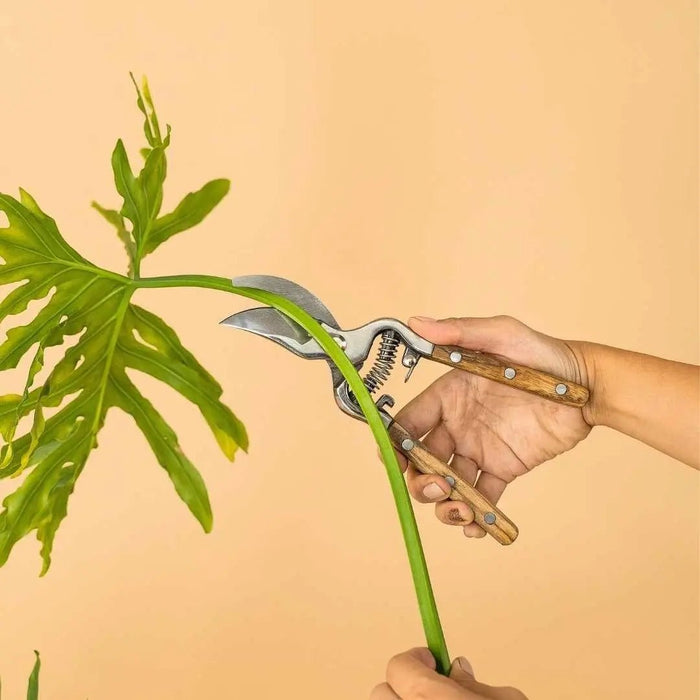
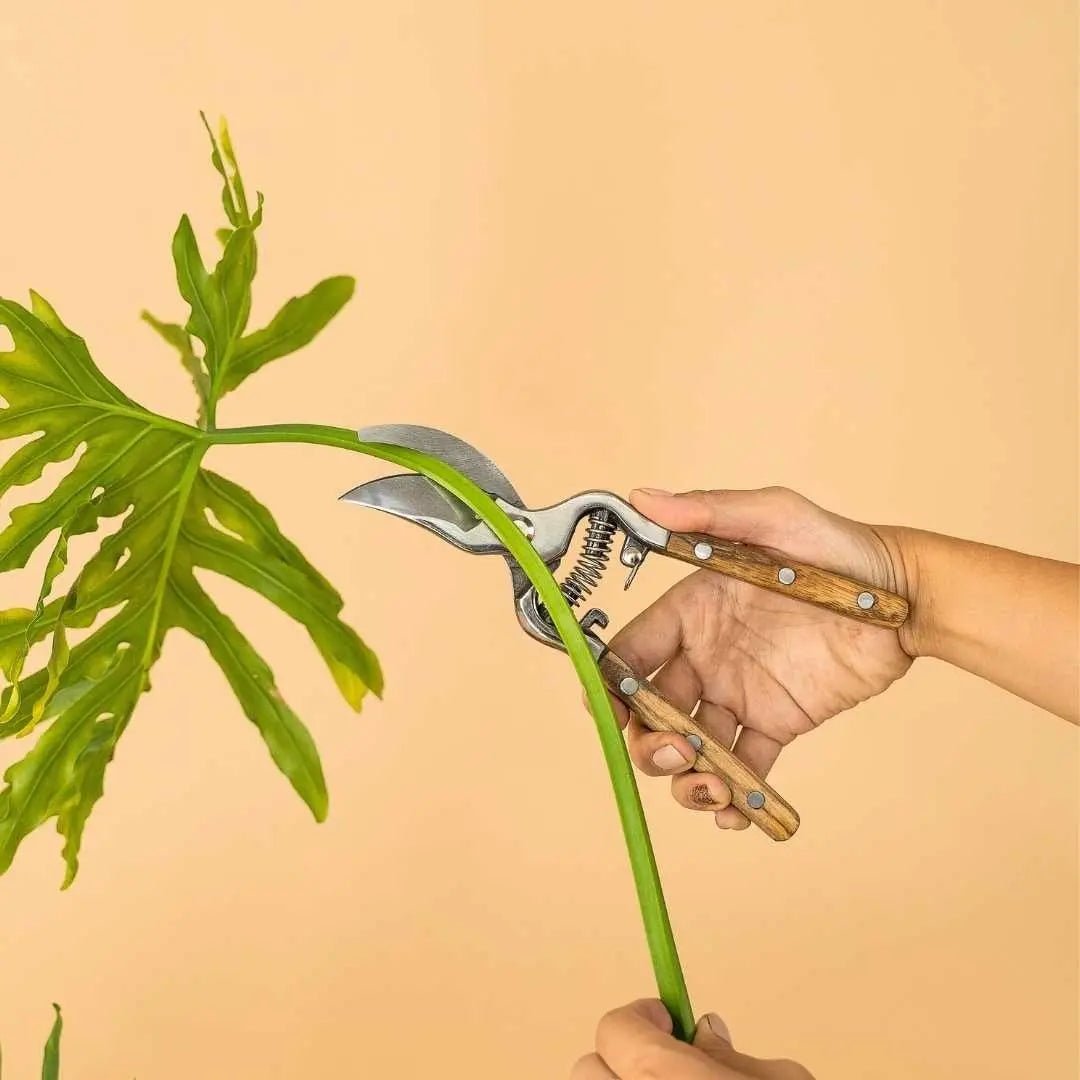
- Cut the stem below the node with clean scissors
- Place in a jar of water with the node and aerial root submerged
- Position in bright indirect light
- Change water every three to four days
- Roots develop in two to four weeks in Singapore's warmth
- Transfer to soil when roots reach 8-10cm
Soil Propagation
- Take a cutting as above
- Plant in moist, well-draining aroid mix with the node buried
- Keep soil consistently moist and provide humidity (clear bag loosely draped over the cutting)
- Roots establish in three to six weeks
Air layering is excellent for larger stems — wrap a node with damp sphagnum moss and cling wrap, wait for roots to develop, then cut and pot.
Common Problems
No Fenestrations
Not enough light or the plant is too young. Move to brighter indirect light and be patient. Adding a moss pole accelerates mature leaf development.
Yellow Leaves
Usually overwatering. Check soil — if wet, reduce frequency. One or two lower yellow leaves are normal ageing.
Brown Leaf Tips
Low humidity or inconsistent watering. Trim the brown tips and address the cause.
Brown Spots
Can be sunburn (if near direct sun), overwatering, or bacterial/fungal leaf spot. Diagnose by checking the plant's location and soil moisture.
Leggy Growth
Not enough light. The plant stretches toward the light source, producing long stems with small, widely spaced leaves. Move to a brighter spot.
Aerial Roots Everywhere
Normal. Monstera produces abundant aerial roots — they are not a problem. Guide them into the moss pole, into the soil, or leave them. Trimming is fine if they bother you aesthetically but is not necessary.
Weeping (Guttation)
Water droplets on leaf tips in the morning. This is guttation — the plant expelling excess water. It indicates adequate hydration. Wipe drops to prevent mineral deposits.
Repotting
- Every one to two years for young, actively growing plants
- Choose a pot one to two sizes larger with drainage holes
- Sturdy, heavy pots (terracotta, ceramic) help counterbalance the plant's weight
- Repot when you see roots emerging from drainage holes or circling the soil surface
Styling Monstera Deliciosa
Monstera is a statement plant. Give it space to shine:
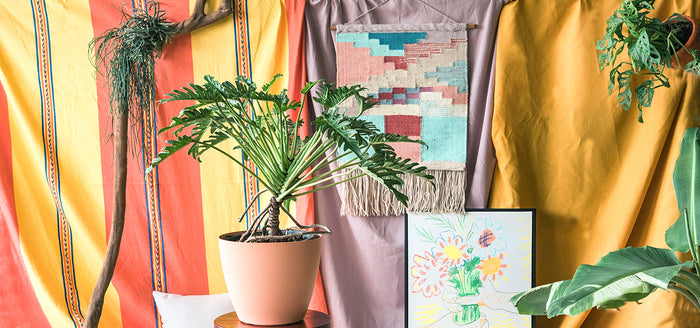
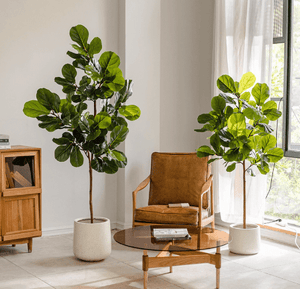
- Floor plant: A mature Monstera in a large ceramic or woven basket pot anchors any living room. Position where the leaves can spread without hitting walls or furniture.
- Corner focal point: The broad, spreading habit fills corners beautifully.
- Beside a bookshelf: The organic leaf shapes contrast with the geometry of shelving.
- On a moss pole: A climbing Monstera creates a vertical green column — dramatic and space-efficient.
Keep the pot simple. White, grey, terracotta, or woven natural materials let the extraordinary foliage command attention.
Shop Monstera
Browse our Monstera collection — from compact young plants to established specimens with fenestrated leaves. We deliver healthy Monstera across Singapore, ready to become the centrepiece of your indoor garden.
Monstera deliciosa is not a trend — it is a classic. The dramatic leaves, the easy care, and the rewarding growth cycle make it a plant that earns its place in every collection. Give it light, water, something to climb, and time. The rest takes care of itself.
Quick summary
Key Takeaways
- Light
- Watering
- Soil
- Support
- Humidity
- Fertilising
Ready to bring some green into your home?
Browse 250+ hand-picked plants, curated for Singapore homes — delivered to your door.
Browse All Plants →