

















Peace Lily Care Guide: Growing Spathiphyllum in Singapore
Posted on April 09 2026
In this article
# Peace Lily Care Guide: Growing Spathiphyllum in Singapore | Tumbleweed Plants Singapore

Few houseplants earn as much affection as the peace lily. With its glossy, dark-green leaves and elegant white spathes, Spathiphyllum has become a staple in Singapore apartments, offices, and shophouses alike. Better still, it made NASA's famous Clean Air Study list as one of the most effective indoor air purifiers — a genuine benefit when you spend most of your time indoors with windows sealed against the afternoon heat. If you have just brought home your first peace lily or you are trying to coax an old one back into bloom, this guide covers everything you need to know about peace lily care in Singapore's unique tropical environment.
Why Peace Lilies Thrive in Singapore
Singapore's year-round warmth and high humidity create conditions that are remarkably close to the peace lily's native habitat on the rainforest floor of Central and South America. While growers in temperate countries struggle with dry winter air and cold draughts, we have a natural advantage: our ambient humidity of 70-90% is exactly what Spathiphyllum loves. That means fewer brown leaf tips, faster growth, and — with the right care — more frequent flowering.
The NASA Air-Purifying Connection
The peace lily was one of the top performers in NASA's 1989 Interior Landscape Plants for Indoor Air Pollution Abatement study. It was shown to help filter benzene, formaldehyde, trichloroethylene, and ammonia from indoor air. In Singapore, where many HDB flats and condominiums are finished with fresh paint, new cabinetry, and synthetic materials that off-gas volatile organic compounds (VOCs), having a few peace lilies around the home is a practical and attractive choice. Browse our full range of air-purifying plants if you want to build an indoor clean-air garden.
Light Requirements

Peace lilies are often sold as "low-light plants," but that label can be misleading. They tolerate low light — they do not prefer it. In practice, a peace lily performs best in bright, indirect light.
What That Looks Like in a Singapore Home
- North-facing windows: These provide gentle, consistent light without direct sun. An ideal spot for peace lilies.
- East-facing windows: Morning sun in Singapore is relatively mild until about 10 am. A peace lily placed a metre or so from an east-facing window will be happy.
- West-facing windows: Afternoon sun here is intense. If your only option is a west-facing window, set the plant at least two metres back or filter the light with a sheer curtain.
- Interior rooms and corridors: A peace lily will survive here, but it is unlikely to bloom. If you notice the leaves growing long and leggy with few flowers, insufficient light is almost certainly the reason.
Signs of Too Much or Too Little Light
| Symptom | Likely Cause |
|---|---|
| Scorched, bleached, or yellowing leaves | Too much direct sun |
| Leggy growth, leaves reaching toward the window | Too little light |
| No flowers despite healthy foliage | Insufficient light intensity |
Watering: The Drooping Trick
Watering is the single most important aspect of peace lily care, and fortunately, this plant gives you a very clear signal when it is thirsty — it droops. The entire plant will visibly wilt, with leaves and stems flopping downward as if it has given up on life. Do not panic. This is perfectly normal behaviour, and the plant will bounce back within hours of a good drink.
How to Use the Droop to Your Advantage
- Watch and learn the rhythm. When you first bring your peace lily home, let it dry out until it just begins to droop. Note how many days that takes. In Singapore, this is typically every 5-7 days for a plant in a standard nursery pot, though it varies with pot size, soil mix, and airflow.
- Water one day before the droop. Once you know your plant's cycle, water it about a day before you expect it to wilt. This keeps the soil consistently moist without ever letting it sit waterlogged.
- Water thoroughly. Take the pot to the sink or place it over a tray and water until it runs freely from the drainage holes. Let it drain completely before returning it to its spot.
Common Watering Mistakes in Singapore
- Overwatering: Our humidity slows evaporation. If your pot lacks drainage holes or the soil stays soggy, root rot will set in quickly. Always use a pot with drainage.
- Using ice-cold water: Some guides suggest watering with ice cubes. Skip this. Tropical plants prefer room-temperature water, and in Singapore our tap water is already at a comfortable temperature.
- Misting obsessively: With humidity already above 70% most days, misting is unnecessary. Save the spray bottle for drier months (rare as they are).
Humidity
As mentioned, Singapore's humidity is a peace lily's best friend. You generally do not need to do anything extra. However, there are two situations where humidity can drop enough to cause brown leaf tips:
- Air-conditioned rooms: If you run the aircon all day (as many of us do), the humidity inside can drop below 50%. Consider placing a shallow tray of pebbles and water beneath the pot, or group your peace lily with other plants to create a micro-humid environment.
- Near fans or direct aircon vents: Constant airflow dries out the leaves. Reposition the plant away from the direct blast.
Fertilising
Peace lilies are not heavy feeders, but a regular fertilising schedule will keep the foliage lush and encourage blooms.
A Simple Fertilising Routine
- Frequency: Once a month during the growing season. In Singapore, growth is year-round, but you can ease off slightly in December and January when light levels dip during the northeast monsoon.
- Type: A balanced liquid fertiliser (e.g., NPK 10-10-10 or 20-20-20) diluted to half the recommended strength.
- Application: Water the plant first, then apply the diluted fertiliser. Fertilising dry soil can burn the roots.
Signs of Over-Fertilising
Brown leaf tips that appear suddenly after feeding, or a white crust on the soil surface, indicate salt build-up. Flush the soil with plain water several times and skip the next feeding.
Encouraging Your Peace Lily to Flower

The white "flower" on a peace lily is actually a spathe — a modified leaf that surrounds the true flowers on the central spadix. Getting a peace lily to bloom indoors requires a few conditions to align:
Checklist for More Blooms
- Adequate light. This is the number one factor. Move your plant closer to a window if it has not bloomed in six months or more.
- Maturity. Young peace lilies may not flower. Plants typically start blooming once they are about a year old and well-established.
- Consistent care. A plant that is stressed by erratic watering or extreme temperature swings will focus on survival rather than reproduction.
- Slight temperature drop at night. In Singapore, this happens naturally — nighttime temperatures are a few degrees cooler than daytime. If your plant is in an aircon room that stays at a constant 24 degrees around the clock, try moving it to a spot that experiences a mild overnight temperature shift.
- Phosphorus boost. Switch to a fertiliser with a higher middle number (e.g., 10-30-20) during the period when you want to encourage blooms.
What to Do with Spent Blooms
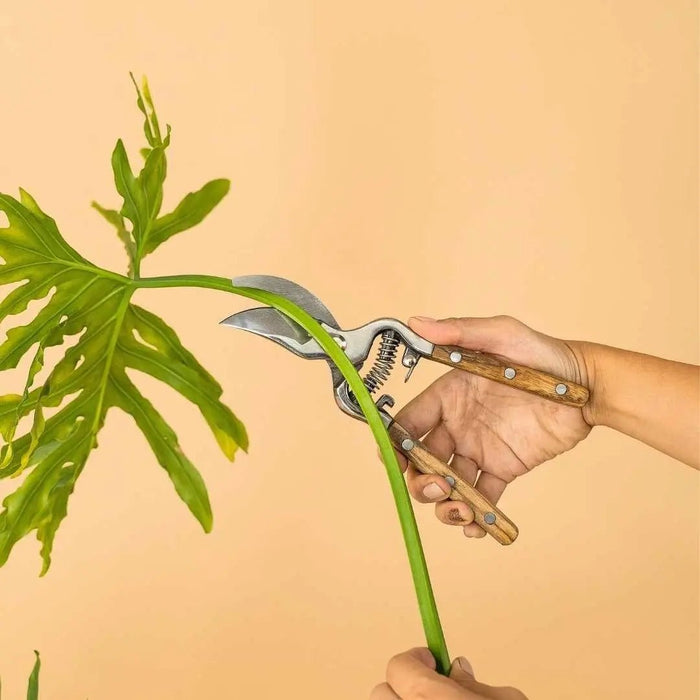
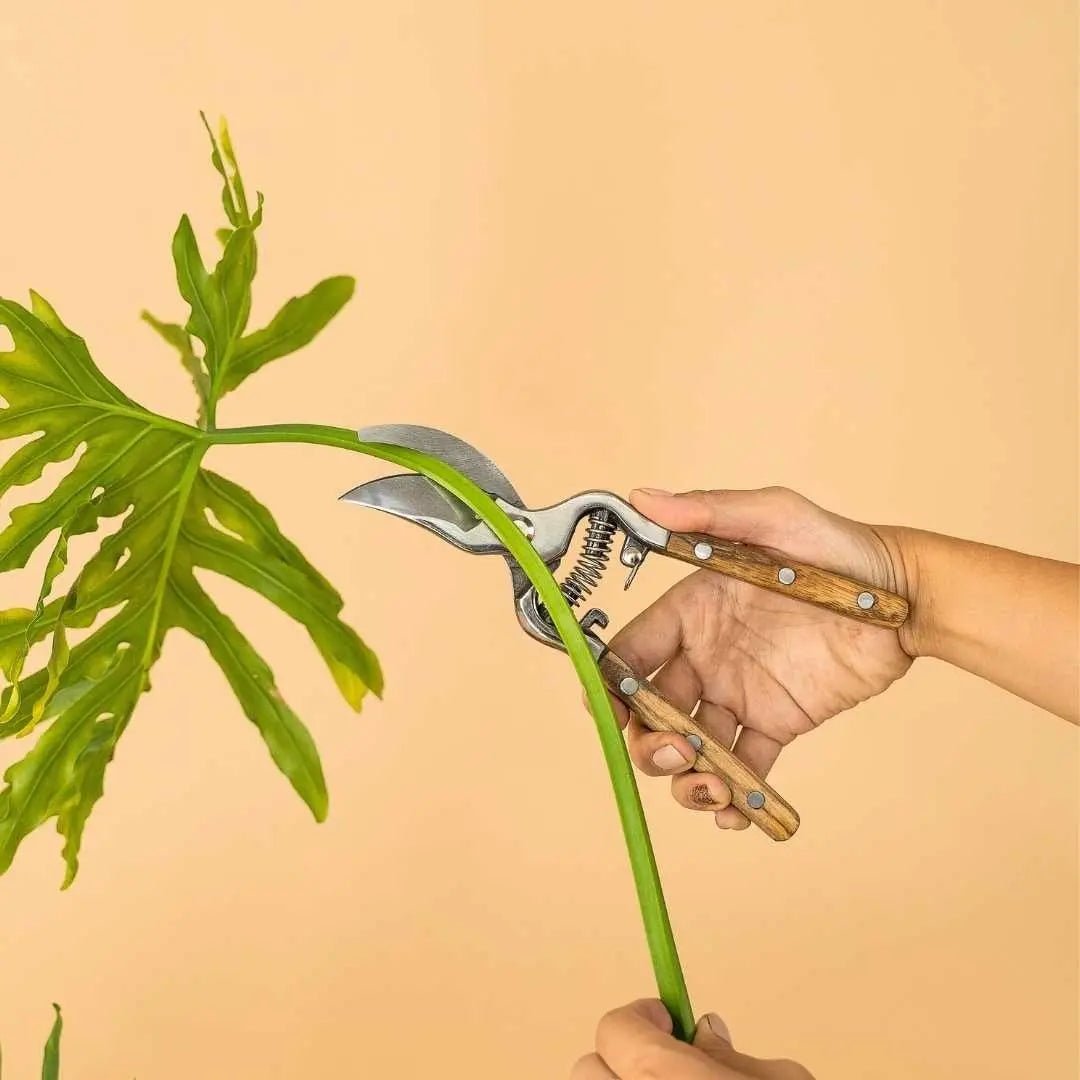
Once the spathe turns green and then brown, snip it off at the base of the stem with clean scissors or secateurs. This redirects energy back into the foliage and future flowers.
Repotting
Peace lilies prefer to be slightly root-bound, so you do not need to repot often. Every 1-2 years is sufficient, or when you see roots circling the drainage holes. Choose a new pot only one size up, use a well-draining potting mix with added perlite, and water thoroughly after repotting. In Singapore's warm climate, repotting can be done at any time of year.
Common Problems and Solutions

Yellow Leaves
Old leaves naturally yellow and die. If multiple leaves are yellowing at once, check for overwatering, too much direct sun, or a nutrient deficiency.
Brown Leaf Tips
Almost always caused by low humidity (aircon rooms), over-fertilising, or chlorine in tap water. If you suspect chlorine sensitivity, let a jug of water sit overnight before using it.
Pests and Root Rot
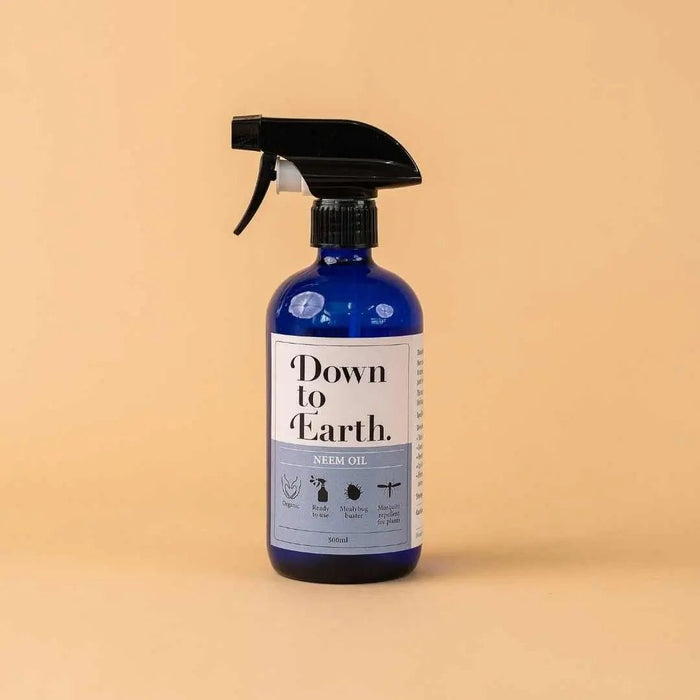
Peace lilies in Singapore can occasionally attract mealybugs, spider mites, or fungus gnats. Wipe leaves with a damp cloth regularly and treat infestations with neem oil. Root rot — the most common killer — presents as wilting despite wet soil and mushy brown roots. If caught early, trim away rotten roots, repot in fresh soil, and adjust your watering schedule.
Toxicity: A Note for Pet Owners and Parents
Peace lilies contain calcium oxalate crystals, which can cause irritation of the mouth, tongue, and throat if chewed. They are toxic to cats, dogs, and humans. While serious poisoning is rare (the intense burning sensation usually stops anyone or any pet from consuming much), it is wise to keep peace lilies out of reach of curious toddlers and nibbling pets. Place them on a high shelf or in a room that is off-limits to your furry friends.
Where to Place Your Peace Lily in a Singapore Home
- Living room: Near a north or east-facing window, on a side table or plant stand. The indirect light will encourage blooming.
- Bedroom: Peace lilies filter air, making them a solid bedroom choice. Just ensure there is enough ambient light.
- Bathroom: If your bathroom has a window, a peace lily will love the extra humidity from showers.
- Office desk: Fine under fluorescent or LED lighting, but do not expect many flowers without natural light.
A single peace lily is a great start, but combining it with other proven air purifiers amplifies the effect. Consider adding a snake plant for the bedroom and a pothos for the living room. Check out our full air-purifying plants collection for curated options that thrive in Singapore homes.
Final Thoughts
The peace lily is one of the most forgiving and rewarding houseplants you can grow in Singapore. Our warm, humid climate does most of the heavy lifting — all you need to provide is the right light, sensible watering, and occasional feeding. Pay attention to the droop, keep it out of harsh afternoon sun, and you will be rewarded with lush foliage and those signature white blooms for years to come.
Whether you are a first-time plant parent or adding to a growing indoor jungle, the peace lily deserves a spot in your collection. And once you see how effortlessly it thrives in our tropical climate, you will wonder why you did not get one sooner.
Quick summary
Key Takeaways
- Why Peace Lilies Thrive in Singapore
- Light Requirements
- Watering: The Drooping Trick
- Humidity
- Fertilising
- Encouraging Your Peace Lily to Flower
Ready to bring some green into your home?
Browse 250+ hand-picked plants, curated for Singapore homes — delivered to your door.
Browse All Plants →