
















Texas Sage Care in Singapore: How to Grow Leucophyllum Frutescens on Bright Balconies
Posted on July 13 2026
Texas sage, also known as silver bush or Leucophyllum frutescens, is a bright-light plant for Singapore homes that have a sunny balcony, patio, corridor garden, or outdoor ledge. Its soft silvery foliage gives a Mediterranean look, while its purple-lavender blooms can appear when the plant receives enough sun and is not kept constantly wet.
This guide explains how to grow Texas sage in Singapore’s humid, rainy climate, how to avoid overwatering, and when this plant is a better fit than a typical low-light indoor houseplant.
Is Texas sage suitable for Singapore?
Yes, with the right placement. Texas sage is not a dark-room foliage plant; it prefers strong light, excellent drainage, and airflow. In Singapore, it works best for plant parents with a bright balcony, sunny window ledge, landed-home patio, or outdoor space that receives several hours of direct or very bright filtered light.
The main challenge is not heat. It is excess moisture around the roots. Singapore’s frequent rain and high humidity mean Texas sage should be grown in a potting setup that drains quickly and dries between waterings.
Best light: bright balcony first, indoor desk last
Give Texas sage as much bright light as your home can safely provide. A sheltered balcony with morning sun, a bright corridor garden, or a sunny patio is ideal. If you keep it indoors behind glass, place it at the brightest window available and rotate the pot regularly.
If the plant becomes leggy, loses its compact shape, or stops producing fresh silvery growth, it may not be receiving enough light. For more sun-loving options, browse bright light plants and outdoor and balcony plants.
How to water Texas sage in humid weather
Texas sage prefers to dry down more than many tropical houseplants. Before watering, check that the top few centimetres of soil are dry and that the pot feels lighter than it did after the last watering. Water thoroughly, then allow excess water to drain away completely.
Avoid leaving the pot in a saucer of water. During rainy weeks, you may need to water much less often than expected. During hotter, breezier periods, especially on a balcony, the plant may dry faster. Let the soil and the plant’s condition guide you rather than following a fixed calendar.
Soil and potting mix
Use a free-draining mix. A standard indoor mix that stays wet for too long can make Texas sage struggle in Singapore. If repotting, choose a pot with drainage holes and a mix that includes airy components so water does not sit around the roots.
For the pot itself, choose something stable and breathable where possible. You can browse suitable sizes in the planters collection, but avoid moving a young plant into a much larger pot too quickly. Too much unused wet soil increases the chance of root stress.
Pruning and keeping the shape compact
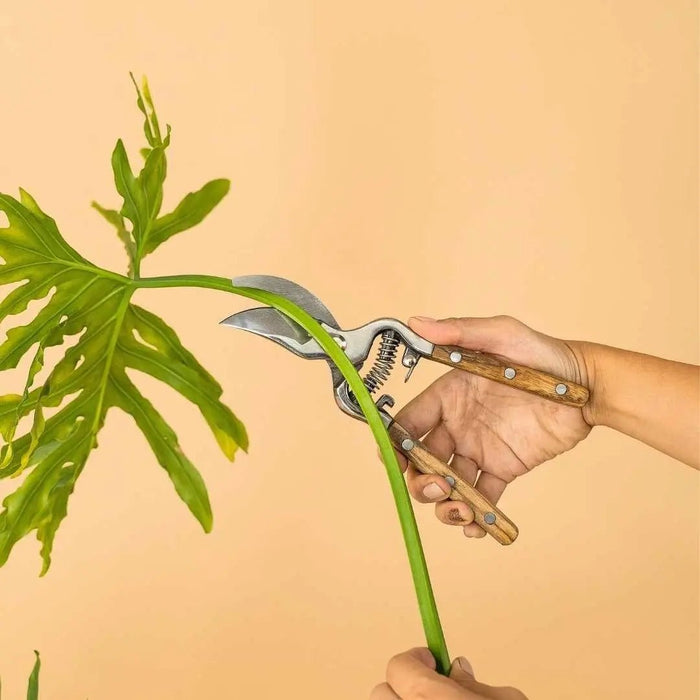
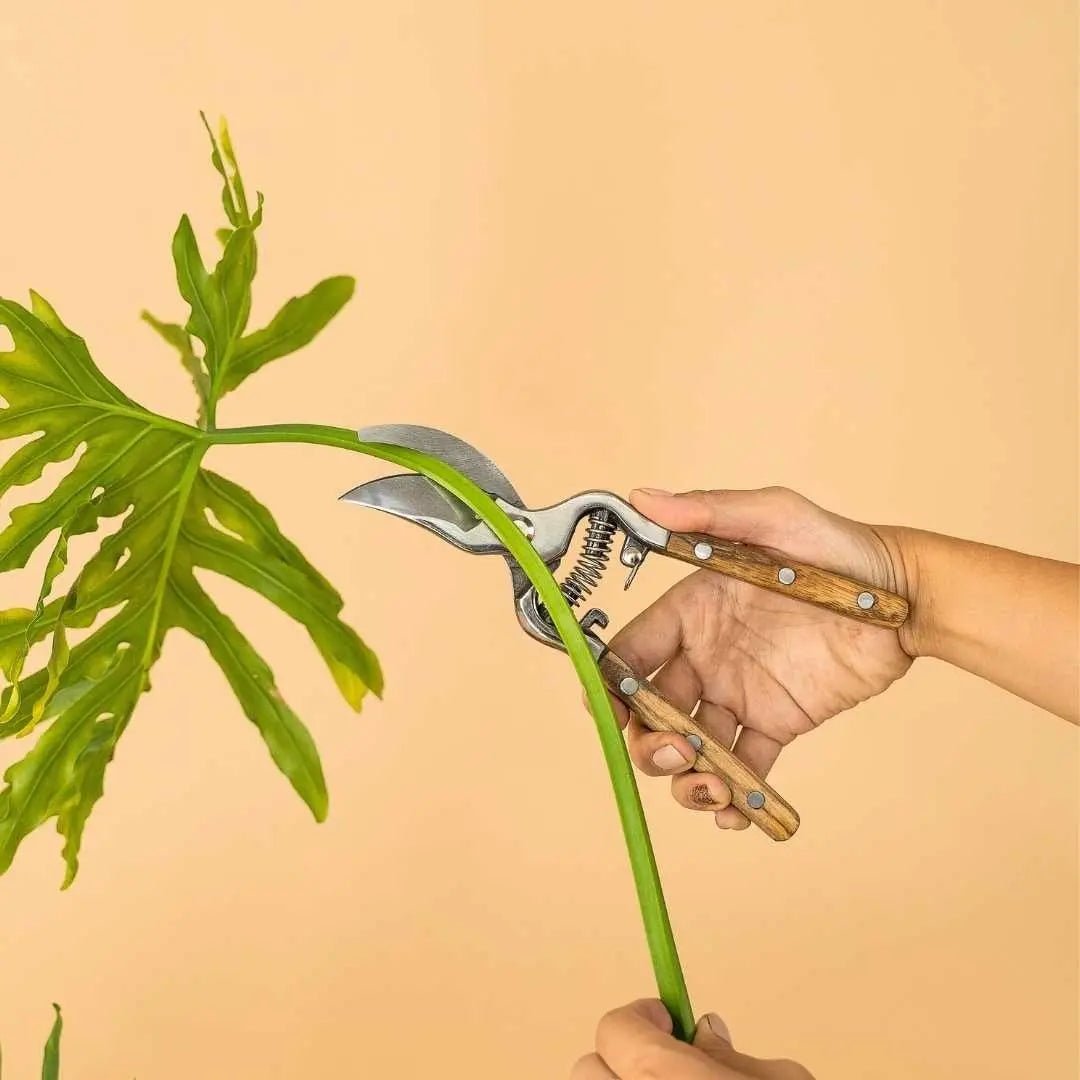
Texas sage naturally has a shrubby habit. Light pruning after a growth flush helps keep it compact and encourages branching. Remove yellowing or damaged leaves, and trim overly long stems with clean scissors. Avoid cutting heavily during a period when the plant is already stressed from low light, root issues, or recent repotting.
If you are growing it on a balcony, give it enough space so air can move through the foliage. Crowding it tightly against other pots can trap moisture and reduce airflow around the leaves.
Will Texas sage flower in Singapore?
It can, but flowers should be treated as a bonus rather than a guaranteed constant display. Strong light, a slightly drier rhythm between waterings, and good airflow give the plant its best chance. If the plant is kept in low light or consistently wet soil, it may stay leafy but produce few or no blooms.
For other flowering choices, visit flowering plants, then match the plant to the actual light level of your home.
Common problems and fixes
- Yellow leaves: often caused by soil staying wet for too long, especially after rain or in a poorly draining pot.
- Leggy growth: usually a sign that the plant needs brighter light.
- Brown, crispy tips: can happen after underwatering, hot reflected balcony heat, or sudden changes in placement.
- No flowers: usually not enough sun, too much water, or the plant still settling into its new pot.
- Leaf drop after repotting: reduce stress by keeping the plant bright but sheltered while roots recover.
Where to place Texas sage at home
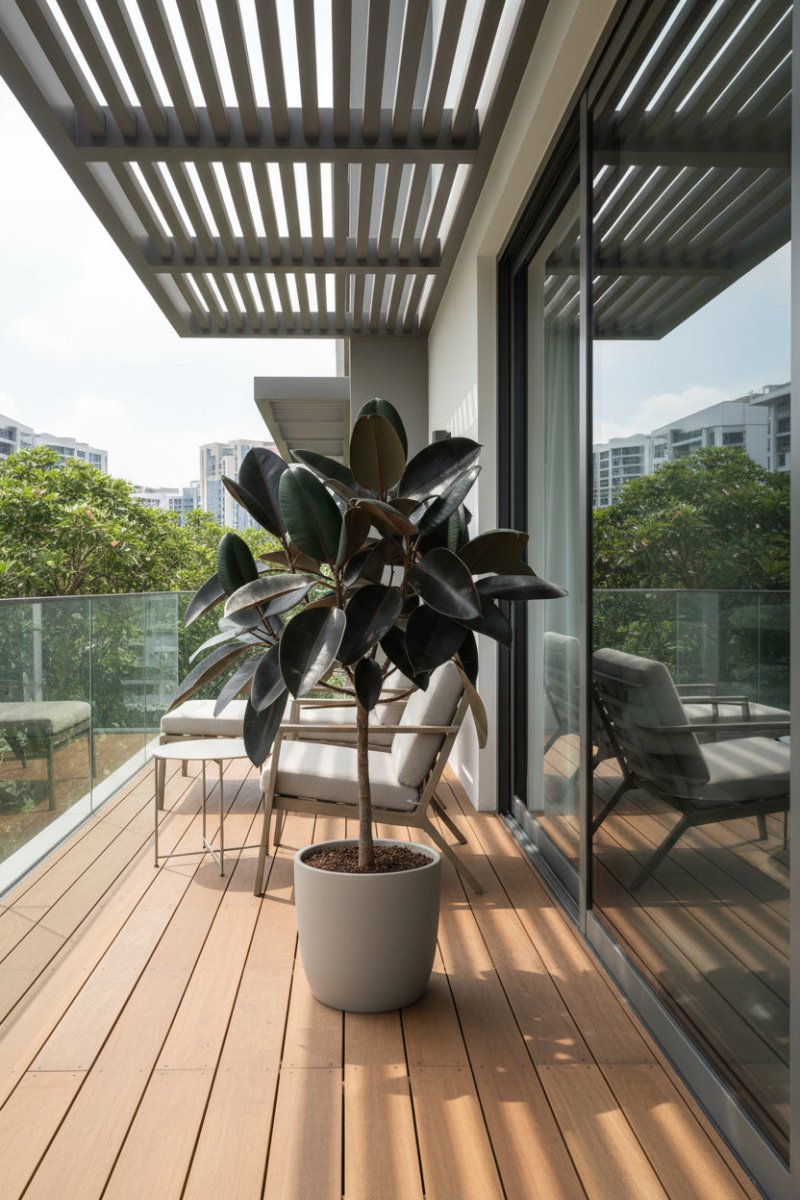
Good placements include a sunny balcony corner, a bright patio table, a window ledge with strong morning sun, or a sheltered outdoor plant shelf. Avoid dark bedrooms, air-conditioned desks far from windows, and bathrooms without direct brightness.
If you want a plant for a dim indoor corner, choose a different category from plants or ask for easy-care options that suit lower light. Texas sage is at its best when treated as a bright-space plant.
Current Tumbleweed option
- Leucophyllum Frutescens Junior – Texas Sage / Silver Bush — a compact silver-foliage option for bright balconies and sunny outdoor corners.
You can also browse balcony plants, plant-care essentials, and the full plants collection to compare light needs before choosing.
FAQ: Texas sage care in Singapore
Can Texas sage grow indoors?
Only if the indoor spot is very bright. A dim room is not suitable. For most Singapore homes, a balcony, patio, or sunny window ledge is a better choice.
How often should I water Texas sage?
Water only after the top layer of soil has dried and the pot feels lighter. In humid or rainy weeks, this may be less often than other houseplants.
Does Texas sage need full sun?
It performs best with strong light and can handle sunny conditions when acclimatised. If moving it from a shaded shop or indoor space to a hot balcony, introduce stronger sun gradually.
Is Texas sage beginner-friendly?
It can be beginner-friendly for someone with a bright, airy space and a careful watering habit. It is less suitable for beginners who only have low-light indoor corners.
Final care checklist
- Choose a bright balcony, patio, or sunny window position.
- Use a pot with drainage and a fast-draining mix.
- Let the soil dry down before watering again.
- Prune lightly to maintain a compact, bushy shape.
- Do not expect it to thrive in a dark indoor corner.
With enough sun and a lighter hand on watering, Texas sage can bring silvery texture and occasional colour to Singapore balcony gardens without needing the constant moisture that many tropical plants prefer.