























Vanda Orchid Care in Singapore: Bright-Light Tips for Balcony Blooms
Posted on July 13 2026
Vanda orchids are made for plant lovers who can offer bright light, moving air and a little daily attention. In Singapore, that usually means a breezy balcony, bright service yard, or very sunny window rather than a dim desk corner. Get the placement right, and a Vanda can reward you with sculptural roots and vivid blooms that feel tropical without looking fussy.
This guide focuses on caring for Vanda orchids in Singapore homes, with practical notes on watering, light, feeding and how they differ from easier indoor orchids like Phalaenopsis orchids.
Why Vanda orchids need a different setup
Many common houseplants tolerate medium indoor light. Vanda orchids do not. Their thick aerial roots and upright leaves are adapted to warm, humid, high-airflow conditions. Singapore’s climate gives you the humidity; your job is to provide enough brightness and ventilation while preventing the roots from staying wet for too long.
- Best for: bright balconies, corridors with filtered sun, sunny windows and airy patios.
- Not ideal for: windowless offices, air-conditioned rooms with weak light, or shelves far from the window.
- Care level: intermediate — simple once the routine is clear, but less forgiving than low-light foliage plants.
Light: bright, filtered sun is the goal
For Vanda orchids in Singapore, light is the biggest difference between surviving and blooming. Aim for very bright indirect light, with gentle morning sun if your space allows. East-facing balconies and bright filtered corridors often work well. Harsh afternoon sun can scorch leaves, especially if the plant was grown under shade cloth before reaching your home.
A healthy Vanda leaf should look medium green. Very dark green leaves often mean the plant is not receiving enough light to flower. Yellow, bleached or crispy patches mean the light is too intense or the plant was moved too quickly into direct sun.
Watering in Singapore humidity
Vanda roots like a cycle of thorough wetting followed by quick drying. In hot, breezy areas, that may mean watering daily. In sheltered, humid corners, every other day may be enough. The right schedule depends on how quickly the roots turn from green back to silvery white.
- Water in the morning so the plant dries before night.
- Soak or shower the roots until they turn green.
- Let excess water drain fully — never leave the crown sitting wet overnight.
- Reduce watering slightly during long rainy periods if the plant is already staying damp.
If your orchid is grown in a pot with bark or charcoal, check the medium before watering. The surface can dry while the centre remains moist, especially in still HDB corridors.
Airflow matters as much as humidity
Singapore is humid enough for orchids, but indoor corners can still feel stagnant. Vandas appreciate airflow around both leaves and roots. Place the plant where warm air can move naturally, or use a gentle fan if the area is enclosed. Good airflow reduces fungal spots and helps roots dry cleanly after watering.
Avoid placing Vandas directly under cold air-conditioning. Sudden dry air and temperature swings can stress buds and slow root growth.
Feeding for stronger growth and blooms
Vandas are active growers when light is strong. Feed lightly but consistently with an orchid-safe fertiliser or diluted balanced plant food during active growth. A useful rule is “weakly, weekly”: use a diluted feed rather than a strong dose. Flush the roots with plain water between feeds to reduce mineral build-up.
If your plant has lush leaves but no flowers, review light first before increasing fertiliser. More food cannot replace insufficient brightness.
Vanda vs Phalaenopsis: which orchid suits your home?
Choose a Vanda if you have bright, airy space and enjoy a hands-on routine. Choose a Phalaenopsis if you want an orchid that is happier in bright indoor light and needs less frequent watering. For compact flowering colour, you can also browse other options in Tumbleweed’s flowering plants collection, including easy display plants and seasonal blooms.
| Feature | Vanda orchid | Phalaenopsis orchid |
|---|---|---|
| Light | Very bright filtered light | Bright indirect indoor light |
| Watering | Often more frequent, especially bare-root | Less frequent; allow medium to partly dry |
| Best location | Balcony, bright corridor, sunny patio | Bright living room, window ledge, dining area |
| Care feel | Interactive and rewarding | Beginner-friendlier |
Common Vanda orchid problems
Leaves are dark green but there are no blooms
This usually points to insufficient light. Move the plant gradually into a brighter location, avoiding sudden harsh afternoon sun.
Roots are brown, mushy or hollow
The plant may be staying wet for too long. Improve airflow, water earlier in the day, and check that any potting medium is not compacted.
Leaves have yellow scorched patches
Sunburn can happen when a Vanda is moved too quickly into direct sun. Shift it back to filtered light and acclimatise slowly.
Buds drop before opening
Bud drop can come from sudden location changes, dry air-conditioning, underwatering during spike development, or stress from heat pockets. Keep the plant’s routine steady once spikes appear.
Where to place a Vanda orchid in a Singapore home
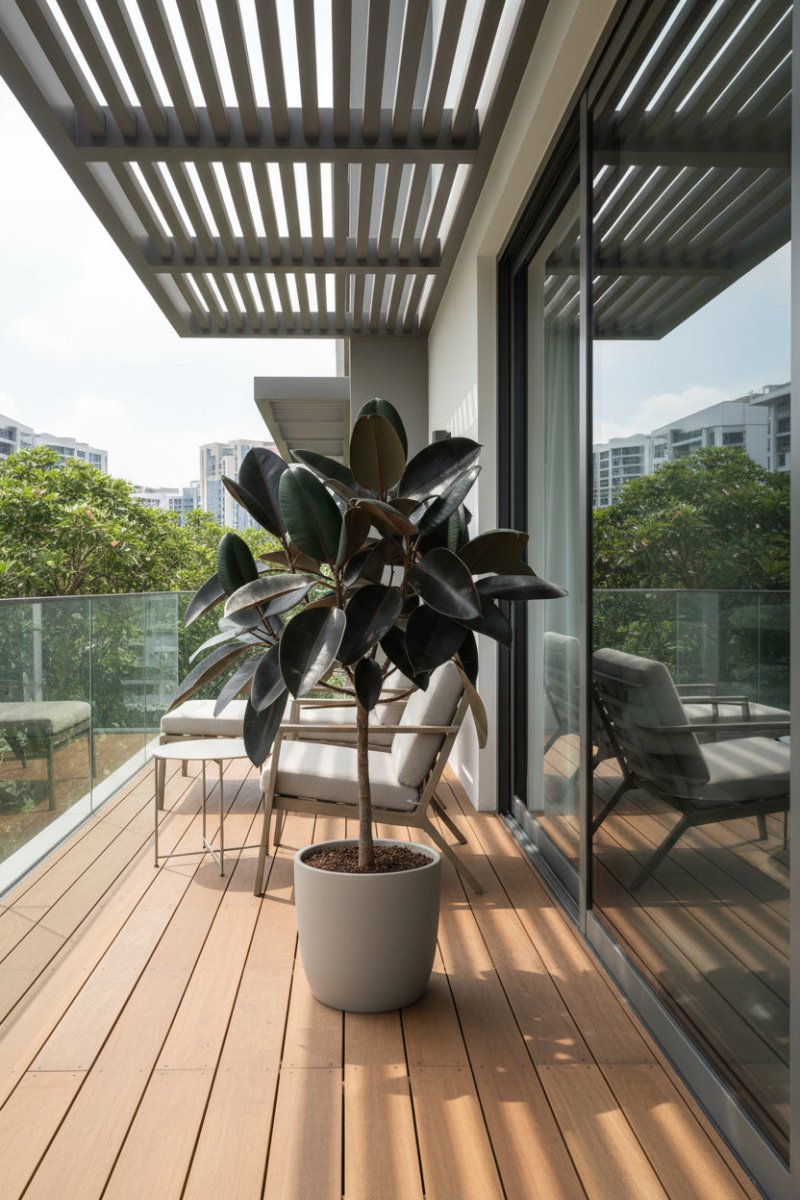
Good spots include a bright balcony with morning sun, a sheltered patio, or an east-facing window that receives strong ambient light. If you live in a high-rise, watch wind exposure: steady airflow is helpful, but strong gusts can dry roots too quickly or damage flower spikes.
For styling, let the roots be part of the look. Vandas pair well with simple hanging displays, clean ceramic planters, and airy corners where the plant can be seen from the side. Explore planters if you prefer a neater display, or browse all plants for lower-light alternatives if your home does not have a bright orchid spot.
FAQ: Vanda orchid care in Singapore
Can Vanda orchids grow indoors in Singapore?
Yes, but only in very bright indoor spots. A typical low-light room is not enough. A balcony, sunny window or bright service yard is usually better.
How often should I water a Vanda orchid?
Water when the roots have dried back to silvery white. In bright, breezy Singapore conditions this may be daily; in more sheltered areas it may be every other day.
Do Vanda orchids need direct sun?
They appreciate strong light and may enjoy gentle morning sun, but hot afternoon sun can burn leaves. Filtered bright light is safest.
Why is my Vanda not flowering?
The most common reason is insufficient light. Stable watering, light feeding and airflow help, but Vandas usually need a bright location to bloom well.
Is Vanda easier than Phalaenopsis?
Usually no. Phalaenopsis is generally easier for indoor beginners. Vanda is best for someone with a bright, airy space and a consistent watering routine.
Explore Tumbleweed’s plant care essentials for tools and care support, or start with the Vanda Orchid if your home has the bright, breezy conditions it loves.