














Hyde Planters in Singapore: Small Indoor Pots for Shelves and Desk Plant Corners
Posted on August 20 2026
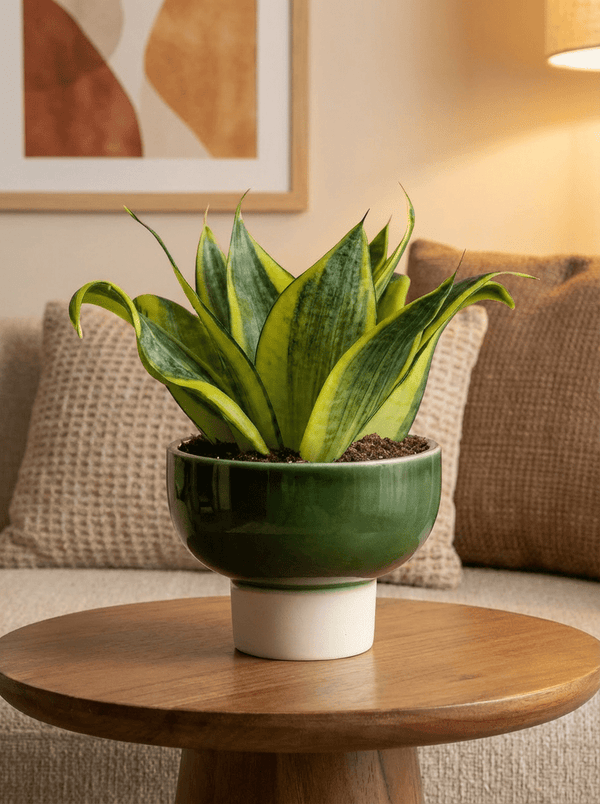
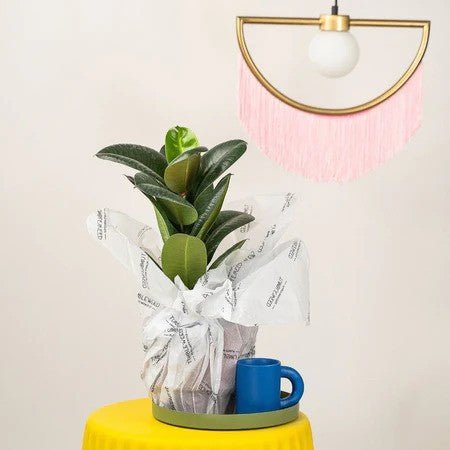
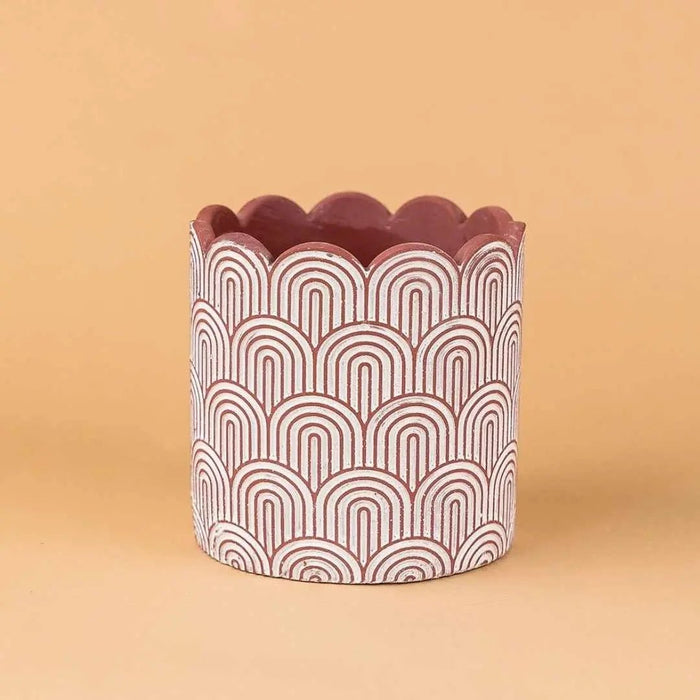
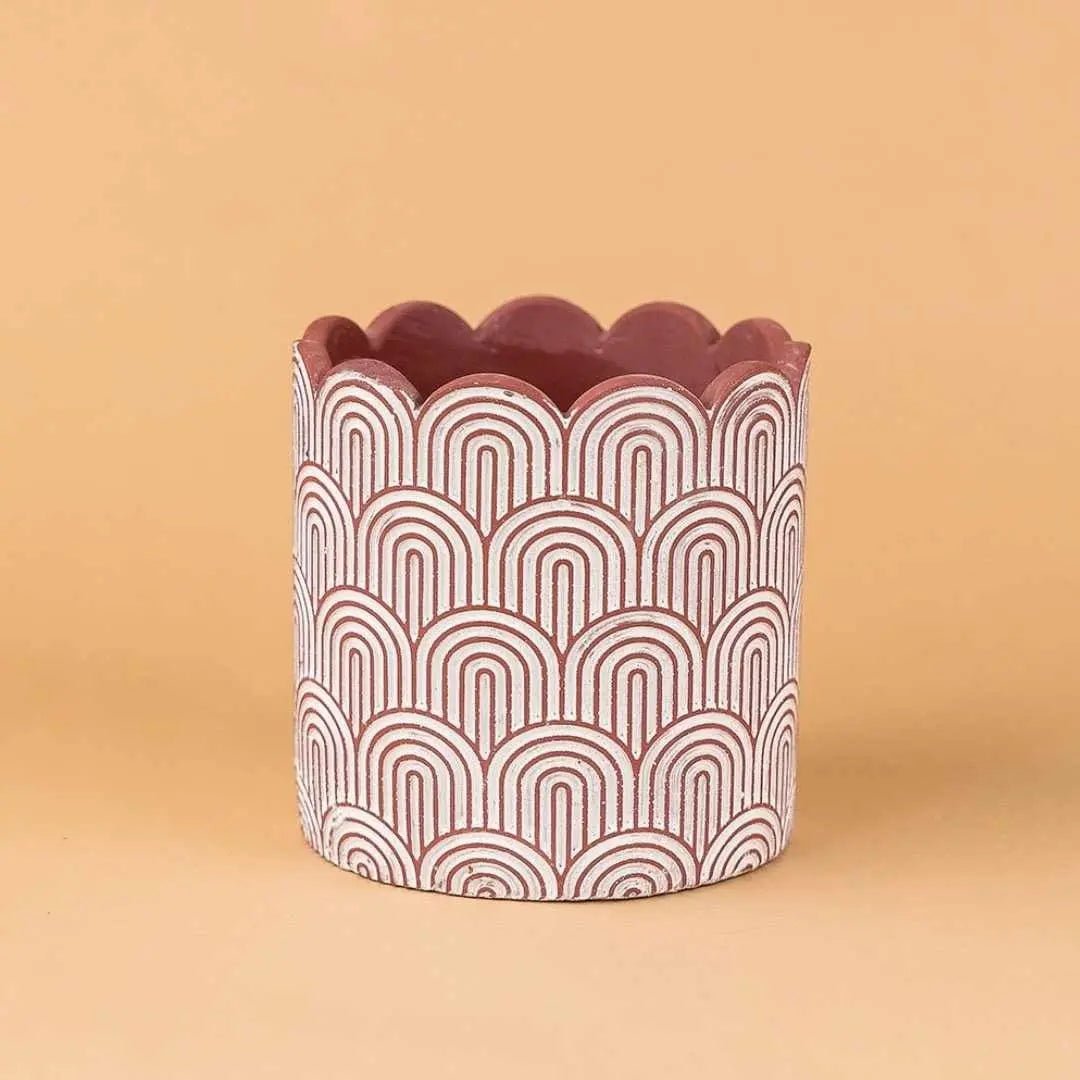
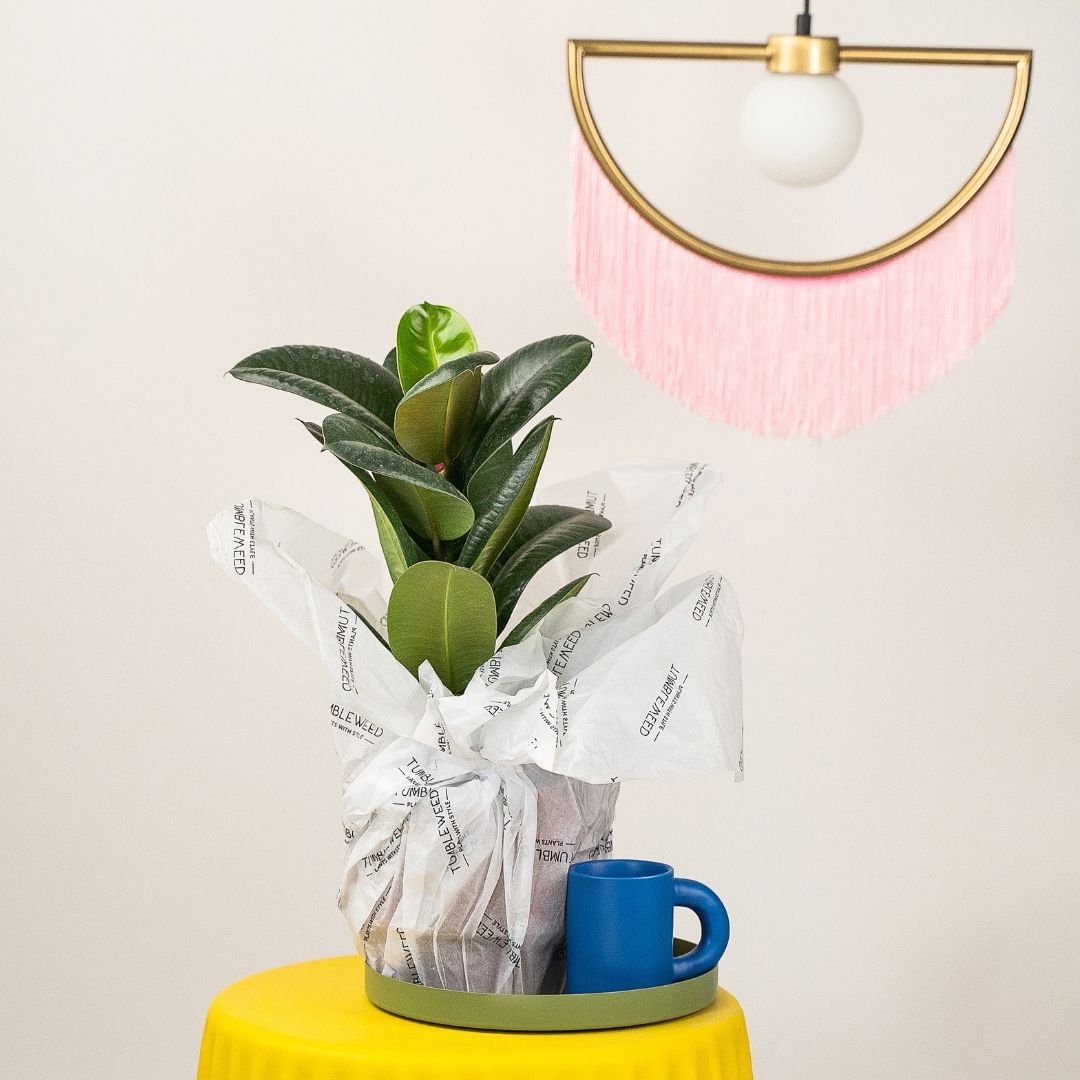
Small plant corners often fail for a simple reason: the pot is either too visually heavy for the space or too plain to feel intentional. Hyde Planter - Small sits in the useful middle. It is compact enough for shelves, desks and sideboards, but still structured enough to make a small indoor plant look styled rather than squeezed into a spare container.
For Singapore homes, where many plant spots are narrow, air-conditioned for part of the day, and close to windows rather than full garden areas, a small planter needs to do more than hold a nursery pot. It should help with proportion, protect the surface underneath, and make daily watering checks easy. This guide shows how to use Hyde Planters for neater plant corners without overcomplicating the setup.
Why a small indoor planter works well in Singapore apartments
Many HDB flats, condos and home offices have bright ledges, compact entry consoles or shelving units that can take one plant but not a full floor planter. A smaller pot lets you bring greenery into these everyday zones without blocking walkways or crowding a work surface.
The key is to choose a planter that looks deliberate at close range. A tiny nursery pot can feel temporary, while an oversized decorative pot can overwhelm a tabletop. Hyde Planters work best when you want a clean, finished look for small to medium indoor plants.
Best places to style a Hyde Planter
- Bookshelves and display shelves: use one compact plant to soften books, ceramics and framed prints.
- Work desks: choose a tidy foliage plant and keep the pot away from direct laptop heat or air-con blasts.
- Bedside tables: style with a calm leafy plant instead of a large statement tree.
- Entry consoles: pair with a catch-all tray so the plant corner still feels functional.
- Kitchen windows or service-yard ledges: use only if the spot receives suitable light and does not get too hot.
Plant pairings that suit a compact pot
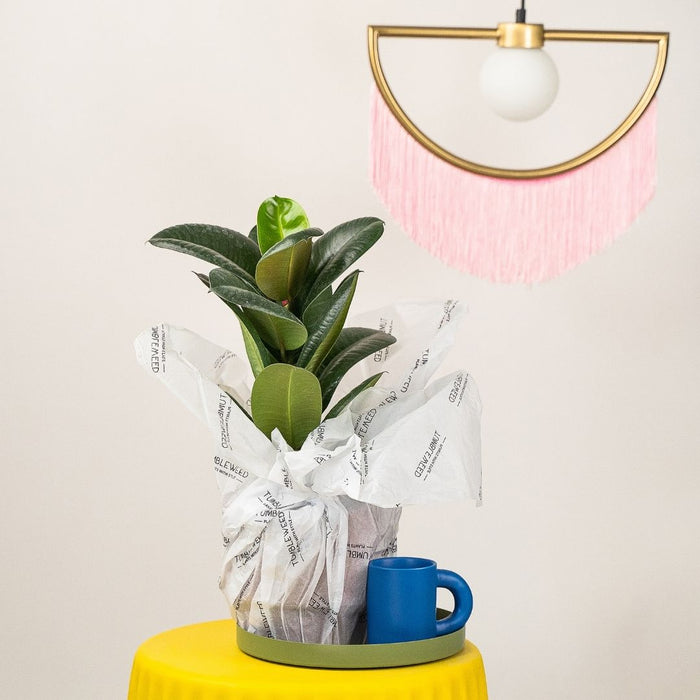
For a balanced look, pair a Hyde Planter with plants that have neat foliage rather than very wide, heavy leaves. Good options include baby ZZ plants, small Aglaonema, compact Pothos, Peperomia, Philodendron cuttings that have rooted well, or young Monsteras before they need a larger support setup. You can browse current options in the plants collection.
If the plant is still in its nursery grow pot, check that the grow pot can sit comfortably inside the decorative planter. There should be enough room to lift it out for watering if you prefer the cachepot method.
Drainage and watering: keep it neat, not soggy
In humid Singapore weather, the biggest risk for small indoor plant corners is not usually forgetting water; it is water sitting around the roots for too long. If you use the Hyde Planter as a cover pot, remove the inner grow pot when watering, let excess water drain fully, then return it once the base is no longer dripping.
If you repot directly into a decorative planter, use an appropriate indoor potting mix and avoid watering on a fixed calendar. Check the top layer of soil first. Air-conditioned rooms, window exposure and plant size can all change how quickly the mix dries.
How to match the pot to your room style
A compact planter is most effective when it repeats something already in the room. If your home has light wood, soft neutrals or simple shelves, keep the surrounding styling calm and let the leaves add texture. If your room has darker furniture, place the planter near a lighter tray, book stack or cloth surface so the plant does not visually disappear.
For a cohesive plant corner, keep nearby pots in related shapes or tones rather than mixing too many finishes. You can compare more sizes and finishes in the plant pots and planters collections.
Quick setup checklist
- Choose a plant that fits the light level of the shelf, desk or ledge.
- Confirm the nursery pot fits inside the Hyde Planter with room to lift it out.
- Add a discreet saucer or use the planter as a cover pot to protect furniture.
- Rotate the plant every week or two so growth stays even.
- Check soil moisture before watering, especially in air-conditioned rooms.
FAQ
Can I use a Hyde Planter for a desk plant?
Yes. It is best for compact plants that will not shed heavily or need frequent turning. Keep the plant where it receives suitable indirect light and where water checks are easy.
Should I repot directly into the planter?
You can, but many Singapore plant owners prefer using decorative planters as cover pots. This makes watering cleaner because the inner grow pot can be removed and drained before being placed back.
What plant size works best?
Look for small to medium plants with a root ball that fits comfortably inside the planter. If the plant is already pushing against its nursery pot or drying out extremely quickly, it may need a larger pot instead.
Is this a good option for low-light corners?
The planter can sit in a lower-light part of the home, but the plant still needs the right conditions. Choose tolerant plants for shadier spaces and avoid placing sun-loving plants far from a window.
A small planter can make a big difference when it is matched to the right plant and spot. For shelves, desks and compact plant corners, Hyde Planters are a simple way to make indoor greenery feel considered, tidy and easy to maintain.