
















Roman Lattice Pot in Singapore: Patterned Indoor Planter Styling for Calm Corners
Posted on September 04 2026
Roman Lattice Pot in Singapore: Patterned Indoor Planter Styling for Calm Corners
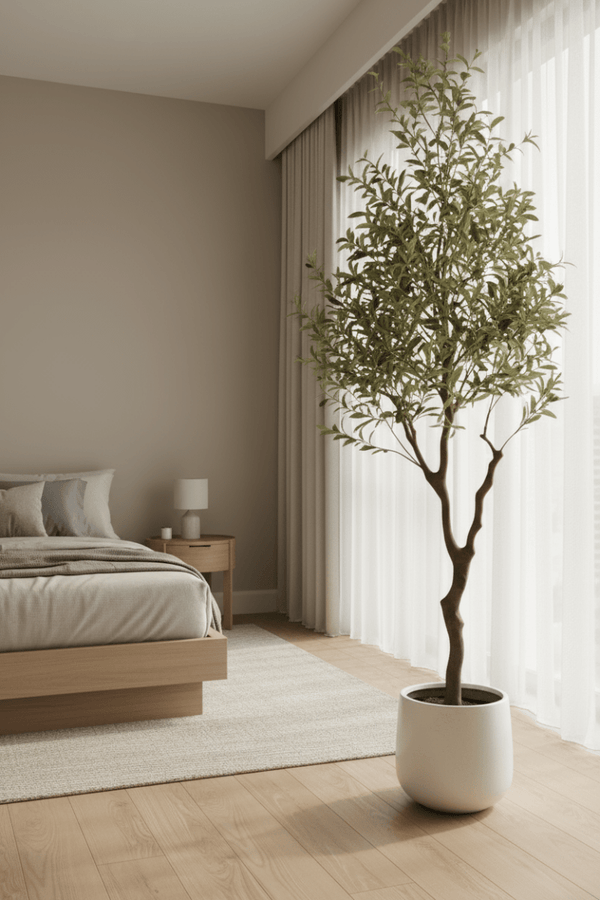
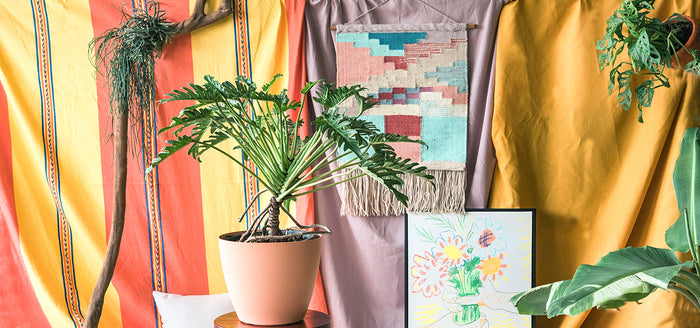
A patterned planter can make an indoor plant corner feel intentional without making the room look busy. In Singapore homes where space is often compact, the trick is to choose one pot with enough detail to anchor the corner, then keep the surrounding textures calm. The result feels styled, but still easy to live with.
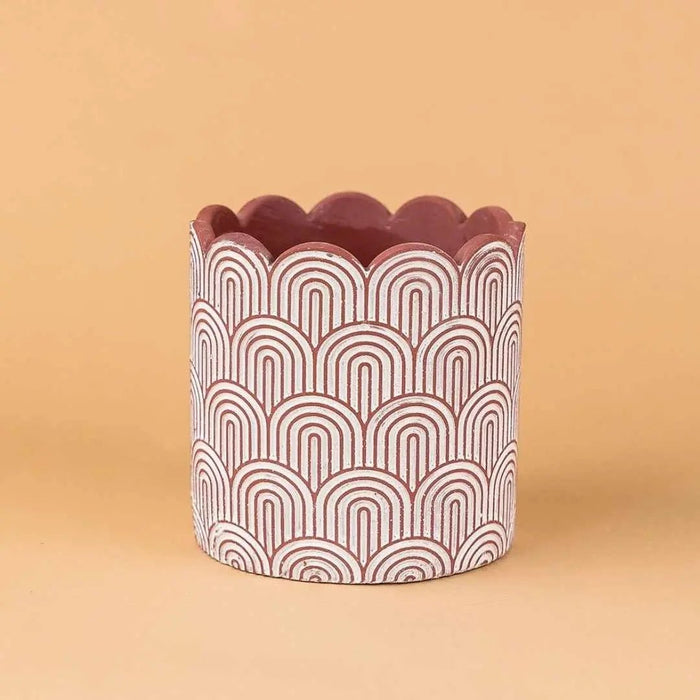
This guide shows how to style the Roman Lattice Pot - Large in HDB flats, condos, balconies and office corners, with practical tips on plant pairing, scale, drainage and room placement.
Why patterned planters work in small Singapore homes
Small-space styling is all about balance. A plain pot can disappear in a room with many clean lines, while a very loud pot can compete with furniture, rugs and wall art. A lattice-style planter sits between those two extremes: it adds texture and shadow, but still feels structured enough for modern interiors.
For plant styling, that means you can make a single plant look more finished without adding extra décor around it. This is especially useful in rental flats, tight bedrooms, work-from-home corners and balconies where every object needs to earn its place.
Where to place it
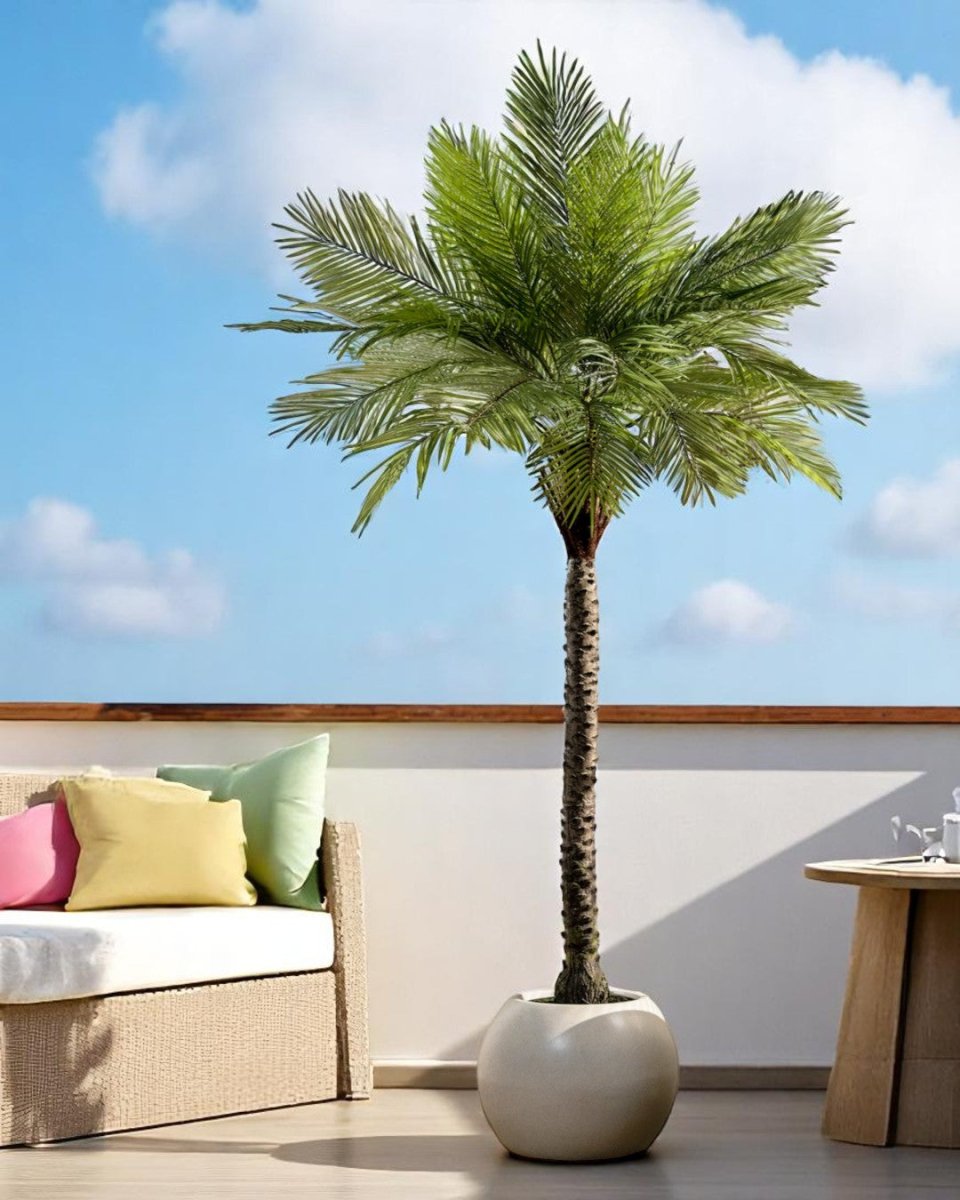
- Beside a sofa: Use the pot as a soft focal point next to neutral fabric, wood tones or rattan textures.
- Near an entryway: A patterned planter makes a welcoming green detail without needing a large furniture piece.
- By a bright window: Pair the pot with a plant that enjoys filtered light, then rotate the plant occasionally for even growth.
- On a sheltered balcony: Keep it out of heavy rain and check that the plant has proper drainage before placing it inside the decorative pot.
Plant pairing ideas by light level
Choose the plant first by light, then use the pot to finish the look. In bright indirect light, a fuller foliage plant can make the lattice pattern feel lush and generous. In medium light, a plant with upright leaves keeps the profile neat. In lower-light corners, choose hardy plants and avoid overwatering, as decorative outer pots can hide dampness at the base.
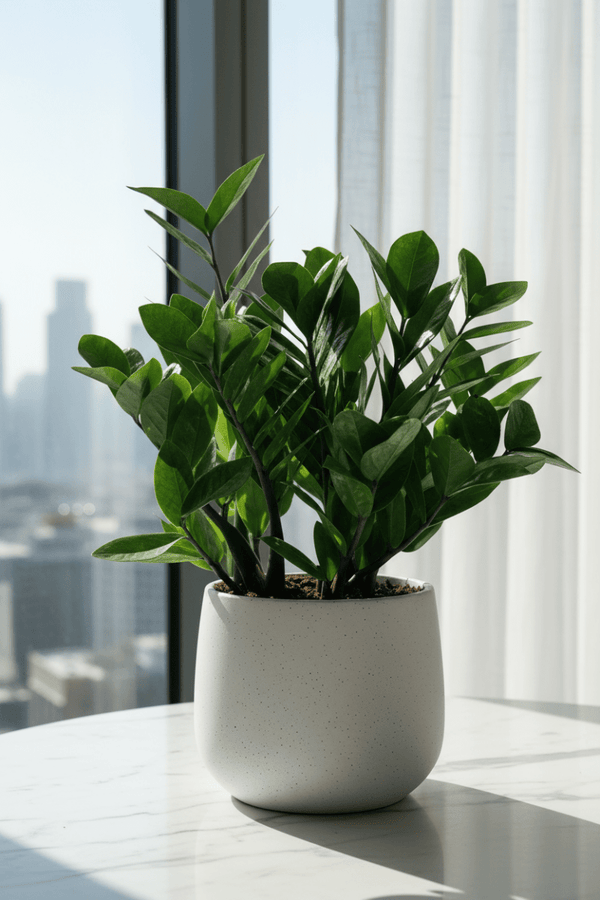
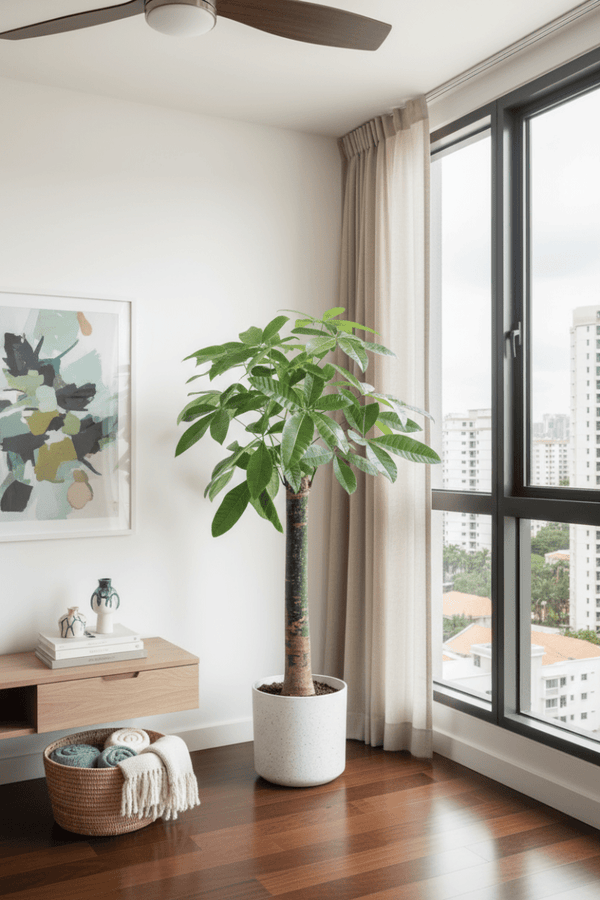
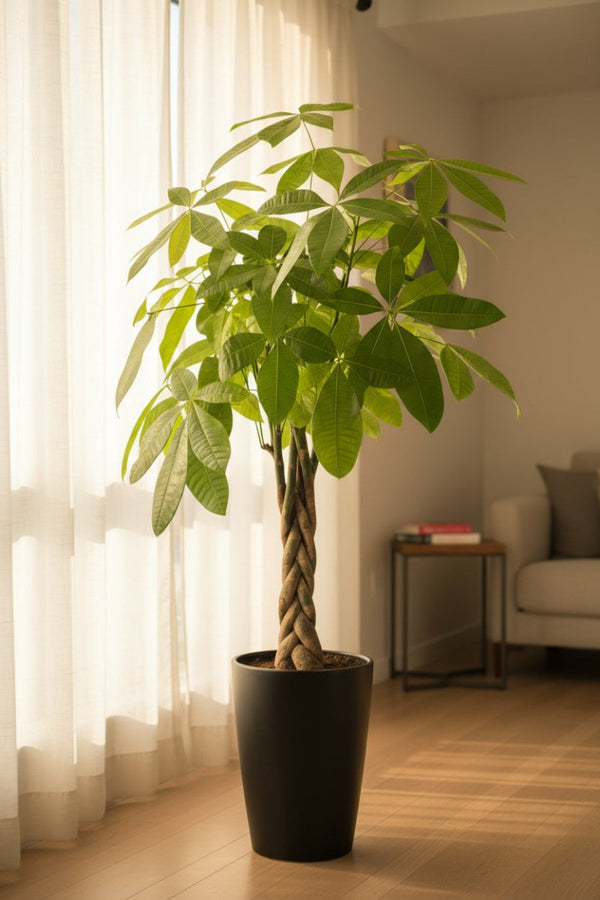
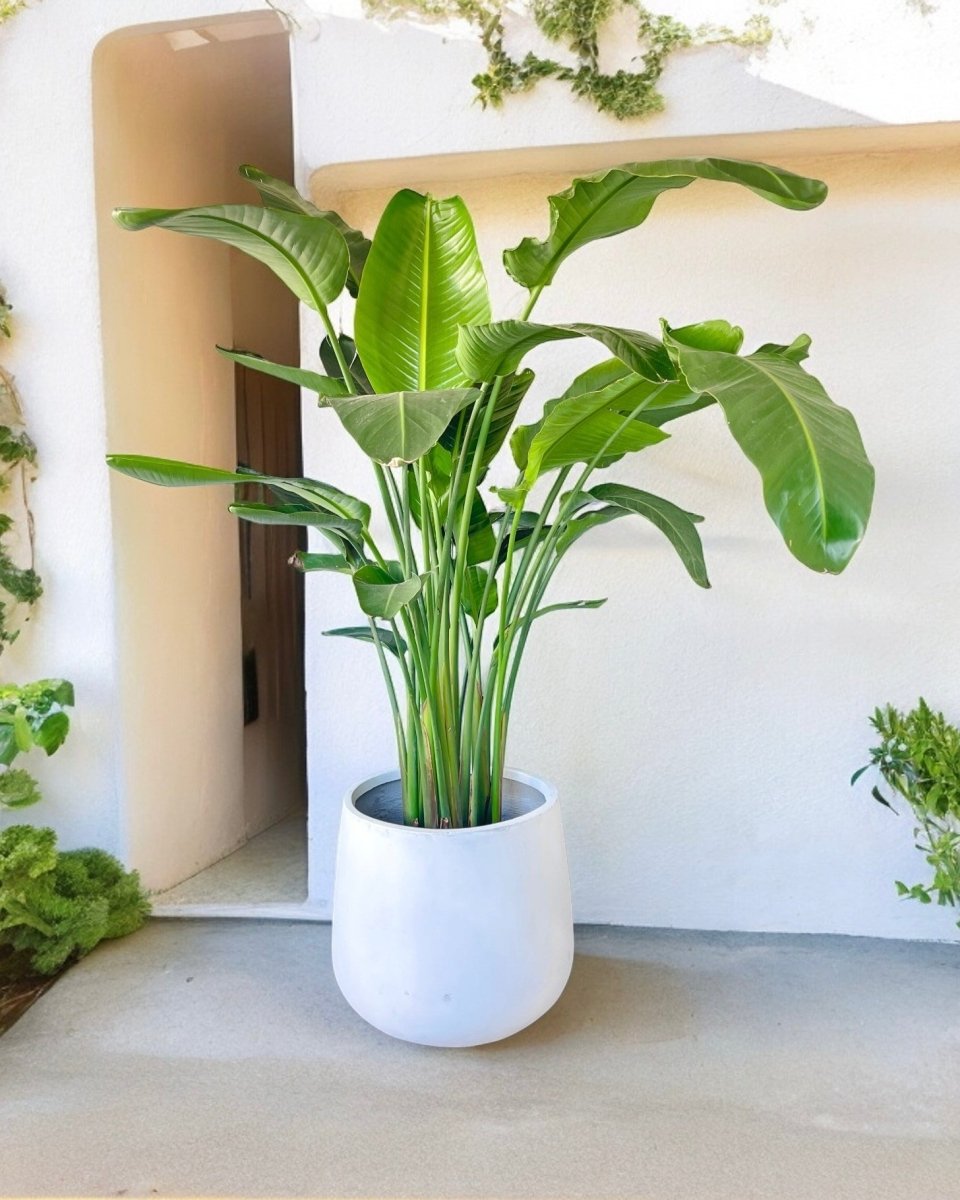
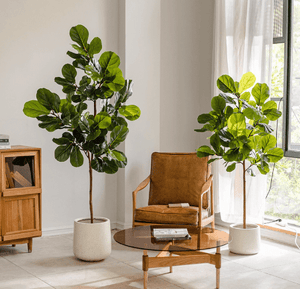
Try leafy statement plants that can hold their shape beside a window.
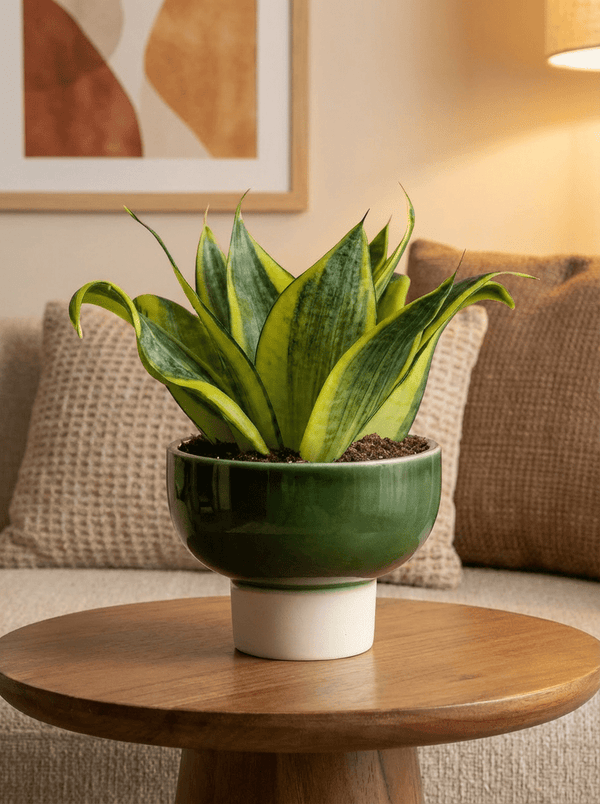
Use upright foliage for a tidy silhouette in living rooms or studies.
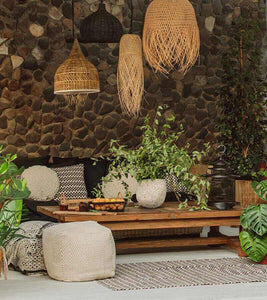
Pick plants suited to stronger light and protect the pot from direct downpours.
Drainage and care notes
Most decorative planters work best as cachepots: keep the plant in a nursery pot with drainage, then place it inside the decorative pot. After watering, let excess water drain away before returning the plant to its styled position. This helps prevent water from pooling unseen at the bottom, which is a common issue in humid Singapore homes.
If you prefer to pot directly into a planter, use a free-draining mix and check the moisture level before watering again. Bigger decorative pots can stay damp for longer than expected, especially in air-conditioned rooms or shaded corners.
Shop the featured planter

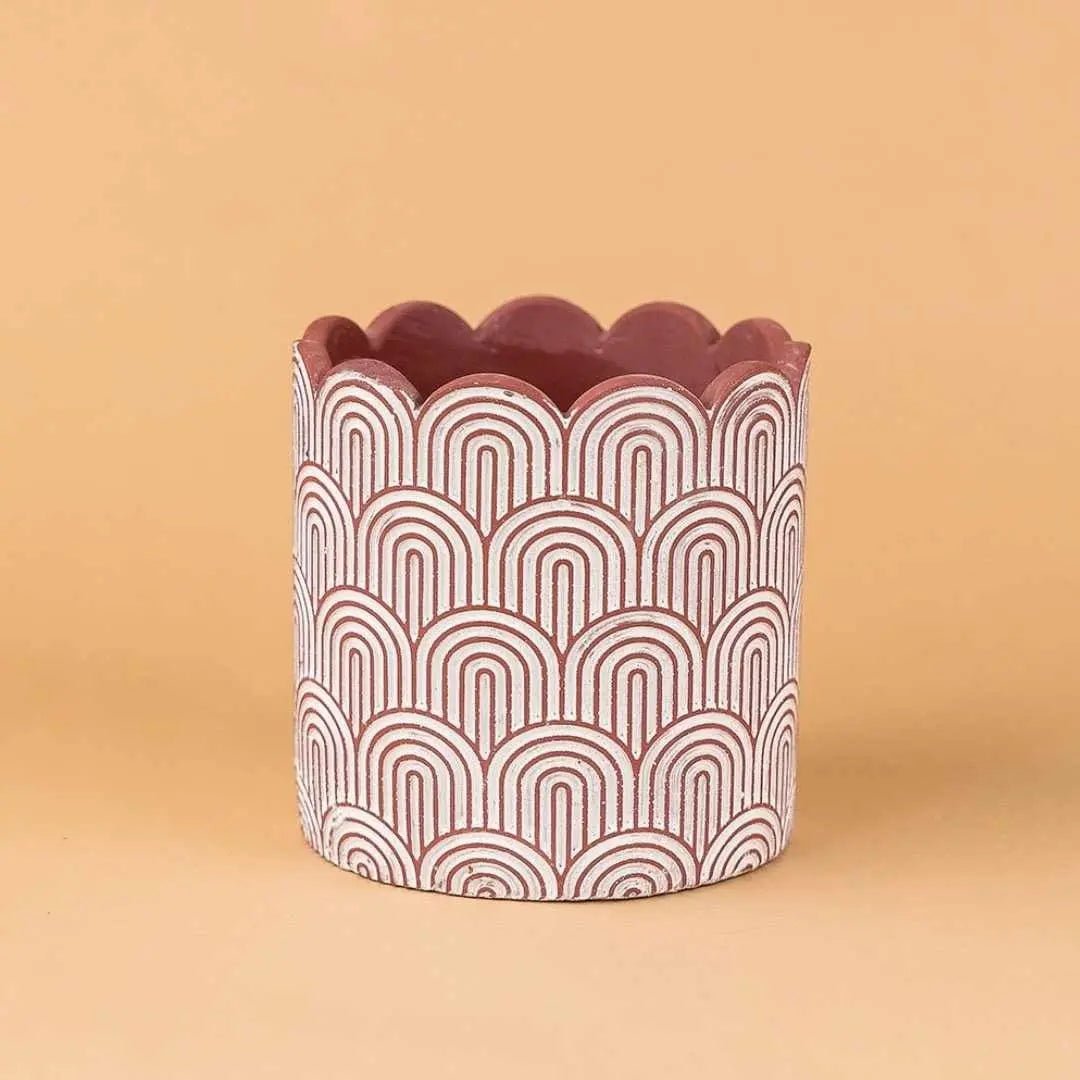
Roman Lattice Pot - Large
A patterned indoor planter for adding quiet texture to living-room corners, balcony doors and statement plant displays.
Shop NowComplete the corner with a plant from Tumbleweed's plant collection, or browse more decorative options in Plant Pots and Planters.
Styling checklist
- Let the lattice pattern be the main texture in the corner.
- Pair with a plant size that sits naturally above the rim.
- Keep drainage visible and easy to check after watering.
- Use nearby décor sparingly so the plant still feels calm.
FAQ: Roman Lattice Pot styling
Is a patterned planter too busy for a small HDB flat?
Not if the rest of the corner is kept simple. A single patterned pot can add warmth and detail without needing extra décor.
Should I plant directly into the decorative pot?
For easier care, many indoor plant parents keep the plant in a drainage nursery pot and use the decorative planter as a cachepot. This makes watering and root checks simpler.
What plant shape suits a lattice-style pot?
Full foliage, upright leaves and soft trailing stems can all work. The key is to match the plant's light needs to the spot before choosing the final look.
Can I use it on a balcony?
Yes, if the spot is sheltered and suitable for the plant. Avoid leaving decorative planters in heavy rain unless the drainage setup is clear.
Style a plant corner that feels finished
Choose a live plant, match it with the right pot, and keep the care routine simple.
Browse Plants