





















How Houseplants Improve Mental Health | Tumbleweed Plants Singapore
Posted on April 09 2026
In this article

The idea that plants are good for mental health is not just a wellness trend — it is supported by a growing body of research. Multiple studies have demonstrated that interaction with indoor plants reduces physiological and psychological stress, improves mood, enhances concentration, and supports overall wellbeing.
In Singapore, where many people spend 90% of their time indoors — in offices, homes, and transit — the mental health benefits of houseplants are particularly relevant. This is not about turning your flat into a jungle. Even a single plant on your desk has measurable effects.
The Research
Stress Reduction
A 2015 study published in the Journal of Physiological Anthropology had participants complete two tasks: a computer task and a plant-repotting task. Researchers measured heart rate variability and blood pressure. The result: the plant task significantly reduced physiological stress markers compared to the computer task, and participants reported feeling more comfortable and soothed.
A 2019 meta-analysis reviewing 42 studies confirmed that exposure to indoor plants consistently lowered cortisol levels, blood pressure, and heart rate — all physiological indicators of stress.
Mood Improvement
Research from the University of Hyogo (2019) found that simply having a small plant on an office desk improved workers' self-reported anxiety levels by 37% and reduced feelings of fatigue and hostility. The effects were observed even when participants did not actively interact with the plant — just having it in their visual field was enough.
Attention and Productivity
A widely cited 2014 study by Nieuwenhuis et al. found that enriching an office with plants increased productivity by 15%. The researchers attributed this to improved air quality, reduced stress, and the restorative effect of natural elements on attention — a concept known as Attention Restoration Theory.
Air Quality
While the famous 1989 NASA Clean Air Study is often overstated (you would need an impractical number of plants to significantly filter indoor air), plants do contribute to air quality in smaller ways: they increase humidity, absorb some volatile organic compounds, and produce oxygen. In tightly sealed Singapore apartments and offices, even modest improvements matter.
How Plants Support Mental Health

Nurturing and Purpose
Caring for a living thing provides a sense of purpose and routine. The daily or weekly ritual of checking soil moisture, watering, and observing growth creates a meditative, grounding practice. For people dealing with anxiety or depression, the simple structure of plant care can be therapeutic.
Mindfulness and Presence
Plants grow slowly. You cannot rush a new leaf. This forces a different temporal perspective — one that counters the urgency and instant gratification of digital life. Watching a Monstera leaf unfurl over three days teaches patience. Noticing the subtle changes in a plant's posture requires quiet attention — a form of mindfulness.
Connection to Nature (Biophilia)
Biophilia — the innate human need to connect with nature — is well-documented in environmental psychology. In heavily urbanised Singapore, where concrete dominates the landscape, indoor plants satisfy this need. They are a daily reminder that we are biological beings who evolved in green environments.
Sensory Engagement
Plants engage multiple senses in gentle, non-overwhelming ways:
- Visual: Green is the most restful colour for the human eye. The varied textures, shapes, and growth patterns of plants provide low-intensity visual stimulation.
- Tactile: The textures of leaves — smooth, fuzzy, thick, thin — offer grounding sensory input.
- Olfactory: Some plants release subtle natural scents that contribute to a calming environment.
Accomplishment and Growth
Successfully keeping a plant alive — and watching it grow — provides a tangible sense of achievement. In a world where much of our work is abstract and intangible (emails, reports, meetings), a thriving plant is a visible, physical accomplishment.
Plants for Specific Mental Health Benefits
For Stress Relief
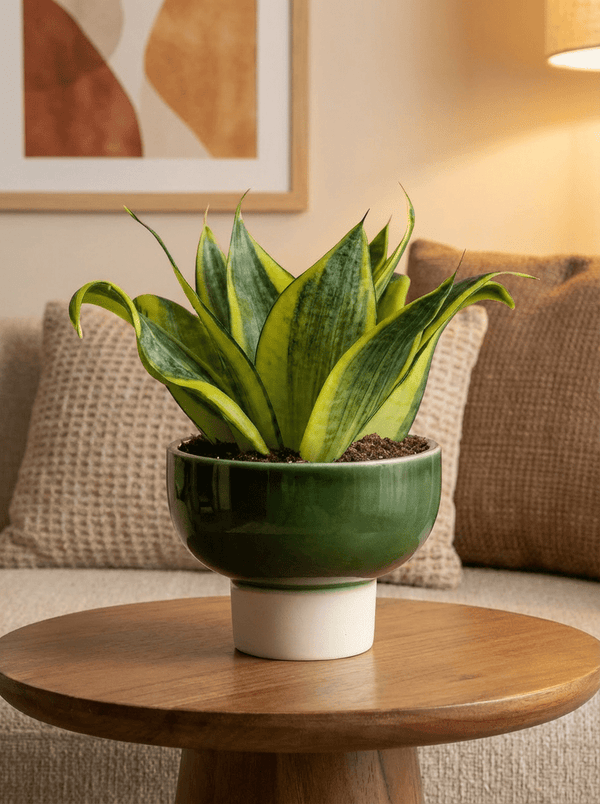
- Snake Plant — requires almost no attention, reducing care-related stress. Its upright form is visually calming.
- Peace Lily — the gentle white flowers create a serene atmosphere. Air-purifying properties support a clean environment.
- Lavender (if bright light is available) — the scent is clinically associated with reduced anxiety.
For Routine and Purpose
- Pothos — grows visibly fast, providing frequent evidence of successful care.
- Herbs (Basil, Mint) — daily watering ritual plus the reward of harvesting for cooking.
- Aglaonema — responds visually to care (droops when thirsty, perks up after watering) creating a feedback loop.
For Mindfulness and Patience
- Monstera — the slow unfurling of each new leaf (3-7 days from spike to full leaf) is a masterclass in patience.
- Bonsai — the practice of pruning and shaping requires meditative focus.
- String of Hearts — delicate, slow-growing, and rewards close observation.
For Productivity and Focus
- ZZ Plant — the glossy, structured appearance suits work environments. Zero distraction care requirements.
- Snake Plant — upright, orderly, and practically self-sufficient. The ideal desk plant.
- Philodendron — lush greenery that softens the visual harshness of screens and desks.
Practical Tips for Mental Health Benefits

Start Small
You do not need twenty plants. One plant on your desk or bedside table is enough to begin experiencing the benefits. Research shows that even a single plant in the visual field produces measurable stress reduction.
Choose Low-Maintenance Plants
The mental health benefits are negated if the plant becomes a source of stress. Choose something you cannot easily kill — Snake Plant, ZZ Plant, Pothos. As your confidence grows, add more.
Place Plants Where You Spend Time
The benefits require visual proximity. Put plants where you work, sleep, and relax:
- Desk: Where you stare at a screen all day
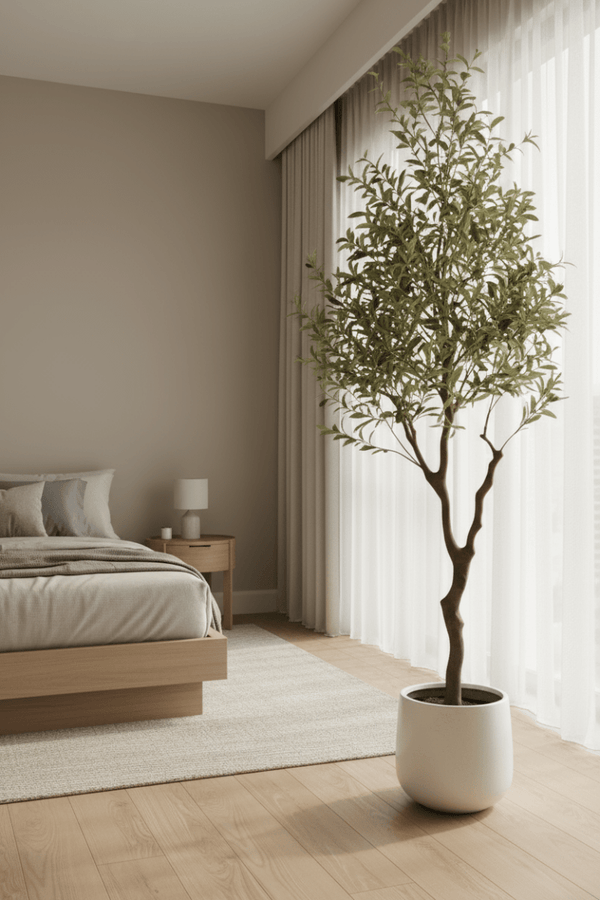
- Bedroom: The first thing you see in the morning and last thing at night
- Living room: Where you unwind in the evening
Engage With Your Plants
Passive exposure helps, but active care amplifies the benefits. Spend a few minutes each weekend checking your plants — touching the soil, rotating the pot, removing a dead leaf. This brief ritual of attention is grounding.
Do Not Guilt Yourself Over Plant Deaths
Plants die. Even experienced growers lose plants. A dead plant is a learning experience, not a personal failure. Replace it, adjust your approach, and move on. The psychological benefit comes from the process, not perfection.
Shop Plants for Wellbeing
Browse our indoor plant collection and find a plant that brings calm to your daily environment. We deliver healthy plants across Singapore — start with one, and let it grow into a habit that supports your mental health.
In a city that values productivity, efficiency, and progress, a houseplant is a quiet rebellion. It does not optimise your morning routine or boost your KPIs. It simply exists — growing slowly, asking for little, and reminding you that not everything needs to move at inbox speed. That alone is worth the shelf space.
Quick summary
Key Takeaways
- The Research
- How Plants Support Mental Health
- Plants for Specific Mental Health Benefits
- Practical Tips for Mental Health Benefits
- Shop Plants for Wellbeing
Ready to bring some green into your home?
Browse 250+ hand-picked plants, curated for Singapore homes — delivered to your door.
Browse All Plants →









Comments
0 Comments
Leave a Comment