



















Sustainable Plant Care: Eco-Friendly Gardening in Singapore
Posted on April 09 2026
In this article

Indoor gardening is inherently greener than most hobbies — you are literally growing living things. But the plant industry has its own environmental footprint: plastic pots, peat-based soils, synthetic fertilisers, and chemically treated pesticides all contribute to waste and pollution.
Table of Contents

As Singapore pushes toward its Green Plan 2030 targets, plant parents can contribute by making more sustainable choices in how they grow, maintain, and expand their collections.
The Environmental Footprint of Indoor Gardening
Before improving, it helps to understand where the impact lies:
Plastic pots: Most nursery plants come in single-use plastic pots. Singapore's horticultural industry produces thousands of these weekly.
Peat moss: A common soil component harvested from peat bogs — ecosystems that take thousands of years to form and store massive amounts of carbon. Peat extraction releases CO2 and destroys habitats.
Synthetic fertilisers: Production is energy-intensive, and excess runoff from outdoor use contributes to waterway pollution.
Pesticides: Chemical pest treatments can harm beneficial insects and contaminate soil and water.
Shipping: Imported plants and supplies travel long distances, accumulating carbon miles.
Sustainable Soil Practices

Replace Peat With Coco Coir
Coco coir (coconut fibre) is a renewable byproduct of the coconut industry. It offers similar water retention and aeration properties to peat moss without the environmental damage.
Advantages:
- Renewable and widely available in Southeast Asia
- Neutral pH (peat is acidic)
- Excellent water retention
- Biodegradable
- Often cheaper than peat in Singapore
How to use: Substitute coco coir 1:1 wherever a recipe calls for peat moss.
Make Your Own Compost
Singapore generates over 800,000 tonnes of food waste annually. Home composting diverts kitchen waste from incineration while producing nutrient-rich soil amendment.
Easy composting for HDB/condo living:
Bokashi composting: An anaerobic fermentation method that works in sealed bins indoors. Processes all food waste (including meat and dairy) in 2-4 weeks. Compact enough for an HDB kitchen.
Vermicomposting: Red wiggler worms process food scraps into rich worm castings. Odourless when managed properly. Works in a small bin under the kitchen sink or on the balcony.
Community composting: Several Singapore organisations run community composting programmes where you can drop off food waste and pick up finished compost. Check NParks Community Gardens for locations near you.
Reuse and Refresh Soil
Instead of discarding old potting mix after repotting, rejuvenate it:
- Spread old soil on a tray and let it dry in the sun (this sterilises it)
- Remove old roots and debris
- Mix in fresh compost, perlite, and a handful of slow-release organic fertiliser
- Reuse for non-sensitive plants
Plastic-Free and Low-Waste Potting
Alternatives to Plastic Pots
Terracotta: Durable, breathable, recyclable, and biodegradable (eventually). The most sustainable traditional pot material.
Cement/Concrete: Long-lasting and heavy (good for stability). Can be made from recycled materials.
Coconut coir pots: Biodegradable pots made from pressed coco coir. Plant directly into the ground or a larger pot — the pot decomposes naturally.
Upcycled containers: Tin cans, glass jars (drill drainage holes), wooden boxes, old teapots — creativity is the only limit. Drill drainage holes in any repurposed container.
Fabric pots: Breathable fabric growing bags promote air pruning of roots. Washable, reusable, and foldable for storage.
Reduce, Reuse, Recycle Pots
Collect and reuse nursery pots. Wash plastic nursery pots and reuse them for propagation or when repotting. A single nursery pot can serve for years.
Return pots to nurseries. Some Singapore nurseries accept clean used pots for reuse. Ask at your local nursery.
Organise pot swaps. Bring unwanted pots to plant swap events. One person's outgrown 6-inch pot is another's perfect next size up.
Organic Pest Control

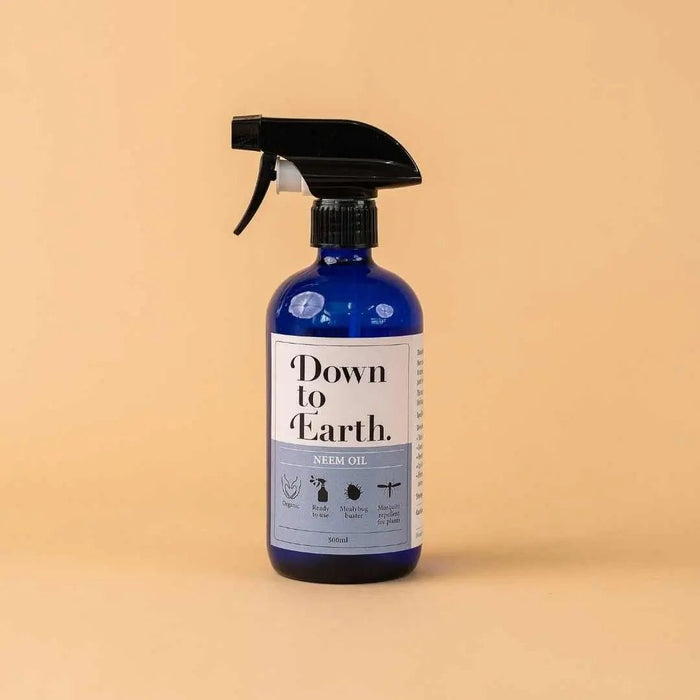
Neem Oil
The gold standard organic pesticide. Neem oil disrupts insect feeding and reproduction without harming plants, humans, or pets.
Singapore recipe:
- 5ml neem oil
- 2ml liquid castile soap (as emulsifier)
- 1 litre water
- Mix well and spray on affected plants, covering all leaf surfaces
- Apply in the evening (neem breaks down in direct sunlight)
- Repeat weekly until pests are gone
Insecticidal Soap
A simple soap-and-water solution suffocates soft-bodied pests like aphids, mealybugs, and spider mites.
Recipe:
- 5ml liquid castile soap (not dish soap — it contains additives that can harm plants)
- 1 litre water
- Spray directly on pests
- Rinse leaves after a few hours
Biological Controls
Ladybugs eat aphids voraciously. While impractical for indoor plants, they are excellent for balcony and garden use.
Bacillus thuringiensis (BT) is a naturally occurring bacteria that targets caterpillars without affecting other organisms. Available at Singapore garden centres.
Physical Removal
For small infestations, manual removal is the most sustainable approach:
- Wipe mealybugs with rubbing alcohol on a cotton bud
- Pick caterpillars by hand
- Blast aphids off with a strong jet of water
- Trap fungus gnats with yellow sticky traps
Water Conservation
Singapore values water as a precious resource. Plant parents can contribute:
Collect rainwater. A simple bucket on the balcony during a downpour collects litres of free, chlorine-free water that plants love.
Reuse kitchen water. Water from rinsing vegetables or boiling pasta (cooled) is safe for plants and contains mild nutrients.
Self-watering pots. Reduce water waste by delivering moisture directly to roots. No runoff, no over-pouring.
Mulch soil surfaces. A layer of pebbles, bark, or dried leaves on top of soil reduces evaporation. Your plants need watering less frequently.
Water in the morning. Early watering reduces evaporation losses compared to afternoon watering in Singapore's heat.
Sustainable Fertilising
Compost Tea
Steep finished compost in water for 24-48 hours. Strain and use the liquid to feed plants. Free, organic, and waste-reducing.
Banana Peel Fertiliser
Chop banana peels and soak in water for a week. The resulting liquid is rich in potassium — good for flowering plants. Dilute 1:5 before use.
Eggshell Calcium
Crush dried eggshells and sprinkle on soil. Provides slow-release calcium — beneficial for plants that prefer slightly alkaline conditions.
Worm Castings
If you vermicompost, worm castings are the ultimate organic fertiliser. Rich in nutrients, beneficial microbes, and humic acids. Mix into soil or brew into a tea.
Supporting Local and Sustainable Growers
Buy Local
Plants grown in Singapore are already adapted to our climate and have not travelled thousands of kilometres. They are less likely to carry foreign pests and diseases.
Where to find local growers:
- Community garden sales
- Instagram plant sellers
- Facebook plant groups
- Farmers markets
- Neighbourhood nurseries
Propagate and Share
Every plant you propagate is one less that needs to be commercially grown and shipped. Share cuttings with friends, participate in plant swaps, and grow your collection sustainably.
Choose Slow-Grown Over Fast-Grown
Mass-produced plants are often force-fed chemical fertilisers and growth regulators for fast turnover. Plants from small, conscientious growers may cost more but tend to be healthier and more sustainably produced.
Final Thoughts
Sustainable plant care does not require perfection — it requires intention. Replace peat with coco coir. Reuse a pot instead of buying new. Try neem oil before reaching for chemical pesticides. Collect rainwater. Compost your food scraps.
Each small choice reduces your footprint while deepening your connection to the living things you care for. That alignment between values and practice is what makes sustainable gardening so rewarding.
For sustainably grown plants and eco-friendly supplies, visit Tumbleweed Plants. Browse our plant care blog for more guides on thoughtful plant keeping.
Sustainable Plant Care: Eco-Friendly Gardening in Singapore
Quick Summary · Tumbleweed Plants Singapore
Ready to bring some green into your space?
Free same-day delivery across Singapore · 30-day plant guarantee
Browse All Plants →Quick summary
Key Takeaways
- The Environmental Footprint of Indoor Gardening
- Sustainable Soil Practices
- Plastic-Free and Low-Waste Potting
- Organic Pest Control
- Water Conservation
- Sustainable Fertilising
Ready to bring some green into your home?
Browse 250+ hand-picked plants, curated for Singapore homes — delivered to your door.
Browse All Plants →









Comments
0 Comments
Leave a Comment