















Syngonium Care Guide: The Arrowhead Plant That Adapts to Almost Any Home
Posted on April 17 2026
In this article

---
The Syngonium — commonly called the arrowhead plant or arrowhead vine — is one of those plants that manages to be simultaneously underrated and everywhere. It is in offices, waiting rooms, and corner shelves across Singapore and the world, tolerated for its easy care and overlooked for its genuine beauty.
That oversight is increasingly hard to justify. Modern Syngonium varieties span from classic green to deep burgundy, blush pink, near-white, and multicoloured variegation — and a well-grown syngonium in a hanging basket or climbing a moss pole is a genuinely attractive plant by any standard.
Singapore advantage: Syngoniums are tropical plants native to Central and South America — which means Singapore year-round warmth and humidity suits them perfectly. They grow actively all 12 months, root cuttings quickly, and thrive in the kind of humid conditions that make temperate-climate growers work hard to replicate.
---
What Is a Syngonium?
Syngoniums (Syngonium podophyllum and related species) are aroids in the family Araceae — relatives of monsteras, philodendrons, and alocasias — native to tropical regions of Central and South America.
Their common name comes from their distinctive leaf shape: juvenile plants produce clean arrowhead-shaped leaves; mature plants on a support structure develop leaves that begin to split and lobulate, taking on a more complex form. The transformation from simple juvenile leaves to complex mature leaves is part of what makes syngoniums interesting to grow over time.
---
Popular Syngonium Varieties

Syngonium podophyllum White Butterfly — The most widely sold variety. Pale green to nearly white leaves with soft green venation. Compact and elegant.
Syngonium podophyllum Neon Robusta — Soft pink-tinged leaves that deepen in brighter light. One of the most popular pink houseplants available in Singapore.
Syngonium podophyllum Albo Variegatum — White-and-green variegation; highly sought-after collector variety.
Syngonium podophyllum (Green) — The classic: solid medium-green arrowhead leaves. The most light-tolerant and forgiving variety.
Syngonium Confetti — Pink-speckled variegation across green leaves. Unusual and striking.
Syngonium podophyllum Red Spot — Green leaves with pink-red splotches and spots.
The pink and variegated varieties need more light to maintain their colouration; green varieties are the most light-tolerant.
---
Growing Syngonium in Singapore
Singapore tropical climate is ideal for syngoniums. Key Singapore-specific considerations:
- Year-round active growth: Syngoniums grow continuously in Singapore — no dormant season. This means faster propagation, more frequent feeding needs, and quicker recovery from problems.
- HDB and condo placement: Green varieties do well in north-facing HDB rooms or corridors with ambient indirect light. Pink and variegated varieties benefit from an east-facing window for gentle morning sun to maintain their colouration.
- Humidity advantage: Singapore ambient humidity (75–85%) is naturally ideal for syngoniums. No humidifier needed in most homes — even pink and variegated varieties benefit from this naturally humid environment.
- Air-con considerations: Heavy air-con use drops indoor humidity. Pink and variegated varieties may show brown leaf edges in very dry air-con environments. Position away from direct vent airflow.
---
Light Requirements

Green varieties: Low to bright indirect light — one of the best low-light performers available in Singapore
Pink and variegated varieties: Medium to bright indirect light to maintain colour
Like Chinese evergreens, syngoniums follow the rule: the more colourful or pale the variety, the more light it needs. Green varieties will grow (slowly) in conditions that would turn pink varieties entirely green.
Avoid: Prolonged direct Singapore afternoon sun on pale or variegated leaves — the sun scorches the lighter-pigmented areas first.
---
Watering
Frequency: Every 1–2 weeks in Singapore conditions; when the top 1–2 inches of soil are dry
Syngoniums prefer consistent moisture but do not want to stay wet. They tolerate brief drought better than many tropical plants but will droop if allowed to dry completely. The drooping is not permanent — they recover quickly after watering.
Overwatering leads to the usual: yellow leaves, mushy stems at the base, root rot. Water thoroughly, let drain, check before the next watering.
Singapore tip: In Singapore heat, soil tends to dry faster than in temperate climates. However, in heavily air-conditioned rooms, drying can slow considerably. Always check the soil rather than following a fixed schedule.
---
Soil, Temperature, and Humidity

Soil: Well-draining mix — standard potting mix with 20–30% perlite
Temperature: Singapore year-round 26–32 degrees C is ideal for syngoniums — no cold weather concerns unless air-con runs consistently below 18 degrees C
Humidity: Singapore natural ambient humidity (75–85%) is excellent for all varieties. Pink and variegated varieties particularly benefit from this natural humidity compared to drier temperate climates.
---
Growth Habit: Compact vs. Climbing
Syngoniums are naturally vining plants that climb in the wild. Indoors, they can be managed two ways:
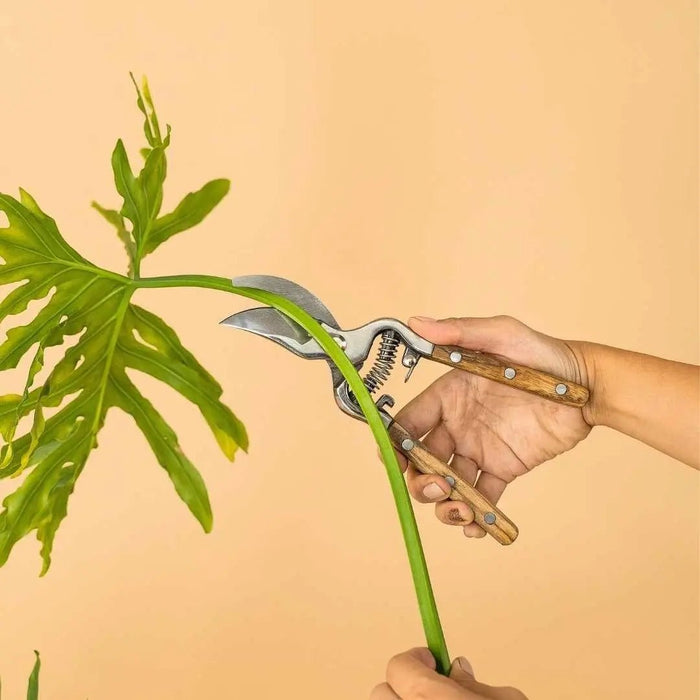
Compact/bushy: Prune trailing stems regularly. The plant stays full and compact. Juvenile arrow-shaped leaves dominate.
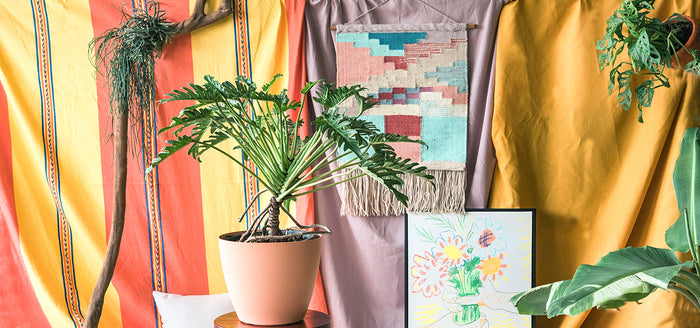
Climbing/trailing: Provide a moss pole or let trail from a hanging basket. With a climbing support, leaves become progressively larger and begin to develop splits and lobes as they mature — the more impressive adult form.
Both approaches work. Pruned syngoniums look fuller and more controlled; climbing syngoniums show more dramatic leaf development. Choose based on your Singapore home space and aesthetic.
---
Fertilizing
Monthly year-round in Singapore with balanced liquid fertilizer at half strength. There is no dormant season here — syngoniums grow actively all 12 months. Consistent monthly feeding keeps growth vigorous and maintains the colour intensity that makes pink and variegated varieties so desirable.
---
Propagating Syngoniums
Syngoniums root very easily from stem cuttings in water:
- Take a 4–6 inch stem cutting with at least 1–2 nodes
- Remove the lower leaf to expose the node
- Place in water (node submerged, leaves above)
- Roots appear in 1–3 weeks (often faster in Singapore warmth — sometimes 10–14 days)
- Pot up once roots reach 1–2 inches
The fast, reliable rooting makes syngoniums excellent plants for propagation practice and sharing. Singapore warm temperatures accelerate the rooting process compared to temperate climates.
---
Toxicity
Syngoniums are toxic to cats, dogs, and humans — they contain calcium oxalate crystals (same as pothos and philodendrons) that cause oral irritation if ingested. Keep out of reach of pets and children.
---
Common Problems
Yellow leaves: Overwatering — the most common issue. Let soil dry further; improve drainage.
Loss of pink or white colouration: Insufficient light. Move to a brighter position with more indirect light.
Leggy growth: Not enough light. Move closer to a window or add a grow light.
Brown leaf tips: Low humidity in heavily air-conditioned rooms, or fluoride in water. Move away from direct aircon airflow; switch to filtered or overnight-rested water.
Root rot: Overwatering combined with poor drainage. Trim rotted roots, repot in fresh mix.
---
Why Syngonium Belongs in More Singapore Collections
Syngoniums offer a combination that is hard to find elsewhere: genuine colour variety (from near-white to deep pink to traditional green), forgiving care requirements, fast growth, easy propagation, and the interesting developmental trajectory from simple juvenile leaves to complex mature ones.
In Singapore, these qualities are amplified. The year-round warmth means faster growth and quicker recovery. The natural humidity suits even the more demanding pink and variegated varieties without extra effort. And the continuous growing season means a syngonium you plant in any month will be visibly larger and more impressive within weeks.
The best argument for a syngonium in your Singapore collection: it is a plant that rewards you for staying with it. A syngonium that has been growing for a year, given space to climb or trail, looks dramatically more interesting than the small pot it came in. It is one of those plants that earns more appreciation over time.
---
Browse our syngonium collection at Tumbleweed Plants Singapore — green, White Butterfly, Neon Robusta, and variegated varieties in 4 inch and 6 inch pots. All clearly labelled with their light requirements. Delivered islandwide with same-week shipping.
---
Quick summary
Key Takeaways
- What Is a Syngonium?
- Popular Syngonium Varieties
- Growing Syngonium in Singapore
- Light Requirements
- Watering
- Soil, Temperature, and Humidity
Ready to bring some green into your home?
Browse 250+ hand-picked plants, curated for Singapore homes — delivered to your door.
Browse All Plants →