














Syngonium Care Guide for Singapore
Posted on April 09 2026
In this article

Syngonium — commonly called the Arrowhead Plant or Arrowhead Vine — is one of the most versatile and rewarding houseplants for Singapore homes. Its arrow-shaped leaves come in an extraordinary range of colours, from classic green to pink, white, and even near-black, and the plant adapts to almost any indoor condition you throw at it.
Whether you want a compact tabletop plant or a lush trailing vine, Syngonium delivers both with minimal fuss.
Why Syngonium Is Perfect for Singapore
Syngonium podophyllum is native to the tropical rainforests of Central and South America. It grows as an understory climbing vine — which maps perfectly onto Singapore's indoor conditions:
- Tolerates the moderate light levels typical of HDB flats
- Thrives in our ambient humidity
- Grows year-round in Singapore's consistent warmth
- Adapts to air conditioning better than many tropicals
- Compact when young, trailing or climbing as it matures — you choose its form
Popular Syngonium Varieties

Syngonium White Butterfly
The classic variety. Pale green leaves with white centres that intensify in bright light. Widely available and affordable in Singapore.
Syngonium Pink Perfection
Soft pink leaves that maintain colour well even in moderate light. One of the most popular pink houseplants in Singapore.
Syngonium Neon Robusta
Vivid pink leaves — brighter and more saturated than Pink Perfection. A standout accent plant.
Syngonium Milk Confetti
Green leaves splashed with random pink and cream variegation. Each leaf is unique, making it a collector's favourite.
Syngonium Albo Variegatum
Green and white variegated leaves. Highly sought after, similar in appeal to Monstera Albo but far more affordable and easier to grow.
Syngonium Mojito
Green leaves with splashes of light green and cream in an irregular camouflage pattern. Distinctive and increasingly popular.
Syngonium Erythrophyllum (Red Arrow)
Dark, almost black leaves with a velvety texture and red undersides. Dramatic and unusual.
Light Requirements
Syngonium is remarkably adaptable to different light conditions, though the ideal varies by variety.
Green varieties (White Butterfly, Green): Tolerate low to bright indirect light. Genuinely flexible — will grow in most Singapore apartments.
Pink varieties (Neon Robusta, Pink Perfection): Need moderate to bright indirect light to maintain pink colouring. In low light, leaves revert toward green.
Variegated varieties (Albo, Milk Confetti): Need bright indirect light. White and cream sections contain less chlorophyll and need more light to sustain the plant.
For all varieties, avoid:
- Direct afternoon sun (scorches leaves)
- Complete darkness (will become leggy and lose colour)
Singapore tip: East-facing windows provide ideal light for most Syngonium varieties. For pink and variegated types, supplement with a few hours near a brighter window.
Watering

Syngonium likes consistent moisture without waterlogging — similar to Philodendron and Pothos in its preferences.
Frequency in Singapore:
- Every 5-7 days in naturally ventilated rooms
- Every 4-5 days in air-conditioned rooms
- Allow top 2-3cm of soil to dry between waterings
Method: Water thoroughly until it drains from the bottom. Empty the saucer after 30 minutes.
Overwatering signs: Yellow lower leaves, mushy stems, soil staying wet for over a week
Underwatering signs: Drooping leaves (recover quickly after watering), dry crispy edges
Water quality: Singapore tap water is fine. Syngonium is not sensitive to minerals or chlorine.
Soil Mix
A well-draining aroid mix works perfectly:
- 40% potting soil
- 30% perlite
- 20% orchid bark
- 10% charcoal
Standard potting soil alone retains too much moisture for Singapore's humidity. The added perlite and bark ensure roots stay aerated.
Humidity

Singapore's ambient humidity (70-90%) is ideal for Syngonium. No special measures needed in naturally ventilated spaces.
In air-conditioned rooms: Syngonium tolerates lower humidity better than many tropicals, but if you notice crispy leaf edges, group plants together or add a pebble tray.
Growth Habit and Training
This is what makes Syngonium uniquely versatile:
As a compact bush: Regularly pinch or trim growing tips to encourage branching. The plant stays bushy and full, perfect for tabletops and desks.
As a trailing vine: Let stems grow freely and they cascade from shelves and hanging baskets. Mature trailing stems can reach 1-2 metres.
As a climbing vine: Provide a moss pole, trellis, or wooden plank. When Syngonium climbs, leaves grow larger and develop more mature, lobed shapes — a fascinating transformation from the juvenile arrow form.
The leaf transformation: Young Syngonium leaves are simple arrows. As the plant matures (especially when climbing), leaves develop multiple lobes, sometimes splitting into 5-7 segments. This metamorphosis is one of the most interesting features of the genus.
Fertilising
Syngonium is a moderate feeder:
- Balanced liquid fertiliser (20-20-20) at half strength
- Every 2-4 weeks during active growth (year-round in Singapore)
- Reduce to monthly if growth slows
- Skip fertilising stressed or newly repotted plants
Propagation
One of the easiest plants to propagate — an excellent choice for beginners and for sharing with friends.
Water Propagation
- Cut a stem section with at least one node and one leaf
- Place in a glass of water with the node submerged
- Change water every 3-5 days
- Roots appear in 1-3 weeks in Singapore's warmth
- Pot in soil when roots are 5-8cm long
Soil Propagation
- Cut a stem with a node
- Plant directly in moist potting mix with the node buried
- Keep soil moist and place in bright indirect light
- New growth appears in 2-4 weeks
Division
Mature, bushy plants can be divided during repotting:
- Gently separate into sections, each with stems and roots
- Pot each section in fresh mix
- Water lightly and keep in indirect light
Common Problems
Leggy Growth
Long stems with sparse leaves indicate insufficient light. Move to a brighter spot. Trim leggy stems to promote bushier growth — root the cuttings for more plants.
Yellowing Leaves
Occasional lower leaf yellowing is natural. Widespread yellowing suggests overwatering. Check soil moisture and drainage.
Brown Leaf Tips
Usually low humidity (common in air-conditioned rooms) or inconsistent watering. Trim brown tips with clean scissors for aesthetics.
Pests
Syngonium occasionally attracts:
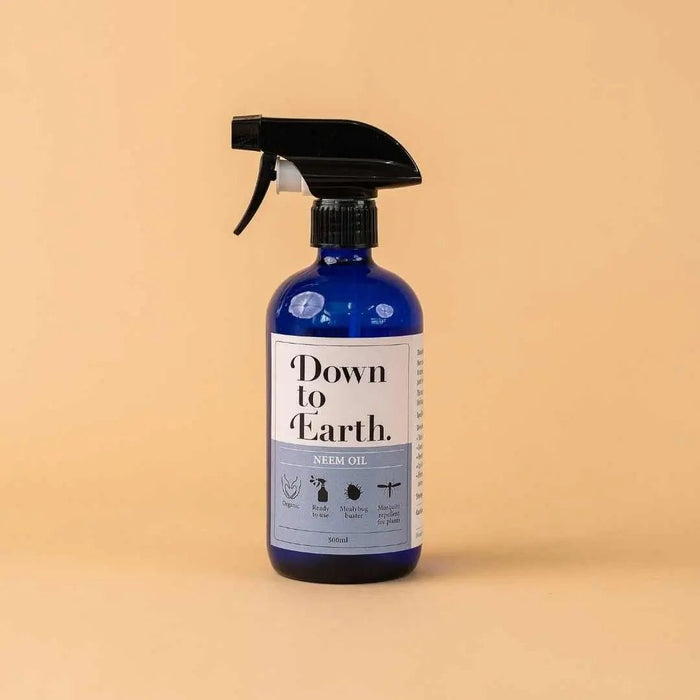
- Spider mites: Fine webbing on leaf undersides. Spray with neem oil.
- Mealybugs: White cottony clusters. Wipe with rubbing alcohol.
- Aphids: Small green insects on new growth. Spray with insecticidal soap.
Loss of Variegation
Pink and white varieties losing colour is almost always a light issue. Move to brighter indirect light. If new growth is all green, prune back to the last variegated leaf — this encourages the plant to produce new variegated growth.
Styling Ideas
Desktop colour pop: A Neon Robusta in a white pot adds instant pink to a home office.
Shelf cascade: Let White Butterfly trail from a floating shelf for a lush, effortless look.
Climbing statement: Train an Albo up a moss pole for a living artwork that gets more impressive with age.
Bathroom accent: Syngonium loves bathroom humidity. A small pot on the vanity thrives with minimal attention.
Mixed planting: Combine green, pink, and variegated varieties in a single wide planter for a Syngonium colour garden.
Final Thoughts
Syngonium is the plant that does everything well. It tolerates low light but rewards bright light with stunning colour. It stays compact when pruned but cascades or climbs when allowed to grow. It propagates in minutes and adapts to virtually any Singapore home.
For beginners, it is one of the most forgiving first plants. For collectors, the variety range — from common White Butterfly to rare Albo — offers a satisfying progression. For everyone, it is a plant that gives far more than it asks.
Find your perfect Syngonium at Tumbleweed Plants.
Quick summary
Key Takeaways
- Why Syngonium Is Perfect for Singapore
- Popular Syngonium Varieties
- Light Requirements
- Watering
- Soil Mix
- Humidity
Ready to bring some green into your home?
Browse 250+ hand-picked plants, curated for Singapore homes — delivered to your door.
Browse All Plants →