















Syngonium Care Guide for Singapore | Tumbleweed Plants Singapore
Posted on April 15 2026
In this article

Syngonium — commonly called the Arrowhead Plant or Arrowhead Vine — is one of the most versatile and rewarding houseplants for Singapore homes. Its arrow-shaped leaves, compact bushy growth (when young), and eventual trailing or climbing habit give you a plant that changes character as it matures. Young Syngoniums are tight, bushy desk plants. Mature Syngoniums are dramatic climbers or trailers that can cover a moss pole or cascade from a high shelf.
Add to this an extraordinary range of colours — green, pink, white, cream, variegated, and near-red — and you have a plant that is as diverse as it is easy to grow. In Singapore's warm, humid climate, Syngonium grows vigorously and with minimal fuss.
Popular Varieties
Syngonium podophyllum 'White Butterfly' — The classic. Light green leaves with creamy white centres. Widely available and reliable.
Syngonium 'Pink Allusion' — Soft pink leaves with green edges and pink veins. One of the most popular pink houseplants.
Syngonium 'Neon Robusta' — Vivid pink, almost neon. The most intensely coloured pink variety. Stunning in bright indirect light.
Syngonium 'Maria Allusion' — Dark green with bronze and pink tones. Deeper, moodier colouring.
Syngonium 'Milk Confetti' — Green leaves with scattered pink and cream speckles. Each leaf is unique.
Syngonium 'Albo Variegatum' — Green and white variegation. More stable variegation than many other variegated plants.
Syngonium 'Mojito' — Green leaves with splashes and speckles of lighter green. Subtle and elegant.
Light

Bright indirect light — Ideal. Produces the most vivid colours (especially in pink and variegated varieties), compact growth, and fastest development.
Medium indirect light — Good. Growth slows slightly, and pink/white varieties may lose some colour intensity, becoming more green.
Low light — Tolerated. Syngonium is more shade-tolerant than many tropical plants. It will survive in low light but growth is slow and variegation/colour will fade. Green varieties handle low light best.
Direct sun — Avoid. Burns the thin leaves, especially on pink and white varieties. Filtered morning sun (before 9am) is tolerable.
Colour and light relationship: Pink and white Syngonium varieties need brighter light to maintain their colour. In low light, they revert to more green. If your pink Syngonium is turning green, it needs more light.
Watering
Schedule in Singapore:
- Water when the top 2-3cm of soil is dry
- Every 4-6 days in naturally ventilated rooms
- Every 6-8 days in air-conditioned rooms
Technique: Water thoroughly until water drains from the bottom. Syngonium prefers consistent moisture but tolerates brief dry periods. It communicates dryness clearly — leaves droop when thirsty and perk up within hours of watering.
Overwatering signs: Yellow leaves (especially lower ones), mushy stems, root rot.
Underwatering signs: Drooping leaves, crispy edges, slowed growth.
Humidity

Singapore advantage: Our 70-80% ambient humidity is excellent for Syngonium. The plant responds with larger leaves and more vigorous growth in high humidity.
Air-conditioned rooms (50-60%): Adequate. Syngonium is more tolerant of lower humidity than closely related plants like Philodendron or Alocasia.
Boosting humidity: If you want maximum leaf size and growth, group Syngonium with other plants or use a pebble tray.
Soil
Well-draining and airy:
- 50% quality potting mix
- 25% perlite
- 25% orchid bark or coco coir
Syngonium is not fussy about soil. As long as it drains well and does not compact heavily, the plant will be happy.
Temperature

Singapore's 26-32°C is within Syngonium's ideal range (16-30°C). No temperature concerns in normal conditions.
AC rooms (22-25°C): Fine. Avoid placing directly in cold drafts from AC vents.
Fertilising
- Balanced liquid fertiliser at half strength every 4-6 weeks during active growth
- Moderate feeder — responds well to regular fertilising with larger leaves and more vibrant colour
- Reduce during slower growth periods (minimal in Singapore's consistent climate)
Growth Habit: Bushy vs. Climbing vs. Trailing
Syngonium changes dramatically as it matures:
Young Plant (Bushy)
Compact, bushy, with arrow-shaped leaves on short stems. This is the form most commonly sold. It stays this way if you prune regularly.
Mature Plant (Climbing)
Left unpruned, Syngonium develops longer stems and begins to climb or trail. The leaves also change shape — mature leaves develop more lobes, becoming palmate (hand-shaped) rather than arrow-shaped. This mature leaf form is dramatic and quite different from the juvenile plant.
Your Options
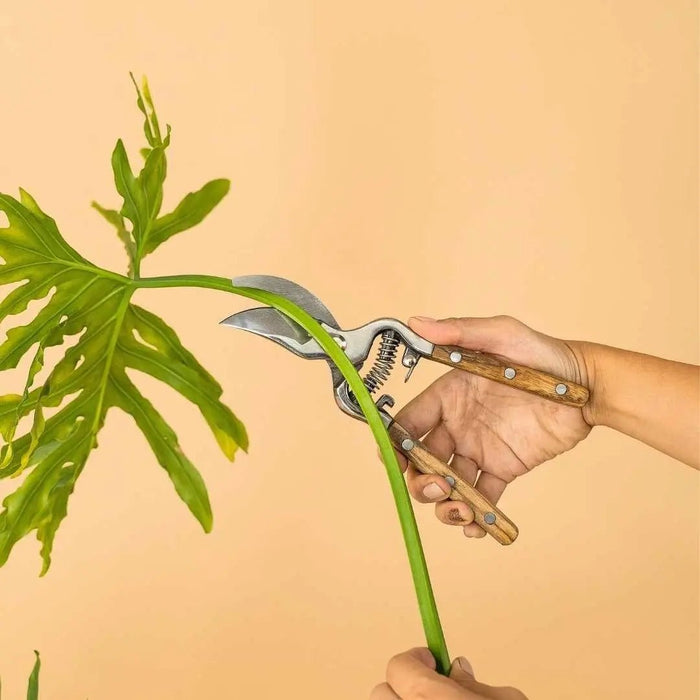
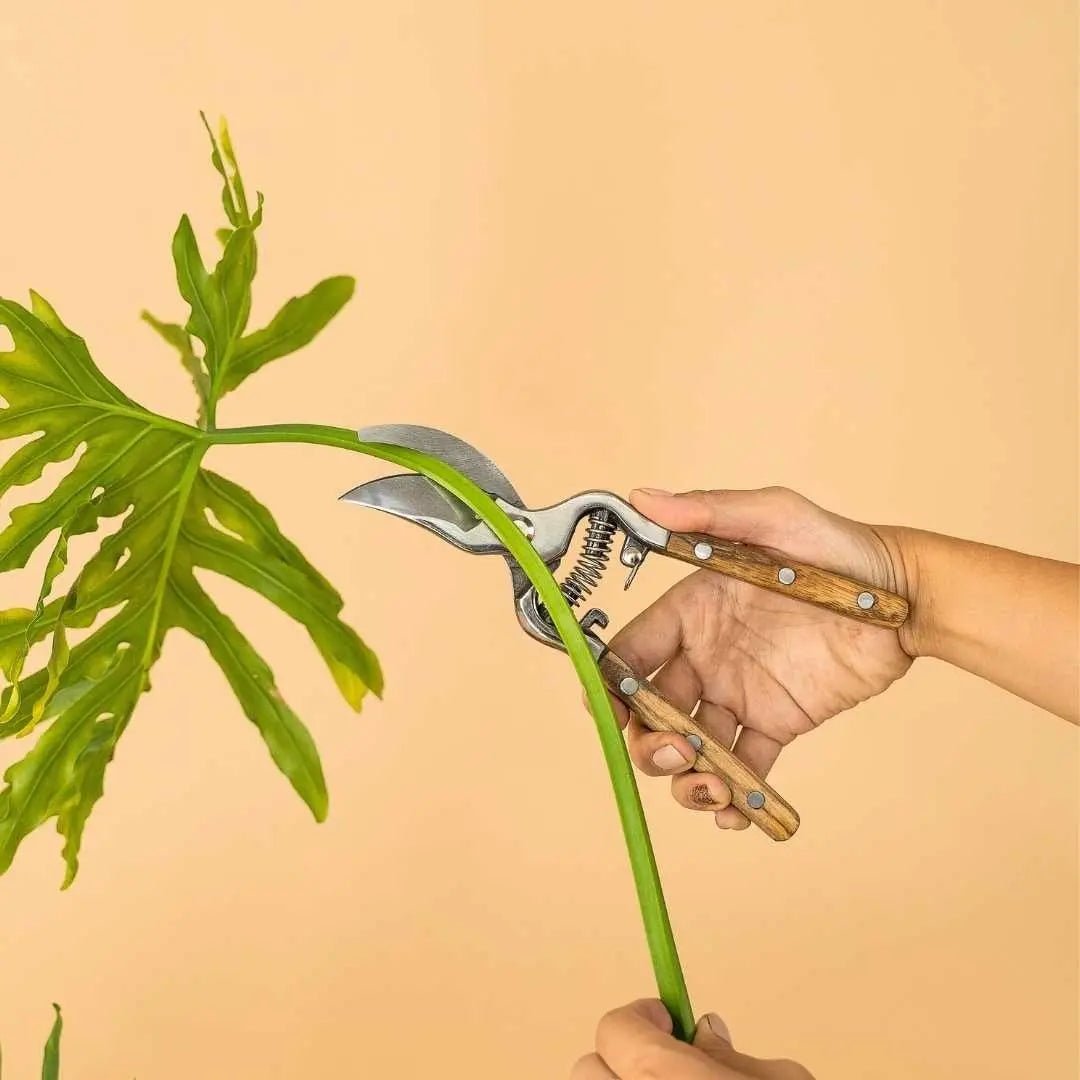
Keep it bushy: Prune regularly. Cut back long stems to encourage branching. Pinch growing tips.
Let it climb: Provide a moss pole, trellis, or stake. The aerial roots grip the support and the plant climbs upward, producing larger leaves as it goes. This is the most spectacular growth form.
Let it trail: Place on a high shelf or in a hanging basket. Stems grow downward, creating a cascading effect. Good for visual drama.
Moss Pole Growing
Syngonium on a moss pole is transformative:
- 1. Insert a moss pole into the pot when planting or repotting
- 2. Guide the stems against the pole and secure loosely with soft ties or plant clips
- 3. Keep the moss pole moist — mist it regularly or attach a slow-drip watering system
- 4. The aerial roots will attach to the damp moss, anchoring the plant and drawing additional moisture
- 5. Over time, the leaves grow significantly larger on a moss pole than without one
The size difference between a supported and unsupported Syngonium is dramatic — moss pole leaves can be 2-3 times the size of leaves on a trailing plant.
Common Problems
Leggy Growth
Cause: Insufficient light. Stems stretch toward the light source with wide gaps between leaves.
Fix: Move to brighter indirect light. Prune leggy stems to encourage bushier growth. The cuttings can be propagated.
Yellowing Leaves
Lower leaves yellowing: Often natural — Syngonium sheds older leaves as it grows. Occasional lower leaf loss is normal.
Multiple yellow leaves: Overwatering. Check soil moisture and reduce watering frequency.
Loss of Colour (Pink/White Reverting to Green)
Cause: Insufficient light. Pink and white pigments require more light energy to produce than green chlorophyll.
Fix: Move to brighter indirect light. Prune green-reverted stems to encourage new, colourful growth from the base.
Spider Mites
Possible in dry AC rooms. Signs: fine webbing, stippled leaves.
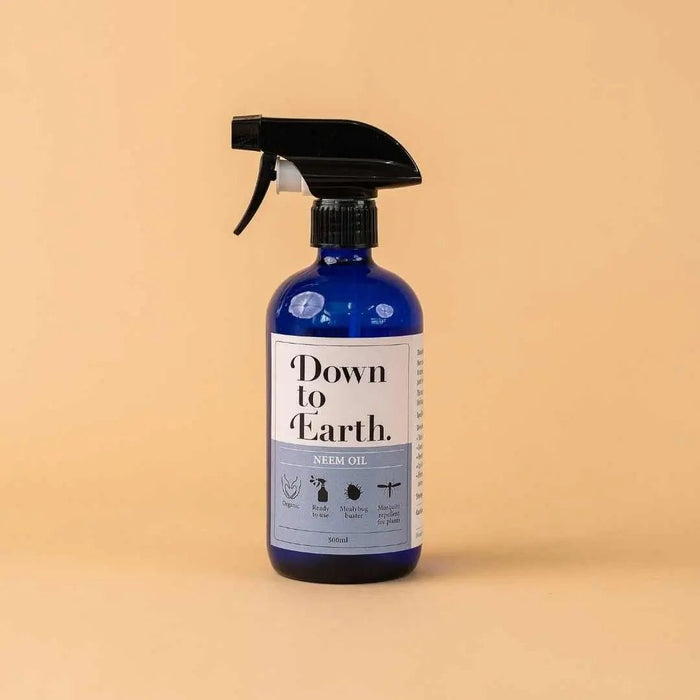
Fix: Increase humidity. Rinse the plant. Apply neem oil.
Mealybugs
White, cottony clusters in leaf axils and on stems.
Fix: Remove with alcohol-dipped cotton buds. Apply neem oil. Isolate the plant.
Propagation
Syngonium is one of the easiest plants to propagate:
Water Propagation
- 1. Cut a stem section with at least one node (the bump where a leaf meets the stem) and one or two leaves
- 2. Place in a jar of clean water with the node submerged
- 3. Change water weekly
- 4. Roots appear in 1-3 weeks
- 5. Transfer to soil when roots are 3-5cm long
Soil Propagation
- 1. Cut a stem section with at least one node
- 2. Insert directly into moist soil
- 3. Keep soil consistently moist for 3-4 weeks
- 4. New growth indicates successful rooting
Syngonium cuttings root so reliably that propagation is almost guaranteed. This makes it an excellent plant for sharing with friends or expanding your collection.
Styling
- Desk plant (young) — Compact, colourful, fits any desk or table
- Shelf trailing — Mature Syngonium trailing from a shelf creates a cascading green (or pink) curtain
- Moss pole feature — A Syngonium climbing a moss pole becomes a dramatic vertical feature
- Hanging basket — Long, trailing stems create a striking hanging display
- Terrarium — Small Syngonium varieties work well in terrariums for humid, enclosed growing
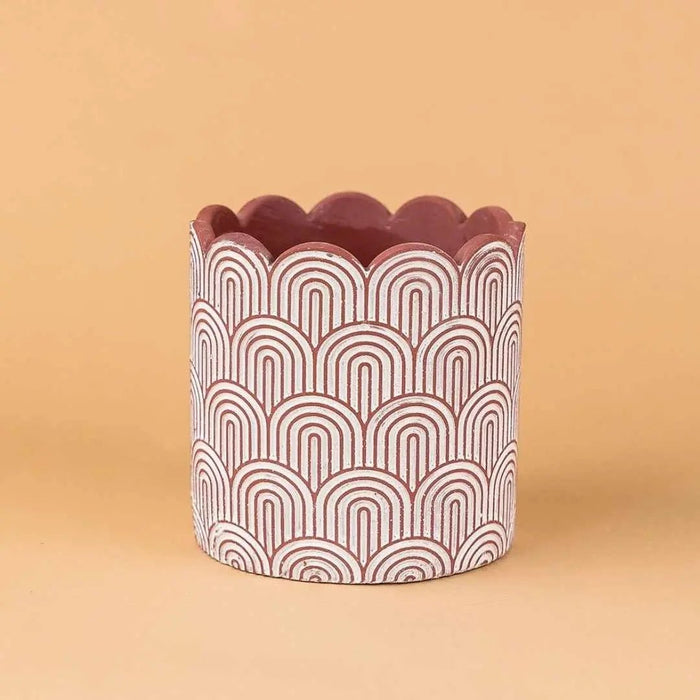
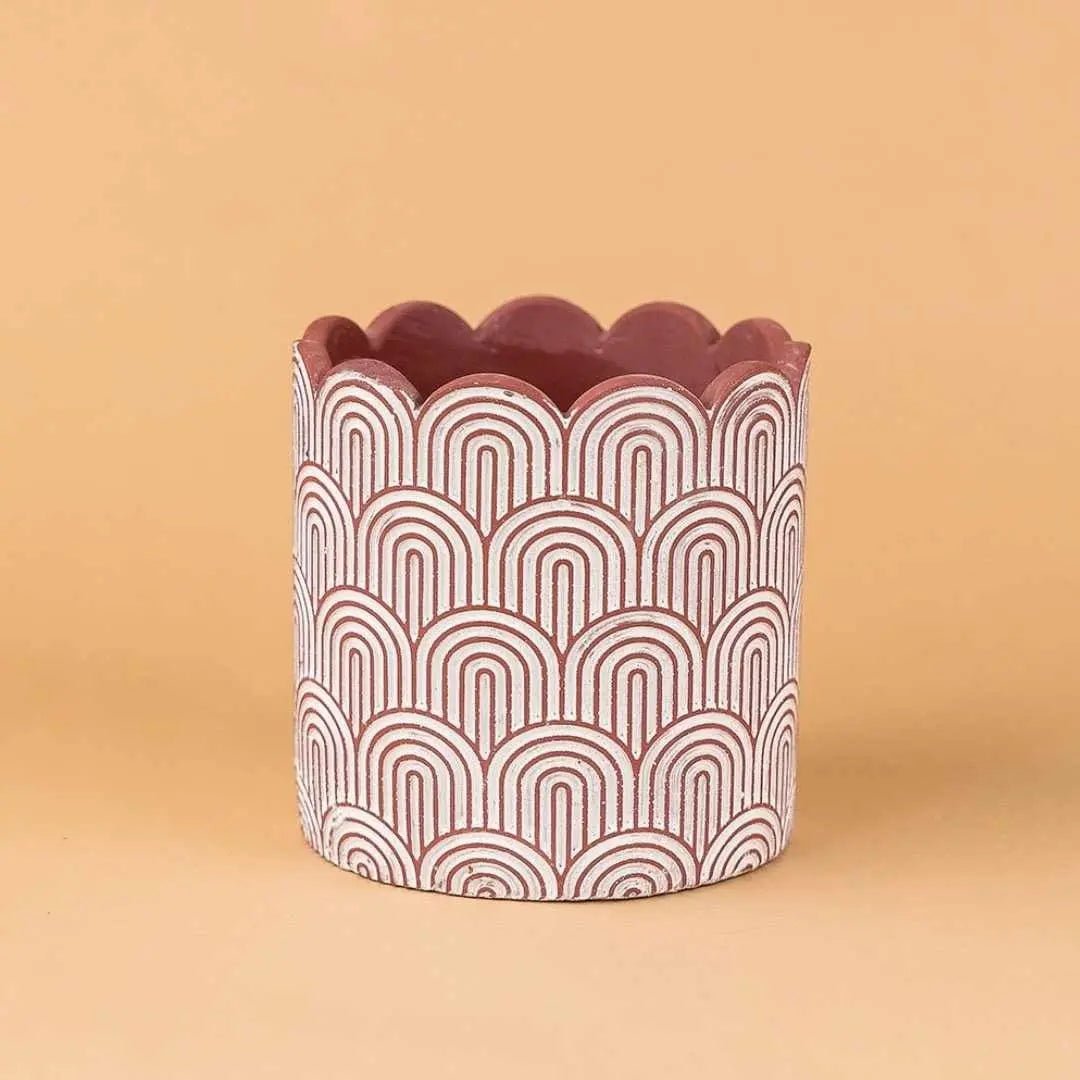
Pot choice: Simple pots that complement the leaf colour. Pink Syngonium in a white pot is classic. Green varieties suit terracotta or matte neutrals.
Is Syngonium Toxic?
Yes. Contains calcium oxalate crystals. Causes oral irritation if ingested by pets or children. Keep out of reach.
Shop Plants
Browse our indoor plant collection for Syngonium and other versatile plants delivered across Singapore.
Syngonium is the plant that grows with you. It starts as a compact, desk-friendly accent. If you let it, it becomes a climbing statement piece or a cascading shelf feature. The colours range from classic green to vivid neon pink. The care is forgiving. The propagation is effortless. And in Singapore, where the humidity and warmth match its tropical origins exactly, Syngonium responds with the kind of vigorous, lush growth that makes you feel like a skilled gardener even when you are a beginner. Start with one. You will end up with several — some bought, some propagated from the first, some given to friends who saw yours and wanted their own. That is the Syngonium lifecycle: acquire, grow, propagate, share, repeat.
Quick summary
Key Takeaways
- Popular Varieties
- Light
- Watering
- Humidity
- Soil
- Temperature
Ready to bring some green into your home?
Browse 250+ hand-picked plants, curated for Singapore homes — delivered to your door.
Browse All Plants →