


















Maranta (Prayer Plant) Care Guide for Singapore | Tumbleweed Plants Singapore
Posted on April 15 2026
In this article
Maranta — commonly called the prayer plant — is one of the most captivating houseplants you can grow. Its leaves fold upward at night like hands in prayer, then open flat again in the morning. This daily movement (called nyctinasty) is not a gimmick — it is a genuine, visible, daily rhythm that makes this plant feel more alive than almost any other houseplant.

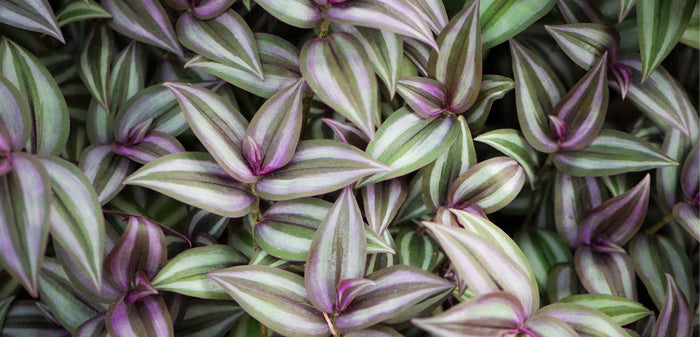
The foliage is equally spectacular: intricate patterns of green, dark green, red, and cream arranged in symmetrical designs that look hand-painted. Maranta leuconeura and its varieties (var. kerchoveana, var. erythroneura) are the most commonly available in Singapore, and they are well-suited to our climate — with some specific care adjustments.
Popular Varieties
Maranta leuconeura var. erythroneura (Red Prayer Plant) — The most popular variety. Light green leaves with dark green markings along the midrib, red veins radiating outward. Commonly sold as "Red Maranta" or "Herringbone Plant."
Maranta leuconeura var. kerchoveana (Green Prayer Plant / Rabbit's Tracks) — Light green leaves with rows of dark green to brown spots on either side of the midrib. The spots are said to resemble rabbit footprints.
Maranta leuconeura 'Lemon Lime' — Bright lime green and dark green patterning with lighter veins. A brighter, more vibrant colour palette than the standard varieties.
Maranta leuconeura 'Kim' — Purple-tinged undersides with striking light and dark green upper patterns. Less common but increasingly available.
Light
Maranta is a forest floor plant — it evolved under the canopy of tropical forests, receiving filtered, dappled light.
Medium indirect light — The sweet spot. Produces the most vivid patterns and compact growth. A few metres from a bright window, or near a north-facing window.
Bright indirect light — Acceptable if filtered. Extended bright exposure can wash out the leaf patterns and cause leaf curling. Never direct sun.
Low light — Maranta tolerates lower light better than many patterned plants, but growth slows and patterns may become less vivid.
Direct sun — No. Direct sun scorches the delicate leaves, causes bleaching of the patterns, and leads to leaf curling and browning. Even brief direct sun through a window can damage the foliage.
Watering
Schedule in Singapore:
- Keep soil consistently moist but never waterlogged
- Water when the top 1-2cm of soil begins to dry
- Every 4-6 days in naturally ventilated rooms
- Every 6-8 days in air-conditioned rooms
Key principle: Maranta prefers consistent moisture — not the wet-dry cycle that many other plants prefer. Think "evenly moist" rather than "soak and dry." The soil should feel like a wrung-out sponge: damp but not dripping.
Water quality: Maranta is sensitive to chemicals in tap water. Singapore's tap water is generally acceptable, but if you notice brown leaf tips, switch to filtered water, rainwater, or water that has been left out overnight to allow chlorine to dissipate.
Overwatering signs: Yellow leaves, mushy stems, root rot.
Underwatering signs: Leaves curling inward, crispy edges, leaves not opening fully in the morning.
Humidity

This is where Singapore gives us a genuine advantage.
Ideal humidity: 60-80%. Singapore's ambient 70-80% is excellent — Maranta thrives in our natural conditions.
Air-conditioned rooms (50-60%): Maranta can struggle here. The dry air causes crispy leaf edges, reduced prayer movement, and stressed foliage.
Solutions for AC rooms:
- Group Maranta with other humidity-loving plants
- Use a pebble tray under the pot
- Run a small humidifier nearby
- Place in a bathroom with a window (if available)
- Mist occasionally (helpful but not sufficient alone)
Do not mist excessively — in poorly ventilated spaces, constantly wet leaves can promote fungal issues. Ambient humidity is better than surface moisture.
Soil
Well-draining but moisture-retentive:
- 50% quality potting mix
- 25% perlite
- 25% peat moss or coco coir
The soil should hold moisture without becoming waterlogged. Peat or coco coir retains moisture while perlite ensures excess water drains. Avoid heavy, dense soils.
Temperature

Singapore's 26-32°C is within Maranta's comfortable range (18-30°C). Our warmth promotes active growth year-round.
AC rooms (22-25°C): Acceptable, but avoid cold drafts. Maranta is sensitive to sudden temperature drops — position away from direct AC vents.
Temperature consistency matters more than exact temperature. Maranta dislikes fluctuations. A consistent 24°C AC room is better than a room that swings between 22°C (AC on) and 32°C (AC off).
Fertilising
- Balanced liquid fertiliser at half strength every 4-6 weeks during active growth
- Light feeder — over-fertilising causes brown leaf tips and salt buildup
- Reduce during any slower growth periods
- Flush soil with plain water every 2-3 months to clear accumulated salts
The Prayer Movement

Maranta's leaves respond to light through a mechanism called a pulvinus — a joint-like structure at the base of each leaf that swells and contracts with water pressure changes triggered by light conditions.
During the day: Leaves lie flat to maximise light absorption for photosynthesis.
At night: Leaves fold upward, reducing the leaf surface exposed to the cooler night air and potentially reducing water loss.
What affects the movement:
- Light regularity — Plants with consistent day/night cycles show the strongest prayer movement
- Plant health — Stressed plants may stop moving or move less
- Humidity — Adequate humidity supports the pulvinus mechanism
- Hydration — Underwatered plants may not fold properly
If your Maranta stops its nightly prayer movement, it is often a sign of stress — check watering, humidity, and light conditions.
Common Problems
Crispy Brown Leaf Edges
The most common Maranta complaint in Singapore.
Causes:
- Low humidity (heavy AC rooms)
- Chemicals in tap water (fluoride, chlorine)
- Underwatering
- Direct sun exposure
Fix: Increase humidity, switch to filtered water, ensure consistent watering, and verify the plant is not getting direct sun.
Curling Leaves
Causes:
- Underwatering — the plant curls leaves to reduce water loss
- Low humidity
- Too much light
- Cold drafts
Fix: Water promptly, increase humidity, and move to a lower-light position if the location is too bright.
Yellow Leaves
Causes:
- Overwatering (most common)
- Natural ageing of lower leaves (normal)
- Root rot
Fix: Check soil moisture and root condition. If the soil is consistently wet, reduce watering frequency and ensure drainage.
Fading Patterns
Causes:
- Insufficient light — too dim for the plant to produce its characteristic pigments
- Too much direct light — bleaching the patterns
Fix: Adjust to medium indirect light — the Goldilocks zone for Maranta.
Spider Mites
Maranta in dry conditions (AC rooms) is susceptible to spider mites. Signs: fine webbing on undersides, stippled leaves, overall decline.
Fix: Increase humidity. Rinse the plant thoroughly. Apply neem oil. Repeat weekly until cleared.
Propagation
Maranta propagates easily through division and stem cuttings:
Division
- 1. Remove the plant from its pot
- 2. Identify natural clumps with their own roots
- 3. Gently separate, keeping roots intact
- 4. Plant each division in its own pot with fresh soil
- 5. Keep moist and in a humid environment for 2-3 weeks
Stem Cuttings
- 1. Cut a stem section below a node (the point where a leaf meets the stem)
- 2. Place in water or moist soil
- 3. Roots develop in 2-4 weeks
- 4. Transfer to soil once roots are 3-5cm long
Styling
Maranta's low, spreading growth habit suits specific display positions:
- Table or desk plant — At eye level where the leaf patterns and prayer movement can be appreciated
- Shelf plant — On a shelf where it can trail gently over the edge as it matures
- Terrarium — The humidity-loving nature makes Maranta an excellent terrarium candidate
- Bathroom plant — If the bathroom has a window, the natural humidity is ideal
- Grouped with Calathea — Close relatives with similar care needs and complementary patterns
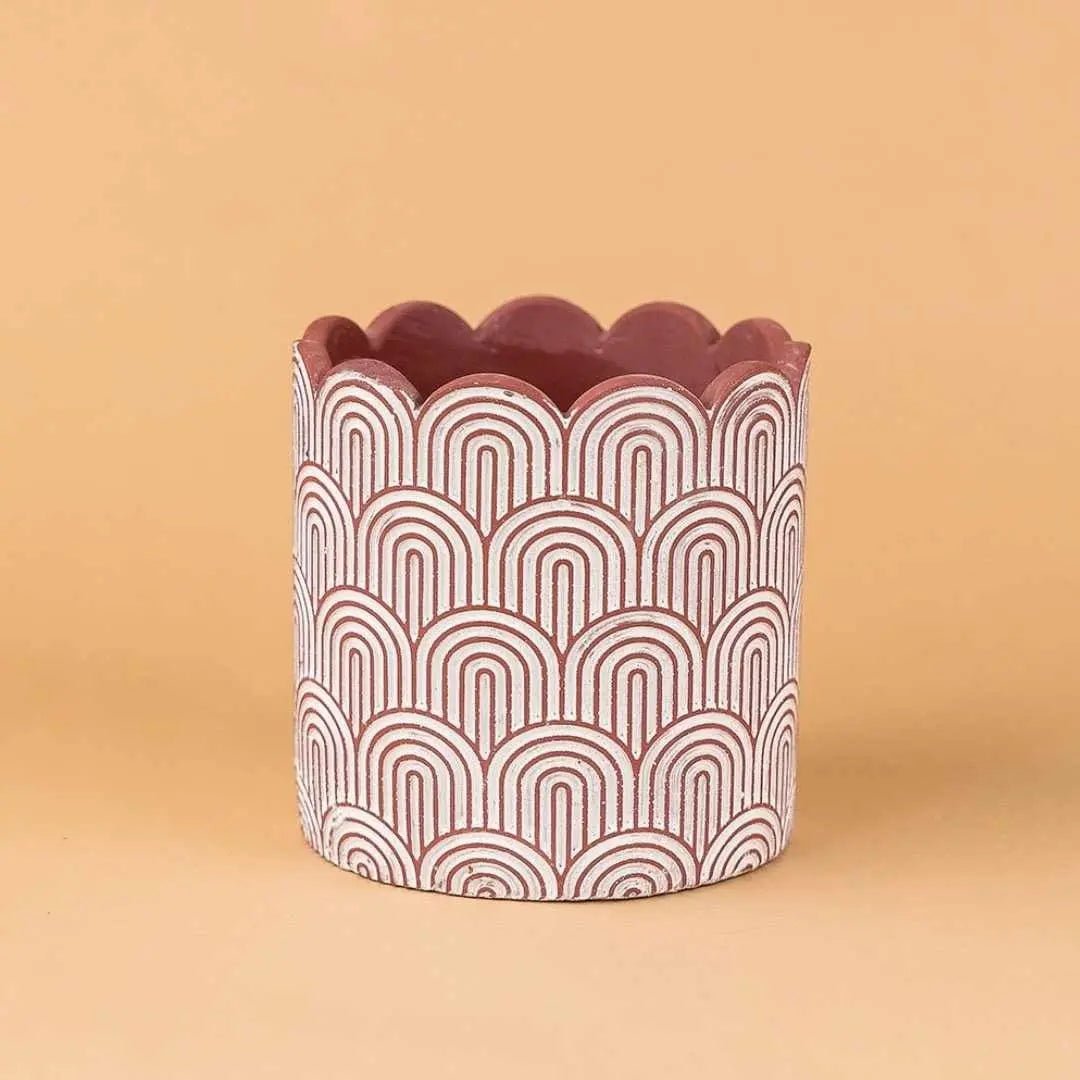
Pot choice: Simple pots in muted tones — the leaf patterns are the feature. A terracotta or white ceramic pot keeps the focus on the foliage.
Is Maranta Toxic?
No. Maranta is non-toxic to cats, dogs, and children. This makes it one of the safest decorative houseplants for homes with pets and young children.
Shop Plants
Browse our indoor plant collection for Maranta and other patterned plants delivered across Singapore.
Maranta is the plant that moves. Not in the slow, imperceptible way that all plants grow — but visibly, daily, in a rhythm you can watch. Sit with your Maranta at dusk and you can see the leaves lifting, folding, settling into their night position. Return in the morning and they are flat again, fully open, displaying their painted patterns to the light. This movement makes Maranta feel less like a decoration and more like a companion — something with its own daily routine that runs alongside yours. In Singapore, where our humidity and warmth match the tropical forest floor this plant calls home, there is every reason for Maranta to thrive. Keep the soil consistently moist, the light filtered, the air humid, and the water clean. Do that, and every evening your prayer plant will fold its leaves in quiet thanks.
Quick summary
Key Takeaways
- Popular Varieties
- Light
- Watering
- Humidity
- Soil
- Temperature
Ready to bring some green into your home?
Browse 250+ hand-picked plants, curated for Singapore homes — delivered to your door.
Browse All Plants →