















Syngonium Care Guide for Singapore | Tumbleweed Plants Singapore
Posted on April 10 2026
In this article

The Syngonium — also called the Arrowhead Plant or Arrowhead Vine — is one of the most versatile and colourful houseplants available. Its arrow-shaped leaves come in a stunning range of colours: classic green, creamy white, soft pink, deep burgundy, and neon chartreuse. As the plant matures, its growth habit shifts from compact and upright to trailing or climbing, giving you options for display that evolve over time.
In Singapore, Syngonium thrives. Our warm, humid climate mirrors its native Central and South American tropical forests, and the plant adapts readily to both naturally ventilated and air-conditioned rooms. It is forgiving enough for beginners and varied enough for collectors who want multiple colour forms in their collection.
Popular Varieties
Syngonium podophyllum (Classic Green) — The original. Green arrow-shaped leaves that lighten as they age. The most robust and fastest-growing variety.
Syngonium 'White Butterfly' — Pale green to white centre with green margins. One of the most popular varieties. Bright, airy, and elegant.
Syngonium 'Pink Perfection' — Soft pink leaves that mature to green-pink. The most popular pink variety. Gorgeous and increasingly affordable.
Syngonium 'Neon Robusta' — Vibrant pink-magenta leaves. More saturated colour than 'Pink Perfection'. A standout in any collection.
Syngonium 'Berry Allusion' — Green leaves with pink veining and a light pink blush. Subtle and refined.
Syngonium 'Maria Allusion' — Bronze-green leaves with pink tones. Compact growth habit. Rich, warm colouring.
Syngonium 'Albo Variegatum' — White and green variegated leaves. Each leaf is unique. More expensive and slower-growing than solid varieties.
Syngonium 'Batik' — Dark green leaves with lighter green patterning. Unusual and eye-catching.
Syngonium 'Mojito' — Green leaves splashed with lighter green variegation. Resembles paint splatter on each leaf.
Light

Syngonium is flexible with light, but variety matters:
Low light — Green varieties survive and grow slowly. Variegated and pink varieties lose their colour and revert toward green. If your light is low, stick to green Syngonium.
Medium indirect light — The sweet spot for most varieties. Good growth, maintained colour, and healthy foliage. Most Singapore indoor rooms with windows provide this.
Bright indirect light — Best for variegated and pink varieties. The colours are most vibrant in bright, filtered light. Fastest growth.
Direct sun — Avoid prolonged direct sun. Morning sun is tolerated, but afternoon sun scorches the thin, delicate leaves.
Colour rule: The more colourful the variety, the more light it needs to maintain that colour. Pink and white Syngonium in low light will gradually lose their distinctive colouring.
Watering
Syngonium prefers consistent moisture but not soggy soil.
Schedule in Singapore:
- Water when the top 2-3cm of soil is dry
- Every 5-7 days in naturally ventilated rooms
- Every 7-10 days in air-conditioned rooms
Technique:
- Water thoroughly until it drains from the bottom
- Empty saucers promptly
- Do not let the plant sit in standing water
Overwatering signs: Yellow leaves (especially lower), soft stems, mushy roots.
Underwatering signs: Drooping leaves that perk up after watering, crispy leaf edges, slow growth.
Syngonium droops dramatically when thirsty — this makes it easy to read. It recovers quickly after watering, usually within hours.
Soil

A well-draining aroid mix works best:
- 40% potting mix
- 30% perlite
- 20% orchid bark
- 10% charcoal
The mix should drain freely and not stay waterlogged. Syngonium roots appreciate air circulation in the soil.
Humidity
Syngonium loves humidity — and Singapore delivers:
70-80% (Singapore ambient) — Ideal. Syngonium thrives in Singapore's natural humidity.
50-60% — Acceptable. In air-conditioned rooms, the plant does fine but may occasionally show brown leaf edges.
Below 40% — Leaf tips and edges brown. Mist occasionally or use a pebble tray.
For the best foliage, keep Syngonium away from direct AC airflow. The cold, dry air from vents dries leaf edges quickly.
Temperature
Singapore's 24-32°C range is perfect. Syngonium dislikes cold — temperatures below 15°C cause damage. Only a concern if the plant is directly under an AC vent set very low.
Fertilising
- Balanced liquid fertiliser at half strength every 2-4 weeks during active growth
- Reduce to monthly during slower growth periods
- Pink and variegated varieties benefit from slightly less fertiliser — their slower growth means nutrients accumulate faster
Growth Habit and Training
Syngonium's growth habit changes as it matures:
Juvenile: Compact, upright, with arrow-shaped leaves on short stems. This is the bushy, desktop-friendly phase.
Mature: Stems elongate and the plant begins to vine. Leaves may develop lobes (splitting into 3-5 sections). The plant wants to climb or trail.
Options:
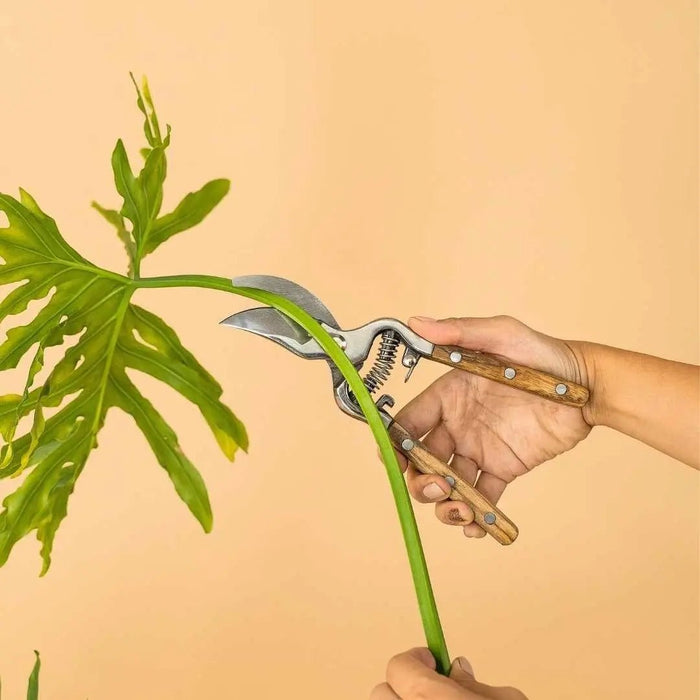
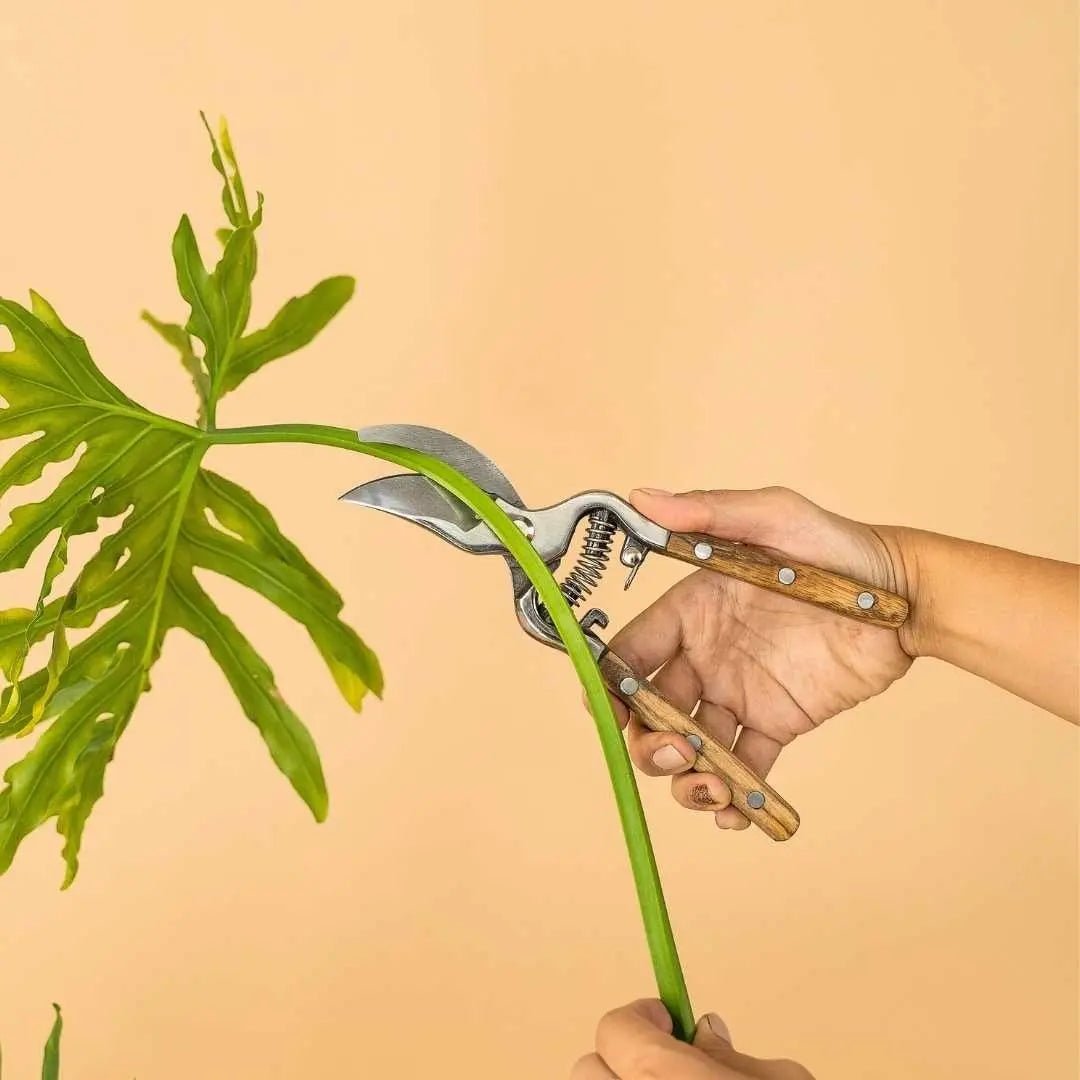
- Keep compact: Prune regularly, cutting back vines to maintain a bushy shape. Use the cuttings for propagation.
- Let it climb: Provide a moss pole or trellis. Climbing Syngonium produce larger leaves with more pronounced lobing.
- Let it trail: Allow the vines to cascade from a shelf or hanging planter.
Propagation
Syngonium is one of the easiest plants to propagate.
Stem Cutting in Water
- Cut a stem section with at least one node (the bump where a leaf meets the stem) and one leaf
- Remove the lowest leaf if it would be submerged
- Place the cutting in a jar of water with the node submerged
- Change water every 5-7 days
- Roots appear in 1-3 weeks
- Transfer to soil when roots are 5-8cm long
Stem Cutting in Soil
- Take a cutting with at least one node and one leaf
- Dip the cut end in rooting hormone (optional but helpful)
- Insert into moist, well-draining soil with the node buried
- Keep soil moist and in bright indirect light
- Roots establish in 2-4 weeks
Division
When repotting, separate clumps with their own root systems. Each division should have at least 2-3 stems with healthy roots.
Propagation tip: Syngonium cuttings root so reliably in water that they make excellent gifts. Take several cuttings, root them in small jars, and share with friends.
Common Problems
Yellowing Leaves
Lower leaves: Normal. Syngonium naturally sheds older lower leaves as it grows. If only the oldest leaves are yellowing, this is healthy growth.
Multiple leaves rapidly: Overwatering. Check soil moisture and drainage. Reduce watering frequency.
Leggy Growth
The plant is reaching for light. Move to a brighter location. Prune leggy stems to encourage bushier growth from the base.
Loss of Colour (Pink/Variegated Varieties)
Insufficient light. Pink and variegated varieties need medium to bright indirect light to maintain their colouring. In low light, they produce more chlorophyll (green) to compensate, gradually losing their distinctive colours.
Brown Leaf Edges
Low humidity or direct AC airflow. Move away from vents and increase humidity with misting or a pebble tray.
Pests
Syngonium can attract:
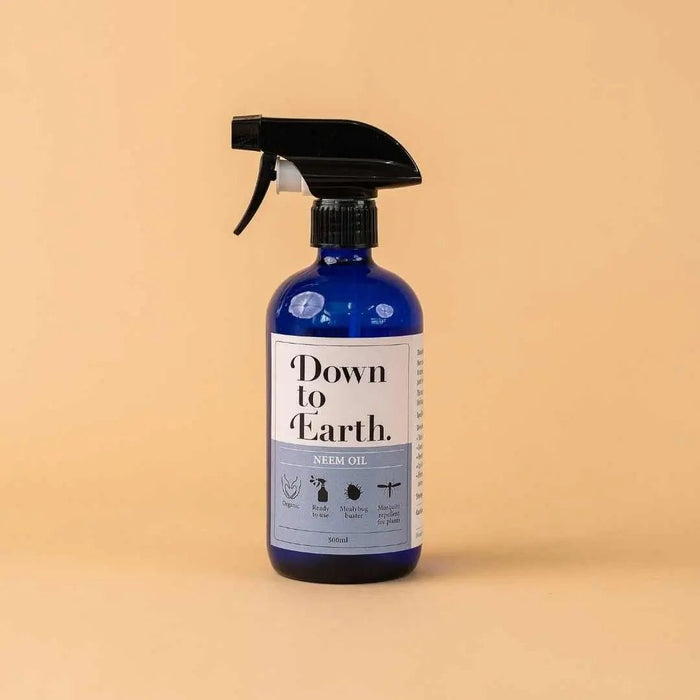
- Spider mites — tiny dots and fine webbing on leaf undersides. More common in dry, AC environments. Increase humidity, wash leaves, treat with neem oil.
- Mealybugs — white, cottony masses in leaf joints. Remove with rubbing alcohol.
- Aphids — small green or black insects on new growth. Wash off with a strong water spray.
Drooping
Almost always underwatering. Water thoroughly and the plant will recover within hours. If the soil is wet and the plant is drooping, check for root rot.
Styling
Syngonium's versatility makes it suitable for many display styles:
- Desktop plant — A compact, bushy Syngonium in a small pot adds colour to any desk
- Shelf trailer — Let mature vines cascade from a bookshelf or floating shelf
- Hanging planter — The trailing habit creates a beautiful cascading display
- Climbing feature — A Syngonium on a moss pole develops larger, more dramatic leaves
- Terrarium plant — Small Syngonium varieties thrive in closed terrariums
- Grouped display — Multiple Syngonium varieties in matching pots create a stunning colour collection
Colour pairing: Mix pink ('Neon Robusta'), white ('White Butterfly'), and green varieties together for a striking colour gradient display.
Is Syngonium Toxic?
Yes, mildly. All parts contain calcium oxalate crystals that cause irritation if chewed or ingested. Keep away from children and pets. The sap can irritate sensitive skin — wash hands after pruning or propagating.
Shop Syngonium
Browse our indoor plant collection for Syngonium varieties delivered across Singapore.
The Syngonium is the plant that does everything. It comes in more colours than most people realise, grows in more conditions than most plants tolerate, propagates more easily than almost anything, and transforms from a compact desk plant to a flowing vine as it matures. If you want one plant that offers variety, beauty, and near-zero frustration, the Syngonium is it.
Quick summary
Key Takeaways
- Popular Varieties
- Light
- Watering
- Soil
- Humidity
- Temperature
Ready to bring some green into your home?
Browse 250+ hand-picked plants, curated for Singapore homes — delivered to your door.
Browse All Plants →