















Syngonium Care Guide for Singapore
Posted on April 09 2026
In this article

Syngonium — the Arrowhead Vine — is one of the most underrated houseplants in the tropical plant world. While Monstera and Philodendron get all the attention, Syngonium quietly delivers everything a plant lover could want: beautiful foliage in a stunning range of colours, easy care, versatile growth habit (it climbs, it trails, it bushes), and fast propagation. In Singapore, where conditions mimic its native Central and South American habitat, Syngonium is a particularly rewarding choice.
The name comes from the Greek words "syn" (together) and "gone" (reproductive organs), referring to the plant's flower structure. But it is the leaves that make Syngonium irresistible — arrowhead-shaped in youth, increasingly lobed and complex as the plant matures.
Popular Varieties
Syngonium's diversity is astonishing. There are varieties for every colour preference:
Syngonium 'White Butterfly' — The classic. Pale green with white variegation, arrow-shaped leaves. Fast-growing and widely available.
Syngonium 'Pink Allusion' — Soft pink leaves with darker green edges. One of the most popular pink houseplants available.
Syngonium 'Neon Robusta' — Vivid pink, almost neon. Brighter and more saturated than Pink Allusion. Stunning in bright indirect light.
Syngonium 'Milk Confetti' — Green leaves speckled with pink and cream spots. Each leaf is unique. A collector favourite.
Syngonium 'Mojito' — Green leaves with irregular splashes of lighter green and cream. Named for its cocktail-like mix of tones.
Syngonium 'Albo Variegata' — Green and white variegation, often dramatic half-moon patterns. The most sought-after variety.
Syngonium podophyllum (standard green) — Dark green arrow-shaped leaves. The original species — hardy, fast-growing, and often overlooked in favour of colourful cultivars.
Light

Syngonium thrives in a wide range of light conditions:
Bright indirect light — Optimal. Best colour intensity, fastest growth, most compact form. Especially important for pink and variegated varieties, which lose colour in low light.
Medium light — Perfectly fine for green varieties. Growth may slow slightly but the plant remains healthy.
Low light — Tolerated by green varieties (White Butterfly, standard podophyllum). Pink and variegated types lose their colour in low light, reverting to plain green.
Direct sunlight — Avoid. Syngonium leaves burn easily in direct sun. Brown, crispy patches appear quickly.
The colour rule: The more colourful or variegated the variety, the more light it needs to maintain its colour. A Neon Robusta in a dim corner becomes a pale, washed-out version of itself.
Watering
Syngonium prefers consistently moist (not waterlogged) soil.
Schedule in Singapore:
- Check soil every three to four days
- Water when the top two centimetres feel dry
- Typically every five to seven days
- Slightly less in air-conditioned rooms or lower light
Technique:
- Water thoroughly until liquid drains from the bottom
- Allow excess to drain — never sit in standing water
- Room-temperature water
Syngonium is relatively forgiving of both slight overwatering and slight underwatering. It droops dramatically when thirsty — a clear signal that recovers quickly after watering.
Humidity

Syngonium appreciates higher humidity (60%+), which Singapore provides naturally in most environments. In air-conditioned rooms:
- Group with other plants
- Use a pebble tray
- Mist occasionally
Brown leaf tips are the main indicator of insufficient humidity.
Soil
A well-draining tropical mix:
- 50% potting soil
- 25% perlite
- 15% orchid bark
- 10% coco coir or charcoal
Growth Habit: The Versatile Plant

Syngonium's growth habit changes as it matures, giving you multiple styling options:
Compact bush (juvenile): Young plants produce arrow-shaped leaves on short stems, forming a bushy mound. Perfect for desk displays and small pots.
Trailing (left to grow without support): As stems elongate, they trail over pot edges. Excellent in hanging baskets or on high shelves.
Climbing (with support): Given a moss pole or trellis, Syngonium climbs and produces increasingly larger, more lobed leaves — similar to how Monstera and Philodendron respond to climbing support.
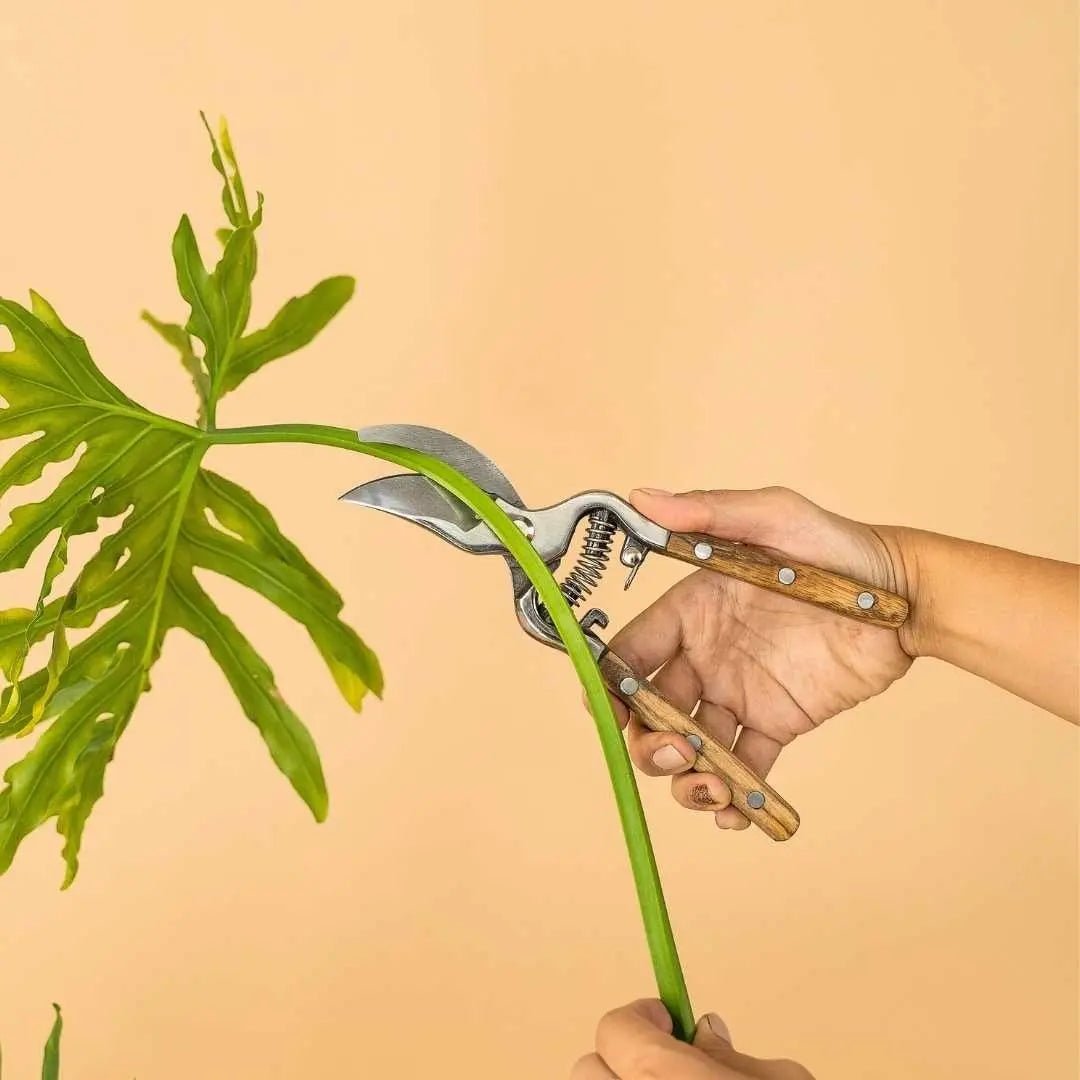
Tip for bushiness: Regularly pinch or trim the growing tips. This encourages branching at lower nodes, keeping the plant compact and full.
Fertilising
Moderate feeder during active growth:
- Balanced liquid fertiliser (NPK 10-10-10 or 20-20-20) at half strength
- Every two to three weeks during growth
- Reduce during any slower periods
- Flush soil every two to three months
Propagation
Syngonium propagates as easily as Pothos — a major advantage.
Water Propagation
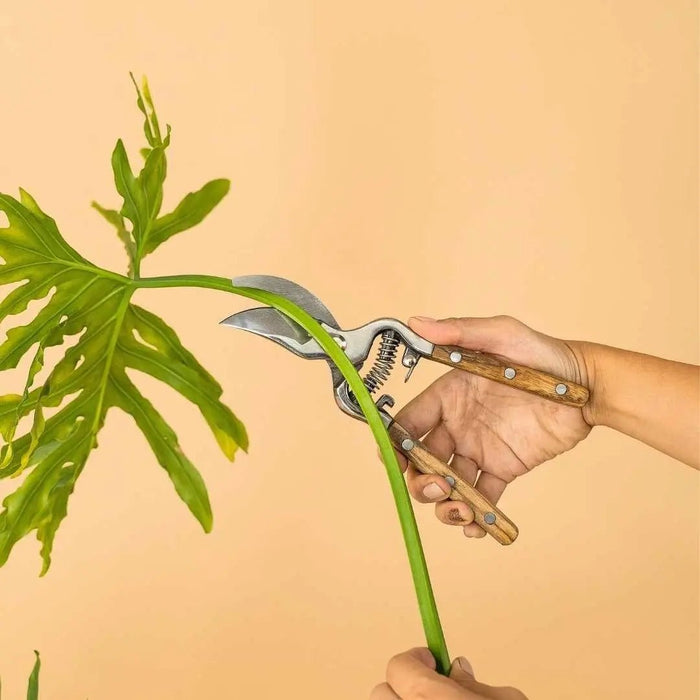
- Cut a stem below a node (the bump where leaves and roots emerge)
- Place in water with the node submerged
- Change water every three to four days
- Roots appear in one to two weeks in Singapore's warmth
- Transfer to soil when roots reach 5-8cm
Soil Propagation
- Take a cutting with one to two nodes
- Plant in moist, well-draining soil with the node buried
- Keep moist and in bright indirect light
- Roots establish in two to three weeks
Tip: Plant multiple cuttings in the same pot for a full, bushy display from day one.
Common Problems
Yellowing Leaves
Usually overwatering. Check soil moisture and reduce watering frequency. One or two older yellowing leaves are normal ageing.
Brown Leaf Tips
Low humidity or salt buildup from fertiliser. Boost humidity and flush soil periodically.
Leggy Growth
Not enough light. Move to a brighter spot. Prune leggy stems and propagate the cuttings.
Loss of Colour (Pink/White Varieties)
Insufficient light. Pink and variegated Syngoniums need bright indirect light to maintain their colour. In low light, new leaves emerge green.
Pests
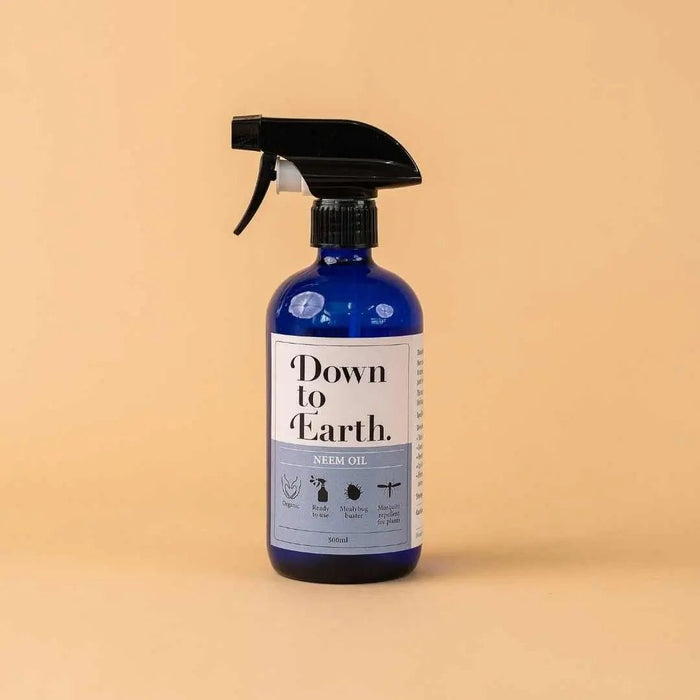
- Spider mites in dry conditions — increase humidity, treat with neem oil
- Mealybugs in leaf axils — treat with isopropyl alcohol
- Aphids on new growth — spray with insecticidal soap
Is Syngonium Toxic?
Yes. Syngonium contains calcium oxalate crystals that cause mouth irritation if ingested. Keep out of reach of children and pets. Wear gloves when handling cuttings if you have sensitive skin.
Styling Syngonium
The versatility of Syngonium makes it one of the most flexible styling plants:
- Desk plant: Compact juvenile form in a small decorative pot adds colour to any workspace
- Hanging basket: Let it trail for a cascading display of arrow-shaped leaves
- On a moss pole: Climbing Syngonium develops larger, more impressive leaves
- Grouped varieties: Multiple Syngonium varieties in matching pots — pink, white, green — create a stunning colour gradient display
- Terrarium: Small varieties work beautifully in glass terrariums
Shop Syngonium
Browse our collection of indoor plants including Syngonium varieties in multiple colours. We deliver healthy plants across Singapore — ready to climb, trail, or sit prettily on your desk.
Syngonium is the plant that does it all. It is easy enough for beginners, diverse enough for collectors, and beautiful enough for design-conscious plant lovers. In Singapore's tropical climate, it grows with vigour and reward. Pick a colour, give it decent light and regular water, and enjoy one of the most versatile houseplants in the game.
Quick summary
Key Takeaways
- Popular Varieties
- Light
- Watering
- Humidity
- Soil
- Growth Habit: The Versatile Plant
Ready to bring some green into your home?
Browse 250+ hand-picked plants, curated for Singapore homes — delivered to your door.
Browse All Plants →