















Hydroponic Plants in Singapore: A Beginner’s Guide for Indoor Homes
Posted on July 02 2026

Hydroponic plants are appealing in Singapore for a simple reason: many of us want greenery at home, but not everyone has a balcony, garden bed or time for a fussy watering routine. A hydroponic or semi-hydro setup lets plants grow with their roots supported by water, a growing medium, or a self-watering reservoir instead of a traditional pot full of soil.
That does not mean every plant becomes “maintenance-free”. Plants still need light, oxygen around the roots, regular water changes or top-ups, and occasional cleaning. But for HDB flats, condos, kitchens and work desks, hydroponic growing can be a tidy, space-saving way to enjoy herbs, lucky bamboo, compact foliage plants and self-watering indoor greenery.
What “hydroponic plants” actually means
Hydroponics simply means growing plants without traditional soil. Instead, the plant receives water, air and nutrients through a different root environment. At home, you will usually see three beginner-friendly versions:
- Water-grown plants, such as lucky bamboo, where roots sit in clean water and decorative stones may help hold the stems upright.
- Indoor hydroponic gardens, often used for herbs and small edibles, with a water tank, grow light and compact planting pods.
- Semi-hydro or self-watering setups, where a medium such as LECA or a reservoir helps roots access moisture more steadily.
The main benefit is consistency. Instead of guessing how wet the soil is, you can often see the water level or reservoir more clearly. The trade-off is that water quality, airflow and light become more important.
What works well in Singapore homes
1. Countertop herbs and small edibles
If you want basil, mint or small leafy greens in an apartment, an indoor hydroponic garden can be easier than placing pots along a hot corridor. Look for a setup with a built-in grow light, especially if your kitchen does not receive strong natural light.
2. Lucky bamboo and water-grown desk plants
Lucky bamboo and similar water-grown plants suit shelves, reception counters and desks. They are not demanding, but they still need bright indirect light and clean water. Change cloudy water promptly and rinse the container if algae starts to build up.
3. Self-watering indoor plants
Self-watering planters are not exactly the same as full hydroponics, but they solve a similar problem: steadier moisture for busy plant owners. They are useful for many foliage plants, especially when you are learning how quickly your home dries out after air-con, fans or afternoon heat.
4. LECA and semi-hydro experiments
LECA balls create air pockets around the roots while holding some moisture. This can work well for selected indoor plants, but it is best approached as a learning project. Clean the medium, monitor roots, and avoid moving a stressed plant into semi-hydro just because it is trending online.
Singapore care tips for hydroponic and self-watering plants
- Do not ignore light. Water alone cannot replace daylight. Place plants in bright indirect light or use a suitable grow light for edible setups.
- Keep water fresh. Top up reservoirs when needed, but also change water periodically so it does not become stale or smelly.
- Watch for algae. Singapore’s warmth makes algae more likely in clear containers. Clean containers and keep water from sitting in strong direct sun.
- Give roots oxygen. Roots need air as well as moisture. Avoid sealing roots in stagnant water unless the plant is suited to that setup.
- Use nutrients carefully. For edible hydroponic gardens, follow the product’s nutrient guidance. More is not always better.
- Check before travelling. Self-watering systems help, but reservoir size, plant size and room temperature all affect how long they last.
Quick beginner checklist
Bright indirect window or grow light
Clean, topped up, changed when needed
Healthy colour, no sour smell
Simple weekly check, not daily fussing
Tumbleweed picks to browse
Availability can change, but these live Tumbleweed product pages are useful starting points if you want to explore hydroponic growing, semi-hydro accessories or easier self-watering indoor plants.
AquaSphere Automatic Self-Watering Globe
A useful option to explore if you want an easier indoor growing or watering routine.
Shop now
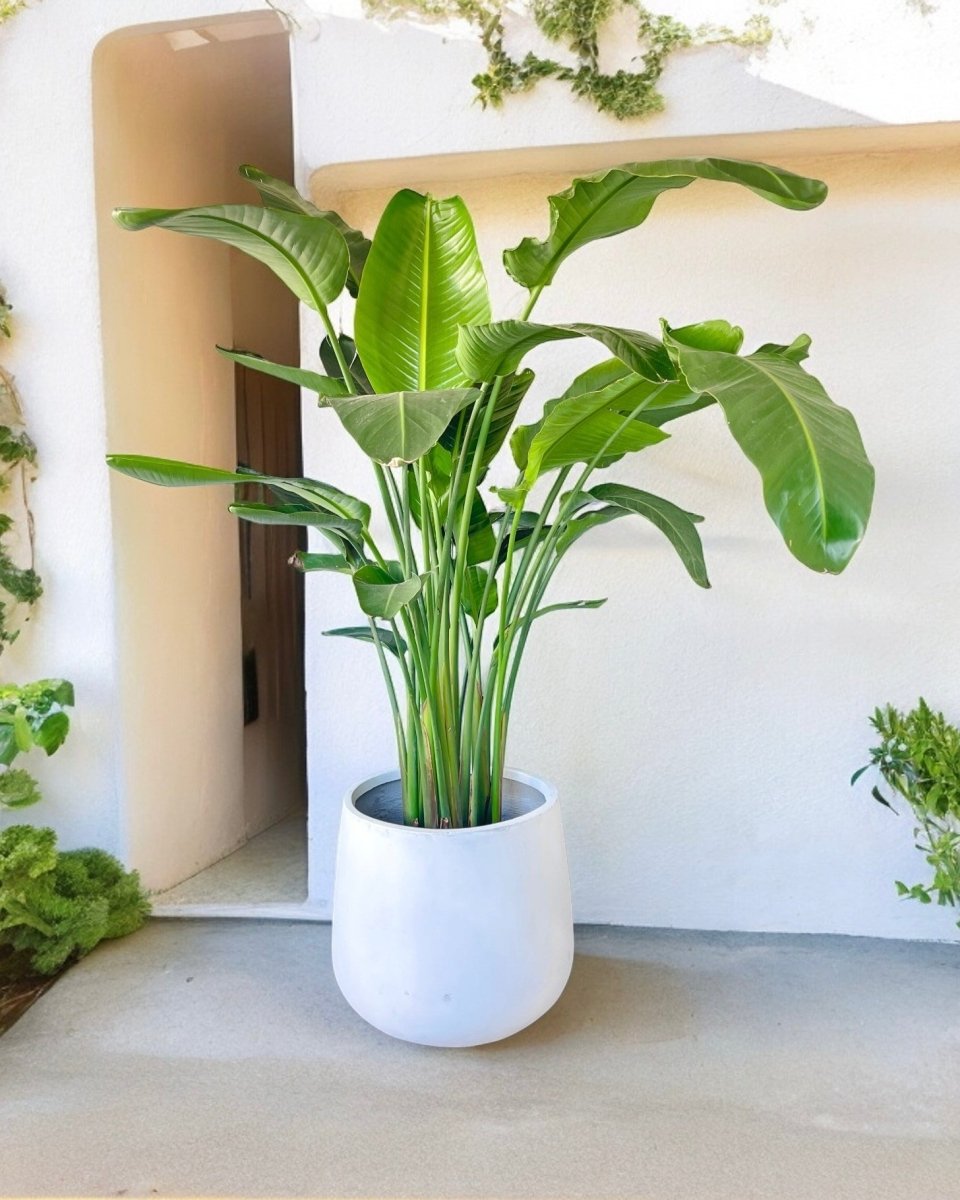
Bird of Paradise Baby Hydro - Self Watering
A useful option to explore if you want an easier indoor growing or watering routine.
Shop now
BLOOM Table Growlights
A useful option to explore if you want an easier indoor growing or watering routine.
Shop nowCommon mistakes to avoid
The biggest mistake is treating hydroponic plants as a “set and forget” solution. A reservoir can make watering easier, but it can also hide problems until roots are stressed. If leaves yellow suddenly, roots smell sour, or water turns cloudy very quickly, refresh the water, check light levels and inspect the roots before adding more fertiliser.
Another common mistake is placing a hydroponic setup in a dark corner. In Singapore apartments, a spot may look bright because the room is white or well-lit by ceiling lights, but plants respond to usable light. If herbs become thin and stretched, move them closer to a window or use a proper grow light.
FAQ: Hydroponic plants in Singapore
Are hydroponic plants better than soil plants?
Not always. Hydroponics can be cleaner and more space-efficient, while soil can be more forgiving for many houseplants. The best choice depends on your light, routine and the type of plant you want to grow.
Can I grow hydroponic plants in an HDB flat?
Yes, especially compact herbs, lucky bamboo, small edibles and indoor hydroponic garden systems. Just make sure the setup receives enough light and does not create standing-water mess.
Do hydroponic plants attract mosquitoes?
They should not if the setup is properly maintained. Keep containers clean, avoid stagnant exposed water, use covered reservoirs where possible, and change or refresh water regularly.
Do I still need fertiliser?
Often, yes. Plants grown without soil may need a suitable nutrient solution because they cannot draw nutrients from potting mix. Follow the instructions for your specific hydroponic system or plant type.
Start with a setup that fits your home
Browse Tumbleweed’s indoor plants, self-watering planters and grow-light options to build a simple routine for your Singapore space.
Browse indoor plants