

















Calathea Care: Complete Care Guide
Posted on April 16 2026
In this article
- Why Calatheas Are Notoriously Difficult
- Calathea Overview
- Popular Calathea Varieties
- Calathea Variety Comparison
- Light
- Watering — The Most Critical Factor
- Humidity — The Second Most Critical Factor
- Temperature
- Soil
- Fertilizing
- The Prayer Movement
- Common Problems and Solutions
- Are Calatheas Worth It?
- Where to Find Calatheas in Singapore
- Shop Calatheas at Tumbleweed Plants
Tags: calathea care, prayer plant, calathea orbifolia, houseplant care, humidity plants

---
Thumbnail image spec (1200×628px):
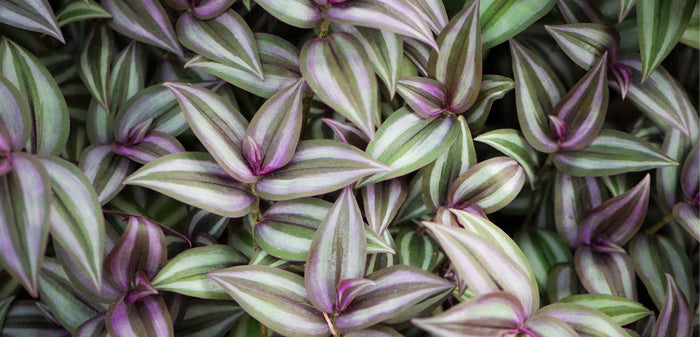
A close-up of a healthy Calathea orbifolia or ornata leaf showing vivid pattern detail, shot against a soft light background. Include the Tumbleweed Plants logo in the lower right corner.
- Alt text: "Calathea leaf close-up showing silver-green stripe pattern — Calathea care guide by Tumbleweed Plants Singapore"
- Source suggestions: Original product photography from Tumbleweed Plants inventory; Unsplash search "calathea leaf pattern"
---
Alt text: Calathea orbifolia with large round striped leaves displayed on a wooden stand in a bright Singapore home. Source: original Tumbleweed Plants product photography.
Calatheas are the most spectacular-looking plants you can own — and among the most demanding. They're the plant that makes experienced growers feel humble. The good news: most calathea problems stem from a small number of fixable issues, and once you understand what the plant actually wants, the "drama queen" reputation becomes manageable.
This is a complete guide to calathea care: why they're finicky, what they actually need, and how to get the most from one of the most beautiful leaf patterns in the plant world.
> Singapore grower's note: If there's one climate in the world where calatheas should thrive, it's Singapore. With ambient temperatures of 25–32°C year-round and frequent humidity above 70%, the outdoor air matches almost exactly what calatheas want. The challenge in Singapore is indoor conditions — air conditioning strips humidity quickly, bringing rooms down to 45–55%. A humidifier or strategic placement away from AC vents makes all the difference.
---
Why Calatheas Are Notoriously Difficult
Calatheas come from the tropical rainforest floors of South America — an environment with:
- Consistently high humidity (70–90%)
- No direct sun (blocked by the canopy)
- Consistent warmth with no temperature swings
- Soft, mineral-free water (rainwater only)
- Never-dry soil — the forest floor retains consistent moisture
Most homes are very different from this. Low humidity, variable temperatures, direct sun from windows, chlorinated tap water, and irregular watering — each one stresses a calathea.
The plants aren't unreasonably demanding — they're just honest about what they need. Once you replicate their natural conditions closely, they thrive.
!Tropical rainforest floor with dappled light illustrating calathea's natural habitat
Alt text: Tropical rainforest floor in dappled shade, the natural environment calatheas evolved in. Source: Unsplash, search "tropical rainforest floor dappled light".
---
Calathea Overview

| Feature | Details |
|---------|---------|
| Family | Marantaceae (the "prayer plant" family) |
| Origin | Tropical South and Central America |
| Light | Medium to bright indirect — no direct sun |
| Water | Keep consistently moist — never dry, never soggy |
| Humidity | High — ideally 50–70%+ |
| Temperature | 65–80°F (18–27°C) / 18–27°C — no cold drafts |
| Toxicity | Pet-safe |
| Movement | Leaves fold upward at night (nyctinasty) — the "prayer" movement |
| Singapore suitability | Excellent — tropical climate is naturally ideal |
---
Popular Calathea Varieties
Calathea orbifolia — Large round leaves with silver-green stripes. One of the most striking and most widely available. Slightly more tolerant of lower humidity than most calatheas.
Calathea ornata — Dark green leaves with pink pinstripes (fading to white on older leaves). Dramatic and eye-catching.
Calathea medallion / roseopicta — Oval leaves with a dark green feather pattern over a lighter green surface; purple undersides. Very common in garden centers.
Calathea lancifolia (Rattlesnake plant) — Long wavy-edged leaves with dark spots on a light green surface; purple undersides. Slightly more tolerant of lower humidity.
Calathea zebrina — Velvet-textured leaves with dark and light green stripes. One of the most tactile houseplants available.
Maranta leuconeura (prayer plant) — Technically a different genus (Maranta, not Calathea), but same family, same care, and same prayer movement. Red veins on green leaves. More forgiving than true calatheas.
Note: Many plants formerly classified as Calathea have been reclassified as Goeppertia in recent taxonomy, though they're still sold universally as calathea.
!Side-by-side comparison of calathea varieties: orbifolia, ornata, lancifolia, and zebrina
Alt text: Side-by-side comparison of popular calathea varieties available in Singapore — orbifolia, ornata, lancifolia, and zebrina. Source: original Tumbleweed Plants product photography.
---
Calathea Variety Comparison

| Variety | Leaf Shape | Pattern | Humidity Need | Difficulty | Best For |
|---------|-----------|---------|---------------|-----------|---------|
| Orbifolia | Round, large | Silver-green stripes | Moderate-high | Beginner-friendly | First calathea |
| Ornata | Oval, medium | Pink pinstripes | High | Intermediate | Statement piece |
| Medallion | Oval, medium | Green feather/medallion | Moderate-high | Beginner | Widely available |
| Lancifolia | Long, wavy | Dark spots | Moderate | Beginner-friendly | Unusual texture |
| Zebrina | Oval, medium | Velvet stripes | High | Intermediate | Touch/texture lovers |
| Maranta | Oval, small | Red or green veins | Moderate | Easy | True beginners |
---
Light
Medium to bright indirect light. No direct sun — calatheas evolved in forest shade and their thin leaves scorch quickly.
- Ideal: North or east-facing window, or a few feet from a south/west window with a sheer curtain
- Acceptable: Any indirect light position away from direct rays
- Too dark: Leggy growth, fading patterns, slow decline
- Too bright/direct: Bleached or scorched leaves, color fading
Singapore tip: North-facing windows (HDB or condo) are ideal for calatheas — bright ambient light without the intensity of direct tropical sun. East-facing windows work well too, catching gentle morning light before the afternoon heat. Keep calatheas well away from south and west windows where Singapore's intense tropical sun hits directly.
If your calathea's patterns are fading or washing out, move it slightly away from the light source.
---
Watering — The Most Critical Factor
Calatheas need consistently moist soil — not wet, not dry, but consistently damp throughout.
- Water when the top inch of soil is dry (before it dries further)
- Water thoroughly, then let excess drain
- Never let the soil dry out completely — this causes crispy brown edges and leaf curl
Frequency: In Singapore's warm climate, calatheas may need watering every 4–6 days (faster than in temperate climates). Check the soil regularly — the heat speeds evaporation.
Water quality is critical. This is where most calathea problems originate.
Calatheas are extremely sensitive to:
- Fluoride — causes brown leaf tips, very common with tap water
- Chlorine — similar effect
- Mineral buildup — salts from tap water accumulate and cause brown edges
Best water choices (in order):
- Rainwater — ideal and plentiful in Singapore
- Distilled water — perfect
- Filtered water (reverse osmosis) — excellent
- Tap water left out overnight — chlorine dissipates, but fluoride and minerals remain; helps somewhat
- Unfiltered tap water — causes problems over time
Singapore tip: Singapore gets 2,300mm of rain annually — collect rainwater in a container on your balcony. It's free, naturally soft, and exactly what calatheas want. This is the single easiest improvement most Singapore calathea owners can make.
If you've been using tap water and seeing brown tips, switch to filtered or rainwater and the new growth should come in cleaner within a few weeks.
---
Humidity — The Second Most Critical Factor
Calatheas need humidity above 50%, ideally 60–70%.
Standard air-conditioned room humidity (35–50%) causes:
- Brown crispy leaf edges and tips
- Curling leaves
- Overall stressed appearance
Effective humidity solutions:
Humidifier: The most effective option. A small humidifier placed near your calatheas (not blowing directly on them) that maintains 60%+ humidity transforms their care. Many calathea growers keep their plants grouped together near a humidifier.
Pebble tray: Fill a saucer with pebbles, add water to just below the pebble surface, set the pot on top. As water evaporates, it raises local humidity slightly. Helpful but not sufficient on its own in dry AC environments.
Grouping plants: Plants naturally transpire and raise humidity for each other. Grouping calatheas with other tropical plants helps.
Misting: Provides temporary humidity but can encourage fungal issues if leaves stay wet. Less effective than a humidifier.
Singapore-specific tip: During the northeast monsoon season (November–January) outdoor humidity can reach 90%+ — if you have a sheltered balcony or window alcove, placing your calathea there temporarily (in indirect light, out of rain) can be genuinely restorative. During drier months or in heavily air-conditioned spaces, group your calatheas near a humidifier or bathroom window.
HDB/condo tip: If your unit faces a direction that gets high ambient humidity (near greenery or water features), exploit it — place calatheas near those windows rather than near AC vents.
---
Temperature

- Ideal: 25–30°C (Singapore's ambient temperature is naturally perfect)
- Minimum: 18°C — cold from air conditioning causes immediate stress
- Avoid: Cold drafts directly from air conditioning vents, cold floors
Singapore note: Temperature is rarely an issue outdoors, but air conditioning creates exactly the cold-draft stress calatheas hate. Keep calatheas at least 2 metres from AC units and avoid placing them directly under vents.
---
Soil
Well-draining but moisture-retentive mix:
- Standard potting mix with 20% perlite works well
- The goal is soil that stays moist but never waterlogged
- Avoid very heavy, dense soils that hold too much water
Singapore note: In Singapore's heat, soil can dry out faster than expected. Adding a small amount of coconut coir (widely available at local nurseries like Far East Flora, Thomson Garden Centre) helps retain moisture without waterlogging.
---
Fertilizing
- Feed monthly with a balanced liquid fertilizer at quarter to half-strength
- Calatheas are sensitive to salt buildup from fertilizer — use less than you think you need
- Flush the soil every few months by watering heavily to leach out accumulated salts
- In Singapore there is no dormant winter period — calatheas grow year-round, so light feeding can continue all year (reduce slightly if growth slows)
---
The Prayer Movement
The most endearing calathea trait: leaves fold upward at night like hands in prayer, then open again during the day. This movement (called nyctinasty) is driven by changes in water pressure in cells at the leaf base.
What it tells you:
- Leaves that stay partially folded during the day → insufficient light
- Leaves that don't move at all → the plant may be severely stressed or the movement has been disrupted by damage
A calathea that moves its leaves reliably is generally a happy one.
---
Common Problems and Solutions
Brown leaf tips and edges:
The most universal calathea complaint. Almost always caused by tap water fluoride/minerals, low humidity, or inconsistent watering. Switch to rainwater or filtered water, increase humidity, and water before soil fully dries.
Curling leaves:
Underwatering or very low humidity. Check soil — if dry, water immediately. If moist, increase humidity.
Yellow leaves:
Overwatering or root rot. Check soil and roots. Let dry out if soggy; trim rotted roots and repot if root rot is present.
Fading patterns/pale colors:
Too much light (direct sun) or too little light (patterns need some light to maintain pigment). Reassess placement.
Limp, mushy stems:
Root rot from overwatering. Unpot, trim rotted roots, repot in fresh mix, reduce watering.
Leaves not moving (no prayer movement):
Usually indicates the plant is stressed. Address whichever care factor is most likely off — water, humidity, temperature, or light.
Singapore-specific: white crusty deposits on soil surface:
Mineral buildup from tap water. Flush soil thoroughly with collected rainwater or distilled water. Consider switching water source.
Alt text: Calathea leaf showing brown tip damage from tap water minerals (left) versus healthy new growth after switching to collected rainwater (right). Source: original photography or Unsplash "calathea brown tips".
---
Are Calatheas Worth It?
Yes — with the right setup. The key insight: calatheas aren't demanding in terms of time, they're demanding in terms of conditions. Once you've dialled in the right humidity (a humidifier helps enormously), switched to rainwater or filtered water, and found the right light spot, the ongoing care isn't difficult.
The patterns you get in return — orbifolia's silver stripes, ornata's pink pinstripes, zebrina's velvet texture — are genuinely unmatched in the houseplant world. No amount of money buys more leaf artistry than a healthy calathea.
For Singapore growers: You have a natural advantage. The outdoor climate is exactly what calatheas want — warm, humid, and tropical. The main enemies are air conditioning and tap water. Solve those two things and your calathea will flourish.
---
Where to Find Calatheas in Singapore
Calatheas are available at most major Singapore plant retailers:
- Tumbleweed Plants (online, with same-day delivery): Wide selection of established specimens
- Far East Flora (Thomson Road): Large selection, good for browsing varieties
- Thomson Garden Centre: Good for mature specimens
- Queensway Shopping Centre garden floor: Often the most affordable prices
- Lazada/Shopee local sellers: Mixed quality — inspect before buying if possible
---
Shop Calatheas at Tumbleweed Plants
Browse our calathea collection — we carry orbifolia, ornata, medallion, lancifolia, and zebrina varieties in multiple sizes.
Looking for pet-safe plants? Calatheas are completely pet-friendly — safe for cats and dogs.
Need it quickly? Check our same-day delivery options for Singapore-wide delivery.
Every calathea ships with species-specific care instructions including water quality guidance.
---
What's your calathea experience — success story or ongoing battle? Share in the comments.
---
Quick summary
Key Takeaways
- Why Calatheas Are Notoriously Difficult
- Calathea Overview
- Popular Calathea Varieties
- Calathea Variety Comparison
- Light
- Watering — The Most Critical Factor
Ready to bring some green into your home?
Browse 250+ hand-picked plants, curated for Singapore homes — delivered to your door.
Browse All Plants →