



















How to Use Plants as Room Dividers in Singapore Homes
Posted on April 09 2026
In this article

- Why Plants Work as Room Dividers
- Method 1: Tall Floor Plants in a Row
- Method 2: Open Shelving Unit with Plants
- Method 3: Hanging Plant Curtain
- Method 4: Plant Stand Grouping
- Method 5: Trellis with Climbing Plants
- Method 6: Low Planter Box
- Lighting and Care Considerations
- Small Space Solutions
- Shop Plants for Your Divider
Open-plan living is the default in most Singapore homes. The living room flows into the dining area, the dining area bleeds into the kitchen, and the boundaries between zones are defined by furniture placement rather than walls. This openness makes small spaces feel larger — but it can also make spaces feel undefined, lacking the distinct character that separate rooms provide.
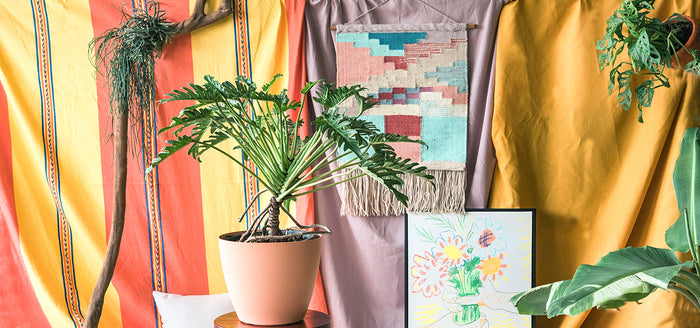
Plants offer a natural, flexible, and visually stunning solution. A well-placed plant arrangement can delineate zones without blocking light, create privacy without building walls, and add an organic element that no piece of furniture can replicate.
Why Plants Work as Room Dividers
They filter rather than block. Unlike solid partitions or curtains, plants allow light and air to pass through while still creating a visual boundary. This is crucial in compact Singapore homes where blocking light would make spaces feel smaller.
They add life. A bookshelf divider is functional. A plant-laden bookshelf divider is beautiful and functional. The greenery transforms a utilitarian solution into a design feature.
They are flexible. Plants on stands or in lightweight pots can be rearranged when you entertain, when seasons change, or when you simply want a different layout. Try doing that with a drywall partition.
They improve air quality. A cluster of plants acting as a room divider is also a cluster of natural air purifiers working for you.
They add texture and depth. The varied heights, leaf shapes, and shades of green in a plant grouping create visual complexity that solid dividers cannot match.
Method 1: Tall Floor Plants in a Row

The simplest approach — line up three to five tall plants to create a green screen between zones.
Best plants:
- Monstera Deliciosa — Large, split leaves create a lush, tropical screen
- Bird of Paradise — Tall, upright, with broad paddle-shaped leaves
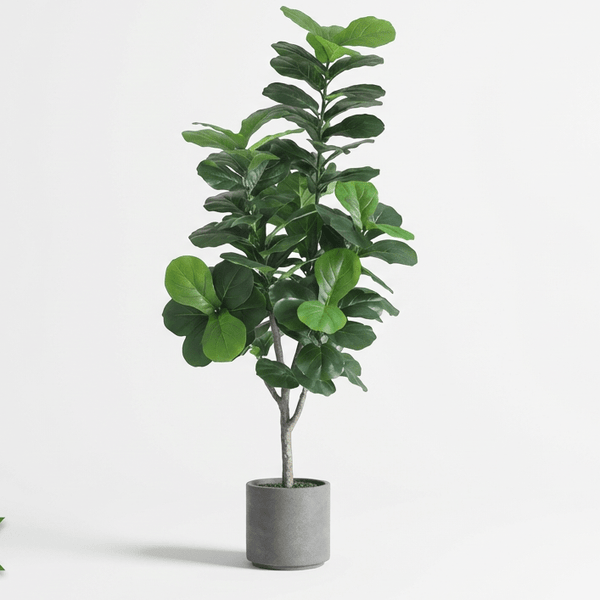
- Fiddle Leaf Fig — Sculptural and dramatic
- Dracaena — Tall and narrow, works in tight spaces
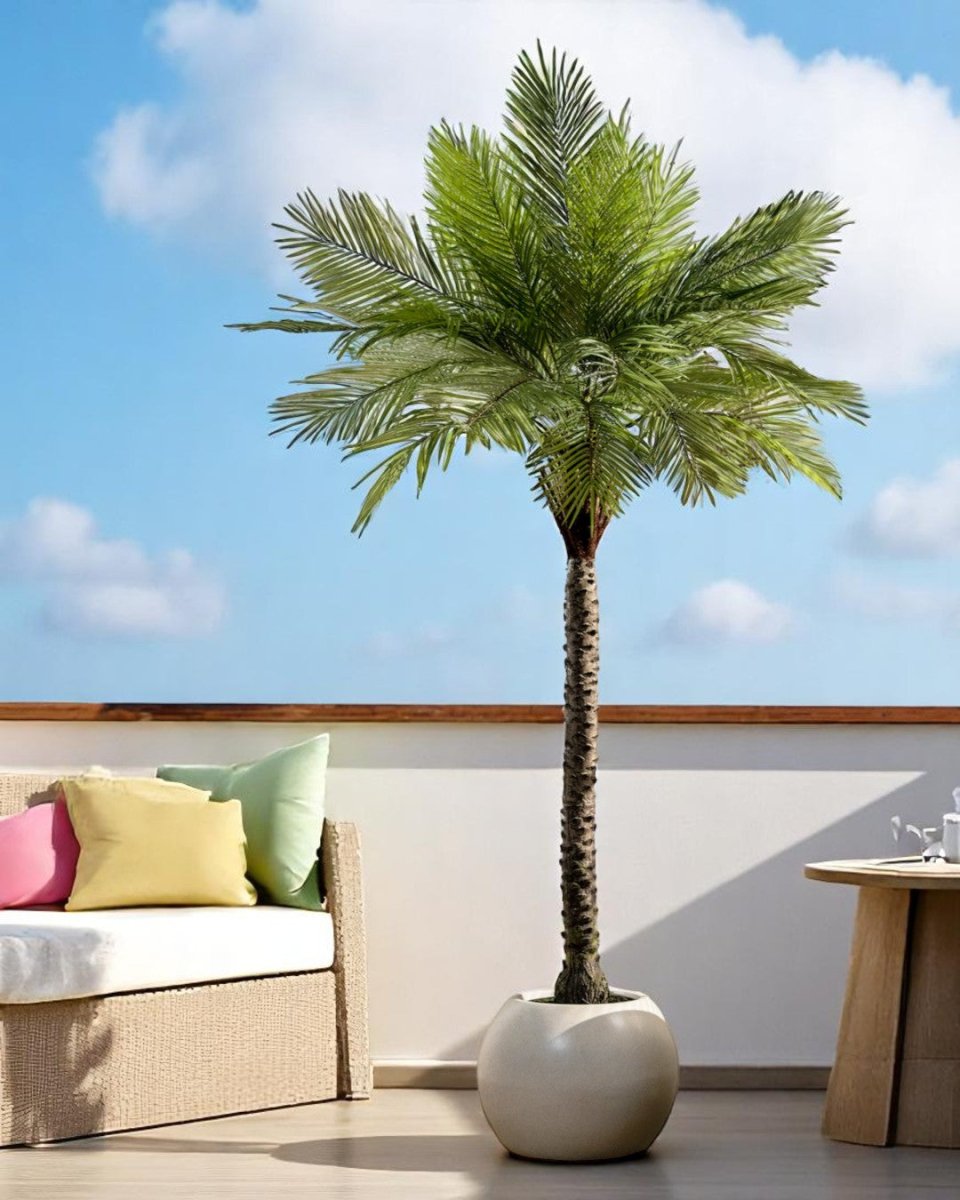
- Areca Palm — Feathery fronds that filter light beautifully
How to arrange:
- Place plants in a line, spaced 30-50cm apart
- Vary heights slightly for a natural look (tallest in the centre or at one end)
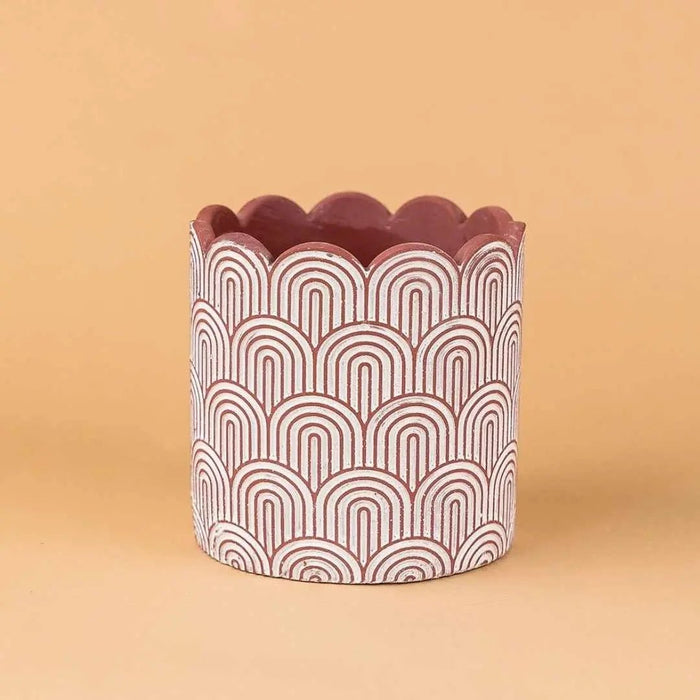
- Use matching pots for a cohesive look, or mix complementary styles
- Place on a runner or group of matching saucers to protect flooring
Best for: Dividing living and dining areas, creating an entry zone in the living room, or separating a home office from the living space.
Method 2: Open Shelving Unit with Plants
A freestanding bookshelf or open shelving unit becomes a living room divider when filled with a mix of plants, books, and objects.
Shelf selection:
- Open-backed shelving lets light through from both sides
- Choose a unit at least 120cm tall for effective division
- 25-30cm deep shelves accommodate most plants
Plant arrangement:
- Trailing plants (Pothos, String of Hearts) on the top shelf, cascading down one or both sides
- Compact upright plants (Aglaonema, Peperomia, small ferns) on middle shelves
- Mix with books, objects, and open space following the one-third rule (one-third plants, two-thirds other)
Best for: Studio apartments, multi-purpose rooms, and spaces where you want both storage and division.
Method 3: Hanging Plant Curtain

Suspended plants create an ethereal, curtain-like divider that uses zero floor space.
How to create it:
- Install a ceiling track, tension rod, or a row of ceiling hooks along the dividing line
- Hang trailing plants in macramé holders, ceramic hanging pots, or wire baskets at varying heights
- Space hangers 20-30cm apart for a dense curtain effect, or 40-50cm for a lighter, more open look
Best trailing plants for a plant curtain:
- Pothos — Fast-growing, lush cascading vines
- Philodendron Heartleaf — Dark, velvety trailing foliage
- String of Hearts — Delicate, romantic cascades
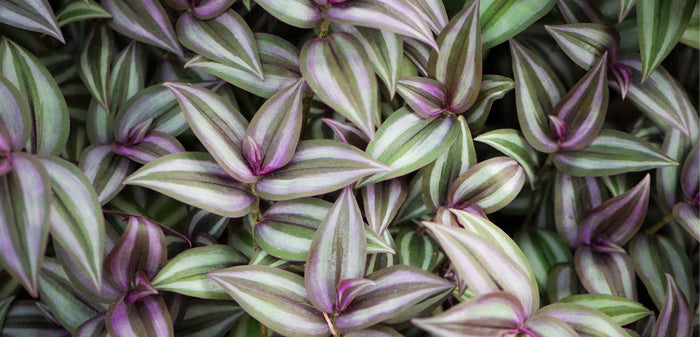
- Tradescantia — Colourful (purple/pink) for a vibrant screen
Practical considerations:
- Ensure ceiling hooks can support wet plant weight (3-5kg per hanger)
- Water using the remove-and-soak method to avoid dripping
- In HDB flats, drill into concrete ceilings using appropriate anchors
Best for: Dividing bed area from living area in studios, creating visual separation without losing light, and spaces where floor area is at a premium.
Method 4: Plant Stand Grouping
Cluster plant stands of varying heights to create a layered, garden-like divider.
The three-tier approach:
- Tall stand (100-120cm): Large foliage plant — Monstera, Fiddle Leaf Fig
- Medium stand (60-80cm): Bushy plant — Aglaonema, Peace Lily, fern
- Low stand (30-40cm): Compact plant or trailing variety — Peperomia, small Pothos
Arrange the stands in a staggered line rather than a straight row for a more organic, natural feel.
Best for: Creating a flexible divider that can be rearranged easily, adding a garden nook between zones.
Method 5: Trellis with Climbing Plants

A freestanding trellis or lattice screen with climbing plants creates a true living wall divider.
How to build it:
- Choose a freestanding trellis (bamboo, metal, or wood) at least 150cm tall
- Place a planter at the base or position potted climbing plants behind it
- Train vines onto the trellis using soft ties
- Over time, the plant fills the trellis, creating a green screen
Best climbing plants:
- Monstera adansonii — Fast-growing, fenestrated leaves fill a trellis beautifully
- Pothos — Reliable, vigorous, works in lower light
- Philodendron — Multiple vining species suitable for trellis growing
- Hoya — Slower but stunning when established, with the bonus of flowers
Best for: Creating a semi-permanent green screen in larger living areas, dividing indoor-outdoor transition zones near balconies.
Method 6: Low Planter Box
A long, low planter box (30-40cm tall) creates a subtle boundary without visual obstruction — ideal for defining zones without separating them completely.
How to set up:
- Use a rectangular planter or trough, 60-120cm long
- Fill with a row of plants at similar heights — compact Aglaonema, Peace Lily, or ferns
- Place along the line where two zones meet (e.g., between living and dining areas)
Best for: Subtle zone definition in open-plan spaces, along pathways, or as a boundary for a reading nook.
Lighting and Care Considerations
Light Assessment
Before choosing your divider location, assess the light:
- Dividers near windows: Choose any light-tolerant species
- Centre-of-room dividers: Choose low to medium light plants (Pothos, ZZ Plant, Aglaonema, Snake Plant)
- Dividers far from windows: Consider supplemental grow lights, especially for a trellis or shelf garden
Watering Logistics
A row of plants or a shelf garden requires practical watering access:
- Use pots with saucers or waterproof trays to protect floors
- For hanging curtains, schedule regular remove-and-soak watering sessions
- Consider self-watering pots for hard-to-reach arrangements
- Group plants with similar watering needs for efficient maintenance
Air Circulation
Dense plant groupings can restrict airflow, promoting fungal issues. Ensure:
- Space between individual plants for air movement
- A ceiling fan or standing fan circulates air in the room
- Do not pack plants so tightly that leaves overlap significantly
Small Space Solutions
In a Singapore HDB where every square metre counts:
Use vertical space. Hanging plants and tall plant stands create division without floor footprint.
Choose narrow profiles. Snake Plants, Dracaena, and Sansevieria cylindrica grow upward, not outward. They divide spaces while staying slim.
Multi-function. A bookshelf divider with plants serves as storage, display, and zone separator simultaneously.
Wheels help. Plant stands or shelving units on casters let you reconfigure for different occasions — push the divider aside when hosting, pull it back for daily privacy.
Shop Plants for Your Divider
Browse our collection of indoor plants to find the perfect mix for your living space. From tall statement plants to trailing cascaders, we deliver healthy specimens across Singapore — ready to turn your open-plan layout into a thoughtfully defined home.
The beauty of plant dividers is that they grow. What starts as a few modest plants on stands becomes, over months, a lush green boundary that feels like it has always been there. Start simple, let the plants grow into their roles, and enjoy a home that is both open and defined.
Quick summary
Key Takeaways
- Why Plants Work as Room Dividers
- Method 1: Tall Floor Plants in a Row
- Method 2: Open Shelving Unit with Plants
- Method 3: Hanging Plant Curtain
- Method 4: Plant Stand Grouping
- Method 5: Trellis with Climbing Plants
Ready to bring some green into your home?
Browse 250+ hand-picked plants, curated for Singapore homes — delivered to your door.
Browse All Plants →