















Best Get Well Soon Plant Gifts in Singapore | Tumbleweed Plants Singapore
Posted on April 10 2026
In this article

When someone you care about is unwell, you want to do something. But what? Flowers are traditional but temporary — they wilt within a week. Food is thoughtful but restrictive — dietary needs vary, especially during illness. A plant offers something different: a living thing that grows alongside someone's recovery. It arrives when they are feeling low and is still thriving when they are feeling better. The plant becomes a marker of progress, a quiet reminder that things improve.
Why Plants Work as Get Well Gifts
They last. Unlike cut flowers, a potted plant continues living. Weeks or months later, the recovered person still has the plant — a permanent reminder of the gesture and the recovery.
They require minimal care. The best get-well plants are low-maintenance, because the last thing an unwell person needs is a demanding plant care routine.
They improve the environment. A small plant in a hospital room or recovery space adds colour, life, and a connection to nature in an otherwise clinical setting.
They are universally appropriate. Plants work for any illness, any relationship, any age. They carry no awkward connotation and suit every recovery setting — hospital, home, or care facility.
Best Get Well Plants

Peace Lily
Why it is ideal: Elegant white blooms, dark green leaves, and almost impossible to kill. The Peace Lily thrives in low light — perfect for hospital rooms and dim recovery spaces.
Care: Water weekly. Tolerates low light. Wilts visibly when thirsty (a built-in reminder that is helpful for a recovering person), then perks back up after watering.
Symbolism: Peace, healing, and renewal. The name itself is fitting.
Snake Plant (Small)
Why it is ideal: Zero-fuss. The Snake Plant can go weeks without water and tolerates any light level. Perfect for someone who is too unwell to fuss over a plant.
Care: Water every 2-3 weeks. Any light. Truly neglect-proof.
Best for: Long recoveries where the plant may not receive regular attention.
Pothos
Why it is ideal: Cheerful, trailing green vines that grow visibly. Watching a Pothos put out new leaves week by week gives a recovering person something to look forward to — small, steady progress that mirrors their own recovery.
Care: Water weekly. Medium to bright indirect light. Very forgiving.
Best for: Home recoveries where the plant is in a living space with reasonable light.
Aglaonema
Why it is ideal: Colourful foliage in pink, red, and silver brightens any recovery space. Low-light tolerant and undemanding.
Care: Water weekly. Adapts to low light. Minimal maintenance.
Best for: Adding colour and cheer to a bedside or recovery room.
Lucky Bamboo
Why it is ideal: In Chinese culture, Lucky Bamboo symbolises health and resilience — an especially meaningful choice for a get-well gift. Grows in water, requiring no soil or complex care.
Care: Keep in water. Change water every 2 weeks. Indirect light. Essentially maintenance-free.
Best for: Hospital rooms (no soil means no mess). Culturally significant get-well gesture.
Orchid (Phalaenopsis)
Why it is ideal: Premium, elegant, and long-blooming (2-3 months). An orchid says "this is important to me" — it is the top-tier get-well gift for close relationships.
Care: Water weekly. Bright indirect light. Blooms for months without intervention.
Best for: Close family members, partners, or significant relationships where the gift should feel substantial.
Hospital Considerations
What to Check
- Does the ward allow plants? Some ICUs, transplant wards, and sterile environments prohibit live plants due to infection risk. Call ahead.
- Allergies? Confirm the patient has no plant-related allergies.
- Space limitations. Hospital bedsides have limited space. Choose small to medium plants in compact pots.
Hospital-Friendly Plants
- Small Snake Plant in a 10-12cm pot
- Lucky Bamboo in a glass vase
- Small Aglaonema in a compact planter
- Single orchid in a modest pot
Avoid: Large plants, plants with strong fragrance, plants with loose soil (messy), and plants with thorns or sharp edges.
Home Recovery Gifts

For someone recovering at home, you have more flexibility:
- Larger plants are practical — a medium Peace Lily or Pothos in a nice pot
- Delivery to their doorstep removes the transport challenge
- Include a handwritten note with the delivery
- Consider their recovery space — bedroom plants should tolerate lower light
Presentation
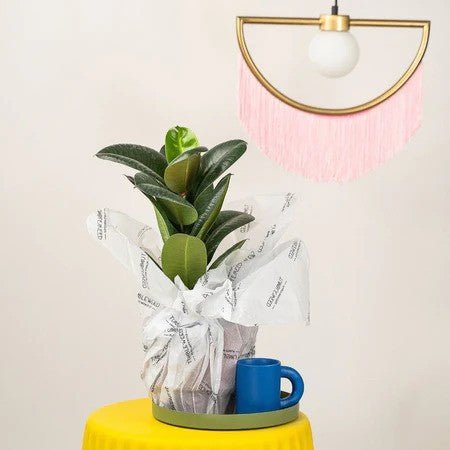
Keep it simple. A clean pot, a small card. The gift speaks for itself.
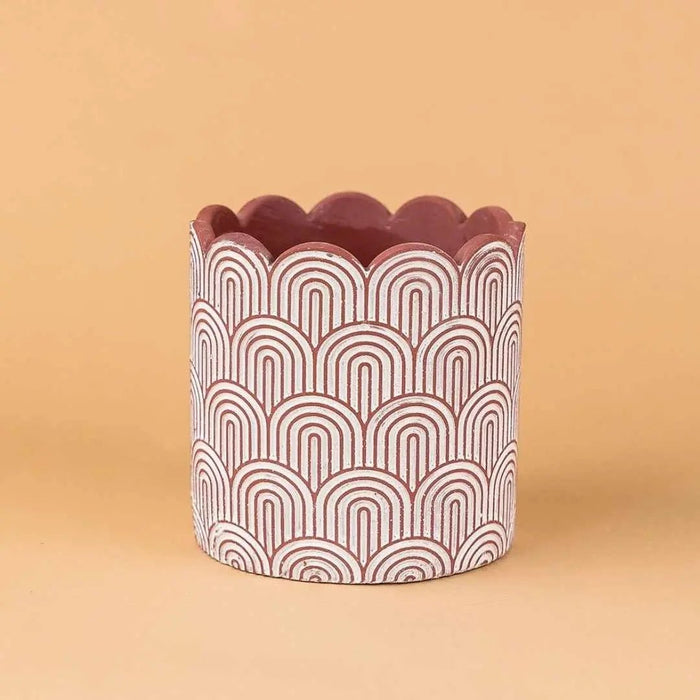
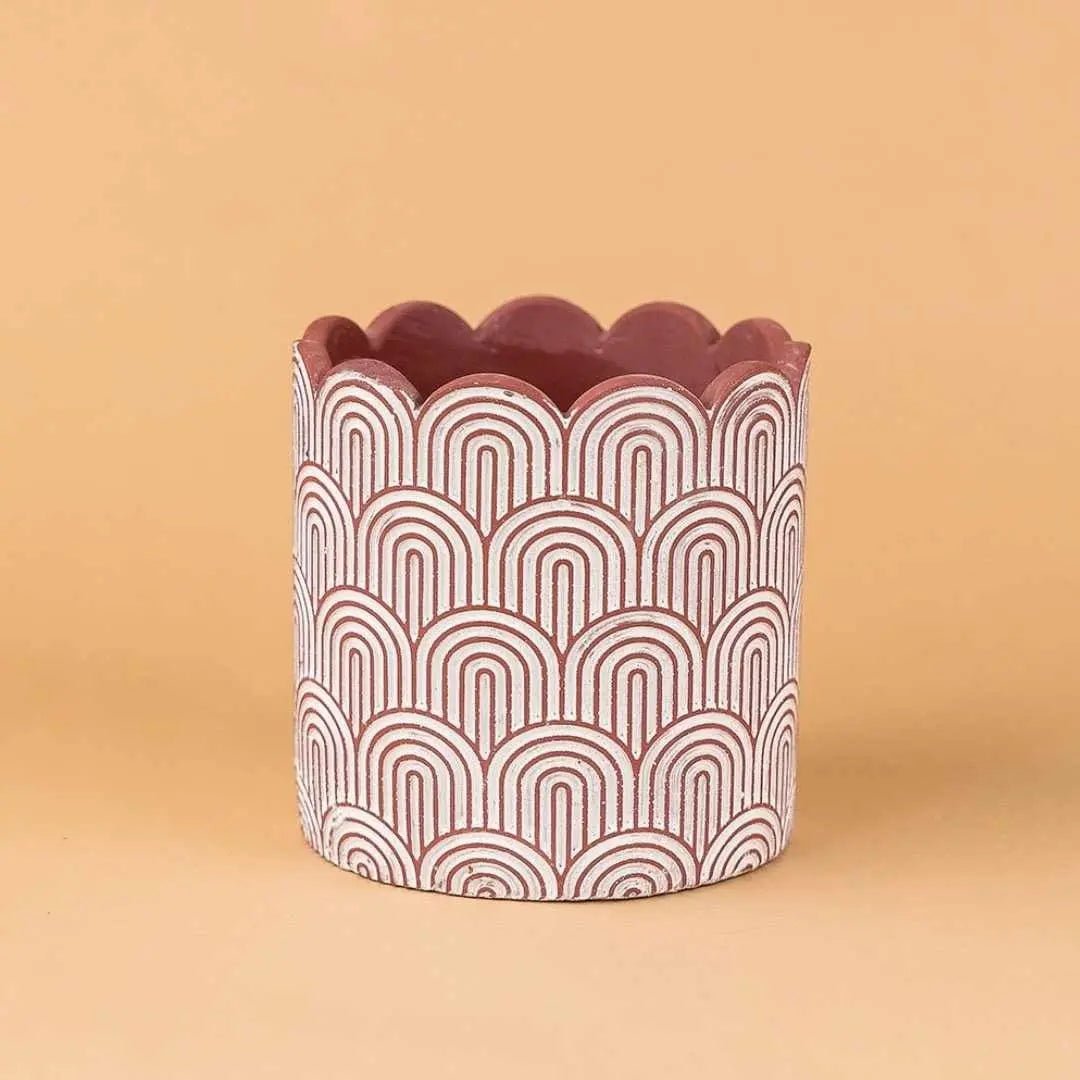
Pot colours: Soft, calming tones — white, light green, soft blue. Avoid overly bright or jarring colours. The aesthetic should be soothing.
Card message ideas:
- "Something alive and growing, like your recovery."
- "Low maintenance — just like the best kind of company."
- "This one is hard to kill. So are you."
- "Every new leaf is a good day."
Budget Guide

| Budget | Suggestion |
|---|---|
| Under $20 | Lucky Bamboo in a simple glass vase |
| $20-$35 | Small Snake Plant or Aglaonema in a ceramic pot |
| $35-$50 | Medium Peace Lily or Pothos in a quality pot |
| $50-$80 | Orchid or premium plant arrangement |
| $80+ | Large orchid display or curated plant gift set |
Timing
Send early in recovery. The first days and weeks are the hardest. A plant arriving on day 2 or 3 of recovery has more impact than one arriving two weeks later.
For surgery recoveries: Send 1-2 days after the procedure, when the initial post-surgery fog has cleared and the person can appreciate visitors and gifts.
For long illnesses: A plant sent during a prolonged treatment (chemotherapy, rehabilitation, chronic illness management) carries a different message — "I have not forgotten you." These gifts are especially meaningful because attention from others often fades during long recoveries.
Shop Get Well Plants
Browse our indoor plant collection for low-maintenance, cheerful plants delivered across Singapore. We deliver to homes, offices, and hospital areas (where permitted).
A get-well plant does not cure anything. It does not speed recovery or replace medicine. But it does something that medicine cannot — it tells someone they are thought of, cared about, and expected to recover. A living plant in a recovery room is an act of optimism. It says: this will still be here when you feel better. It says: things grow. And on a difficult day in a hospital bed or a quiet afternoon at home recovering, that small green thing on the nightstand matters more than you might think.
Quick summary
Key Takeaways
- Why Plants Work as Get Well Gifts
- Best Get Well Plants
- Hospital Considerations
- Home Recovery Gifts
- Presentation
- Budget Guide
Ready to bring some green into your home?
Browse 250+ hand-picked plants, curated for Singapore homes — delivered to your door.
Browse All Plants →