



















Best Plant Gifts for Kids in Singapore | Tumbleweed Plants Singapore
Posted on April 10 2026
In this article

A plant is one of the best first responsibilities you can give a child. Unlike a pet (which requires daily feeding, cleaning, and veterinary care), a plant is low-stakes: water it once a week, put it near a window, and watch it grow. The consequences of mistakes are minor — a yellow leaf, some wilting — and the lessons are real: living things need care, consistency, and attention.
For kids in Singapore, where outdoor gardening space is limited in most HDB and condo homes, an indoor plant offers a tangible connection to nature. It teaches patience (growth is slow), observation (spot the new leaf), and science (why does it lean toward the light?).
What Makes a Good Kids' Plant
Non-toxic. Essential. Kids touch everything and younger children put things in their mouths. The plant must be safe if accidentally ingested.
Hard to kill. A child's first plant must survive irregular watering, occasional overwatering, and benign neglect. If the plant dies within a month, the lesson is not "caring for living things" — it is "I am bad at this."
Visibly responsive. Kids stay engaged when they can see results. Fast-growing plants, plants that move, or plants that produce babies keep a child's interest better than slow-growing, static plants.
Appropriate size. A small to medium plant that fits on a child's desk or bedside table. They need to own it — not just watch their parent's plant.
Best Plants for Kids

Spider Plant
Why kids love it: Fast-growing and produces dangling baby plantlets (spiderettes) on long stems. Kids can remove the babies and pot them up — growing their own new plant from scratch.
Safety: Non-toxic to children and pets.
Care: Water weekly. Bright indirect to medium light. Extremely forgiving of inconsistent care.
Learning opportunity: Propagation. When the babies appear, help the child cut and pot one. They witness the cycle of plant reproduction firsthand.
Venus Flytrap
Why kids love it: It eats bugs. No further explanation needed. The carnivorous snap action is endlessly fascinating to children of all ages.
Safety: Non-toxic. Perfectly safe to handle.
Care: Keep soil consistently moist with distilled or rainwater (tap water chemicals harm it). Bright direct light — needs a sunny windowsill.
Learning opportunity: Adaptations. Why does a plant eat insects? The Venus Flytrap evolved to get nutrients from insects because it grows in nutrient-poor bogs. This is real biology happening on a child's windowsill.
Note: Venus Flytraps are more demanding than other kids' plants and may not survive long-term in Singapore's conditions without care. Set expectations — it is an experiment, not a guaranteed forever-plant.
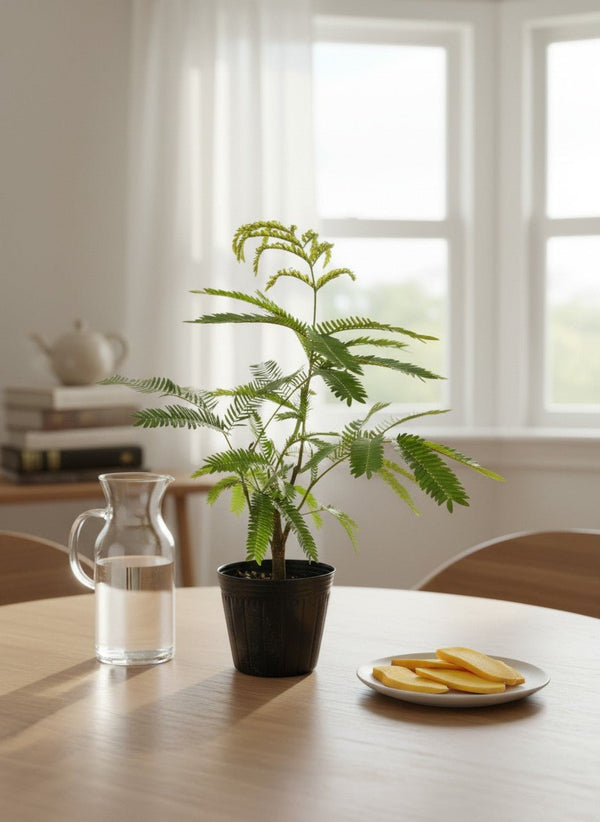
Sensitive Plant (Mimosa pudica)
Why kids love it: Touch the leaves and they fold shut instantly. The rapid movement is magical and interactive — the plant responds to touch in real time.
Safety: Non-toxic.
Care: Bright light. Keep moist. Easy to grow from seed in Singapore.
Learning opportunity: Thigmonasty (plant movement in response to touch). Why does the plant fold? To scare herbivores into thinking the leaves have disappeared. This is survival strategy made visible.
Pothos (Golden)
Why kids love it: Fast, visible growth. A Pothos vine adds a new leaf every week or two — frequent enough for a child to track progress. The trailing vines can be trained along a wall or shelf.
Safety: Mildly toxic if ingested (causes mouth irritation). Suitable for older children (6+) who will not eat leaves. Not recommended for toddlers.
Care: Water weekly. Any light level. Nearly impossible to kill.
Learning opportunity: Growth tracking. Have the child measure the vine length weekly and record it in a journal or chart. Real data from a real organism.
Peperomia (Watermelon)
Why kids love it: The leaves look exactly like tiny watermelons — green with light stripes. The visual novelty appeals to children.
Safety: Non-toxic.
Care: Water every 7-10 days. Bright indirect light. Compact and desk-friendly.
Learning opportunity: Observation. Have the child draw the leaf pattern — it teaches close observation and artistic skills simultaneously.
Aloe Vera
Why kids love it: It is useful — break a leaf and the gel soothes minor burns and scrapes. Kids appreciate plants that do something practical.
Safety: The gel is safe for skin. The plant is mildly toxic if eaten by pets.
Care: Bright light. Water every 2-3 weeks. Extremely drought-tolerant.
Learning opportunity: Practical botany. Plants provide medicine, food, and materials — Aloe is a direct, tangible example.
Sunflower (from Seed)
Why kids love it: Growing from seed is the ultimate plant experience. The child plants a seed, watches it germinate, and sees it grow into something tall and dramatic with a big, recognisable flower.
Safety: Non-toxic.
Care: Needs direct sun (balcony or sunny window). Water daily. Best grown outdoors or on a bright balcony in Singapore.
Learning opportunity: The complete plant life cycle — seed to flower to seed.
Age-Specific Recommendations
| Age | Best Plants | Why |
|---|---|---|
| 3-5 | Sensitive Plant, Spider Plant | Interactive (touch response), visual (babies), non-toxic |
| 5-8 | Spider Plant, Venus Flytrap, Sunflower (from seed) | Engaging, educational, interactive |
| 8-12 | Pothos, Aloe Vera, Peperomia, Venus Flytrap | More independence in care, learning responsibility |
| 12+ | Any beginner-friendly plant | Ready for real plant ownership and care routines |
Making It Educational

The Plant Journal
Give the child a small notebook alongside the plant. Each week, they record:
- Did I water it?
- How does it look? (Healthy, droopy, new leaf?)
- Any changes since last week?
Simple entries build observation skills and create a record they can look back on.
Measuring Growth
Use a ruler or tape measure to track vine length (Pothos) or height (Snake Plant, Sunflower) weekly. Plot the data on a simple graph. This is real science — data collection, graphing, trend observation.
Propagation Project
When a Spider Plant produces babies or a Pothos vine is long enough to cut:
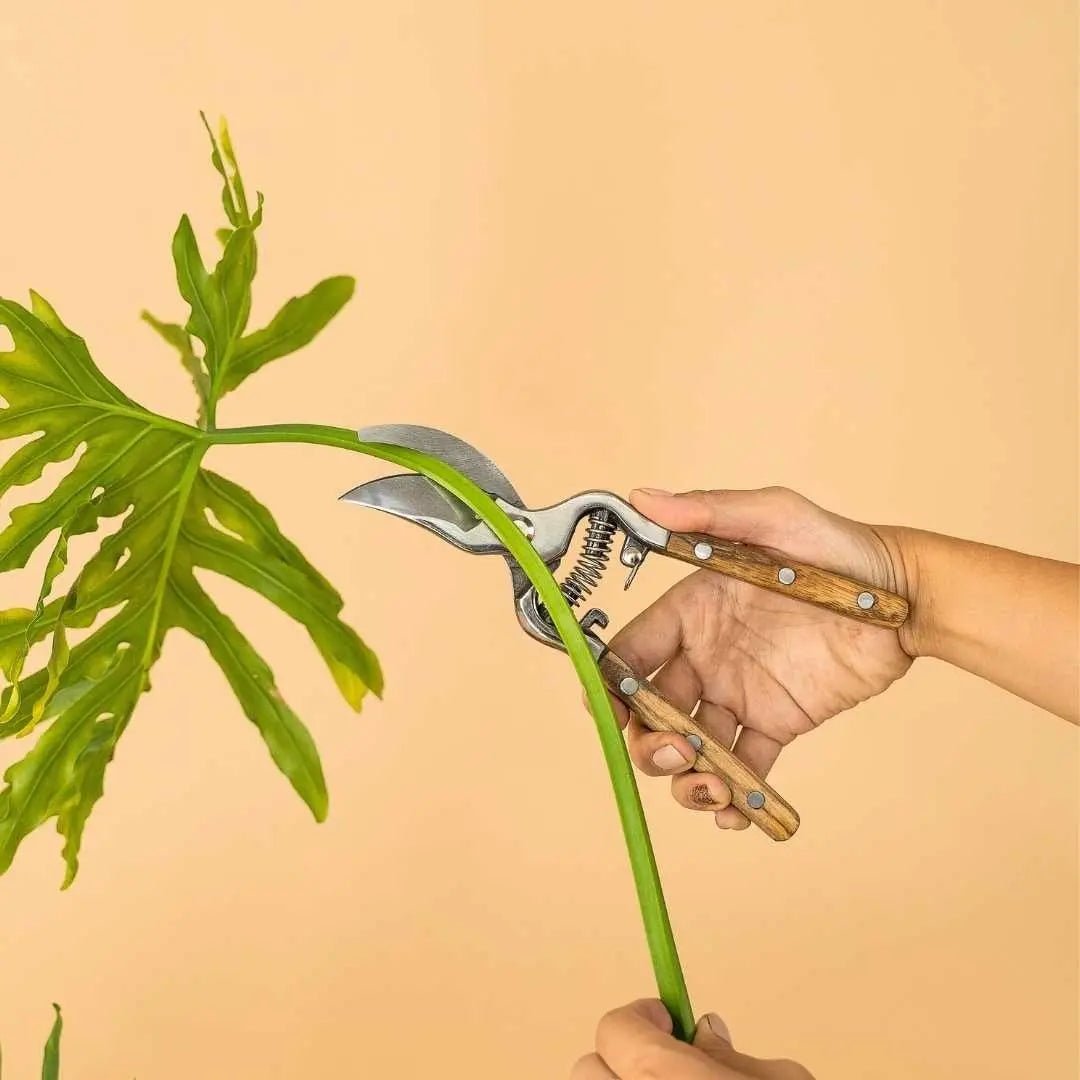
- Help the child take a cutting
- Root it in a glass of water (watching roots form is fascinating for kids)
- Pot it in soil when roots are established
- Gift the new plant to a friend or family member
This teaches the complete propagation cycle and the joy of sharing.
Presentation
For Gifting to a Child
- Choose a colourful pot (unlike adult plant gifts where neutral is preferred, kids enjoy colour)
- Include a simple, handwritten care card with age-appropriate instructions
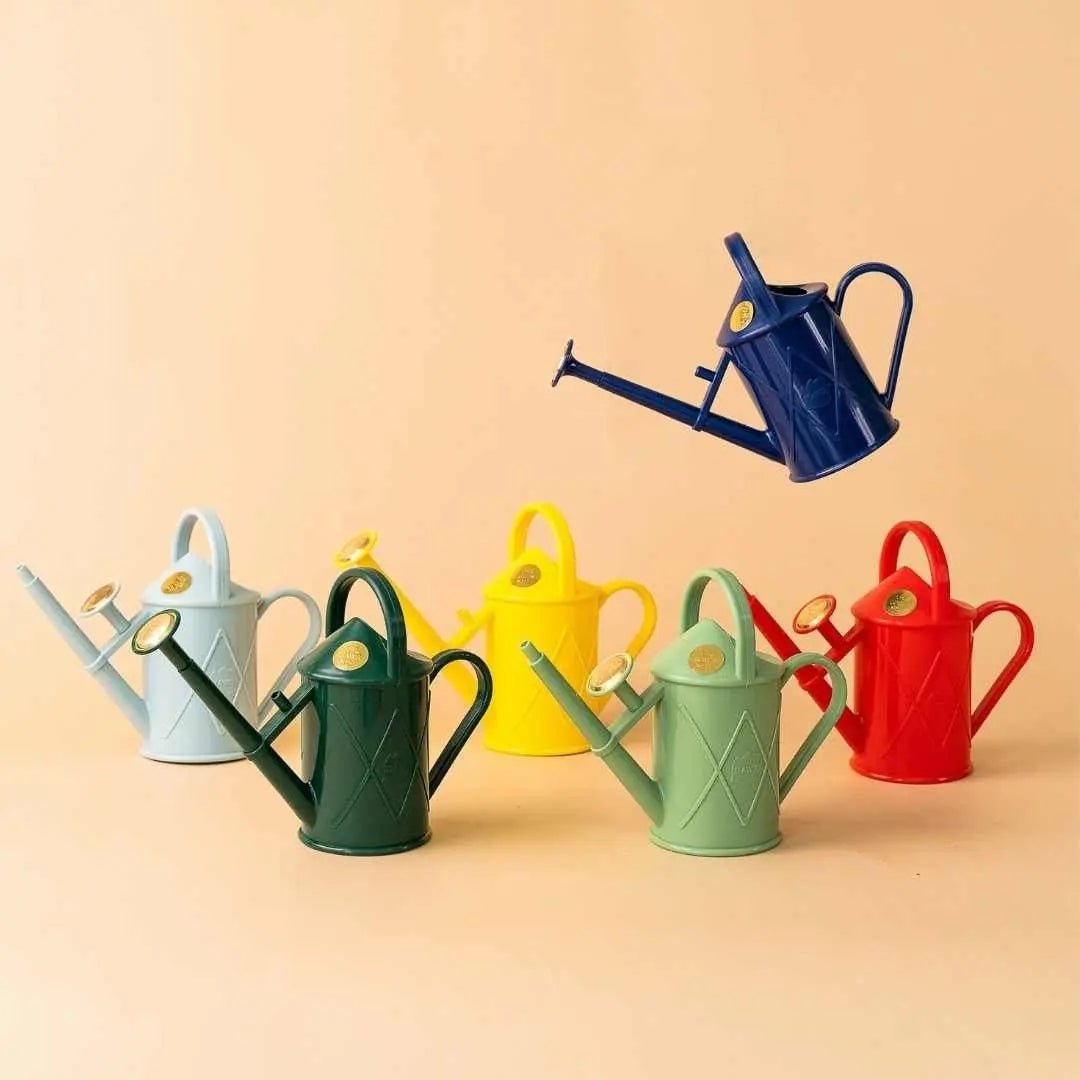
- Consider including a small watering can, a magnifying glass (for inspecting leaves), or a journal
- Let the child name the plant — naming creates ownership and attachment
Shop Kids' Plants

Browse our indoor plant collection for safe, resilient plants delivered across Singapore.
A child's first plant is not about horticulture. It is about the moment they notice a new leaf unfurling and rush to tell you about it. It is about the pride of keeping something alive, the curiosity of watching roots form in a glass of water, the gentle lesson that living things need you to show up consistently — not perfectly, just consistently. In a world where so much of a child's experience is digital and instant, a plant offers something radically different: something slow, something real, something alive that depends on them. That is a powerful thing to give a child, and it fits in a 10-centimetre pot.
Quick summary
Key Takeaways
- What Makes a Good Kids' Plant
- Best Plants for Kids
- Age-Specific Recommendations
- Making It Educational
- Presentation
- Shop Kids' Plants
Ready to bring some green into your home?
Browse 250+ hand-picked plants, curated for Singapore homes — delivered to your door.
Browse All Plants →