
















How to Build a Terrarium in Singapore | Tumbleweed Plants Singapore
Posted on April 10 2026
In this article

A terrarium is a miniature ecosystem in glass — a self-contained garden that captures the magic of a forest floor in a jar, bowl, or geometric vessel. Building one is part science, part art, and entirely satisfying. The result is a living diorama that requires minimal maintenance and adds a unique decorative element to any room.
In Singapore, terrariums have been popular for years — terrarium-making workshops are one of our most booked plant activities. But building your own at home is straightforward once you understand the principles. This guide walks you through the process.
Open vs. Closed Terrariums
Closed Terrariums
How they work: A sealed or nearly sealed glass container creates a self-sustaining water cycle. Moisture evaporates from the soil and plants, condenses on the glass walls, and drips back down — recycling water endlessly. Once established, a closed terrarium can go months without watering.
Best for: Humidity-loving plants — ferns, mosses, Fittonia, small Peperomia. Singapore's warm climate accelerates the internal water cycle, making closed terrariums particularly effective here.
Container: Any glass vessel with a lid or narrow opening — mason jars, glass cloches, fishbowl-shaped vessels, apothecary jars.
Open Terrariums
How they work: An open glass container (no lid) allows air circulation. Water evaporates normally, so the terrarium needs occasional watering — but much less than potted plants.
Best for: Plants that prefer lower humidity and drier conditions — succulents, cacti, air plants. In Singapore's humidity, open terrariums work well because the ambient moisture reduces the need for frequent watering.
Container: Any open glass vessel — geometric terrariums, glass bowls, open-topped jars, glass orbs.
Materials Needed

Container
- Glass vessel (closed or open, depending on your choice)
- Size: at least 15cm diameter for a small terrarium; 20-30cm for a more substantial one
Drainage Layer
- Small pebbles, gravel, or LECA (2-3cm layer)
- Purpose: allows excess water to drain away from roots
Separation Layer
- Activated charcoal (a thin layer)
- Purpose: filters water, prevents odour, inhibits bacterial and fungal growth
Barrier Layer (Optional but Recommended)
- Sheet moss or a piece of landscape fabric
- Purpose: prevents soil from falling into the drainage layer
Soil
- For closed terrariums: potting mix with added perlite (60/40)
- For open terrariums with succulents: succulent/cacti mix
Plants
- 2-5 small plants depending on terrarium size
- Choose plants with similar light and water needs
Decorative Elements (Optional)
- Small stones, pebbles, or sand
- Miniature figurines or ornaments
- Driftwood, bark, or small branches
- Moss for ground cover
Step-by-Step: Building a Closed Terrarium
Step 1: Clean the Container
Wash the glass vessel with soap and water. Dry thoroughly. A clean container prevents algae and bacterial growth.
Step 2: Add the Drainage Layer
Pour 2-3cm of pebbles or LECA into the bottom of the container. This layer collects excess water so roots do not sit in standing water.
Step 3: Add Charcoal
Sprinkle a thin layer (0.5-1cm) of activated charcoal over the pebbles. This acts as a filter and deodoriser.
Step 4: Add the Barrier
Place a thin layer of sheet moss or landscape fabric over the charcoal. This prevents soil from migrating into the drainage layer.
Step 5: Add Soil
Add 3-5cm of moistened potting mix. The depth should be enough for plant roots without filling more than a quarter of the container.
Step 6: Plant
Create small holes in the soil for each plant:
- Start with the largest plant in the back or centre
- Place smaller plants around it
- Firm the soil gently around each root ball
- Leave space between plants for growth
Planting tip for narrow-necked containers: Use long tweezers or chopsticks to position plants and press soil.
Step 7: Decorate
Add decorative elements:
- Sheet moss or preserved moss around the base of plants for ground cover
- Small stones or pebbles for pathways or accents
- A piece of driftwood for height and interest
- Miniature figurines if desired (popular in Singapore terrarium culture)
Step 8: Water Lightly
Mist the interior lightly with a spray bottle. The soil should be moist, not saturated. For closed terrariums, less water is better — you can always add more but cannot easily remove excess.
Step 9: Close and Place
Place the lid on (for closed terrariums) and position in bright indirect light. Never in direct sun — the glass amplifies heat and will cook the plants.
Best Plants for Terrariums

For Closed Terrariums
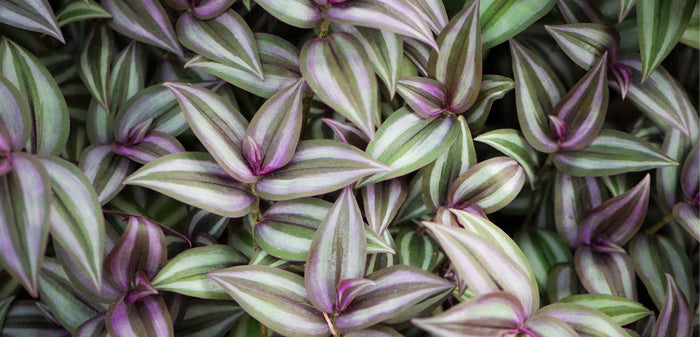
Fittonia (Nerve Plant) — Colourful pink, white, or red-veined leaves. The most popular terrarium plant. Loves humidity.
Sheet Moss — Creates a lush forest-floor carpet. Essential ground cover for closed terrariums.
Small Ferns — Button fern, maidenhair fern varieties. Add height and texture.
Selaginella (Spikemoss) — Fern-like, delicate foliage. Thrives in high humidity.
Small Peperomia — Compact varieties add leaf diversity.
For Open Terrariums
Succulents — Echeveria, Haworthia, small Sedum. Need bright light.
Air Plants (Tillandsia) — No soil needed. Place on sand, stones, or driftwood.
Small Cacti — Miniature cacti add architectural interest.
Maintenance
Closed Terrariums
Watering: Rarely needed. The water cycle is self-sustaining. If the glass never fogs or condenses, add a small mist. If condensation is excessive (cannot see through the glass), open the lid for a few hours to release excess moisture.
Light: Bright indirect light. Never direct sun.
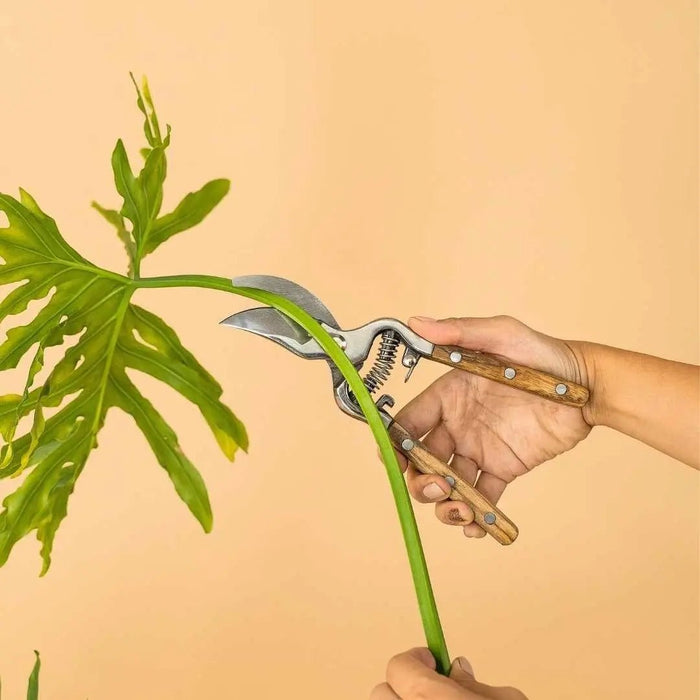
Pruning: Trim any plants that overgrow their space with clean, small scissors. Remove dead leaves promptly.
Frequency: Check weekly, but active intervention may only be needed monthly.
Open Terrariums
Watering: Every 1-2 weeks for tropical plants. Every 2-3 weeks for succulents. Water sparingly — there is no drainage hole.
Light: Bright indirect for tropical. Bright direct for succulents and cacti.
Pruning: Trim as needed to maintain the miniature scale.
Common Problems

Foggy Glass (Closed Terrariums)
Some condensation is normal and healthy. Excessive fogging (cannot see the plants) means too much moisture. Open the lid for 2-4 hours to release excess humidity.
Mould
White fuzzy mould on soil or plants indicates too much moisture and poor air circulation. Remove visible mould with a cotton swab, increase air circulation (open the lid periodically), and reduce watering.
Yellowing Plants
Overwatering (too much moisture in the system) or insufficient light. For closed terrariums, open the lid to dry slightly. Move to brighter indirect light.
Algae on Glass
Green algae growth on the glass interior indicates too much light or moisture. Clean with a paper towel or cotton swab. Reduce light exposure slightly and open the lid to lower humidity temporarily.
Where to Buy Terrarium Supplies in Singapore
- Nurseries — Most carry pebbles, charcoal, soil, and small plants
- Shopee and Lazada — Terrarium kits with all materials included
- Craft stores — Glass containers, decorative elements
- Aquarium shops — Glass vessels, pebbles, driftwood, mosses
Shop Terrarium Plants
Browse our indoor plant collection for small plants suitable for terrarium building. From tiny ferns to compact Peperomia, we deliver across Singapore.
A terrarium is a garden for people who do not have a garden. It is a forest floor for people who live in high-rises. It is a piece of nature, sealed in glass, that sits on your desk and asks for almost nothing while giving you something to look at that is not a screen. Build one this weekend. It takes an hour, costs less than a nice dinner, and lasts for years.
Quick summary
Key Takeaways
- Open vs. Closed Terrariums
- Materials Needed
- Step-by-Step: Building a Closed Terrarium
- Best Plants for Terrariums
- Maintenance
- Common Problems
Ready to bring some green into your home?
Browse 250+ hand-picked plants, curated for Singapore homes — delivered to your door.
Browse All Plants →








Comments
0 Comments
Leave a Comment