
















Indoor Gardening vs Outdoor Gardening in Singapore | Tumbleweed Plants Singapore
Posted on April 10 2026
In this article

Singapore's gardening community is split between two worlds: the indoor plant enthusiasts who curate Monstera collections in air-conditioned living rooms, and the outdoor gardeners who grow herbs, vegetables, and flowering plants on balconies, rooftops, and community garden plots. Both communities are passionate, and both face unique challenges in Singapore's tropical environment.
If you are deciding where to focus your green efforts — or considering expanding from one to the other — here is an honest comparison.
Space
Indoor
Reality: Most indoor plant space is limited to windowsills, shelves, floor corners, and surfaces. A typical HDB flat might have room for 10-30 plants depending on size and placement.
Advantage: You use existing space — no need for dedicated garden plots or raised beds.
Limitation: Floor space is finite. Vertical solutions (shelves, hanging plants, wall mounts) help but have practical limits.
Outdoor
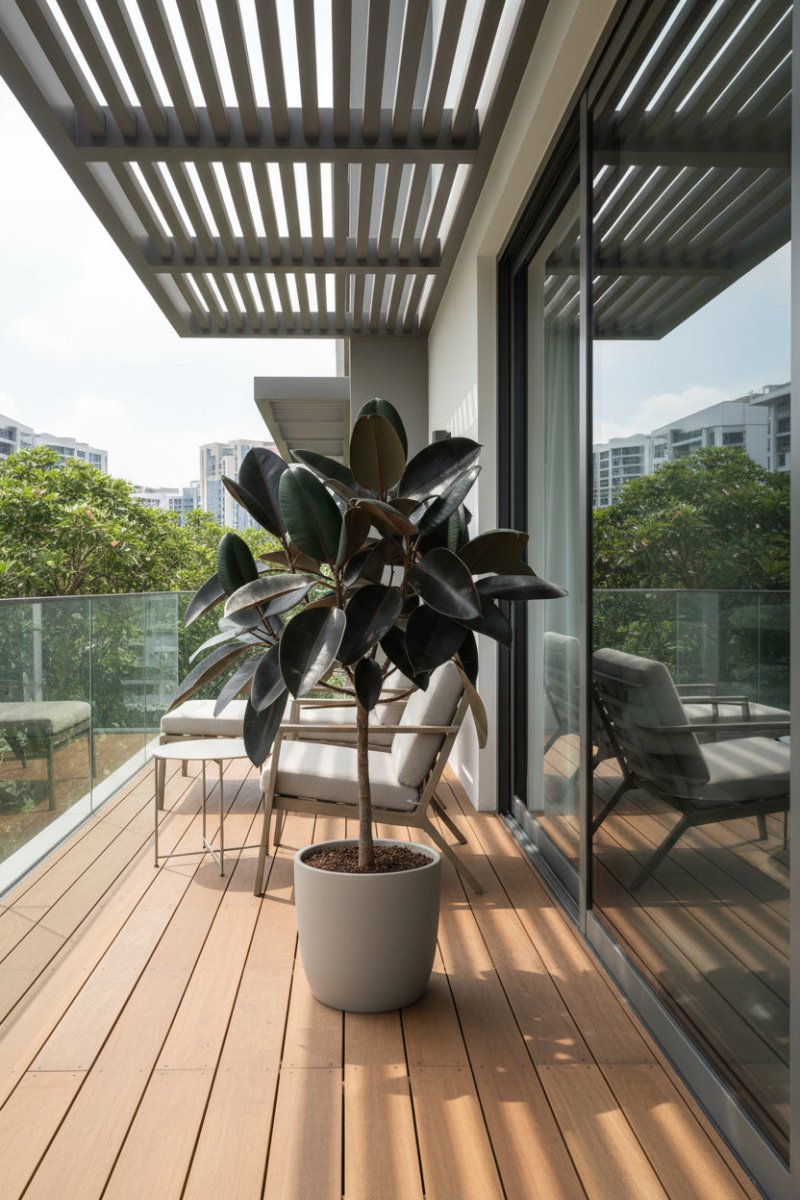
Reality: Outdoor space in Singapore is scarce. Options include HDB balconies (typically 2-5 sqm), condo balconies and patios, landed property gardens, and community garden plots (allotment gardens managed by NParks).
Advantage: Even a small balcony provides far more growing space than a windowsill, plus direct sunlight.
Limitation: Many HDB units have minimal balcony space. Not all condos allow extensive balcony gardening. Community garden plots have waitlists.
Light

Indoor
Challenge: Most indoor spaces in Singapore receive far less light than plants ideally need. North-facing units, lower floors, and interior rooms can be genuinely dim.
Solutions: Window proximity, grow lights, and choosing low-light tolerant species (Snake Plant, ZZ Plant, Pothos, Peace Lily).
Advantage: No risk of sunburn. Controlled, consistent light conditions.
Outdoor
Challenge: The opposite problem — direct tropical sun can be intense (especially west-facing balconies in the afternoon), scorching shade-loving plants.
Solutions: Shade cloth, strategic placement under overhangs, and choosing sun-tolerant species.
Advantage: Abundant light supports a much wider range of plants, including flowering and fruiting species.
Watering
Indoor
Schedule: Most indoor plants need watering every 5-14 days depending on species and conditions.
Challenge: Overwatering is the number one indoor plant killer in Singapore. High humidity slows soil drying.
Advantage: Controlled environment — no unexpected rainstorms flooding your pots.
Outdoor
Schedule: Daily or every other day during dry periods. Singapore's rain can sometimes do the job for you.
Challenge: Monsoon season can waterlog outdoor pots if drainage is poor. Dry spells require daily attention. Going on holiday means outdoor plants may suffer without a watering system.
Advantage: Natural rainfall reduces watering effort during rainy seasons.
Temperature and Humidity

Indoor
Range: AC rooms: 22-25°C, 50-60% humidity. Non-AC rooms: 28-32°C, 70-80% humidity.
Advantage: Air conditioning creates conditions that some plants prefer (Pilea, some succulents).
Challenge: AC fluctuations between day (hot, humid) and night (cold, dry) can stress sensitive plants.
Outdoor
Range: 25-33°C, 70-90% humidity. Consistent tropical conditions.
Advantage: Many tropical plants thrive in Singapore's natural outdoor conditions without any intervention.
Challenge: Heat stress during the hottest months. No temperature control.
What You Can Grow
Indoor (Expanded List)
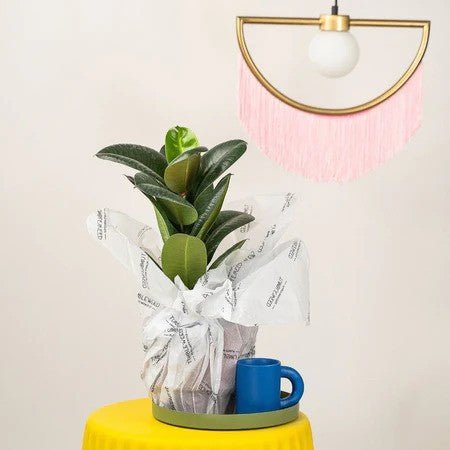
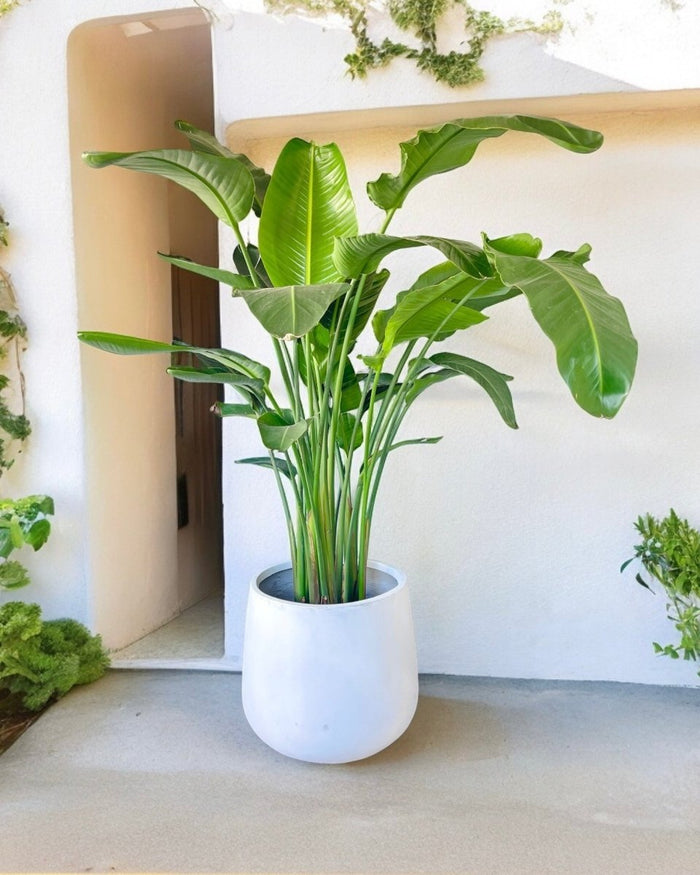
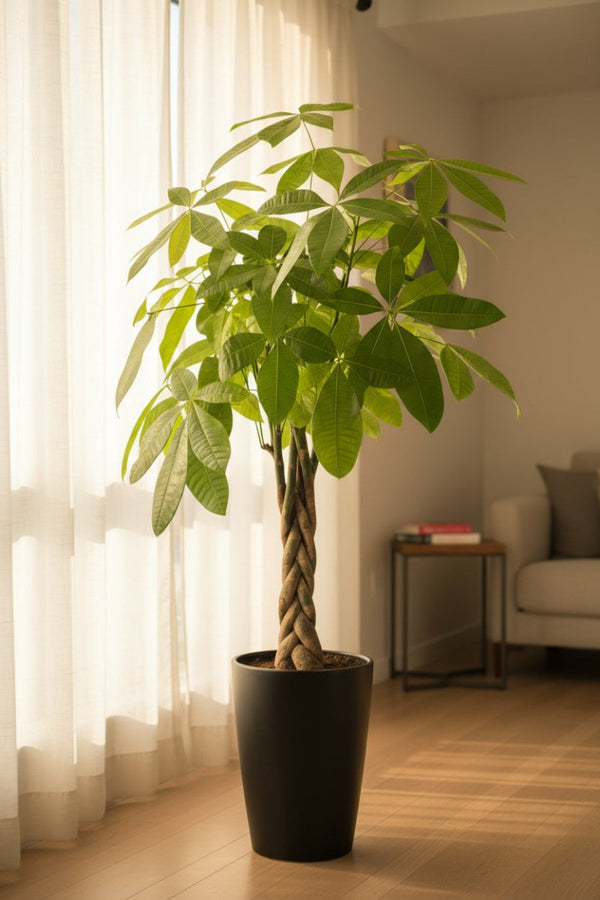
- Foliage houseplants: Monstera, Philodendron, Pothos, Aglaonema, Snake Plant, ZZ Plant, Calathea, Alocasia, ferns
- Some flowering plants: Peace Lily, orchids, Hoya (in bright spots)
- Herbs (in sunny windowsills): Basil, mint, pandan (with supplemental light)
- Succulents and cacti (in bright windows)
- Terrariums and miniature gardens
Outdoor (Expanded List)
Everything indoor plants can do, plus:
- Vegetables: kangkong, chilli, tomato, long beans, lettuce, kale
- Herbs: basil, mint, pandan, lemongrass, curry leaves, rosemary
- Fruits: lime, chilli padi, papaya (in larger spaces)
- Flowering plants: bougainvillea, hibiscus, frangipani, orchids (Vanda, Dendrobium)
- Edibles: spring onion, ginger, turmeric
The key difference: Outdoor gardening unlocks edible gardening. Growing food is possible indoors (herbs on windowsills) but far more productive and varied outdoors.
Pests

Indoor
Common pests: Mealybugs, spider mites, scale, fungus gnats, thrips.
Source: Usually hitchhike in on new plants from nurseries or shops.
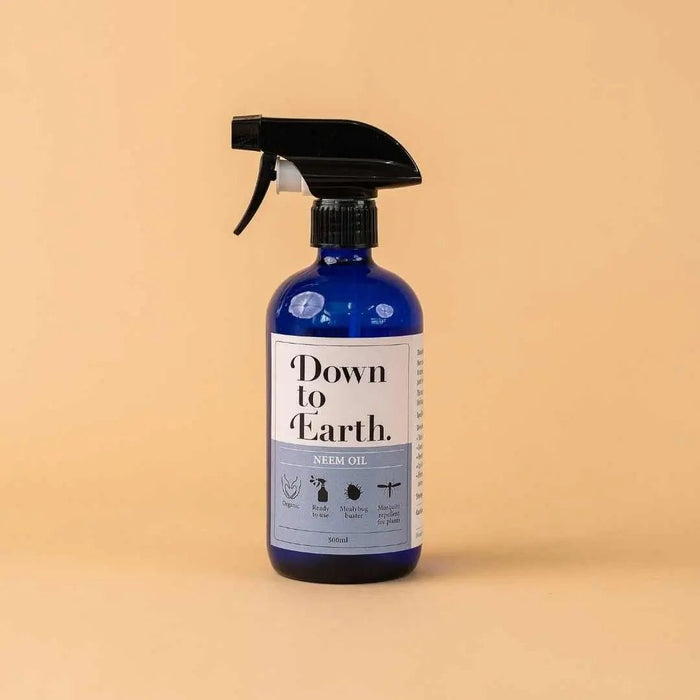
Management: Easier to control in enclosed spaces. Quarantine new plants, inspect regularly, treat with neem oil or rubbing alcohol.
Outdoor
Common pests: Everything from indoor pests, plus caterpillars, grasshoppers, snails/slugs, aphids, whiteflies, and larger creatures.
Management: Harder to control. Natural predators help (ladybugs eat aphids, birds eat caterpillars). Neem oil, diatomaceous earth, and physical barriers (netting) are common tools.
Effort and Maintenance
Indoor
Time commitment: 30 minutes per week for a collection of 10-20 plants. Watering, occasional pruning, monthly fertilising.
Skill level: Low to medium. Most common houseplants are forgiving.
Best for: Busy professionals, small-space living, year-round consistency.
Outdoor
Time commitment: 1-3 hours per week depending on garden size. Daily watering during dry periods, weekly pest checks, soil amendments, pruning, harvesting.
Skill level: Medium to high. Outdoor gardening involves more variables — weather, pests, soil management, seasonal timing.
Best for: People who enjoy the physical activity of gardening, edible gardening enthusiasts, those with balcony or landed property space.
Cost
Indoor
- Plants: $10-$100+ each depending on species and size
- Pots: $10-$50 each
- Soil and amendments: $10-$30 per bag
- Grow lights (optional): $20-$80
- Ongoing: Fertiliser, replacement soil, occasional new plants
Outdoor
- Plants and seeds: $2-$50+ each
- Containers or raised beds: $20-$200+
- Soil and compost: $15-$50 per bag (larger quantities needed)
- Watering system (recommended): $30-$100 for a basic drip system
- Ongoing: Fertiliser, pest management, seeds, soil amendments
The Hybrid Approach
Many Singapore plant enthusiasts do both:
- Indoor collection of foliage plants for home beautification
- Outdoor balcony garden for herbs, chillies, and a few flowering plants
- Plants that summer outdoors and move inside during haze or monsoon periods
This hybrid approach maximises what each environment offers.
Shop Indoor Plants
Browse our indoor plant collection for beautiful houseplants delivered across Singapore.
Indoor and outdoor gardening are not competitors — they are complements. Indoor gardening gives you control, beauty, and a year-round green environment in your living space. Outdoor gardening gives you food, flowers, and the satisfaction of working with soil under open sky. In Singapore, where space is limited but growing conditions are generous, the best approach is often both: a curated indoor collection for beauty and a modest outdoor garden for productivity. The indoor plants decorate your home. The outdoor plants feed your table. Together, they make a complete garden — split between two worlds but connected by the same hands and the same love of growing things.
Quick summary
Key Takeaways
- Space
- Light
- Watering
- Temperature and Humidity
- What You Can Grow
- Pests
Ready to bring some green into your home?
Browse 250+ hand-picked plants, curated for Singapore homes — delivered to your door.
Browse All Plants →








Comments
0 Comments
Leave a Comment