




















Pet-Safe Houseplants for Singapore | Tumbleweed Plants Singapore
Posted on April 10 2026
In this article

If you have a cat, a dog, or both, every new houseplant comes with a question: is this safe? Cats chew leaves out of boredom, curiosity, or spite. Dogs mouth anything within reach, especially puppies. A plant that is perfectly harmless to humans can cause vomiting, drooling, difficulty breathing, or worse in pets.
The good news: plenty of beautiful, easy-care houseplants are completely non-toxic to cats and dogs. The bad news: some of the most popular houseplants — including several you probably already own — are toxic. This guide helps you build a gorgeous indoor garden without putting your pets at risk.
Non-Toxic Plants Safe for Cats and Dogs
Spider Plant (Chlorophytum comosum)
Safety: Non-toxic to cats and dogs.
Care: Water weekly. Bright indirect to medium light. Produces dangling baby plantlets.
Pet note: Cats are famously attracted to Spider Plant — they love chewing the long, arching leaves. The plant is not toxic, but excessive chewing can cause mild stomach upset. Place on a high shelf if your cat will not leave it alone.
Calathea (All Varieties)
Safety: Non-toxic to cats and dogs.
Care: Medium indirect light. Keep soil consistently moist. Higher humidity preferred.
Why it is great: The entire Calathea genus is pet-safe, and the varieties are stunning — Medallion, Orbifolia, Lancifolia, Ornata. You can build an entire collection without any pet risk.
Peperomia (All Varieties)
Safety: Non-toxic to cats and dogs.
Care: Water every 7-10 days. Bright indirect light. Compact growth.
Why it is great: Dozens of varieties (Watermelon, Raindrop, Ripple, Obtusifolia) — all pet-safe, all compact, all interesting.
Boston Fern (Nephrolepis exaltata)
Safety: Non-toxic to cats and dogs.
Care: Consistent moisture. Medium indirect light. Higher humidity. The most common fern in Singapore.
Pet note: The fronds may attract playful cats. Non-toxic if chewed, but constant play will damage the plant.
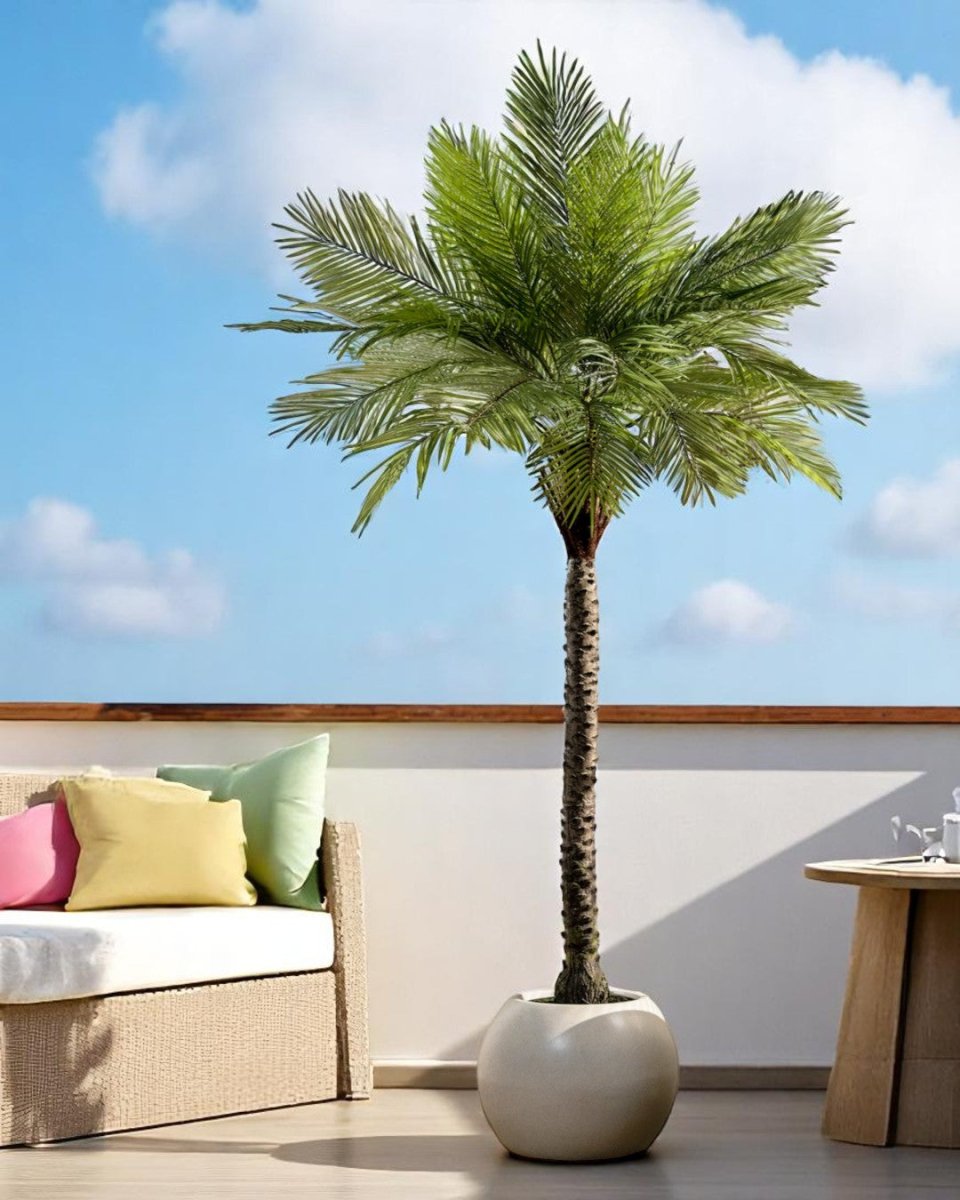
Areca Palm (Dypsis lutescens)
Safety: Non-toxic to cats and dogs.
Care: Bright indirect light. Water when top soil is dry. Grows tall and tropical.
Why it is great: A large, dramatic palm that fills space beautifully — and is completely safe for pets.
Parlour Palm (Chamaedorea elegans)
Safety: Non-toxic to cats and dogs.
Care: Low to medium light. Water when top soil is dry. Compact palm.
Why it is great: One of the few pet-safe palms that tolerates low light — ideal for interior spots.
Ponytail Palm (Beaucarnea recurvata)
Safety: Non-toxic to cats and dogs.
Care: Bright light. Water every 2-3 weeks. Stores water in its bulbous trunk.
Why it is great: The cascading, curly leaves are visually interesting and the plant handles neglect extremely well.
Haworthia
Safety: Non-toxic to cats and dogs.
Care: Bright indirect light. Water every 2-3 weeks. Compact succulent.
Why it is great: A pet-safe alternative to Aloe (which is toxic to pets). Similar rosette form, similar care.
Polka Dot Plant (Hypoestes phyllostachya)
Safety: Non-toxic to cats and dogs.
Care: Bright indirect light. Keep moist. Colourful spotted foliage.
Why it is great: Adds colour (pink, white, red spots) to a pet-safe plant collection.
Prayer Plant (Maranta leuconeura)
Safety: Non-toxic to cats and dogs.
Care: Medium indirect light. Keep evenly moist. Folds leaves at night.
Why it is great: Related to Calathea, with similar leaf movement and attractive patterns. Completely pet-safe.
Cast Iron Plant (Aspidistra elatior)
Safety: Non-toxic to cats and dogs.
Care: Low light. Water every 1-2 weeks. Extremely hardy.
Why it is great: One of the toughest houseplants — thrives in dark corners and handles neglect. Perfect for busy pet owners.
Common Toxic Plants to Avoid

Mildly Toxic (Cause Irritation, Vomiting, Drooling)
- Pothos (Epipremnum) — Contains calcium oxalate crystals. Causes oral irritation and vomiting if chewed.
- Monstera — Same calcium oxalate issue. Mouth irritation and swelling.
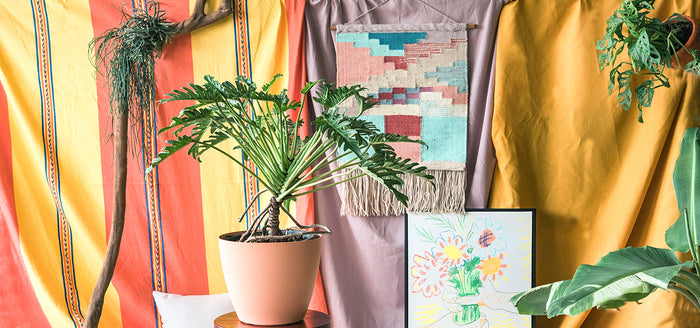
- Philodendron — All varieties. Calcium oxalate crystals cause oral pain and swelling.
- Aglaonema — Calcium oxalate crystals. Irritation and drooling.
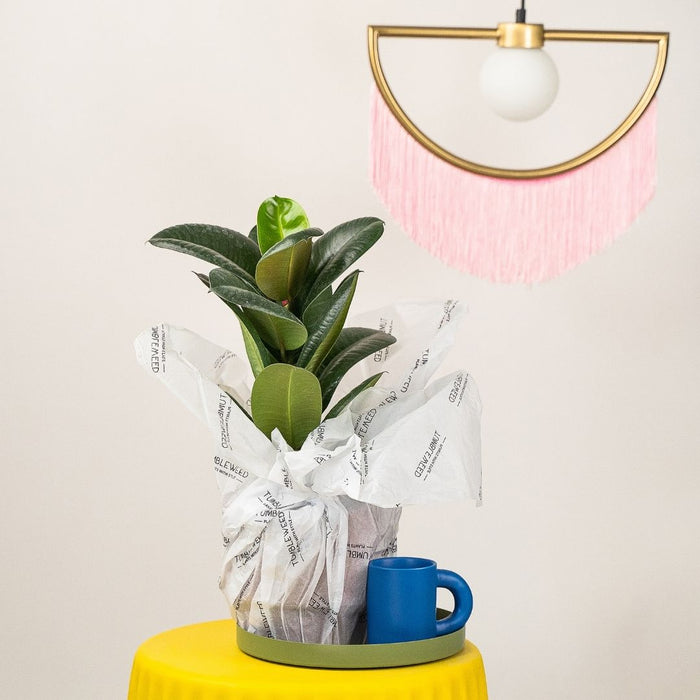
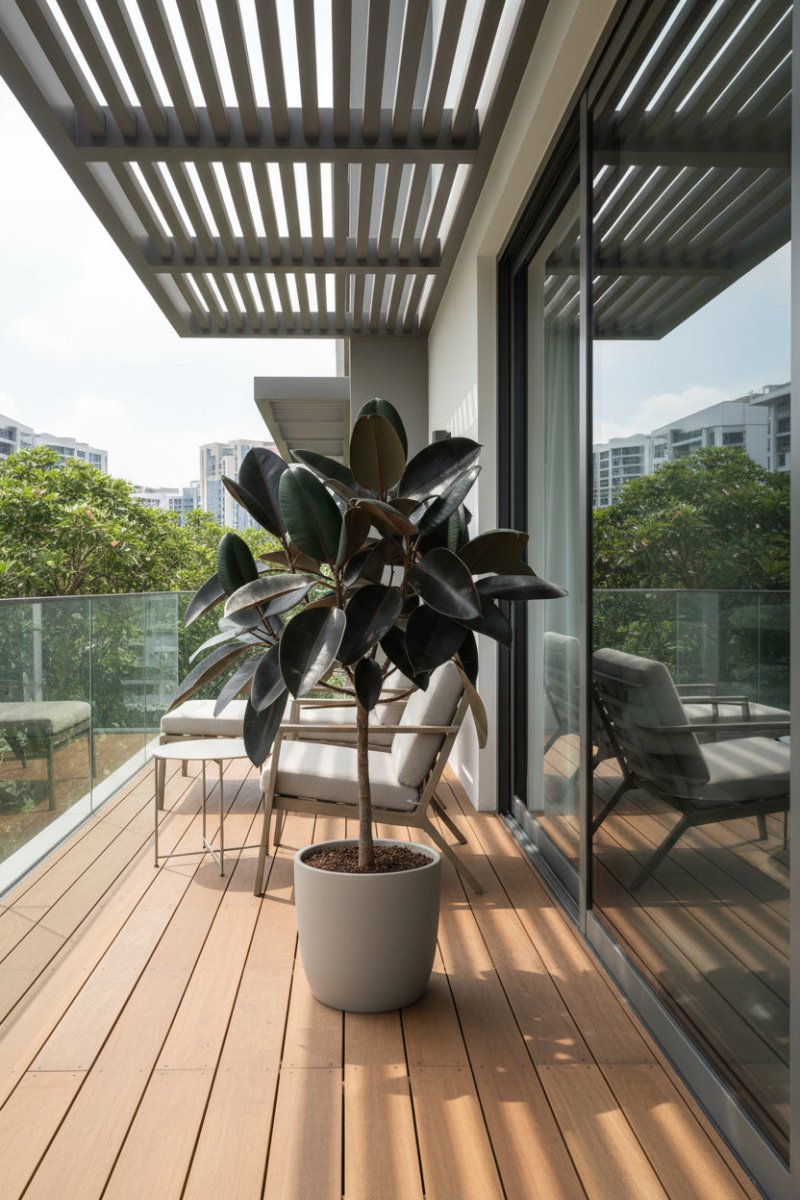
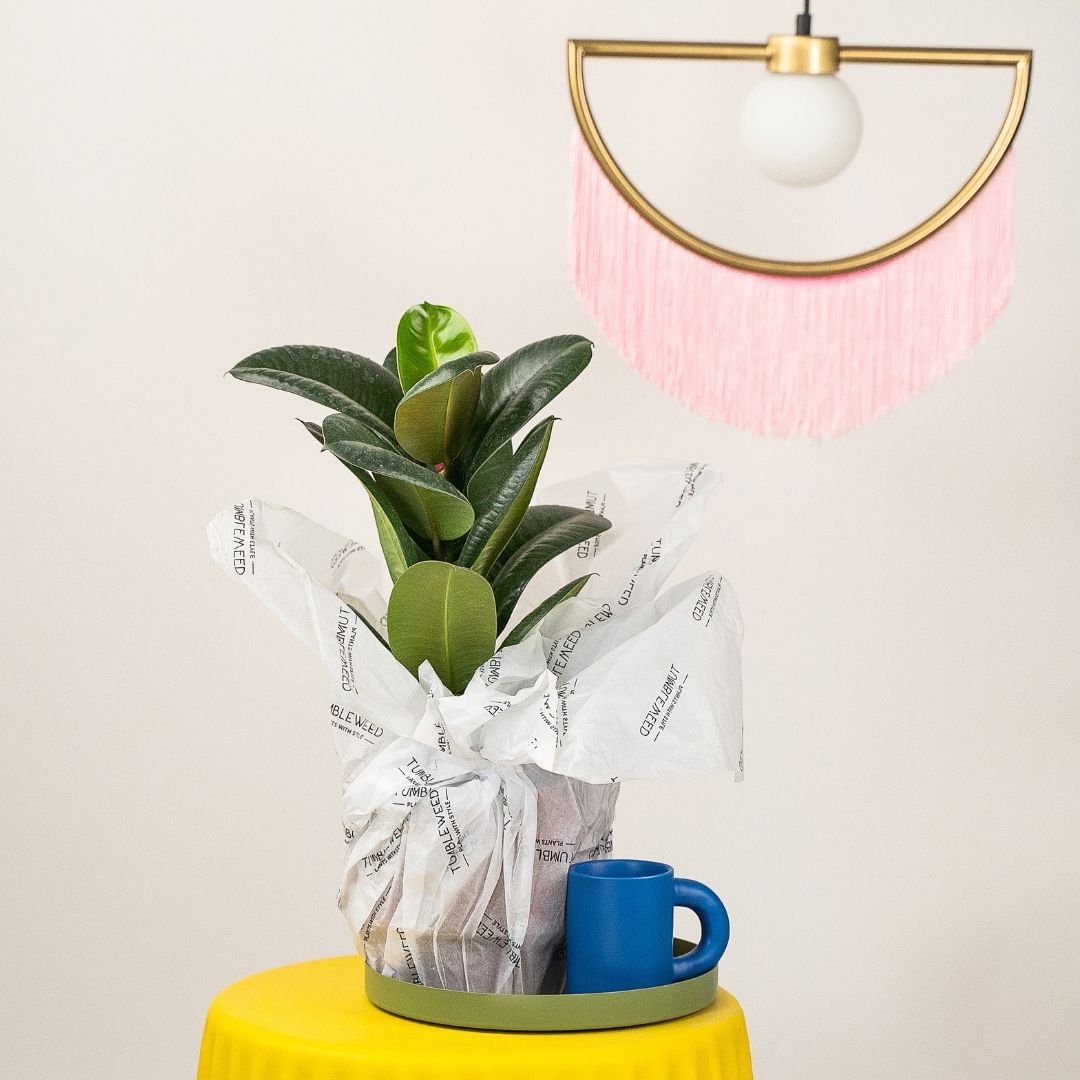
- Rubber Plant (Ficus elastica) — Latex sap causes oral and GI irritation.
- Dracaena — Causes vomiting, drooling, and loss of appetite in cats and dogs.
- Aloe vera — Causes vomiting, diarrhoea, and lethargy.
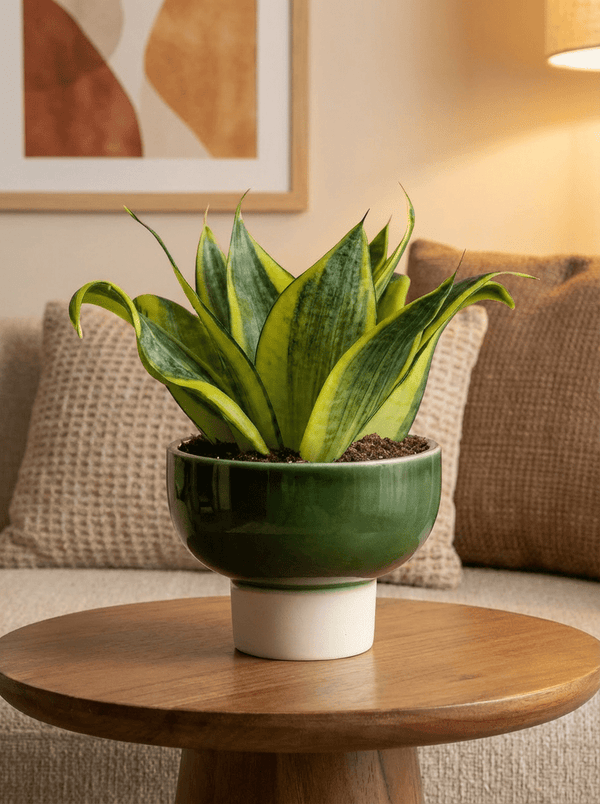
- Snake Plant (Sansevieria) — Mildly toxic. Causes nausea and vomiting if ingested.
Moderately to Severely Toxic (Seek Veterinary Care)
- Lilies (true lilies — Lilium species) — Extremely dangerous to cats. Even small amounts cause kidney failure.
- Sago Palm (Cycas revoluta) — All parts toxic. Can cause liver failure in dogs. One of the most dangerous common plants.
- Dieffenbachia (Dumb Cane) — Intense oral irritation, difficulty swallowing, airway swelling.
- Oleander — All parts highly toxic to pets and humans. Cardiac effects.
- ZZ Plant — Contains calcium oxalate. Causes oral irritation and vomiting.
Managing Toxic Plants with Pets
If you already own toxic plants and have pets, you do not necessarily need to rehome every plant. Many pet owners successfully keep mildly toxic plants by:
- Elevating plants — High shelves, hanging pots, and tall plant stands place plants out of reach
- Using deterrent sprays — Bitter-tasting sprays on leaves discourage chewing
- Observing behaviour — Many adult cats and dogs ignore plants entirely. Know your pet's habits
- Separating spaces — Keep toxic plants in rooms pets cannot access
Important: These strategies work for mildly toxic plants that cause temporary irritation. Severely toxic plants (true lilies for cats, Sago Palm for dogs) should not be in a home with pets — the risk is too high.
What to Do If Your Pet Eats a Toxic Plant

- Identify the plant. Know what was ingested. Take a photo.
- Remove plant material from the pet's mouth if safe to do so.
- Do not induce vomiting unless specifically instructed by a vet.
- Call your vet or an animal poison hotline immediately.
- Bring a sample of the plant to the vet.
Singapore emergency vets:
- Mount Pleasant Animal Medical Centre (24-hour)
- Animal Recovery Veterinary Referral Centre
- Your regular vet's emergency line
Building a Pet-Safe Collection
A fully pet-safe plant collection is achievable and beautiful. A sample arrangement:
- Living room floor: Areca Palm (tall, dramatic, safe)
- Bookshelf: Calathea Medallion + Peperomia Watermelon (patterned, colourful, safe)
- Desk: Haworthia (compact, sculptural, safe)
- Hanging: Boston Fern (trailing, lush, safe)
- Bedroom: Prayer Plant (moving leaves, calming, safe)
- Low light corner: Cast Iron Plant (indestructible, safe)
Shop Pet-Safe Plants

Browse our indoor plant collection for pet-friendly plants delivered across Singapore.
Your pets and your plants can coexist. It requires awareness — knowing which plants are safe and which are not — but it does not require sacrifice. The pet-safe plant world includes palms, ferns, Calathea, Peperomia, and dozens of other beautiful species. You do not need toxic plants to have a stunning indoor garden. You just need to know which ones to choose. Your cat will still judge you from behind the Areca Palm. But at least you will know the palm is safe.
Quick summary
Key Takeaways
- Non-Toxic Plants Safe for Cats and Dogs
- Common Toxic Plants to Avoid
- Managing Toxic Plants with Pets
- What to Do If Your Pet Eats a Toxic Plant
- Building a Pet-Safe Collection
- Shop Pet-Safe Plants
Ready to bring some green into your home?
Browse 250+ hand-picked plants, curated for Singapore homes — delivered to your door.
Browse All Plants →








Comments
0 Comments
Leave a Comment