
















The Future of Indoor Gardening in Singapore | Tumbleweed Plants Singapore
Posted on April 16 2026
In this article

Singapore's indoor gardening scene has transformed in the past five years — from a quiet hobby to a mainstream lifestyle movement. Plant shops have proliferated, social media plant communities have grown into the thousands, and "plant parent" has become an identity that crosses age, income, and cultural lines. But where does it go from here?
The trends shaping the future of indoor gardening in Singapore are not just about which plants are popular. They are about how technology, urbanisation, sustainability, and community are evolving the relationship between Singaporeans and the living things in their homes.
Smart Plant Technology
Plant Monitoring Devices
Smart sensors that monitor soil moisture, light levels, temperature, and humidity are becoming more affordable and sophisticated. Devices like plant monitors connect to smartphone apps, providing real-time data and alerts: "Your Monstera needs water" or "Your Snake Plant is getting too much direct sun."
What this means: The guesswork is gradually being removed from plant care. New plant owners who would have killed their first plant through overwatering can now get precise, data-driven guidance.
The limitation: Technology monitors conditions but cannot replace the intuitive understanding that experienced growers develop. A sensor tells you the soil is dry. Experience tells you whether that specific plant prefers to dry a bit more before watering.
Automated Watering Systems
From simple self-watering pots to sophisticated drip irrigation systems with timers and moisture sensors, automated watering is making plant care more accessible — particularly for busy professionals and frequent travellers.
Singapore relevance: In a city where many residents travel for work and weekends, automated watering solves the "who waters my plants?" problem that limits collection growth.
AI-Powered Plant Identification and Diagnosis
Apps that use image recognition to identify plant species and diagnose problems from photos are improving rapidly. Upload a photo of a yellow leaf and get a diagnosis — overwatering, nutrient deficiency, or pest damage.
Current state: Useful for basic identification and common problems. Not yet reliable for nuanced diagnosis or rare species.
Future: As AI models are trained on more plant data, these tools will become increasingly accurate — potentially providing care advice tailored to Singapore's specific conditions.
Vertical and Space-Efficient Growing

Modular Living Walls
As HDB and condo living continues to prioritise compact spaces, vertical growing systems are becoming more sophisticated. Modular living wall systems that can be installed and maintained by homeowners (not just commercial installers) are entering the consumer market.
What is coming: Affordable, self-watering vertical garden panels that attach to walls and support a range of plant species. These transform blank walls into productive green spaces without consuming floor area.
Indoor Vertical Farms (Micro-Scale)
Small, enclosed indoor growing systems — essentially miniature vertical farms — are available for home herb and vegetable production. LED grow lights, automated watering, and controlled environments allow growing food year-round regardless of window orientation or sunlight availability.
Singapore relevance: In a country that imports over 90% of its food, the ability to grow even small amounts of herbs and greens at home aligns with national food security goals and personal interest in fresh, local produce.
Community Evolution
From Online to Hybrid
Singapore's plant communities started on Facebook groups, Telegram channels, and Carousell listings. The future is hybrid — combining online knowledge sharing with in-person experiences:
- Plant swap events — Regular community events where growers trade plants, cuttings, and knowledge
- Workshops — Hands-on propagation, terrarium building, and care workshops at nurseries, cafes, and community centres
- Pop-up plant markets — Periodic markets featuring local growers, artisan pot makers, and plant accessories
- Community gardens — Shared growing spaces in HDB estates where apartment dwellers can garden collaboratively
Local Growers and Propagators
A growing number of Singaporeans are not just buying plants — they are propagating and selling them. Carousell and Instagram are marketplaces for locally grown plants that are already acclimated to Singapore conditions. This local propagation movement reduces dependency on imports and builds a self-sustaining plant ecosystem.
Educational Content
The quality and specificity of plant care content is increasing. Generic, global advice ("water when the top inch of soil is dry") is being supplemented by Singapore-specific guidance that accounts for our humidity, temperature, and living conditions. Local creators, blogs, and channels are producing content tailored to HDB balconies, condo conditions, and tropical-specific care.
Sustainability Focus

Conscious Consumption
The initial boom saw rapid, sometimes impulsive plant buying. As the community matures, the approach is becoming more conscious:
- Buy less, choose better — Quality over quantity, with informed selection based on conditions and commitment
- Propagate and share — Growing your own from cuttings rather than always buying new
- Sustainable materials — Choosing pots from recycled materials, organic soil amendments, and locally sourced supplies
- Plant rescue — Adopting struggling plants from friends, family, or rescue groups rather than buying new
Reducing Waste
- Composting — More plant owners are composting dead foliage and spent soil rather than sending it to landfill
- Pot reuse — Cleaning and reusing pots rather than discarding them
- Plant swaps — Trading unwanted plants rather than throwing them away
- Plastic reduction — Choosing terracotta, ceramic, or biodegradable pots over plastic
Local Over Imported
A growing preference for locally propagated plants over imported specimens. Benefits include:
- Plants already acclimated to Singapore conditions
- Reduced carbon footprint from air freight
- Supporting local growers and small businesses
- Lower risk of imported pests and diseases
The Integration of Plants and Interior Design
Plants as Standard
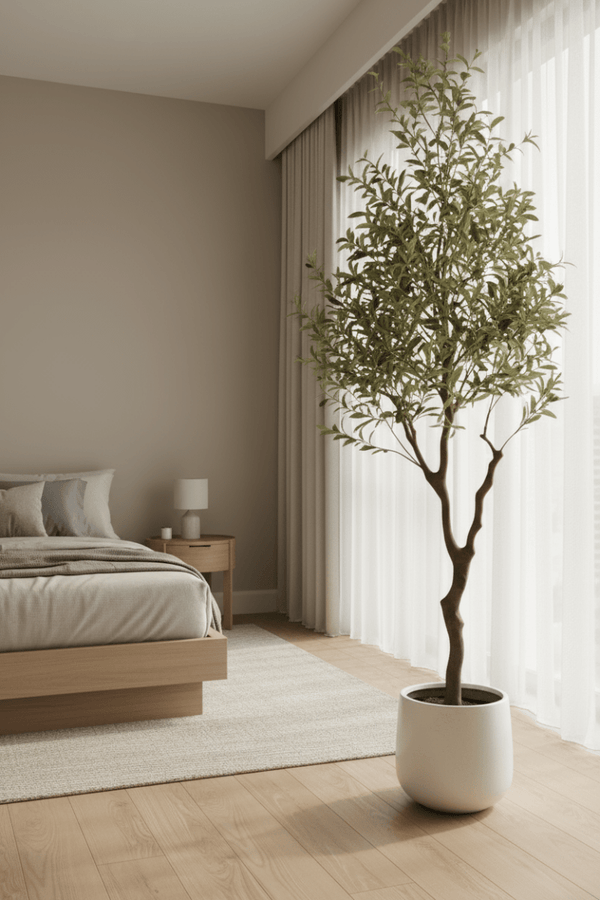
Just as art and rugs are expected elements of interior design, plants are becoming a default — not a special interest. Interior designers are routinely incorporating plants into residential and commercial projects, and property listings in Singapore increasingly feature plants as part of the staging.
Biophilic Design in HDB
HDB's own design guidelines are evolving to incorporate more biophilic elements — natural materials, green spaces, and connections to nature. Future BTO designs may include features that specifically support indoor gardening: better-positioned windows for plant light, built-in planter ledges, or improved balcony designs for growing.
Plant-Integrated Furniture
Furniture that incorporates plant spaces — side tables with built-in planters, shelving units with integrated growing positions, room dividers designed for plant displays — is moving from concept to commercial availability.
What Will Not Change

Amid all these innovations, the fundamentals remain:
- Plants still need light, water, and care. Technology enhances but does not replace the basic relationship between plant and caretaker.
- The joy is in the process. Watering, pruning, repotting, watching new growth — these manual, hands-on acts are the point, not a problem to be automated away.
- Plants connect us to nature. In Singapore's hyper-urban, digitally saturated environment, the act of tending to a living thing remains one of the simplest and most powerful ways to reconnect with the natural world.
Shop Plants
Browse our indoor plant collection for plants delivered across Singapore — today's plants for tomorrow's homes.
The future of indoor gardening in Singapore is not a dramatic revolution — it is a steady evolution. The technology gets smarter. The community gets deeper. The approaches get more sustainable. The design integration gets more seamless. But at the core, the future looks a lot like the present — Singaporeans in their HDB flats and condos, tending to plants on their windowsills and shelves, watching new leaves unfurl, and finding in that simple act a connection to something living, growing, and beautifully unconcerned with the digital noise outside the window. That will not change. Everything else is just better tools for the same timeless practice.
Quick summary
Key Takeaways
- Smart Plant Technology
- Vertical and Space-Efficient Growing
- Community Evolution
- Sustainability Focus
- The Integration of Plants and Interior Design
- What Will Not Change
Ready to bring some green into your home?
Browse 250+ hand-picked plants, curated for Singapore homes — delivered to your door.
Browse All Plants →








Comments
0 Comments
Leave a Comment