
















Top Houseplant Trends in Singapore for 2026 | Tumbleweed Plants Singapore
Posted on April 10 2026
In this article

- 1. Rare Aroids Have Become Accessible
- 2. Biophilic Design Goes Mainstream
- 3. The Return of Classic Plants
- 4. Functional Plants Are Growing
- 5. Sustainable and Ethical Plant Buying
- 6. Semi-Hydro and LECA Growing
- 7. Compact Plants for Compact Spaces
- 8. Plant Care Technology
- 9. The Community Continues to Grow
- 10. Gifting Plants Is Normal
- What This Means for Plant Buyers
- Shop Trending Plants
The houseplant boom that started during the pandemic has not faded — it has matured. Singapore's plant community has moved beyond panic-buying Monsteras and is now more discerning, more knowledgeable, and more intentional about the plants they bring home. The trends of 2026 reflect this evolution: less hype, more substance.
Here is what is shaping Singapore's houseplant scene this year.
1. Rare Aroids Have Become Accessible
The rare plant market has cooled — in a good way. Species that commanded hundreds of dollars two years ago are now widely available at reasonable prices as tissue culture propagation has caught up with demand. Philodendron 'Florida Ghost', Monstera Thai Constellation, and Anthurium clarinervium are no longer unicorns — they are increasingly common in local nurseries and online shops.
What this means: The barrier to owning beautiful, unusual plants has dropped. Collectors are building diverse collections without the speculative pricing that defined the 2021-2023 rare plant bubble.
The new collectibles: Attention is shifting to less-hyped genera — unusual Begonias, rare Hoyas, and species Anthurium that are genuinely uncommon rather than artificially scarce.
2. Biophilic Design Goes Mainstream

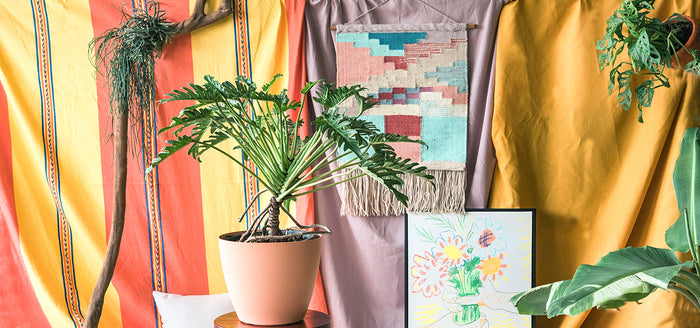
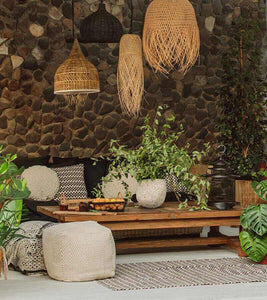
Biophilic design — the practice of integrating nature into built environments — has moved from architecture firms and boutique hotels into everyday Singapore homes. Interior designers, renovation contractors, and homeowners are incorporating living walls, plant shelves, and green corners as standard design elements rather than afterthoughts.
What it looks like: Dedicated plant walls in living rooms. Built-in shelf niches designed for trailing plants. Bathroom renovations that include plant-friendly shelving and humidity-loving species. HDB and condo renovations where the ID asks, "Where are the plants going?" before finalising the layout.
Why now: The generation that discovered plants during the pandemic is now renovating their first homes — and they are building plant-friendly spaces from the start rather than squeezing plants into existing rooms.
3. The Return of Classic Plants
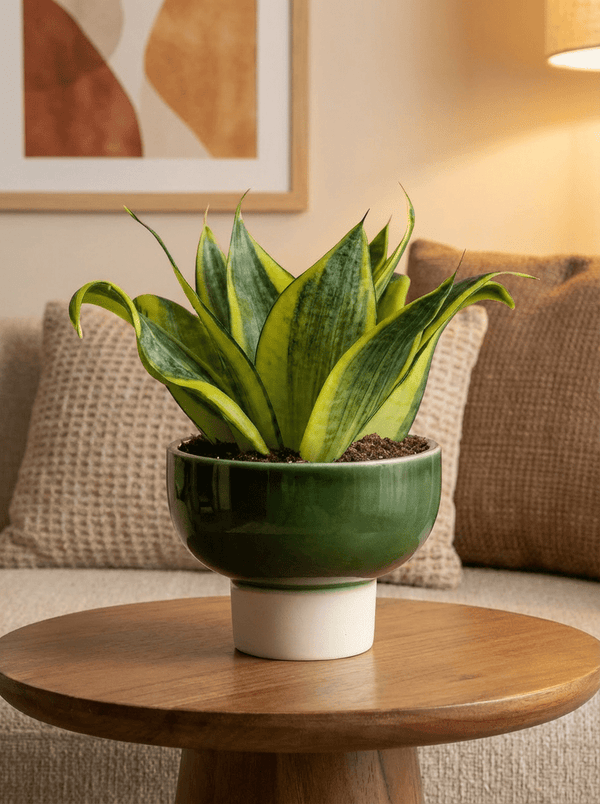
After years of chasing rare and exotic species, there is a visible shift back to reliable, beautiful classics. Snake Plants, Pothos, Peace Lilies, and Aglaonema are being appreciated anew — not as boring beginner plants, but as the backbone of a well-designed green home.
The driver: Experience. After killing a few expensive rare plants, many collectors have learned that a thriving $15 Pothos brings more daily joy than a struggling $150 Philodendron. The focus has shifted from rarity to health and aesthetic impact.
Premium classics: Pothos varieties (Marble Queen, Global Green, Cebu Blue), Aglaonema colour varieties, and Snake Plant cultivars are being collected as enthusiastically as rare aroids once were.
4. Functional Plants Are Growing

Herbs, edible plants, and plants with practical uses are increasingly popular alongside purely decorative houseplants. The interest in home food growing that started during the pandemic has persisted, and Singaporeans are growing basil, mint, spring onion, chilli, and pandan on balconies, windowsills, and even under grow lights.
Beyond herbs: Aloe vera (for skin care), lavender (for scent), and citronella (for mosquito deterrence) are bridging the gap between ornamental and functional gardening.
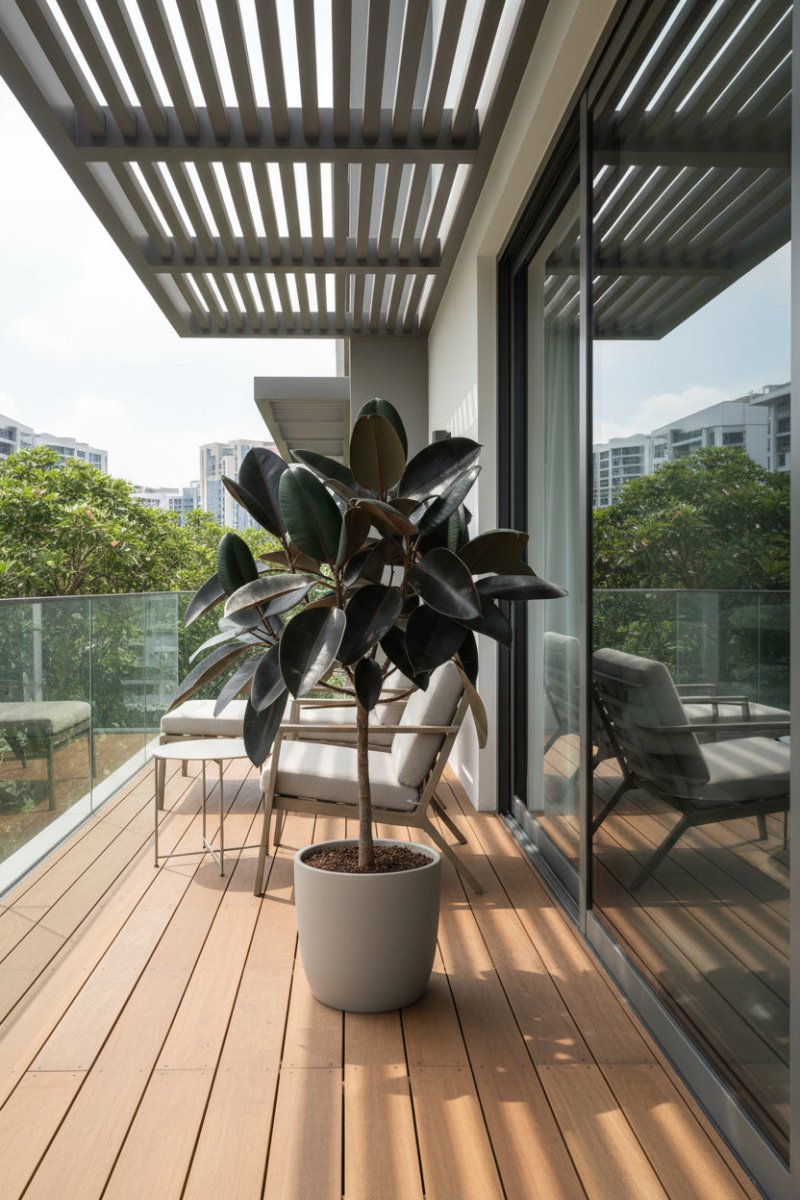
The rise of edible balconies: Singapore's HDB balconies are being transformed into productive growing spaces with vertical planters, self-watering systems, and compact fruit varieties.
5. Sustainable and Ethical Plant Buying
Singapore's plant community is increasingly conscious about where plants come from and how they are produced. Key shifts include:
Reduced demand for wild-collected plants. Awareness of the environmental impact of poaching wild plants (particularly orchids, aroids, and succulents from their native habitats) has grown. Buyers are asking about provenance.
Support for local propagators. Home-based plant sellers, small-batch propagators, and local nurseries are being supported over mass-import operations. The Instagram and Carousell plant community actively promotes local growers.
Sustainable pots and packaging. Biodegradable pots, recycled materials, and plastic-free packaging are becoming differentiators. Shoppers notice — and prefer — sellers who minimise packaging waste.
6. Semi-Hydro and LECA Growing

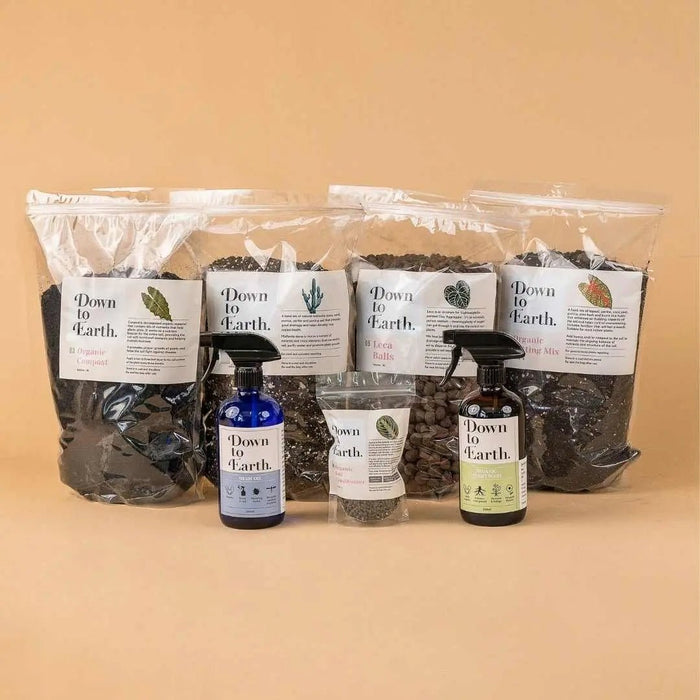
Growing plants in LECA (Lightweight Expanded Clay Aggregate) instead of soil has moved from niche experiment to a legitimate growing method with a dedicated following in Singapore. The appeal: cleaner than soil, no fungus gnats, easier to monitor root health, and more consistent watering.
What is driving it: Singapore's pest-prone climate makes soil growing challenging — fungus gnats in particular plague indoor plant collections. LECA eliminates this problem entirely.
The reality check: Semi-hydro has a learning curve. Nutrient management is more involved than soil growing, and not all plants transition well. The community has matured from initial enthusiasm to practical knowledge about which species thrive in LECA and which are better left in soil.
7. Compact Plants for Compact Spaces
With HDB flat sizes shrinking and more Singaporeans living in smaller condo units, demand for compact plant varieties has surged. Miniature versions of popular plants — ZZ 'Zenzi', Monstera 'Minima', compact Philodendron varieties, and dwarf Snake Plants — are outselling their full-sized counterparts in many shops.
The shift: From "How big can my Monstera get?" to "What is the most beautiful plant that fits on my desk?" Quality over quantity, impact per square centimetre.
8. Plant Care Technology
Technology is supplementing (not replacing) plant intuition:
Soil moisture meters are now standard equipment for serious plant owners. Digital versions with Bluetooth connectivity and app integration are gaining traction.
Grow lights have improved dramatically — full-spectrum LED panels that look like design objects rather than industrial equipment. They are enabling plant growth in previously impossible locations.
Self-watering planters have improved in design and function. Smart pots with water reservoirs are popular for travellers and busy professionals.
Plant identification apps continue to improve, with AI-powered species identification becoming genuinely reliable.
9. The Community Continues to Grow
Singapore's plant community is vibrant and active:
Swap meets and plant markets are regular events — monthly plant swaps in community spaces, pop-up markets at shopping malls, and neighbourhood exchanges on community boards.
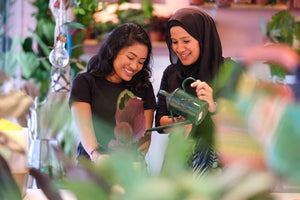
Workshops have diversified beyond basic terrarium-making to include advanced propagation techniques, kokedama, bonsai, botanical illustration, and plant photography.
Online communities on Telegram, Facebook, and Reddit remain active hubs for advice, sales, trades, and plant identification.
10. Gifting Plants Is Normal
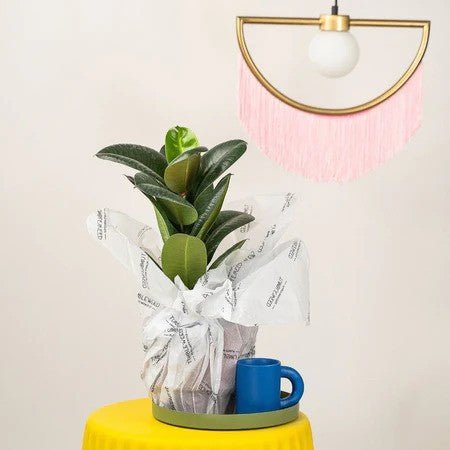
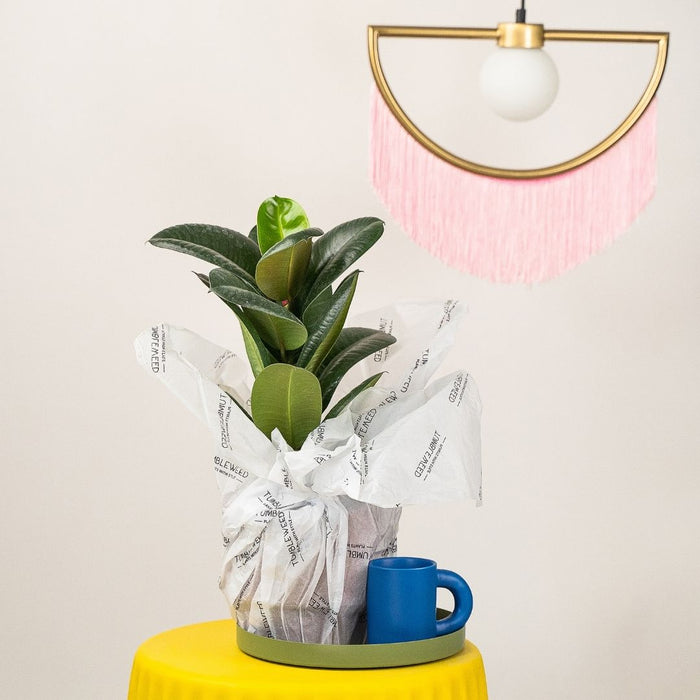
Plants are now mainstream gifts — not just for plant lovers, but for anyone. Housewarmings, birthdays, celebrations, corporate events, and holidays all see significant plant gifting. The "Will they know how to care for it?" hesitation has been replaced by confidence that a low-maintenance plant with a care card is a thoughtful, lasting gift.
What This Means for Plant Buyers
The houseplant market in 2026 is healthier and more sustainable than the boom years. Prices are more rational, knowledge is more widespread, and the focus has shifted from collecting for status to growing for genuine enjoyment. Whether you are a seasoned collector or buying your first plant, the options, resources, and community support have never been better.
Shop Trending Plants
Browse our indoor plant collection for the plants shaping Singapore homes in 2026. From classic Pothos to rare aroids, we deliver across Singapore.
Trends come and go, but the underlying shift is permanent: Singaporeans want plants in their homes, they know how to care for them, and they are building their lives around green spaces. That is not a trend. That is a lifestyle change.
Quick summary
Key Takeaways
- 1. Rare Aroids Have Become Accessible
- 2. Biophilic Design Goes Mainstream
- 3. The Return of Classic Plants
- 4. Functional Plants Are Growing
- 5. Sustainable and Ethical Plant Buying
- 6. Semi-Hydro and LECA Growing
Ready to bring some green into your home?
Browse 250+ hand-picked plants, curated for Singapore homes — delivered to your door.
Browse All Plants →









Comments
0 Comments
Leave a Comment