














How to Acclimate New Plants to Your Home | Tumbleweed Plants Singapore
Posted on April 10 2026
In this article

You buy a beautiful, healthy plant from a nursery or online shop. You bring it home, place it in the perfect spot, water it lovingly — and within two weeks, it drops leaves, wilts, or looks worse than when you bought it. What happened?
Transplant shock. Or more accurately, environmental shock. The plant went from one set of conditions (the nursery's greenhouse, the seller's growing area, or a climate-controlled warehouse) to a completely different set of conditions (your home). Even if your home is perfectly fine for that species, the sudden change can stress the plant enough to cause visible decline.
The good news: this is preventable. A few simple steps during the first two weeks can dramatically reduce shock and help your new plant settle in happily.
Why New Plants Struggle
Light Change
Nurseries and growing facilities typically provide strong, consistent light — often greenhouse light or supplemental grow lights. Your home likely has less light, different light angles, and light that varies throughout the day. This is the biggest adjustment for most plants.
Humidity Change
Growing facilities often maintain high humidity (60-80%). If your home is air-conditioned, humidity may drop to 40-50%. Plants that were thriving in humid growing conditions suddenly find themselves in drier air.
Temperature Change
While Singapore's ambient temperatures are consistent, AC rooms can be 10-15°C cooler than outdoor growing areas. This temperature differential affects metabolism and water uptake.
Watering Regime Change
The grower watered on a specific schedule with specific water. Your schedule and water source are different. The soil may also behave differently in your home's humidity and temperature.
Physical Stress
Transport itself is stressful — vibration, temperature fluctuations during delivery, reduced light in packaging, and physical jostling can all damage or stress a plant.
The Two-Week Acclimation Protocol

Day 1-3: Arrival and Assessment
Unpack carefully. Remove all packaging and inspect the plant for damage, pests, or disease. Check under leaves and at the base of stems.
Do not repot. This is the most common mistake. The plant is already stressed from the move — repotting adds root disturbance on top of environmental change. Wait at least 2-4 weeks before repotting, unless the soil is waterlogged or the roots are visibly rotting.
Check soil moisture. If the soil is moist, do not water. If bone dry, give a light watering. Most plants arrive adequately watered.
Place in a transition spot. Do not put the plant in its final location immediately. Instead, place it in a spot with:
- Medium indirect light (not the brightest or dimmest spot)
- Away from direct AC airflow
- Stable temperature
Day 4-7: Gradual Adjustment
Monitor for stress signs. Some leaf drop is normal during acclimation — the plant is shedding leaves it can no longer sustain in the new light conditions. Yellow lower leaves, mild drooping, or a few dropped leaves are expected.
Begin moving toward the final location. If the final spot has different light than the transition spot, move the plant closer over 3-4 days rather than in one jump.
Water only if needed. Let the soil guide you. In a new environment, the plant's water uptake may change. Water when the top 2-3cm of soil is dry for most tropical plants.
Do not fertilise. The plant does not need nutrients during acclimation — it needs stability. Fertiliser can stress roots that are already adjusting.
Day 8-14: Settling In
Place in the final location. By the end of the second week, the plant should be in its permanent spot.
Resume normal care. Begin your regular watering schedule based on the plant's needs and your home's conditions.
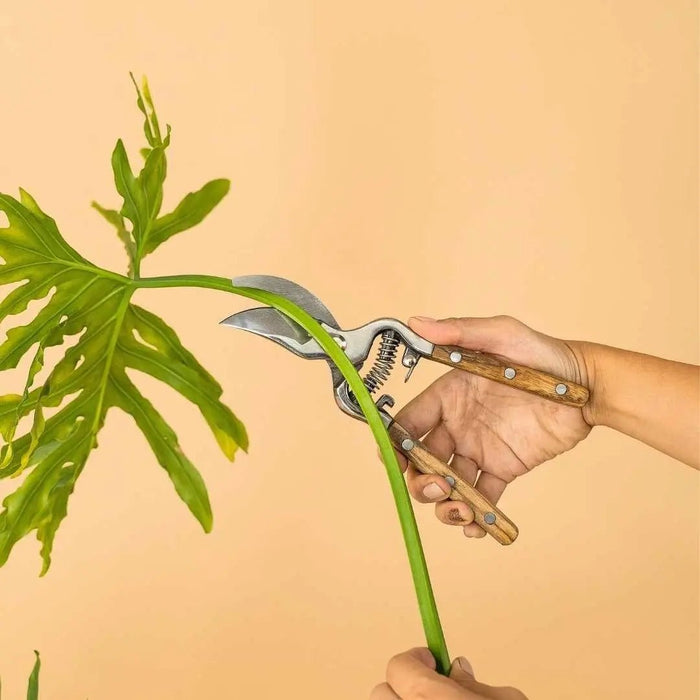
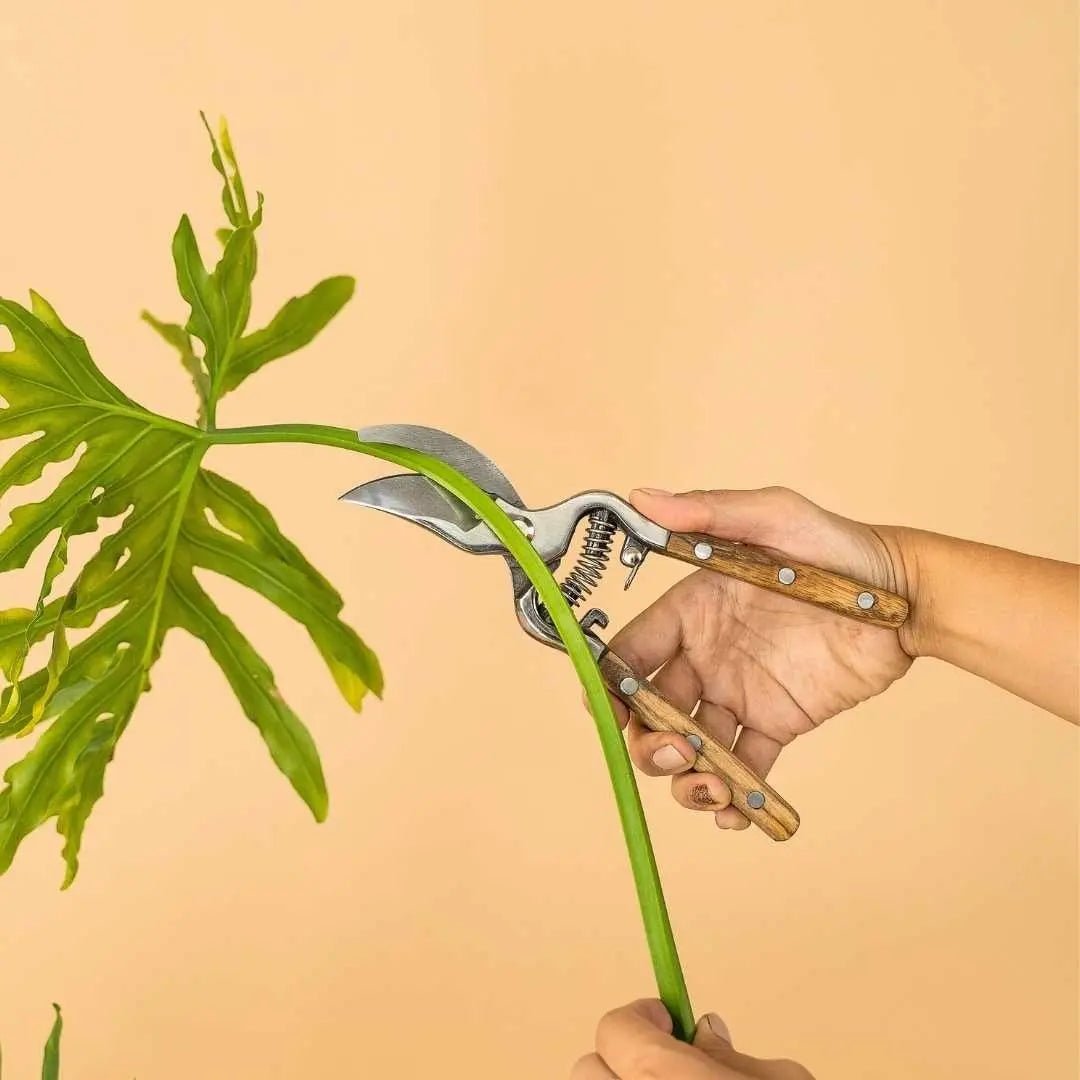
Prune dead or damaged foliage. Any leaves that yellowed or browned during acclimation can be removed now. This redirects the plant's energy to new, adapted growth.
Watch for new growth. New leaves or stems appearing after the second week is a strong sign the plant has acclimated successfully.
Special Acclimation Tips by Plant Type
Aroids (Monstera, Philodendron, Alocasia)
Aroids acclimate reasonably well but may drop older leaves during the transition. Alocasia is particularly sensitive — expect 1-2 leaves to yellow and die back. This is normal. The plant is redirecting resources to leaves that are better adapted to the new light.
Tip: Keep humidity higher during the first week. Group with other plants or place on a pebble tray.
Ferns
Ferns are drama queens during acclimation. Crispy fronds, browning tips, and general despair are common. Keep humidity high (mist daily during the first week), avoid AC airflow, and give bright indirect light. New fronds will emerge within a month if conditions are right.
Calathea and Prayer Plants
These are the most sensitive to environmental change. Leaf curling, browning edges, and reduced leaf movement are common during acclimation. Maintain consistent humidity (60%+), use filtered or distilled water, and avoid temperature fluctuations.
Succulents and Cacti
These acclimate easily but are sensitive to light changes. If moving from a bright nursery to a dimmer indoor spot, increase light gradually. A succulent that was in full sun should not go directly to a low-light shelf — it will etiolate (stretch) within weeks.
Aglaonema and Pothos
The easiest to acclimate. These plants tolerate a wide range of conditions and rarely show significant stress during transition. Minimal special care needed.
When to Worry vs. When to Wait

Normal Acclimation (Wait It Out)
- 1-3 lower leaves yellowing and dropping
- Mild drooping that recovers within a day
- Slower growth for the first month
- Slight leaf curling that resolves as humidity stabilises
Cause for Concern (Investigate)
- More than a third of leaves yellowing at once
- Stems becoming soft or mushy (check for overwatering or rot)
- Pests appearing (stress makes plants more vulnerable — inspect closely)
- Foul smell from soil (root rot)
- No new growth after 6-8 weeks in adequate light
The Quarantine Step
Before placing a new plant near your existing collection, quarantine it for 1-2 weeks. Inspect regularly for pests — mealybugs, spider mites, scale, and fungus gnats are the most common hitchhikers from nurseries. Treat any pest issues before introducing the plant to your collection.
This step is especially important if you have a large plant collection. One infested newcomer can spread pests to dozens of established plants.
Singapore-Specific Considerations

AC acclimation is the biggest challenge. Many plants in Singapore are grown outdoors or in semi-sheltered nurseries with high humidity and warmth. Moving them into a 22-24°C air-conditioned room with 40-50% humidity is a significant change. During the first week, consider turning off the AC in the plant's room for a few hours daily, or keeping the plant in a naturally ventilated area before transitioning to the AC room.
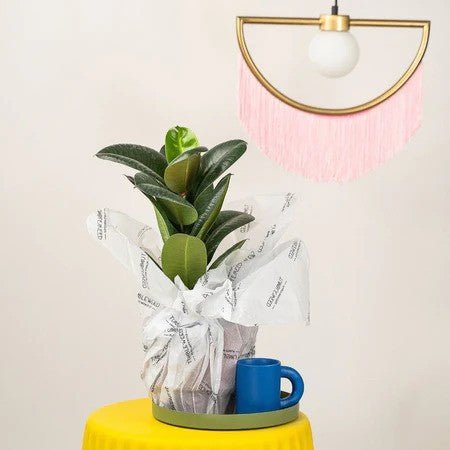
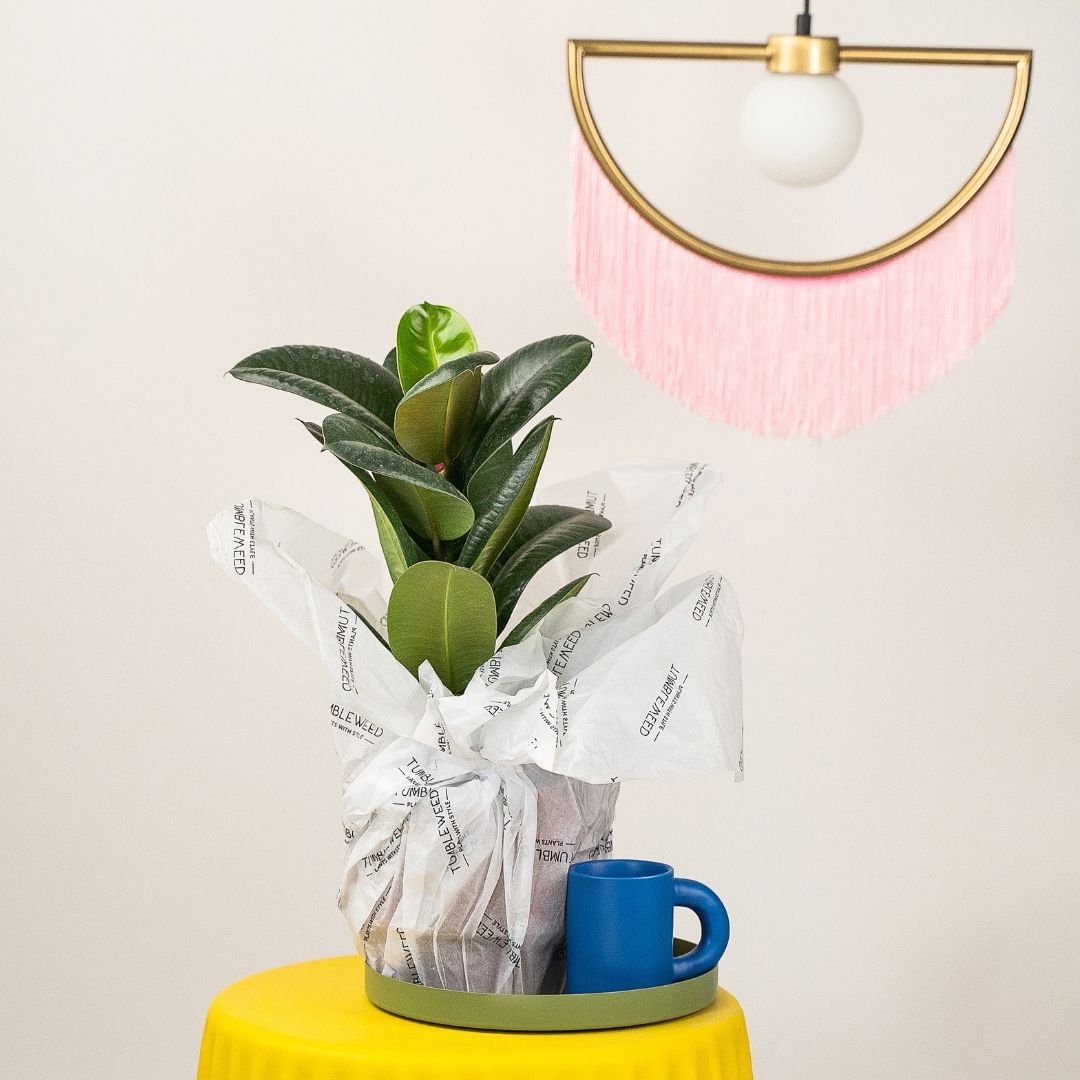
Delivery stress. Online plant deliveries in Singapore typically spend several hours in transit. Unpack immediately upon arrival and give the plant fresh air and indirect light.
Seasonal timing. Singapore does not have dramatic seasons, but the drier months (February-March) and wetter months (November-January) can affect indoor humidity levels. Plants acclimated during drier months may need extra humidity support.
Shop Plants
Browse our indoor plant collection for healthy plants delivered across Singapore. Every plant ships in a protective packaging designed to minimise transit stress — and now you know exactly how to welcome it home.
The first two weeks are everything. Give your new plant a gentle transition — gradual light adjustment, restrained watering, no repotting, no fertilising — and it will reward you with months and years of healthy growth. Most plant deaths happen in the first month, and most of those are preventable with patience and a little knowledge.
Quick summary
Key Takeaways
- Why New Plants Struggle
- The Two-Week Acclimation Protocol
- Special Acclimation Tips by Plant Type
- When to Worry vs. When to Wait
- The Quarantine Step
- Singapore-Specific Considerations
Ready to bring some green into your home?
Browse 250+ hand-picked plants, curated for Singapore homes — delivered to your door.
Browse All Plants →