



















How to Acclimate New Plants to Your Home in Singapore
Posted on April 09 2026
In this article

You have just brought a new plant home — from a nursery, an online shop, or a friend's collection. It looks healthy and beautiful. You place it in the perfect spot, water it, and admire your new addition. Then, within a week, leaves start yellowing, drooping, or falling off. What went wrong?
Probably nothing. What you are seeing is acclimation stress — the plant adjusting to an environment that is different from where it was growing. Nurseries, greenhouses, and other growers' homes have different light levels, humidity, temperature, and air circulation than your home. Every plant needs time to adapt.
Understanding this transition — and handling it correctly — is the difference between a smooth start and an unnecessarily stressful one.
Why Plants Experience Transition Stress
Light Change
Nurseries and commercial growers typically provide optimal light conditions — bright, consistent, and often supplemented with grow lights. Your home likely has less light, different light angles, and varying intensity throughout the day. The plant's leaves, calibrated to the previous light level, need to adjust their photosynthesis.
Humidity Change
Many nurseries maintain higher humidity than typical Singapore homes (especially air-conditioned ones). Moving from 80% humidity to 50% humidity forces the plant to manage increased water loss through transpiration.
Temperature Change
From an outdoor nursery or greenhouse to an air-conditioned room, the temperature shift can be significant — from 30°C+ to 22-24°C. This metabolic adjustment takes time.
Physical Stress
Transport itself is stressful. The car ride, the jostling, the change in orientation, and the exposure to wind and temperature extremes during transit all take a toll.
The First Two Weeks: A Protocol

Day 1: Arrival
Unpack carefully. Remove wrapping and packaging. If the plant arrived in a box (online delivery), open it promptly — plants deteriorate quickly in dark, enclosed spaces.
Inspect thoroughly. Check for:
- Pest activity (mealybugs, spider mites, scale, fungus gnats)
- Damaged leaves or stems from transport
- Soil condition (bone dry? waterlogged?)
- Root health (if visible through drainage holes)
Water if needed. If the soil is dry, give it a thorough watering. If the soil is moist, leave it alone.
Place in a transition spot. Not the final position — a spot with bright indirect light, away from direct sun, AC vents, and drafts. This is a gentle introduction to your home's conditions.
Days 2-7: Quarantine Period
Keep it separate from other plants. The quarantine is primarily about pest prevention. Pests that were dormant or invisible at purchase can emerge and spread to your existing collection. Keep the new plant in a separate room or at least several metres from other plants.
Do not repot. The plant is already stressed from the move. Adding repotting stress on top is a recipe for significant decline. Wait.
Do not fertilise. No additional stress.
Observe. Check daily for:
- Pest activity (especially on leaf undersides and in axils)
- Leaf condition changes (some yellowing and dropping of older leaves is normal)
- Soil moisture level
Maintain consistent conditions. No sudden moves, no experimentation. Let the plant settle.
Days 7-14: Assessment
Evaluate the plant's response. By the end of week two, you should have a clear picture:
- Is it holding its leaves? Producing new growth?
- Any pest activity?
- Has the soil moisture cycle stabilised?
Move to its permanent position. If the plant looks stable, move it to the spot where it will live long-term. Choose based on its light requirements and your home's light map.
Resume normal care. Begin your regular watering routine based on the plant's needs and your home's conditions.
After Week 2-4: Repot if Needed
When to repot:
- Roots are circling the pot or emerging from drainage holes
- The plant is clearly root-bound (dries out within a day or two of watering)
- The soil is decomposed, compacted, or of poor quality
- You want to move it into a decorative pot
When NOT to repot:
- The plant is still showing signs of stress (dropping leaves, wilting)
- It arrived in a reasonably sized pot with decent soil
- You are unsure — when in doubt, wait another two to four weeks
What Is Normal (Do Not Panic)
A Few Yellow Leaves
Especially lower, older leaves. The plant is redirecting resources from leaves that were optimised for the previous light conditions to new growth adapted to yours. One to three yellow leaves in the first two weeks is normal for most plants.
Leaf Drop
Some plants (Ficus, Schefflera, Croton) respond to environmental change by dropping leaves. This is dramatic but usually temporary. The plant will produce new foliage adapted to your conditions within a few weeks.
Slight Wilting
Temporary wilting despite moist soil can occur as the plant adjusts its water management to new humidity and temperature levels. It usually resolves within a few days.
Slower Growth
A new plant may pause growth for two to four weeks while it acclimates. This is a normal stress response. Growth resumes once the plant adjusts.
What Is NOT Normal (Take Action)

Rapid Decline of Multiple Leaves
More than one-third of leaves yellowing or dropping simultaneously suggests a problem beyond acclimation — likely root rot, severe pest infestation, or physical damage during transport.
Action: Check roots. If mushy and brown, trim the damaged roots, let them dry briefly, and repot in fresh, well-draining soil.
Visible Pests
Any sign of mealybugs, spider mites, scale, or other pests during quarantine.
Action: Treat immediately. Isolate from all other plants. Use appropriate treatment (isopropyl alcohol for mealybugs, neem oil for spider mites, etc.). Do not introduce to your collection until the plant is pest-free for at least two weeks.
Foul Smell from Soil
Indicates root rot or anaerobic soil conditions.
Action: Remove from pot, inspect roots, trim rot, repot in fresh well-draining soil.
Mould on Soil Surface
White or green fuzzy growth on the soil surface.
Action: Scrape off the mould, reduce watering, improve air circulation. Not usually harmful to the plant but indicates overly moist conditions.
Plant-Specific Acclimation Notes
Calathea and Maranta
Among the most sensitive to environmental change. Expect some leaf curling and reduced prayer movement during the first week. Maintain humidity and avoid AC drafts. Full recovery in two to three weeks.
Fiddle Leaf Fig
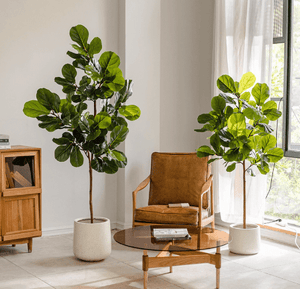
Notorious for dropping leaves when moved. Can lose five to ten leaves in the first two weeks. Place in the brightest indirect light available and do not move again. Recovery in three to four weeks.
Monstera
Generally robust during acclimation. May pause growth for a week or two. Rarely drops leaves from relocation stress.
Succulents and Cacti
Least affected by acclimation. May stretch slightly if moved from bright nursery conditions to lower indoor light. Adjust light gradually if possible.
Ferns
Sensitive to humidity drops. Some frond browning is common when moving from a humid nursery to an AC home. Increase humidity around the plant during the first two weeks.
Tips for Smoother Transitions

Buy from local growers. Plants grown in Singapore conditions are already acclimatised to our climate. The transition from a local nursery to your home is less dramatic than from an imported source.
Transport carefully. Keep plants upright, protected from wind, and out of direct sun during transport. A hot car boot can damage a plant in minutes.
Time your purchase. If possible, buy plants on a day when you can go directly home. Leaving a plant in a hot car while you run errands is stressful for the plant.
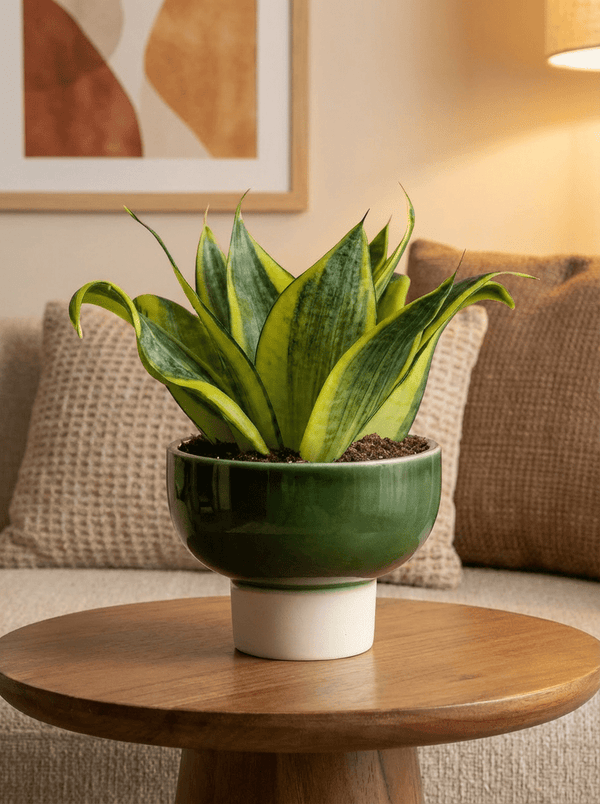
Start with hardy species. If you are new to plant ownership, choose plants known for easy acclimation — Pothos, Snake Plant, ZZ Plant, Aglaonema.
Shop Plants
Browse our indoor plant collection — every plant ships healthy and ready for its new home. Follow the acclimation protocol above, give it two weeks to settle, and enjoy watching it adapt and thrive in your space.
The first two weeks with a new plant are a test of patience, not skill. The plant needs time, not intervention. Resist the urge to overwater, repot, fertilise, or constantly rearrange. Place it in good light, water when the soil is dry, and wait. The vast majority of new plants reward this patience with healthy, adapted growth that lasts for years.
Quick summary
Key Takeaways
- Why Plants Experience Transition Stress
- The First Two Weeks: A Protocol
- What Is Normal (Do Not Panic)
- What Is NOT Normal (Take Action)
- Plant-Specific Acclimation Notes
- Tips for Smoother Transitions
Ready to bring some green into your home?
Browse 250+ hand-picked plants, curated for Singapore homes — delivered to your door.
Browse All Plants →