














Indoor Plant Lighting Guide: Understanding Light Levels for Singapore Homes
Posted on April 09 2026
In this article
# Indoor Plant Lighting Guide: Understanding Light Levels for Singapore Homes | Tumbleweed Plants Singapore

Every plant care guide mentions light requirements — bright indirect, low light, filtered sun — but what do these terms actually mean in a Singapore home? If you have ever wondered whether your north-facing HDB bedroom counts as "low light" or whether a spot near your west-facing window qualifies as "bright indirect," you are not alone. Light is the single most important factor in plant health, and understanding it properly can transform your success rate with houseplants.
This guide translates generic plant lighting terms into practical, Singapore-specific advice.
How Plants Use Light
Plants convert light energy into food through photosynthesis. Without adequate light, a plant cannot produce enough energy to sustain healthy growth, maintain vibrant colours, or produce flowers. Too much light — specifically too much direct tropical sun — can burn leaves and dehydrate the plant faster than its roots can supply water.
The key insight is that "adequate light" varies enormously between species. A snake plant can photosynthesize effectively in a dim corridor, while an adenium needs hours of direct sun to thrive. Matching your plant to the light your space actually provides is the foundation of successful indoor gardening.
Light Level Definitions for Singapore

Direct Sunlight
The sun's rays hit the plant directly, with no obstruction. In Singapore, direct sunlight is intense — significantly more so than in temperate countries. Our proximity to the equator means the sun is nearly overhead, and UV intensity is high year-round.
Where you find it: Right next to an unobstructed window, especially west and south-facing. Balconies and windowsills in the sun's path.
Suitable plants: Adenium, succulents, cacti, bougainvillea, African Daisy, herbs like basil and chilli.
Caution: Most indoor tropical houseplants cannot handle direct Singapore afternoon sun. Morning direct sun (east-facing) is gentler and tolerated by more species.
Bright Indirect Light
The most commonly recommended light level for houseplants. The area is well-lit and bright, but the sun's rays do not fall directly on the plant. You can tell you are in bright indirect light if:
- The area is brightly lit during the day
- You can comfortably read without additional lighting
- You can see clear, soft shadows (not sharp-edged ones)
- The plant is within 1-2 metres of a window but not in the direct beam
Where you find it: Near east or north-facing windows. 1-2 metres from south or west-facing windows. Behind sheer curtains in any orientation.
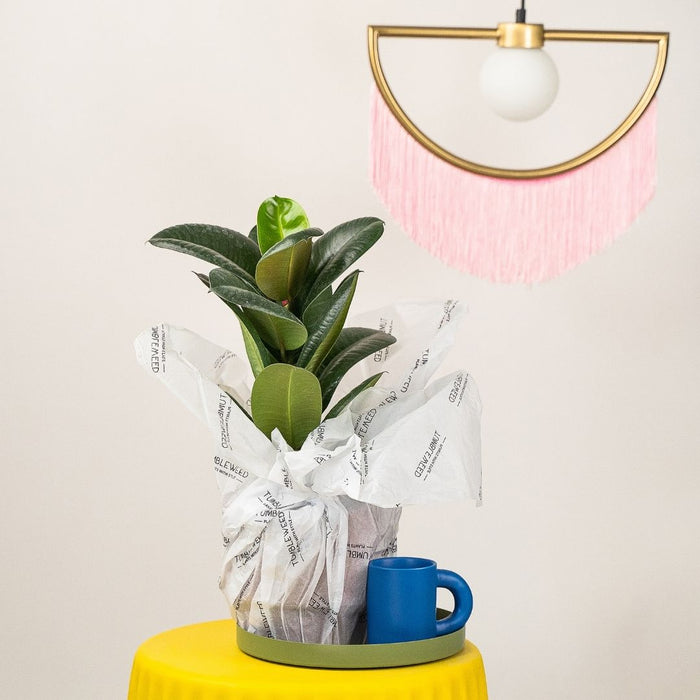
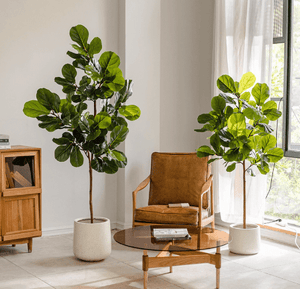
Suitable plants: Monstera, philodendron, fiddle leaf fig, rubber plant, calathea, Aglaonema Pink, ferns, peace lily.
Medium Indirect Light
Noticeably less bright than near a window, but still naturally lit during the day. You might need a lamp for comfortable reading in the afternoon. Shadows are faint and diffused.
Where you find it: 2-4 metres from a window. Interior rooms with one window. HDB living rooms in the afternoon.
Suitable plants: Aglaonema Pattaya Beauty, pothos, peace lily, dracaena, most ferns.
Low Light
The dimmest conditions where plants can still survive. The area gets some natural light but no direct sun at any time. You would typically need artificial lighting to read comfortably.
Where you find it: HDB corridors, interior rooms with small or no windows, bathrooms with frosted glass, rooms that face closely adjacent buildings.
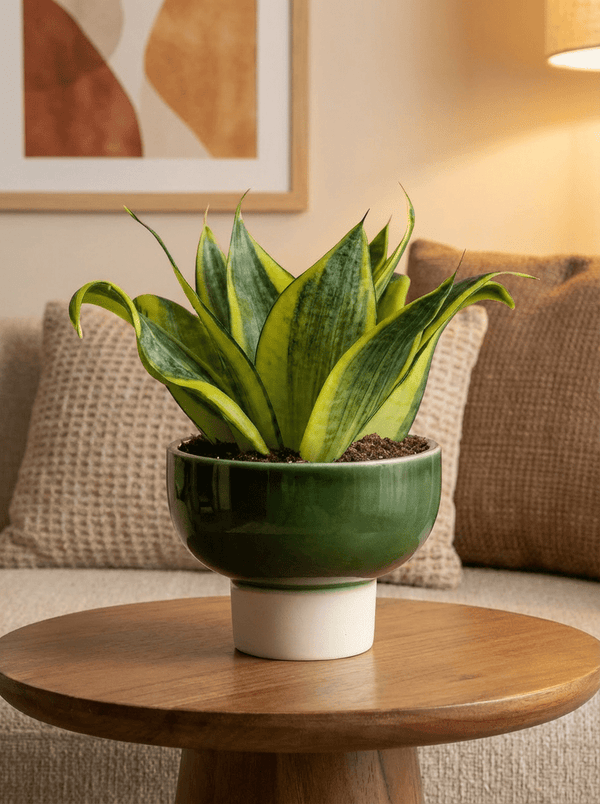
Suitable plants: ZZ plant, snake plant, cast iron plant, Aglaonema Snow White, some pothos varieties.
Important: "Low light" does not mean "no light." No plant can survive in complete darkness. If a space has zero natural light, you will need grow lights.
Window Direction Guide for Singapore
East-Facing Windows
- Morning sun: Gentle, warm light from roughly 6am to 12pm
- Intensity: Moderate — the kindest direct sun for most plants
- Best for: Most tropical houseplants thrive here. Ideal for calathea, monstera, philodendron, ferns, and flowering plants like African Violet
- Rating: The best all-round orientation for indoor plants in Singapore
West-Facing Windows
- Afternoon sun: Intense, hot light from roughly 12pm to 6pm
- Intensity: Very high — the harshest light exposure
- Best for: Sun-loving species only: Adenium, succulents, cacti, bougainvillea, herbs
- Caution: Most tropical foliage plants will scorch. Use sheer curtains or position plants 1-2 metres from the window.
North-Facing Windows
- Light quality: Soft, consistent indirect light throughout the day
- Intensity: Low to medium — no direct sun
- Best for: Low to medium light plants: aglaonema, pothos, ZZ plant, ferns, peace lily
- Limitation: Not enough for high-light plants, flowering plants may not bloom
South-Facing Windows
- Light quality: Strong, consistent light with possible direct sun
- Intensity: Medium to high
- Best for: Most plants do well here with some distance from the window. Good for a wide range of species.
- Note: In Singapore, south-facing windows can get very bright. Position accordingly.
Measuring Light in Your Home

The Shadow Test
Hold your hand 30cm above a white piece of paper at the location where you want to place a plant:
- Sharp, well-defined shadow: Direct or very bright light
- Soft shadow with clear outline: Bright indirect light
- Faint, diffused shadow: Medium light
- Barely visible shadow or no shadow: Low light
The Reading Test
At the plant's location during midday:
- Can read comfortably without any artificial light: Bright indirect or better
- Can read but would prefer a lamp: Medium light
- Need a lamp to read: Low light
Light Meter
For precision, use the light function on a 4-in-1 Watering Meter or a smartphone light meter app. General guidelines in lux:
- Direct sun: 10,000-100,000+ lux
- Bright indirect: 5,000-10,000 lux
- Medium indirect: 2,500-5,000 lux
- Low light: 500-2,500 lux
- Very low: Below 500 lux (few plants survive)
Supplemental Lighting
If your space lacks natural light, LED grow lights can fill the gap:
- Full spectrum LED panels: Best for serious plant growing. Position 20-40cm above plants.
- LED bulbs in desk lamps: Budget-friendly option for a single plant. Use a daylight (6500K) bulb.
- Duration: 10-14 hours of artificial light can substitute for natural light.
- Timer: Set an automatic timer so you do not have to remember to switch lights on and off.
Grow lights are especially useful for:
- Windowless bathrooms where you want to grow ferns
- Interior offices with no natural light
- Supplementing north-facing rooms during cloudier months
Common Light Mistakes in Singapore

1. Assuming All Bright Rooms Have Enough Light
A room can feel bright to human eyes but not provide adequate light for plants. Our eyes adapt to different light levels far better than plants can. If in doubt, use the shadow or meter test.
2. Placing Plants Too Far From Windows
Light intensity drops dramatically with distance. A plant 3 metres from a window receives roughly 25% of the light compared to a plant right next to it. For light-hungry plants, every metre matters.
3. Ignoring Seasonal Light Changes
Singapore does not have dramatic seasonal light changes like temperate countries, but the monsoon season (November-January) brings cloudier skies. Plants near north-facing windows may need supplemental light during extended overcast periods.
4. Forgetting About Obstructions
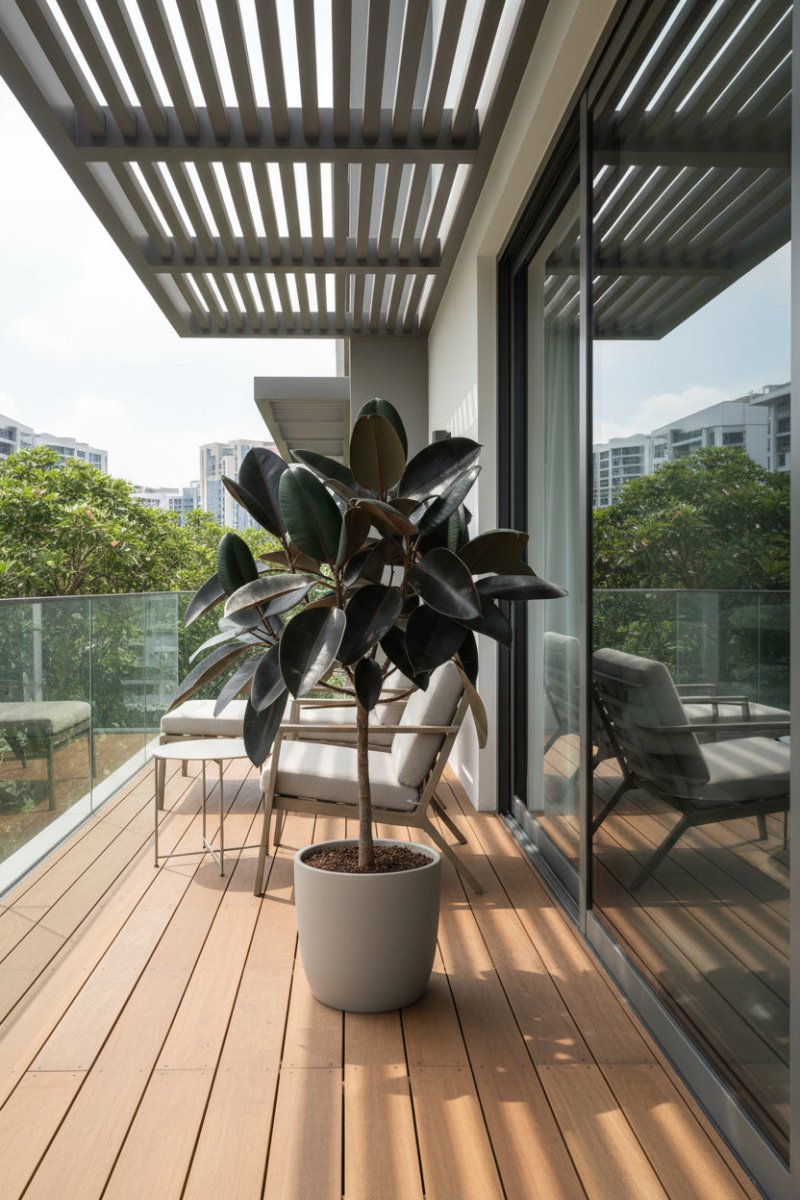
Neighbouring buildings, covered walkways, and balcony overhangs significantly reduce light entering windows. A "south-facing window" blocked by an adjacent building may effectively provide north-facing light levels.
5. Not Rotating Plants
Plants grow toward their light source. Without rotation, they become lopsided. Rotate pots a quarter turn every 1-2 weeks for even growth.
Quick Reference: Plants by Light Level
Full Sun (6+ Hours Direct)
Adenium, Tiger Aloe, succulents, cacti, African Daisy, herbs
Bright Indirect
Monstera, philodendron, fiddle leaf fig, rubber plant, calathea, Aglaonema Pink, Aglaonema Red
Medium Indirect
Aglaonema Pattaya Beauty, pothos, peace lily, dracaena, spider plant, most ferns
Low Light
ZZ plant, snake plant, Aglaonema Snow White, cast iron plant, some pothos varieties
Browse plants for every light level at Tumbleweed Plants with delivery across Singapore.
Quick summary
Key Takeaways
- How Plants Use Light
- Light Level Definitions for Singapore
- Window Direction Guide for Singapore
- Measuring Light in Your Home
- Supplemental Lighting
- Common Light Mistakes in Singapore
Ready to bring some green into your home?
Browse 250+ hand-picked plants, curated for Singapore homes — delivered to your door.
Browse All Plants →