

















Aglaonema Care Guide Singapore
Posted on April 08 2026
In this article
- Why Aglaonema Thrives in Singapore
- Light Requirements for Aglaonema in Singapore
- Watering Your Aglaonema in Singapore
- Humidity and Temperature
- Soil and Repotting
- Fertilising in Singapore's Climate
- Common Problems and How to Fix Them
- Best Aglaonema Varieties for Singapore Homes
- Styling Aglaonema in Your Singapore Home
- Quick Care Summary
- Final Thoughts
# Aglaonema Care Guide Singapore | Tumbleweed Plants Singapore

If you have ever walked through an HDB corridor and noticed a lush, colourful plant thriving in the shade, there is a good chance it was an Aglaonema. Known commonly as the Chinese Evergreen, the Aglaonema is one of the most forgiving and rewarding houseplants you can grow in Singapore. Its tolerance for low light, love of humidity, and striking leaf patterns make it a natural fit for our tropical apartments, air-conditioned offices, and sheltered balconies. Whether you are a first-time plant parent or an experienced collector looking to expand your indoor jungle, this guide will walk you through everything you need to know about Aglaonema care in Singapore's unique climate.
Why Aglaonema Thrives in Singapore
Singapore's year-round warmth and high humidity create near-perfect conditions for Aglaonema. In the wild, these plants grow on the shaded forest floors of tropical Southeast Asia, so our climate is essentially their natural habitat. That means you can skip the humidifiers and heat mats that plant owners in temperate countries rely on. The main challenge here is not recreating tropical conditions but rather managing excess moisture, occasional over-watering, and finding the right light balance inside our homes.
A Brief History
Aglaonema has been cultivated in Asia for centuries, prized for its ornamental foliage and perceived ability to bring good luck. Modern hybridisation, much of it carried out in Thailand and Indonesia, has produced dozens of stunning cultivars with leaves in shades of green, silver, pink, and red. Singapore plant shops now stock an impressive range, from classic green varieties to head-turning pink and red hybrids.
Light Requirements for Aglaonema in Singapore

The Sweet Spot: Bright Indirect Light
Aglaonema performs best in bright, indirect light. In a typical HDB flat, this means placing your plant near a window that does not receive direct afternoon sun. North-facing and east-facing windows are ideal because they provide gentle morning light without the scorching intensity of the western sun.
Can Aglaonema Survive Low Light?
Yes, and this is one of the plant's greatest strengths. Green varieties like Aglaonema Pattaya Beauty can tolerate surprisingly dim conditions, making them suitable for HDB corridors, interior shelves, and rooms with limited natural light. However, if you own a colourful variety such as Aglaonema Pink or Aglaonema Red, bear in mind that vibrant pigmentation depends on adequate light. In too little light, pink and red leaves may revert to mostly green.
Direct Sun: A Common Singapore Mistake
Many Singaporean plant owners place their Aglaonema on west-facing balconies or window ledges that catch the fierce afternoon sun. This can cause leaf scorch, bleaching, and brown crispy edges within days. If your only option is a sun-drenched spot, use a sheer curtain or place the plant a metre or two back from the window.
Watering Your Aglaonema in Singapore
Getting the watering right is the single most important aspect of Aglaonema care, and it is where most beginners go wrong.
How Often to Water
In Singapore's heat, the top inch of soil can dry out within three to five days during hot spells and take up to seven days during cooler, rainy periods. Rather than following a fixed schedule, check the soil before every watering session. Push your finger about two centimetres into the potting mix. If it feels dry, water thoroughly. If it still feels moist, wait another day or two.
Watering Technique
Water slowly and evenly around the base of the plant until you see water draining from the bottom of the pot. Never let the pot sit in a saucer of standing water for more than 30 minutes, as this invites root rot. If your Aglaonema sits in a decorative cachepot without drainage, pour out any collected water promptly.
Signs of Overwatering
- Yellowing lower leaves
- Mushy, blackened stems near the soil line
- A sour or musty smell from the soil
- Fungus gnats hovering around the pot
Signs of Underwatering
- Drooping, curling leaves that perk up after watering
- Dry, crispy leaf edges
- Slow growth even during the warm months
Humidity and Temperature

Humidity
Singapore's ambient humidity of 70 to 90 percent is exactly what Aglaonema loves. You generally do not need to mist your plant or run a humidifier. The one exception is if your Aglaonema lives in a heavily air-conditioned room where humidity can drop below 50 percent. In that case, grouping plants together, placing the pot on a pebble tray with water, or running the aircon on a timer rather than 24/7 will help.
Temperature
Aglaonema prefers temperatures between 18 and 30 degrees Celsius. Singapore rarely dips below 23 degrees, so cold damage is not a concern here. However, avoid placing your plant directly in the path of an aircon vent. The constant blast of cold, dry air can stress the foliage and cause brown leaf tips.
Aglaonema and Air-Conditioning
Many Singaporeans keep their homes air-conditioned for much of the day. Aglaonema handles aircon better than most tropical plants, which is one reason it is so popular in offices and shopping centres. Just ensure the plant is not sitting right beneath a vent and that the room temperature stays above 18 degrees Celsius.
Soil and Repotting
Best Soil Mix
Aglaonema needs a well-draining potting mix that still retains some moisture. A good recipe for Singapore conditions is:
- 60% quality potting soil
- 20% perlite or pumice
- 20% orchid bark or coco chips
This blend provides aeration and drainage while holding enough water to keep roots hydrated between sessions.
When to Repot
Repot your Aglaonema every 18 to 24 months or when you notice roots circling the bottom of the pot or emerging from drainage holes. The best time to repot in Singapore is during the warmer, drier months of March to May, when the plant can recover quickly. Choose a pot only one size larger than the current one; jumping to a much bigger pot increases the risk of waterlogging.
Fertilising in Singapore's Climate

Because Singapore has no dormant winter season, Aglaonema grows year-round, which means it benefits from regular feeding. Apply a balanced liquid fertiliser (such as NPK 10-10-10 or a slow-release granular formula) once a month during the main growing months of March to October. Reduce to once every six to eight weeks during the slightly cooler November to February period. Always water the soil before fertilising to avoid root burn.
Common Problems and How to Fix Them
Yellow Leaves
The most frequent complaint. In most cases, yellow leaves on Aglaonema signal overwatering. Check the soil moisture, reduce watering frequency, and ensure the pot has drainage holes. Occasionally, yellowing can also indicate nutrient deficiency; if the soil is dry and the plant has not been fed in months, a dose of balanced fertiliser should help.
Brown Leaf Tips
Usually caused by low humidity or direct aircon exposure. Move the plant away from vents and consider a pebble tray if the room is heavily air-conditioned.
Leggy Growth
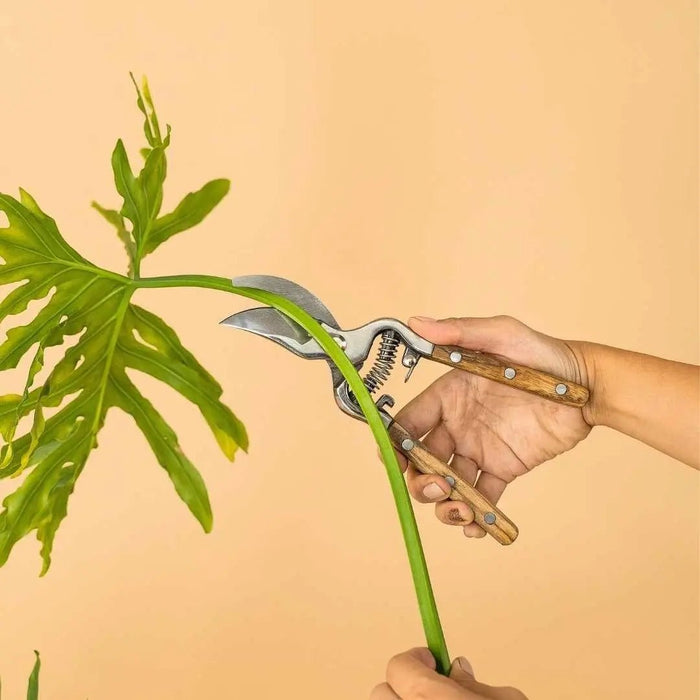
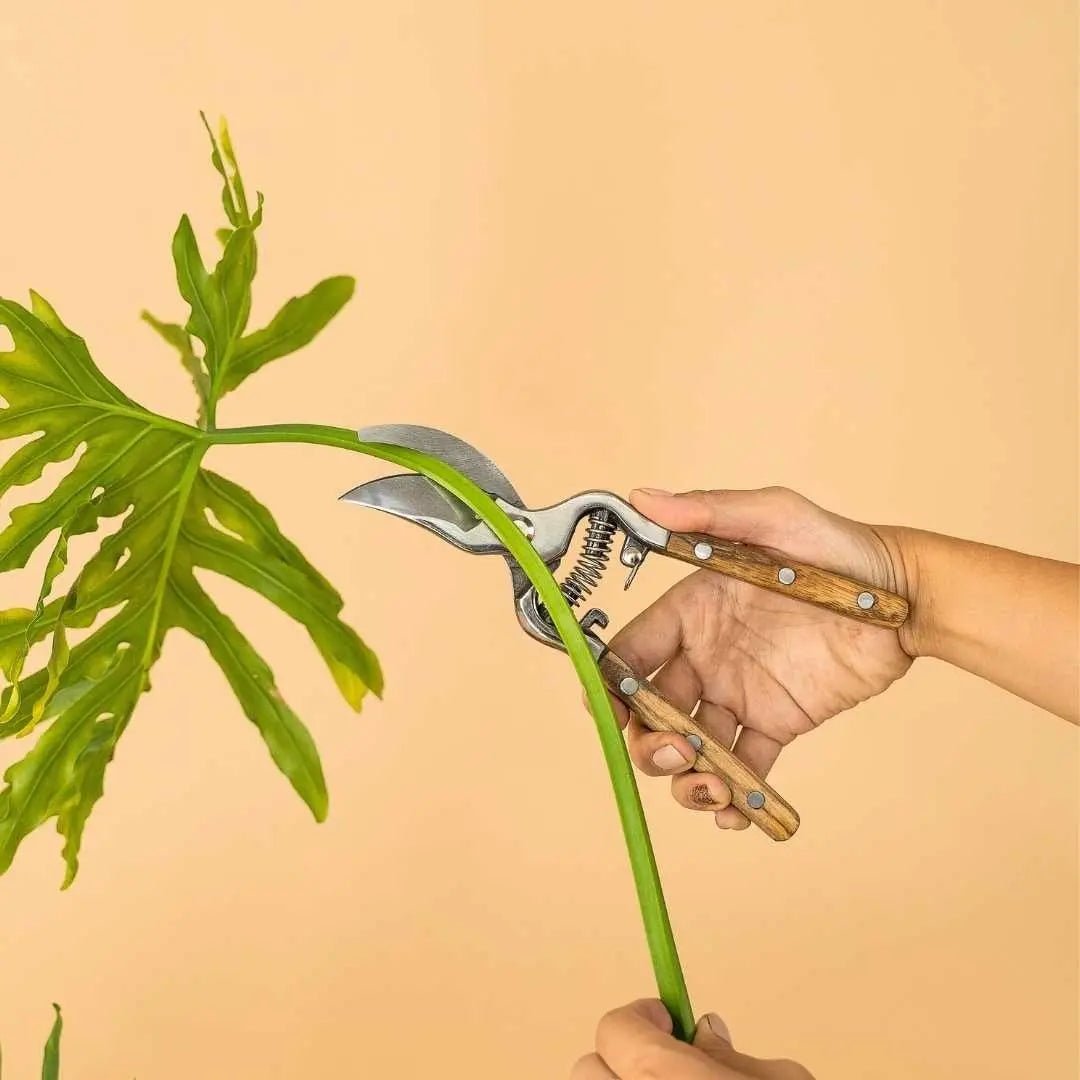
If your Aglaonema is stretching toward the light with long, bare stems, it needs more brightness. Move it closer to a window or supplement with a grow light. You can also prune leggy stems to encourage bushier growth.
Pests
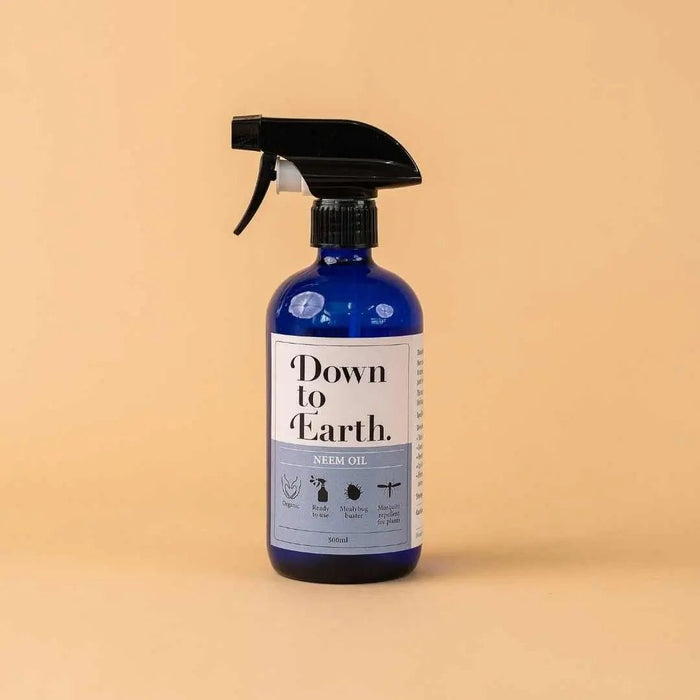
Mealybugs and spider mites are the most common pests on Aglaonema in Singapore. Inspect the undersides of leaves regularly. If you spot white cottony clusters (mealybugs) or fine webbing (spider mites), isolate the plant and treat with neem oil or insecticidal soap. Repeat treatment every five to seven days until the infestation clears.
Root Rot
If the base of the plant feels mushy and smells foul, root rot has likely set in. Unpot the plant, trim away all black or mushy roots with sterilised scissors, and repot in fresh, well-draining soil. Reduce watering going forward.
Best Aglaonema Varieties for Singapore Homes
Aglaonema Pattaya Beauty
A classic choice and one of the toughest varieties. Aglaonema Pattaya Beauty features broad, dark-green leaves with silvery-green centres. It handles low light remarkably well and is an excellent starter plant for HDB living rooms and bedrooms.
Aglaonema Pink
If you want a pop of colour, Aglaonema Pink delivers with stunning rose-pink leaf centres bordered by green margins. It needs slightly more light than green varieties to maintain its vibrant colouring, so place it near an east-facing window.
Aglaonema Red
Aglaonema Red is a showstopper with deep crimson and green foliage. Like the pink variety, it benefits from brighter indirect light. A perfect statement piece for a well-lit living room shelf.
Aglaonema Snow White
For a cooler aesthetic, Aglaonema Snow White offers creamy white and green variegation that brightens up any corner. It pairs beautifully with minimalist Scandinavian-style interiors that are popular in many Singapore homes.
Aglaonema Pattaya Diamond Baby
A compact variety ideal for small spaces, Aglaonema Pattaya Diamond Baby works perfectly on study desks, kitchen counters, and narrow HDB window sills. Its smaller footprint makes it easy to fit into tight spots without sacrificing visual impact.
Aglaonema Pride of Sumatra
Named after the Indonesian island, Aglaonema Pride of Sumatra features bold red and green colouring that adds a tropical punch to any room. It is a vigorous grower that responds well to regular feeding.
Styling Aglaonema in Your Singapore Home
HDB Corridors and Bomb Shelters
Aglaonema is one of the few decorative plants that can genuinely thrive in the dim conditions of an HDB common corridor or a converted bomb shelter turned study room. Choose green varieties for the lowest-light spots and reserve colourful cultivars for areas with more ambient brightness.
Office Desks
If your office has fluorescent lighting but no windows, a green Aglaonema can still grow happily. Water less frequently in air-conditioned environments and wipe the leaves with a damp cloth every two weeks to keep them dust-free and photosynthesising efficiently.
Pairing with Planters
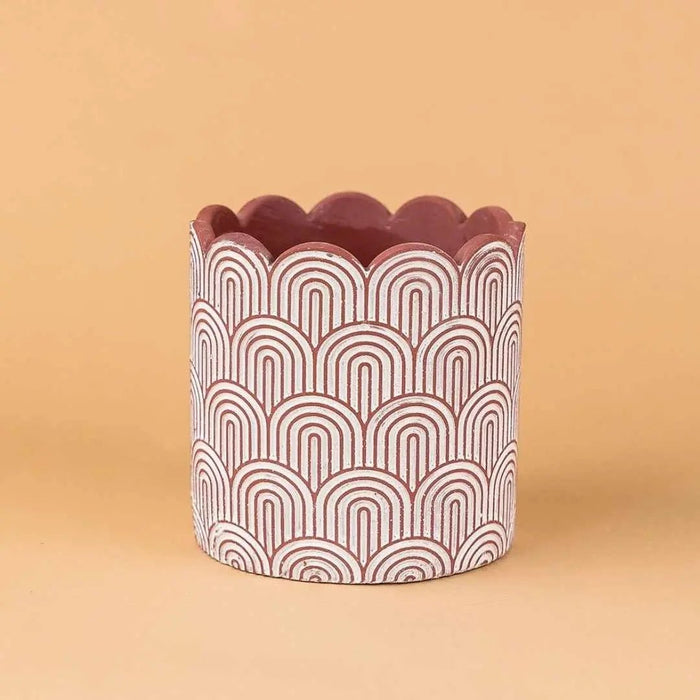
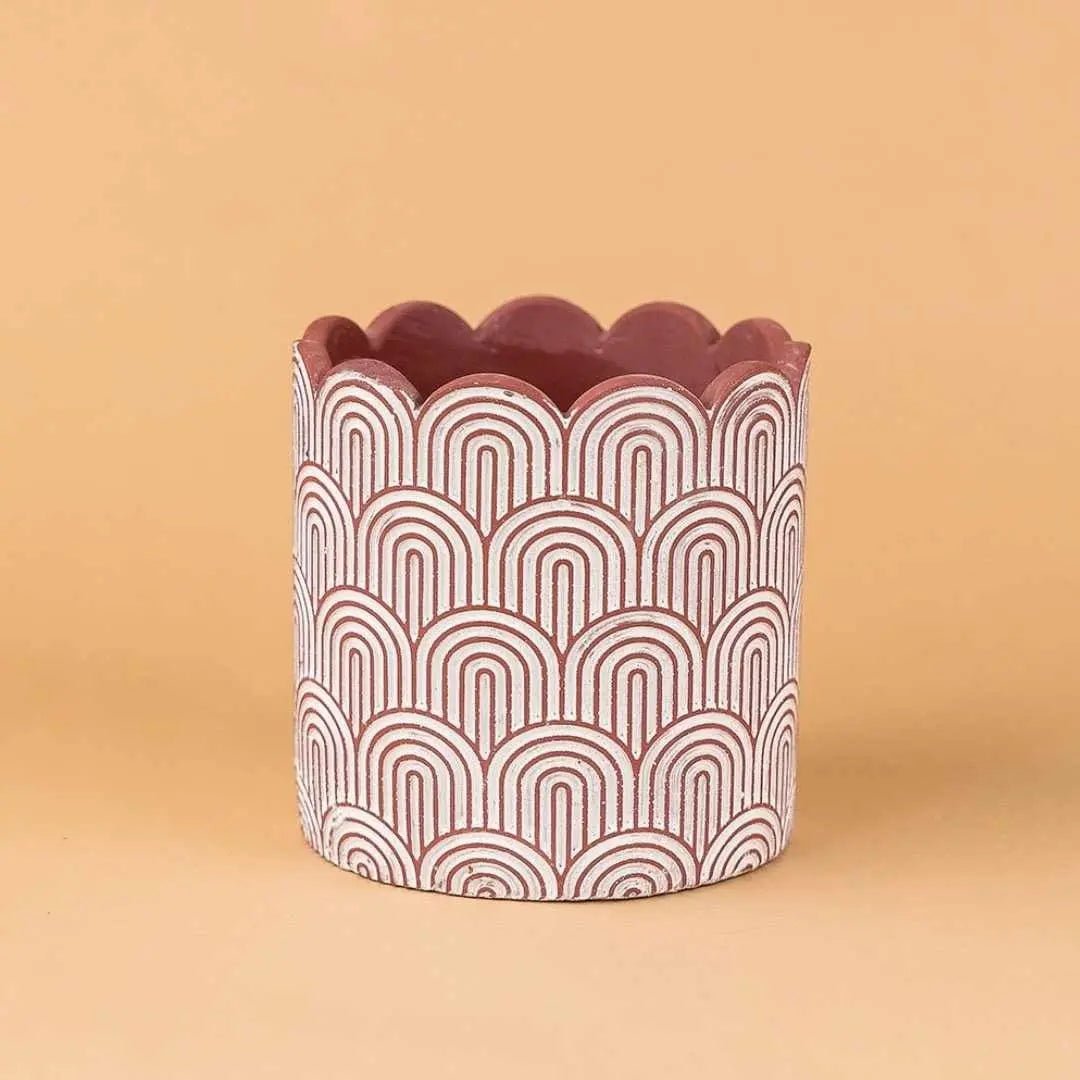
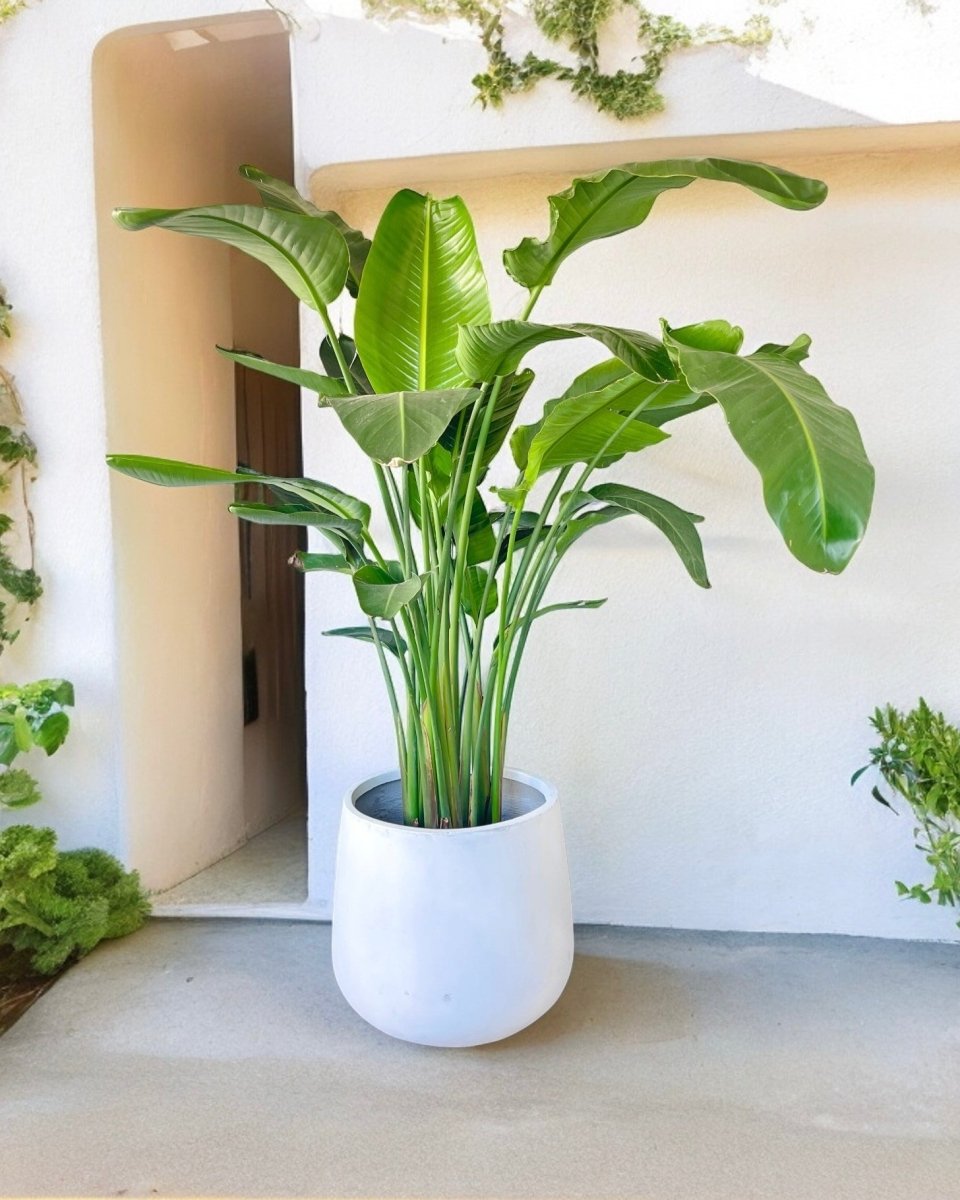
Aglaonema's colourful foliage looks best in neutral-toned planters, such as white ceramic, concrete grey, or matte black. The contrast allows the leaf colours to take centre stage.
Quick Care Summary
| Factor | Recommendation |
|---|---|
| Light | Bright indirect; tolerates low light |
| Water | When top 2 cm of soil is dry |
| Humidity | 60-90% (Singapore ambient is ideal) |
| Temperature | 18-30 degrees Celsius |
| Soil | Well-draining mix with perlite and bark |
| Fertiliser | Monthly during growing season |
| Repotting | Every 18-24 months |
| Toxicity | Mildly toxic if ingested; keep away from pets and children |
Final Thoughts
Aglaonema is as close to a no-fail houseplant as you can get in Singapore. Its tolerance for low light, love of humidity, and easygoing nature make it ideal for busy professionals, forgetful waterers, and anyone who wants lush greenery without high maintenance. Whether you start with a classic Pattaya Beauty or go straight for the drama of an Aglaonema Red, you will find that this plant rewards even the most basic care with beautiful, long-lasting foliage. Browse our full Aglaonema collection to find the perfect variety for your space.
Quick summary
Key Takeaways
- Why Aglaonema Thrives in Singapore
- Light Requirements for Aglaonema in Singapore
- Watering Your Aglaonema in Singapore
- Humidity and Temperature
- Soil and Repotting
- Fertilising in Singapore's Climate
Ready to bring some green into your home?
Browse 250+ hand-picked plants, curated for Singapore homes — delivered to your door.
Browse All Plants →