














Chinese Evergreen (Aglaonema) Care Guide Singapore
Posted on April 09 2026
In this article
If there is one plant that deserves the title of perfect Singapore houseplant, it might be the Aglaonema. Commonly known as Chinese Evergreen, this Southeast Asian native combines stunning foliage colour with an almost supernatural tolerance for low light, air conditioning, and inconsistent care.

Walk into any Singapore office, shopping mall, or HDB lobby and you will likely spot an Aglaonema thriving quietly in a corner. There is a reason it is everywhere — it simply works.
Why Aglaonema Is King in Singapore
Aglaonema is native to the tropical forests of Southeast Asia — including Malaysia, just across the causeway. This regional heritage means:
- Perfectly adapted to Singapore's temperature range (25-32°C)
- Thrives in our natural humidity
- Evolved as an understory plant — tolerates the low-light conditions common in HDB and condo interiors
- Handles air conditioning better than most tropicals
- Available in an astonishing range of colours
Popular Varieties in Singapore

Aglaonema Silver Bay
Classic silver and green bicolour. The most common variety, found everywhere from nurseries to supermarkets. Extremely hardy.
Aglaonema Red Series
Multiple cultivars in stunning reds and pinks:
- Red Siam: Bold red edges with green centres
- Red Valentine: Deep red with green margins
- Red Lipstick: Bright red-pink new growth
These are the varieties that make people stop and ask "What plant is that?"
Aglaonema Maria
Dark green leaves with lighter green striping. A classic that never goes out of style. Among the most shade-tolerant.
Aglaonema Pink Dalmatian
Pink speckles on green leaves. Cheerful and unique. A conversation starter.
Aglaonema Pictum Tricolor
The collector's Aglaonema. Camouflage-patterned leaves in three shades of green. Harder to find and more demanding than common varieties but spectacular.
Aglaonema White Rain
White and green variegation that brightens dark corners. Maintains colour better in low light than most variegated plants.
Light Requirements
Aglaonema's superpower is its light flexibility.
Green varieties (Maria, Silver Bay): Genuinely thrive in low light. Interior rooms, office cubicles, corridors — places where most plants merely survive, these Aglaonemas actually grow well.
Coloured varieties (Red, Pink): Need moderate to bright indirect light to maintain their colour. In low light, red varieties gradually shift toward green. Still survive, but lose their selling point.
All varieties should avoid:
- Direct afternoon sun (scorches leaves)
- Complete darkness (even Aglaonema needs some light)
Singapore placement guide:
- Green varieties: anywhere with at least ambient light
- Red/Pink varieties: near windows or in naturally bright rooms
- North-facing rooms work for all varieties
- Office fluorescent lighting is sufficient for green varieties
Watering

One of the easiest houseplants to water. Aglaonema is forgiving of both slight overwatering and underwatering.
Frequency in Singapore:
- Every 5-8 days in naturally ventilated rooms
- Every 4-6 days in air-conditioned spaces
- Allow top 2-3cm of soil to dry between waterings
Method: Water thoroughly until it drains. Empty saucers after 30 minutes.
What makes it easy: Aglaonema tolerates a wider moisture range than most plants. It will not collapse if you water a day early or a day late. This forgiveness makes it ideal for busy Singaporeans and offices.
Overwatering signs: Yellow lower leaves, mushy stems
Underwatering signs: Drooping leaves, dry soil pulling from pot edges
Soil
Standard well-draining mix works:
- 50% potting soil
- 30% perlite
- 20% orchid bark or coco coir
Aglaonema is not particularly fussy about soil as long as it drains reasonably well.
Humidity
Singapore's ambient humidity is ideal. Aglaonema handles air conditioning better than Calathea or Alocasia, though it does best above 50% humidity.
In air-conditioned offices: Usually fine without intervention. If leaf edges brown, group with other plants or add a pebble tray.
Fertilising
Light feeder. In Singapore's year-round growing season:
- Balanced liquid fertiliser at half strength every 4-6 weeks
- Or slow-release granules every 3-4 months
- Reduce for plants in very low light (they grow slowly and need less)
Common Problems

Yellow Lower Leaves
Some lower leaf yellowing is natural as the plant grows — it sheds older leaves to support new growth. If multiple leaves yellow at once, check for overwatering.
Leggy Growth
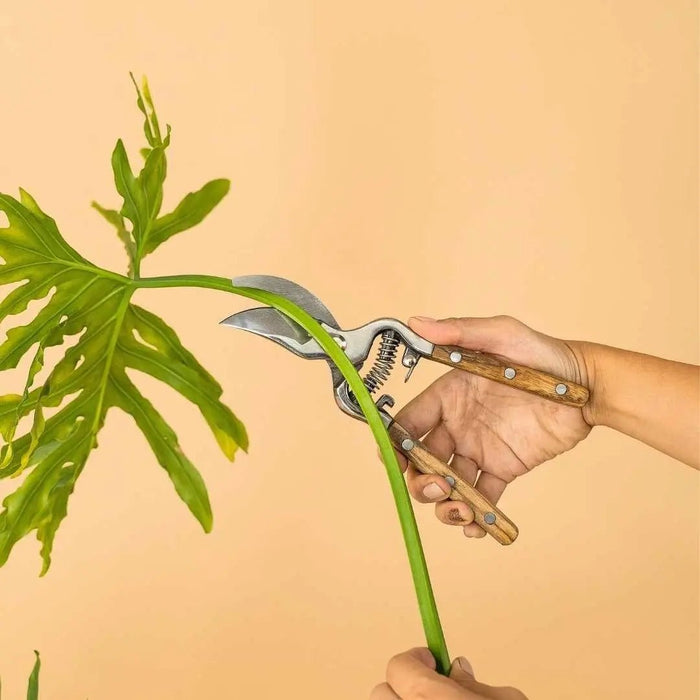
Long stems with sparse leaves indicate insufficient light. Prune leggy stems to encourage bushier growth and move to a brighter spot.
Brown Leaf Tips
Usually caused by:
- Low humidity (air conditioning)
- Fertiliser buildup (flush soil with plain water)
- Inconsistent watering
Pests
Aglaonema is relatively pest-resistant but occasionally attracts:
- Mealybugs: In leaf axils. Treat with rubbing alcohol.
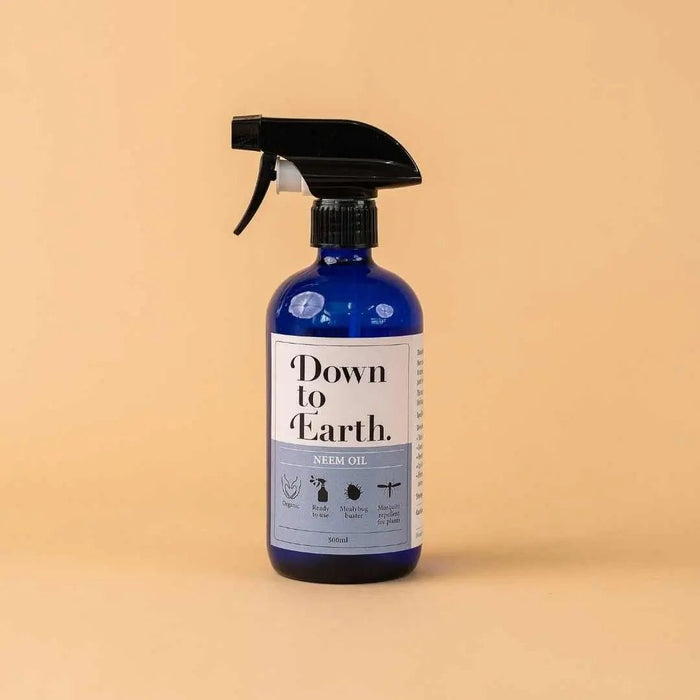
- Spider mites: In dry conditions. Spray with neem oil.
- Scale: On stems. Scrape off and apply neem oil.
Root Rot
Less common than with other aroids but possible if soil stays waterlogged. Ensure drainage holes and appropriate soil mix.
Propagation
Division (Easiest Method)
Aglaonema grows in clumps that are easy to divide:
- Unpot the plant
- Gently separate stems with their attached roots
- Pot each section in fresh soil
- Water lightly and place in indirect light
- New growth appears within 2-3 weeks
Stem Cuttings
- Cut a stem section with at least 2 nodes
- Plant in moist potting mix or place in water
- Keep warm and in indirect light
- Roots develop in 2-4 weeks
Styling With Aglaonema
Desktop colour pop: A Red Siam on a white desk adds instant personality to a workspace.
Mass planting: Multiple Aglaonemas of the same variety in a long planter creates a lush, uniform display — popular in Singapore offices and restaurants.
Mixed colour display: Group green, red, and pink varieties together for a striking colour gradient.
Bathroom accent: Aglaonema thrives in humid bathrooms with moderate light.
HDB corridor plant: One of the best choices for HDB common corridors — tolerates the mixed lighting and occasional neglect.
Aglaonema vs Other Low-Light Champions
Compared to other shade-tolerant plants:
- vs Snake Plant: Aglaonema offers more colour variety. Snake Plant is even more drought-tolerant.
- vs ZZ Plant: Aglaonema grows faster and offers more colour. ZZ Plant is more drought-tolerant.
- vs Pothos: Aglaonema has bolder, broader foliage. Pothos trails better.
- vs Peace Lily: Aglaonema is more forgiving and needs less water. Peace Lily flowers.
Final Thoughts
Aglaonema is the plant you recommend to anyone who says "I kill everything." It tolerates the conditions that kill other plants — low light, air conditioning, irregular watering — and does it while looking genuinely beautiful. The red and pink varieties bring colour to spaces that would otherwise be all green, and the ease of care means the colour sticks around.
If you are building a plant collection in Singapore, start here. If you already have a collection, add one for the spots where nothing else thrives.
Browse our Aglaonema collection at Tumbleweed Plants.
Quick summary
Key Takeaways
- Why Aglaonema Is King in Singapore
- Popular Varieties in Singapore
- Light Requirements
- Watering
- Soil
- Humidity
Ready to bring some green into your home?
Browse 250+ hand-picked plants, curated for Singapore homes — delivered to your door.
Browse All Plants →