

























Everfresh Tree Leaves Closing or Dropping? A Singapore Troubleshooting Guide
Posted on July 25 2026
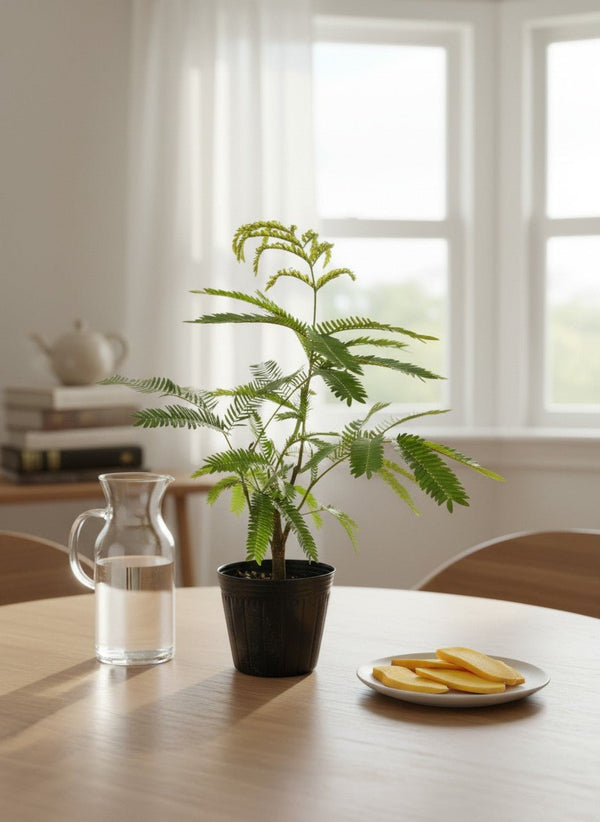
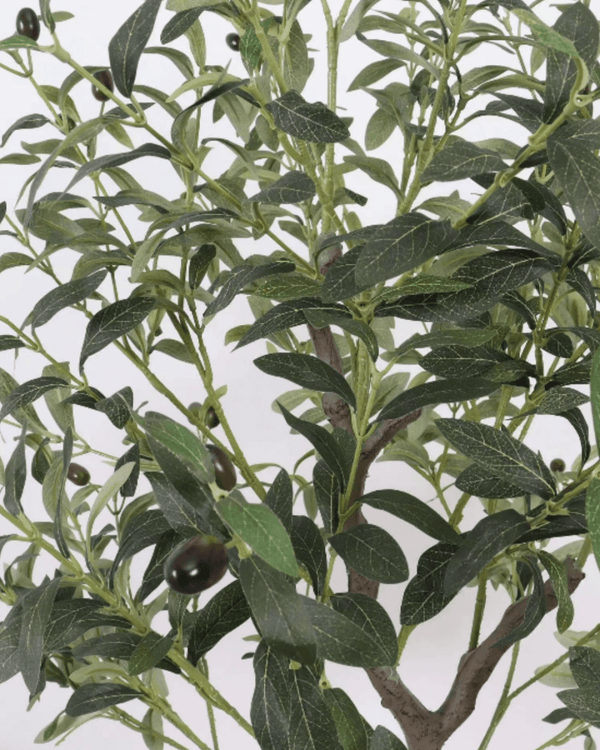
The Everfresh Tree is one of the most expressive indoor trees you can grow in Singapore. Its fine, fern-like leaflets open in the day and fold gently in the evening, giving the plant a soft “sleeping” rhythm that makes it feel almost animated. Because it moves so visibly, it can also make owners worry: are the leaves meant to close, or is the tree stressed?
This guide helps you read the difference between normal Everfresh behaviour and real warning signs such as sudden leaf drop, yellowing, crispy tips or sparse new growth. The advice is written for Singapore homes, where bright windows, humid air, air-conditioning and fast-drying balcony spots can all affect how an Everfresh Tree settles in.
First: leaf closing is normal for Everfresh trees
Everfresh trees, also known as Pithecellobium confertum, naturally fold their leaflets in lower light. Most healthy trees will look fuller in the day, then tuck their leaves closer together at night. You may also see the foliage close slightly during dark storms or after the plant is moved into a dimmer corner.
Normal leaf closing usually has these signs:
- The leaves reopen when the room is bright again.
- The stems remain firm, not shrivelled or mushy.
- There is no heavy yellowing or sudden carpet of fallen leaflets.
- New tips continue to look green and active over time.
If your Everfresh folds at night and perks up the next morning, that is usually a sign of a responsive plant rather than a problem.
When closing leaves become a care warning
Leaf closing can become a warning when it happens together with other symptoms. If the tree stays folded through the day, drops many leaflets, or has dry brown edges, check its light, water and airflow before changing everything at once.
1. The room may be too dim
Everfresh trees enjoy bright, filtered light. In Singapore apartments, a spot near an east-facing window, bright north/south-facing window, or a few steps back from a sunny balcony door often works well. A dark corridor, deep shelf or room with curtains closed for most of the day can make the tree thin out over time.
Try this: move the tree gradually to a brighter position and observe it for one to two weeks. Avoid pushing it straight into harsh afternoon sun if it has been living in a dim room, as the fine leaflets may scorch.
2. Watering may be swinging between too dry and too wet
Everfresh trees like consistent moisture, but they dislike sitting in soggy soil. In Singapore’s warm climate, a tree near a bright window can dry faster than expected, while one in a decorative pot without drainage can stay wet for too long.
Instead of watering on a fixed calendar, check the potting mix. Water when the top few centimetres feel dry, then water thoroughly until excess drains away. If the nursery pot sits inside a cover pot, empty any collected water after watering.
Too dry may look like: folded leaves in the day, crispy tips, limp fine leaflets and sudden shedding. Too wet may look like: yellowing, soft stems, fungus gnats or a sour smell from the potting mix.
3. Air-conditioning can dry the leaflets
Many Singapore homes use air-conditioning at night. Everfresh trees can adapt, but a direct cold draft can dry the delicate foliage and stress tender new growth. If leaflets drop mostly on the side facing the air-con, shift the plant out of the airflow.
A stable bright spot is better than moving the tree daily between a cold bedroom and warm balcony. If your room is air-conditioned for long hours, keep watering checks consistent and avoid placing the plant directly below the unit.
Why is my Everfresh Tree dropping leaves?
Some leaf drop after delivery or after moving home is normal. The plant is adjusting to a new light level, humidity pattern and watering routine. The goal is to reduce additional stress while it settles.
Use this checklist:
- Check light first. If the plant is far from a window, move it brighter.
- Check soil moisture next. Do not water again if the mix is still wet below the surface.
- Check drainage. Make sure excess water is not trapped in the cover pot.
- Check airflow. Avoid direct air-con or fan blasts.
- Wait before fertilising. Fertiliser will not fix root stress and can make a struggling plant worse.
If the stems remain firm and new shoots appear, the tree is likely recovering even if older leaflets continue to shed for a short period.
How much light does an Everfresh Tree need in Singapore?
A bright window is usually the sweet spot. Everfresh trees can handle strong brightness, but indoor-grown trees prefer filtered light rather than several hours of harsh, direct afternoon sun through glass. If the tree becomes leggy, sparse or keeps closing during the day, it may need more light.
For homes without a bright window, consider supplementing with a grow light placed at a sensible distance above the foliage. Keep the setup consistent: sudden changes from dim to intense light can shock the plant.
Watering routine for a healthy Everfresh Tree
In a typical Singapore indoor setting, your watering frequency may change with the weather, pot size and room conditions. A small tree in a warm bright corner may need water more often than a large tree in a cooler room. The best routine is a check-and-water habit:
- Feel the top layer of soil every few days.
- Water only when the top few centimetres are dry.
- Water deeply, then let the pot drain.
- Avoid leaving the base sitting in water.
If you are unsure, lift the nursery pot after watering and again when it is nearly dry. The change in weight is one of the easiest ways to learn your plant’s rhythm.
Choosing an Everfresh Tree for your space
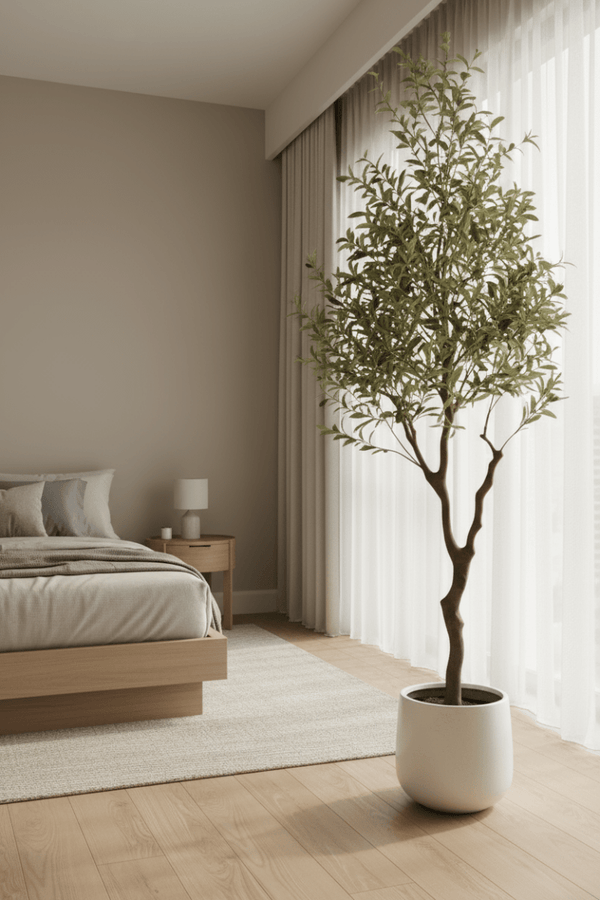
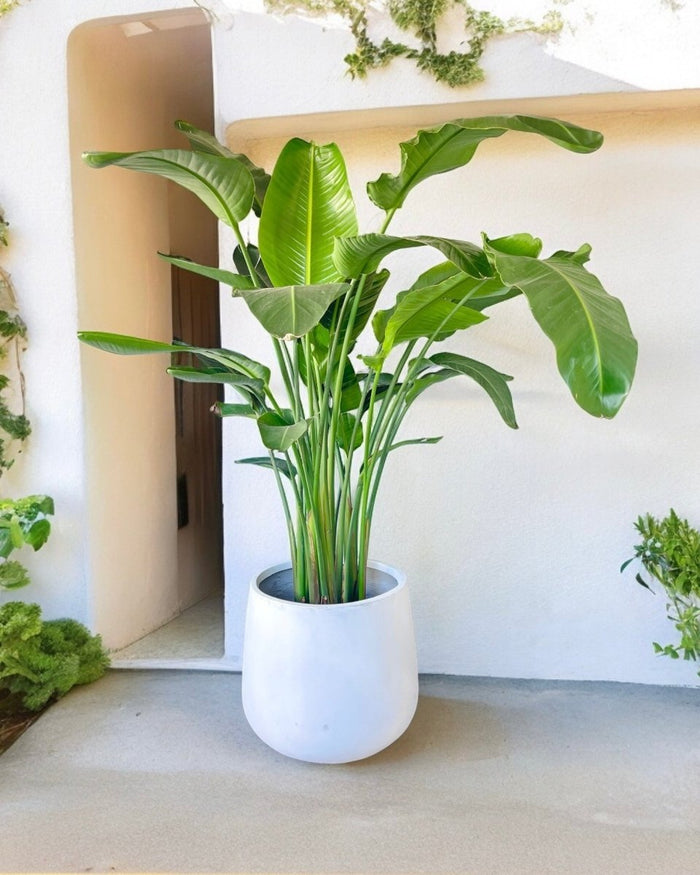
Everfresh trees come in different sizes and forms, from compact young trees to sculptural bending shapes. Choose based on your light and floor space rather than looks alone. A taller tree needs a stable bright corner, while a smaller tree is easier to acclimatise on a plant stand or beside a window.
Shop live Everfresh options
- Everfresh Baby Tree - Pithecellobium Confertum (Japan) — a more compact way to start with this species.
- Everfresh Bending (Japan) — a sculptural choice for a bright living room corner.
- Everfresh Tree (Japan) Junior — a manageable size for acclimatising indoors.
FAQ: Everfresh Tree care in Singapore
Is it normal for Everfresh leaves to close at night?
Yes. Everfresh leaflets naturally fold in the evening and reopen when the light improves. This movement is normal unless the tree stays folded during the day or drops many leaves at the same time.
Can Everfresh trees live indoors?
Yes, if they receive bright filtered light and consistent watering. They are best suited to bright living rooms, window areas and sheltered balcony-adjacent spaces, rather than dark corners.
Why are the tips turning brown?
Brown tips often come from inconsistent watering, direct air-conditioning, heat stress near a hot window, or a root zone that has stayed too wet. Check the soil and environment before trimming.
Should I mist my Everfresh Tree?
Misting can briefly freshen the foliage, but it is not a replacement for correct watering and good light. Avoid keeping the leaves constantly wet in still air, especially indoors.
When should I repot an Everfresh Tree?
Repot only when the plant is actively growing, rootbound, or drying out much too quickly after watering. If it is stressed from a recent move, let it acclimatise before repotting.
The simple care formula
For most Singapore homes, Everfresh success comes down to three habits: give it bright filtered light, water thoroughly only after the top layer dries, and keep it away from direct air-conditioning drafts. If the leaves close at night and reopen by day, enjoy the movement. If they close and drop heavily, use the checklist above to correct the environment one factor at a time.