














Flowering Booster for Plants in Singapore: How to Support Healthier Blooms at Home
Posted on August 27 2026
If your plant is healthy but rarely flowers in Singapore, the missing piece is often not one magic product — it is the balance of light, watering, drainage and gentle feeding. A flowering booster can help flowering plants put more energy into buds, but it works best when the plant is already getting the right home conditions.
Table of contents
- What a flowering booster actually does
- When to use it in Singapore homes
- How to apply it without overfeeding
- Good plant-care pairings
- FAQ

What a flowering booster actually does
A flowering booster is a plant feed designed to support the flowering stage. It is not a shortcut for weak light or poor watering habits. Instead, it gives flowering plants extra nutritional support once they are already actively growing and ready to form buds.
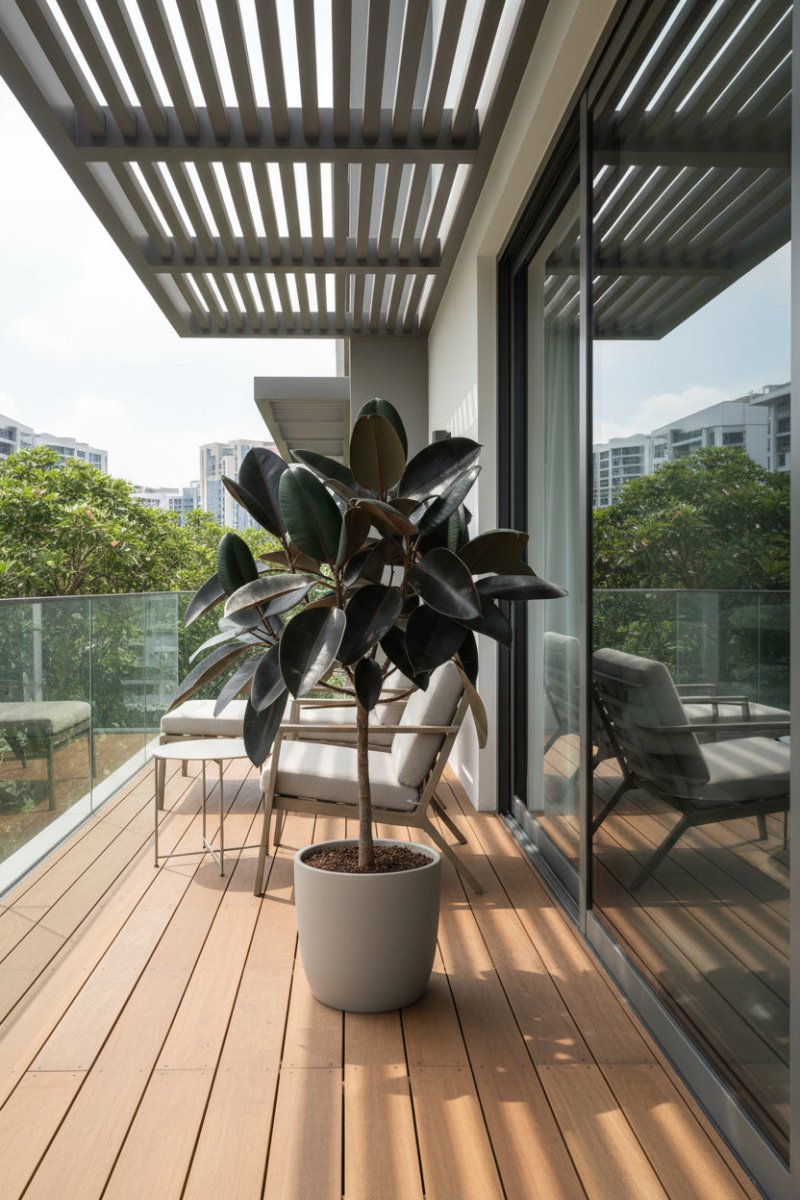
For Singapore plant parents, this matters because many homes have strong humidity but variable light. A plant sitting in a dim corner may stay alive, but it may not have enough energy to bloom well. Before feeding, check that your plant is in the brightest suitable spot for its species — often beside a bright window, balcony door or sheltered corridor with indirect light.
When to use flowering booster in Singapore
Singapore does not have the same cold-season dormancy as temperate countries, so timing is more about your plant’s growth signs than the calendar. Consider feeding when you notice fresh leaves, new stems, swelling buds or a plant entering its natural blooming rhythm.
- Good time: active growth, healthy foliage and a stable watering routine.
- Wait first: yellowing leaves, root rot, pest stress, recent repotting shock or very wet soil.
- Use lightly: plants in small pots, low-light rooms or air-conditioned spaces where growth is slower.
Featured care product

Down To Earth. Flowering Booster is a useful option for plant parents who want a dedicated bloom-support feed for flowering plants at home.
How to apply it without overfeeding
The safest approach is to start lighter than the label maximum, especially for indoor plants. Feed only when the potting mix is already managed well: not constantly soggy, not compacted, and not sitting in water. In humid Singapore homes, overwatering and low airflow can create more problems than underfeeding.
- Water the plant normally first if the soil is very dry.
- Apply flowering booster according to the product directions, starting conservatively.
- Keep the plant in suitable bright light after feeding so it can use the nutrients.
- Pause feeding if leaves yellow, tips burn, soil stays wet for too long, or pests appear.
Good pairings for healthier blooms
Flowering booster works best as part of a whole care setup. If blooms are your goal, prioritise these basics before increasing feed strength:
- Light: most flowering plants need brighter light than foliage-only plants.
- Drainage: choose a pot and mix that let excess water move through cleanly.
- Consistency: avoid swinging between bone-dry soil and waterlogged roots.
- Observation: feed the plant you have, not a fixed schedule copied from a different climate.
You can browse more essentials in Plant Care, or pair bloom-friendly care with suitable greenery from the Plants collection.
Bloom-support checklist
- Healthy plant with active new growth
- Bright-enough position for the species
- Potting mix drains before the next watering
- Light, consistent feeding rather than heavy doses
FAQ
Can flowering booster make any plant bloom?
No. Some indoor plants rarely flower at home, and others need very specific light or maturity before blooming. Flowering booster supports the process; it does not replace the right conditions.
Should I use flowering booster on a stressed plant?
It is better to fix the stress first. If roots are too wet, leaves are yellowing, or pests are present, feeding can add more pressure instead of helping.
How often should I feed flowering plants in Singapore?
Follow the product directions and adjust based on growth, light and pot size. Indoor plants in lower light usually need less frequent feeding than balcony plants in brighter conditions.
Build a calmer plant-care routine
Explore plant care essentials and indoor plants selected for Singapore homes.