














Grow Pot vs Decorative Planter: Which Pot Should You Use for Indoor Plants in Singapore?
Posted on July 20 2026
A grow pot and a decorative planter do different jobs. In Singapore homes, understanding the difference helps you keep indoor plants healthier while still making your shelf, balcony corner or living-room floor look styled.
If you are choosing a plant for a HDB flat, condo balcony or bright work-from-home corner, start with the exact conditions you can offer: how much filtered light reaches the spot, whether the room is air-conditioned at night, and whether the pot will drain freely after watering.
Quick care guide
- Best light: Light still matters more than the pot style: place the plant where it receives the right light first, then choose a grow pot or decorative planter that fits that location without blocking drainage or airflow.
- Watering rhythm: Water plants in a drainage pot whenever possible, let excess water run through, then empty any decorative cover pot. This is especially important in humid Singapore rooms where trapped water can keep roots wet for too long.
- Potting: Use a drainage pot and a loose indoor plant mix. Avoid leaving water collected inside decorative outer pots.
- Singapore note: Humidity helps foliage, but humid air does not replace good airflow or careful watering.
Where to place it in a Singapore home
Light still matters more than the pot style: place the plant where it receives the right light first, then choose a grow pot or decorative planter that fits that location without blocking drainage or airflow.
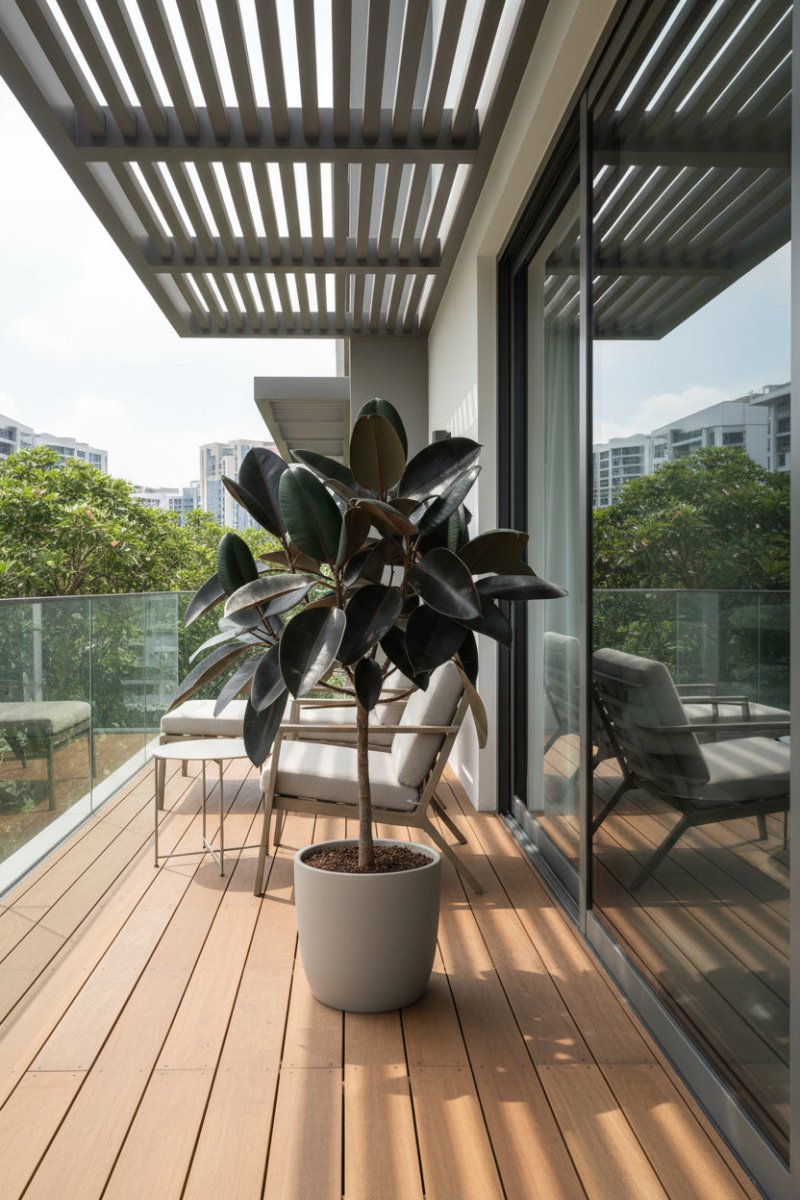
For most homes, the safest starting point is beside a bright window, on a plant stand near balcony doors, or under a quality grow light if natural light is weak. Avoid placing new plants directly beside hot glass, strong afternoon sun, or an air-conditioner outlet.
How to water without overdoing it
Water plants in a drainage pot whenever possible, let excess water run through, then empty any decorative cover pot. This is especially important in humid Singapore rooms where trapped water can keep roots wet for too long.
Singapore’s warm weather can dry small pots quickly, while glazed planters, decorative cover pots and air-conditioned rooms can keep the root zone damp for longer. Lift the pot, feel the mix, or use a simple meter before watering again.
Potting and maintenance tips
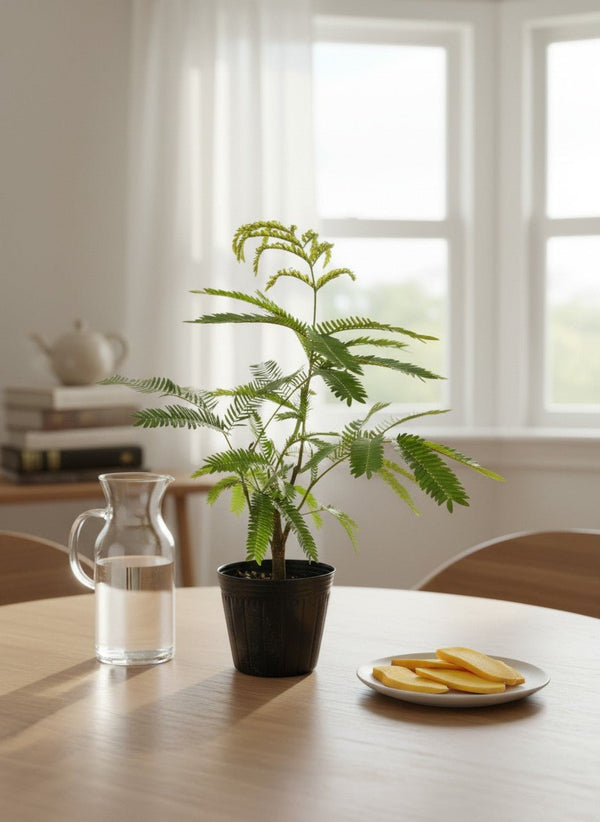
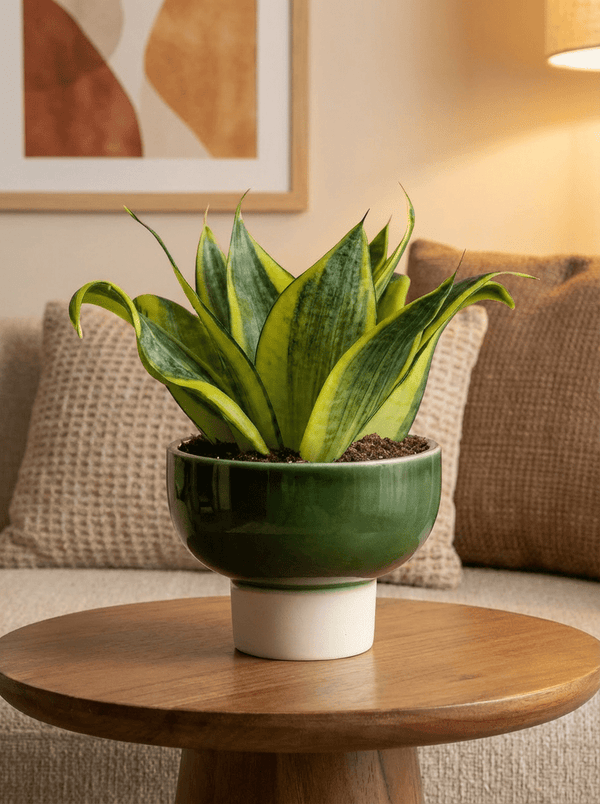
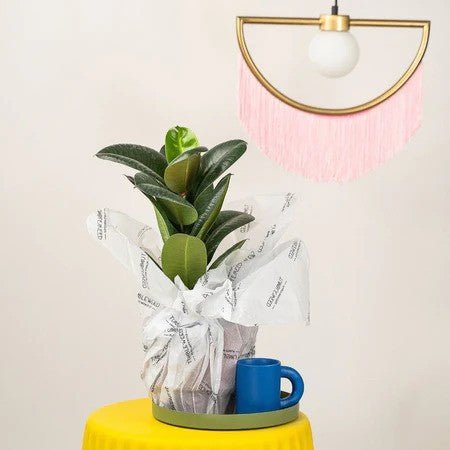
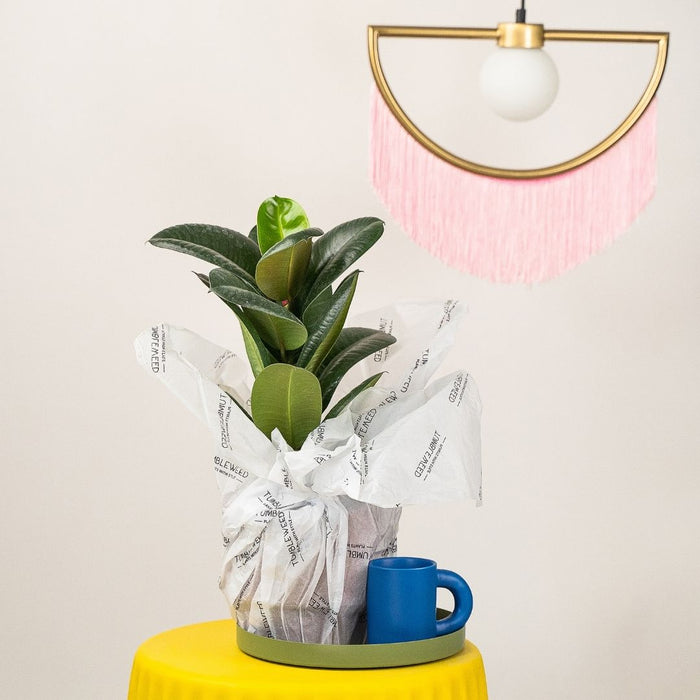
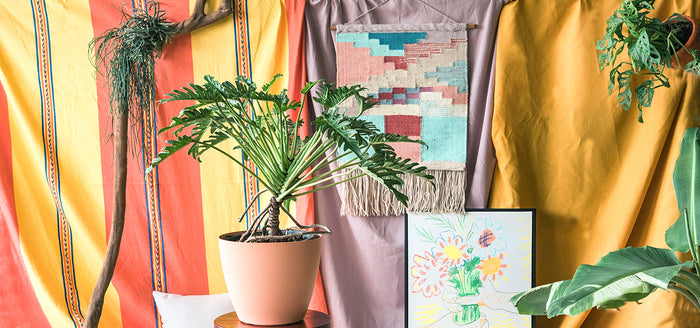
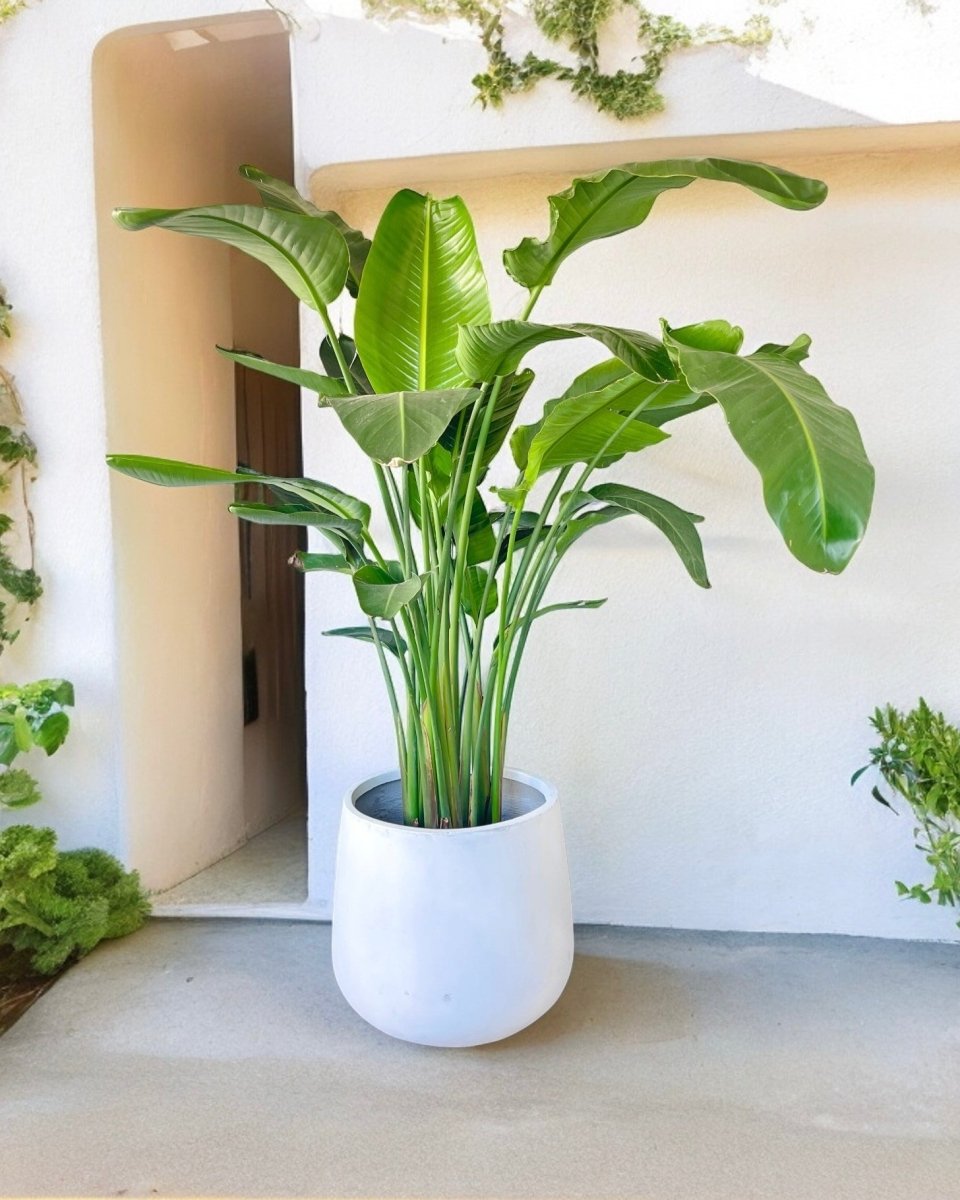
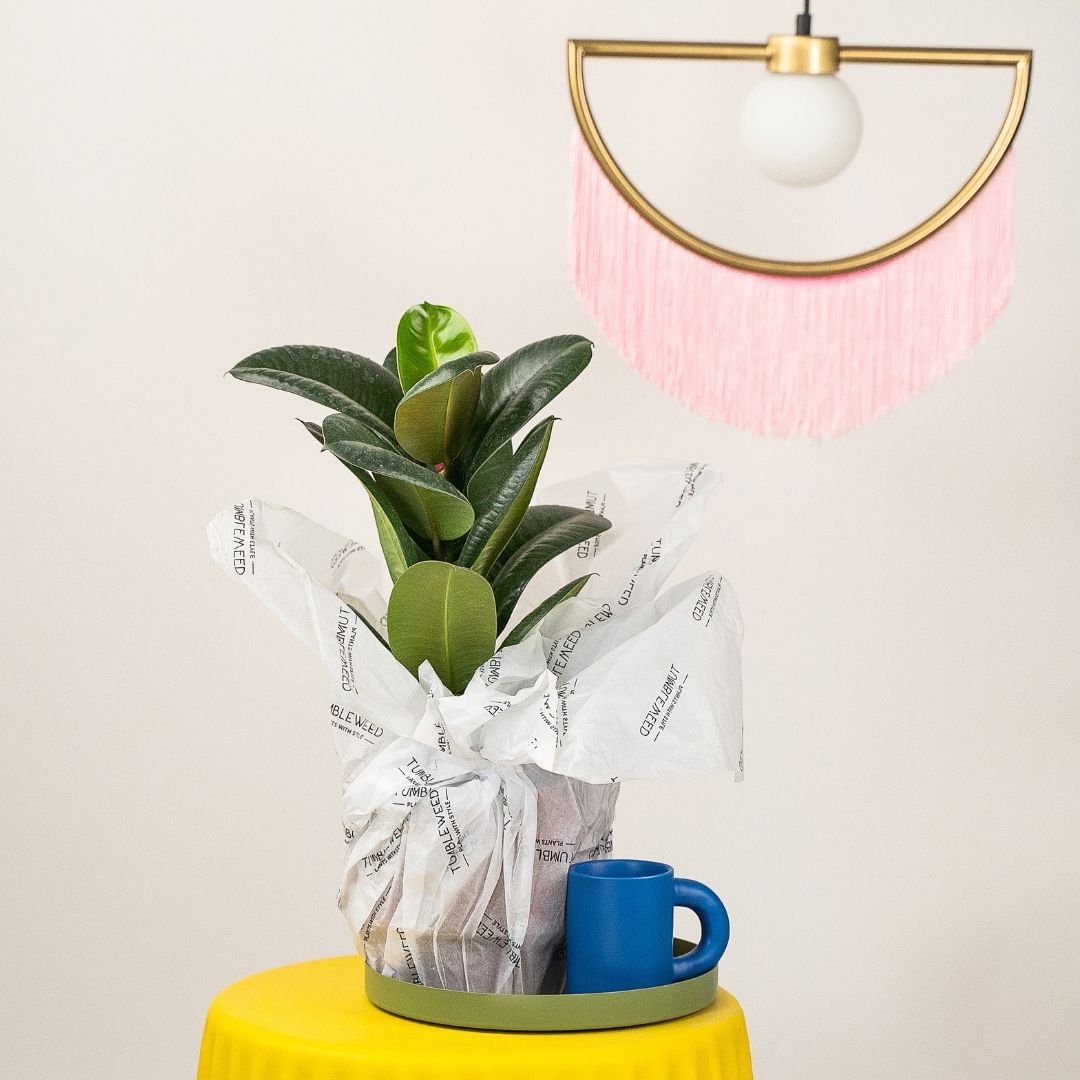
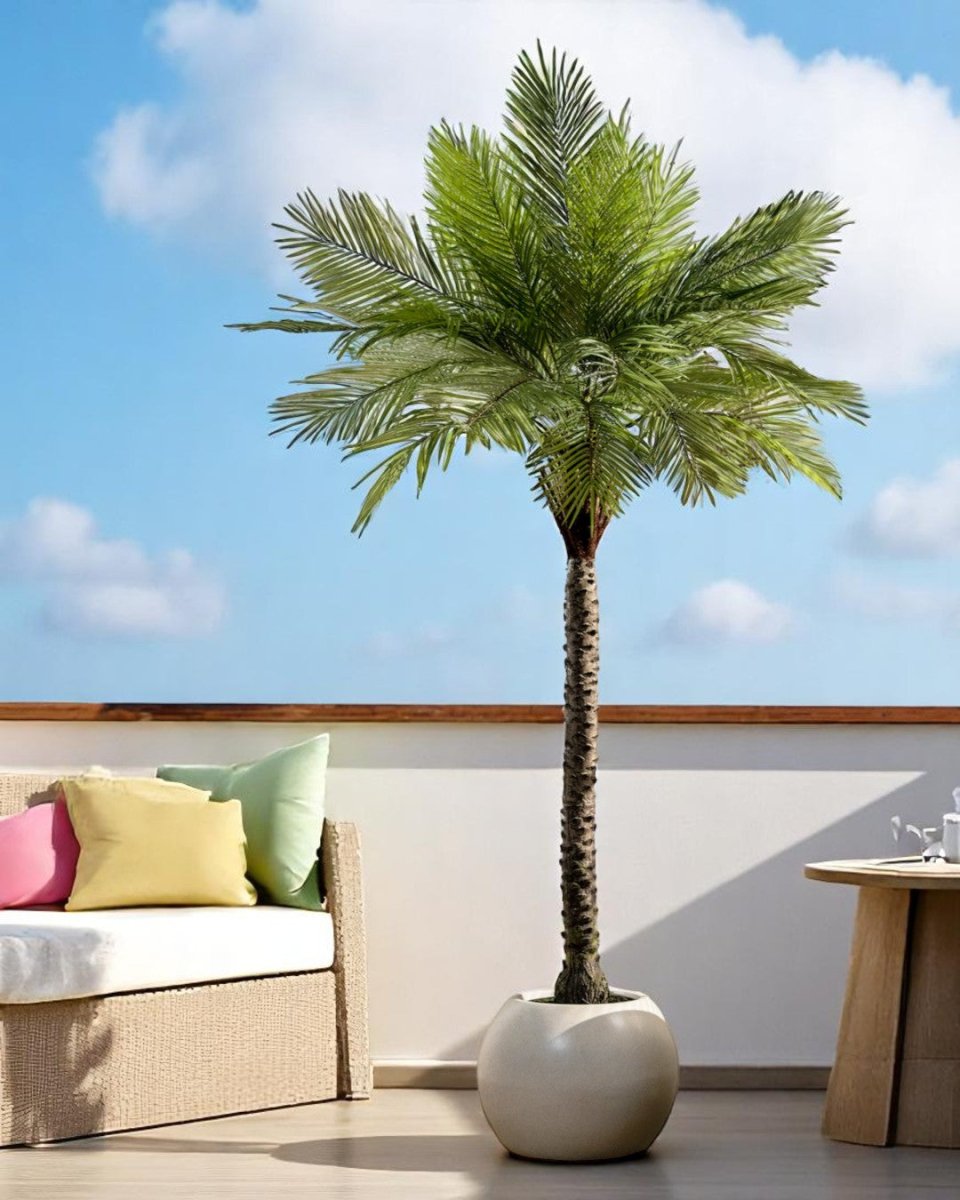
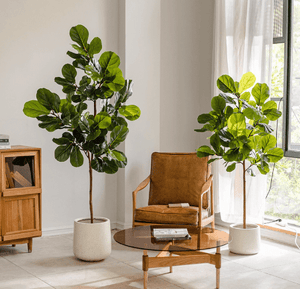
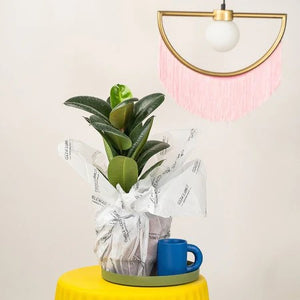
Use a lightweight grow pot for drainage and root health, then slip it into a decorative planter for the look. If planting directly into a planter, choose one with drainage holes and a saucer rather than a sealed vessel.
If you are repotting, move up only slightly in pot size. A pot that is much larger than the root ball holds extra moisture and can make care harder. After repotting, keep the plant in stable bright filtered light while it adjusts.
Shop the plant and care essentials
You can also browse related Tumbleweed collections:
Common problems to watch for
- Yellowing leaves: Often linked to watering stress, poor drainage or a sudden change in light.
- Crispy edges: Usually from harsh sun, dry spells, direct air-con drafts or accumulated salts in the mix.
- Slow growth: Common after moving home. Check light first before adding fertiliser.
- Pests: Inspect leaf undersides and new growth regularly. Isolate new plants if you spot sticky residue, webbing or clusters of insects.
FAQ
What is a grow pot?
A grow pot is usually the practical nursery-style pot with drainage holes. It prioritises root health, water flow and easy repotting.
What is a decorative planter?
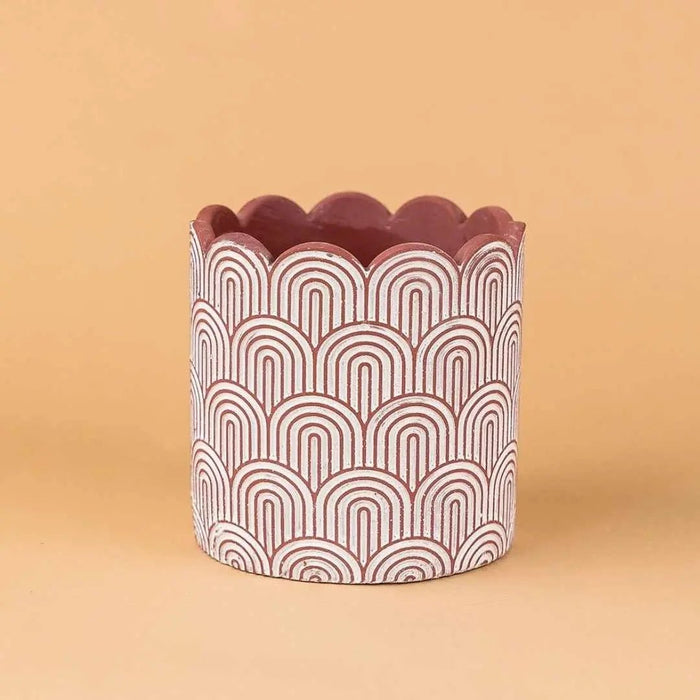
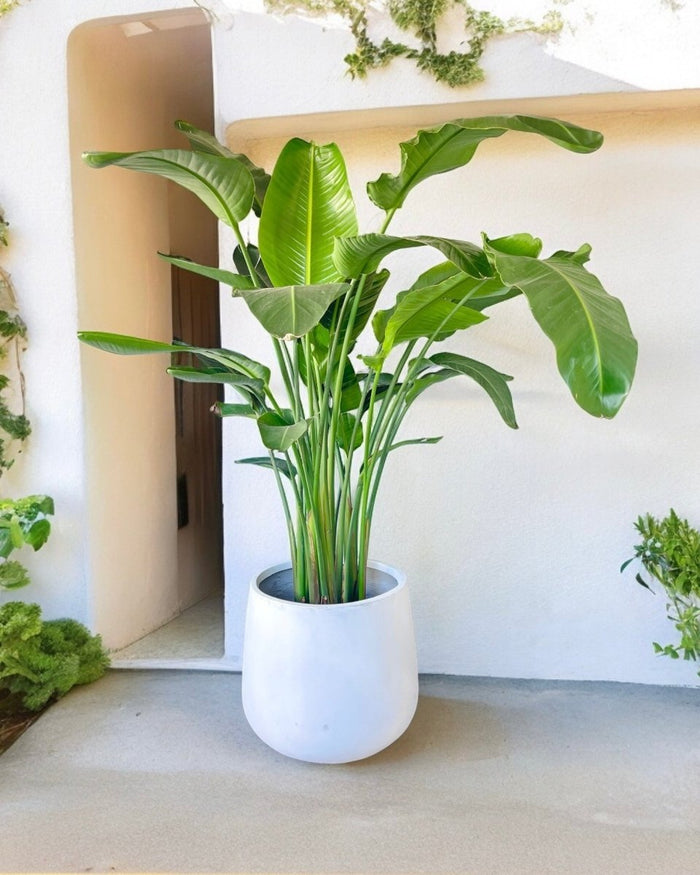
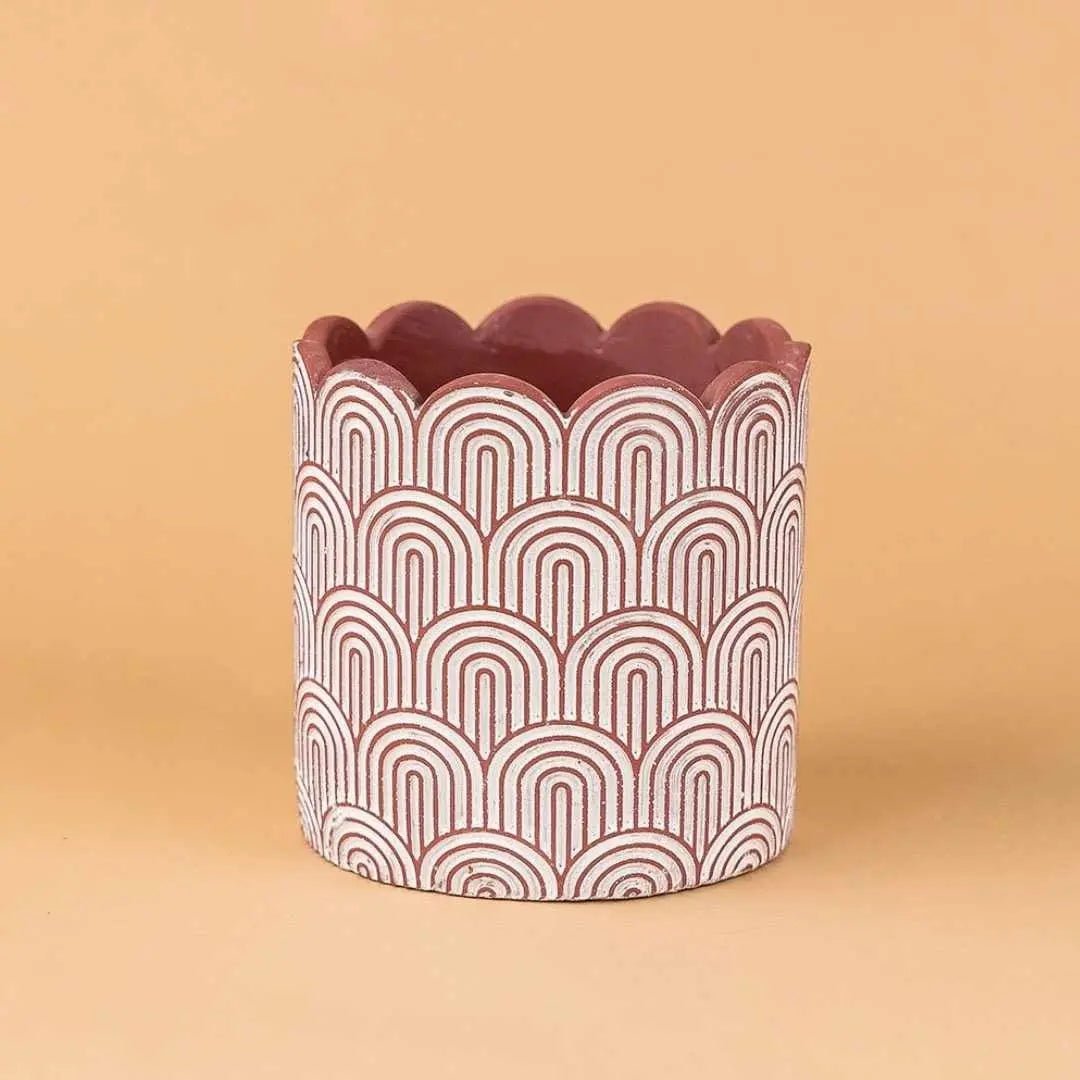
A decorative planter is chosen for appearance and styling. Some have drainage holes; others work best as cover pots with the grow pot sitting inside.
Can I plant directly into a decorative pot?
Yes, if it has drainage. If it has no drainage, keep the plant in its grow pot and remove it for watering.
Why does my cover pot smell musty?
Water may be sitting at the bottom. Empty it after watering and let the grow pot drain fully before placing it back.
Final care takeaway
Grow Pot vs Decorative Planter is easiest when you match the plant to the right light, water only after checking the mix, and keep the pot draining freely. Start with these basics and adjust slowly based on how the newest leaves respond.