















LECA Balls for Plants in Singapore: How to Use Them for Drainage and Semi-Hydro Setups
Posted on July 23 2026
LECA balls are those lightweight clay pebbles you often see in hydroponic plant arrangements, self-watering pots and tidy indoor plant setups. In Singapore homes, they can be especially useful because our humidity, air-conditioned rooms and compact apartments make watering habits less predictable. Used well, LECA can improve airflow around roots, make watering easier to see, and keep a plant setup cleaner than loose soil on a shelf or desk.
But LECA is not magic, and it is not the right answer for every plant. This guide explains when to use LECA balls, when to avoid them, and how to set up a simple semi-hydro routine without overcomplicating plant care.
What are LECA balls?
LECA stands for Lightweight Expanded Clay Aggregate. In plain English, it is clay that has been heated until it becomes porous, hard and pebble-like. The balls do not break down quickly, hold pockets of air, and can wick water from a reservoir. That combination makes LECA useful for two common indoor plant jobs:
- Drainage and aeration: adding structure around roots or beneath nursery pots so water does not sit tightly around the base.
- Semi-hydro growing: replacing soil with rinsed LECA and using a small water reservoir so roots can take moisture as needed.
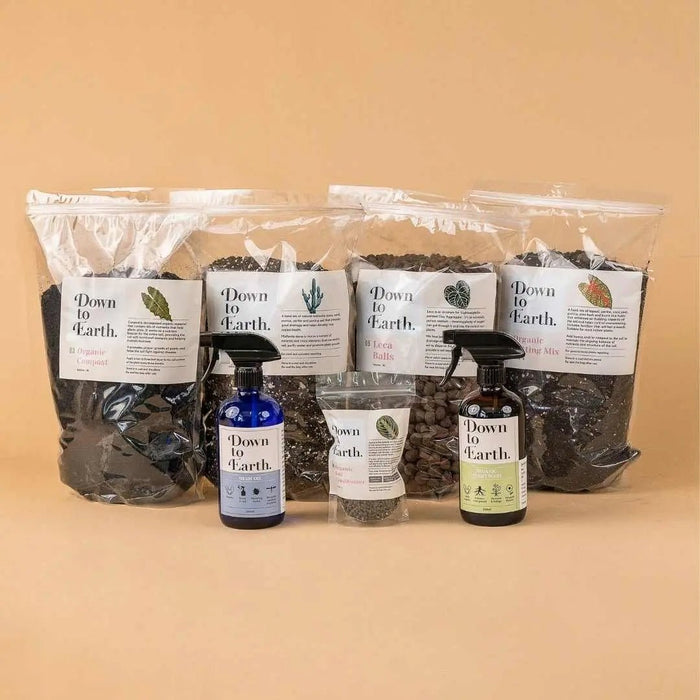
If you are starting from scratch, begin with a clean bag of Down To Earth. 05 Leca Balls and a pot or vessel that lets you monitor water level easily.
LECA vs soil: which is better for Singapore homes?
Soil is still the most forgiving medium for most houseplants. A good potting mix stores nutrients, buffers mistakes and suits beginners who prefer a familiar watering routine. LECA is better for plant owners who want a cleaner, more controlled setup and are comfortable checking water level and nutrients more intentionally.
In Singapore, LECA can be helpful for desks, shelves and bright indoor corners where you want less mess. It also works well for people who tend to overwater compact pots, because the roots sit around airy clay pebbles instead of staying compressed in soggy soil. However, plants in LECA still need light, airflow and occasional feeding. If a corner is too dark for a plant in soil, moving the plant into LECA will not fix the light problem.
Best ways to use LECA balls
1. As a drainage-friendly support layer
LECA can sit under a nursery pot inside a decorative planter to lift the grow pot away from any leftover water. This is useful if you like the look of cover pots but do not want the plant’s roots standing in runoff after watering. For a cleaner setup, pair LECA with a well-fitting planter from the planters collection and remove excess water after each watering.
2. In self-watering or hydro-style arrangements
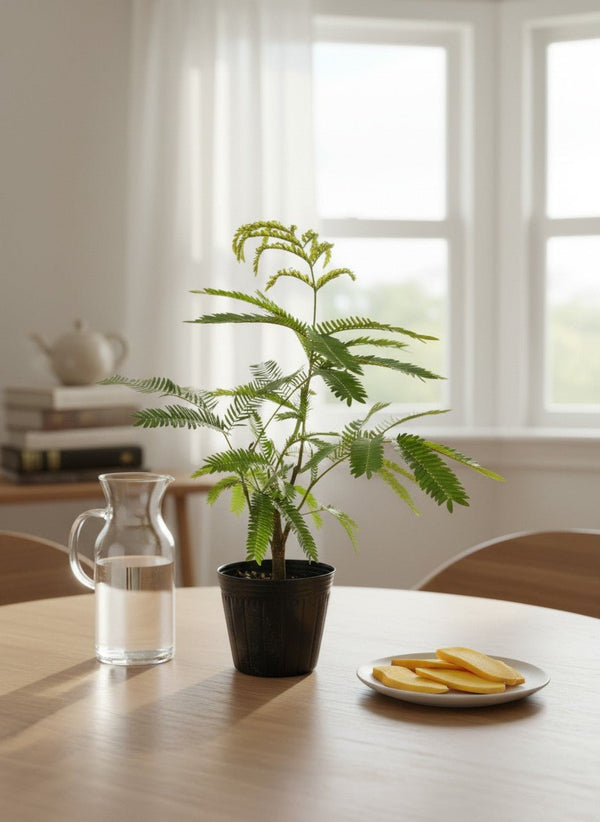
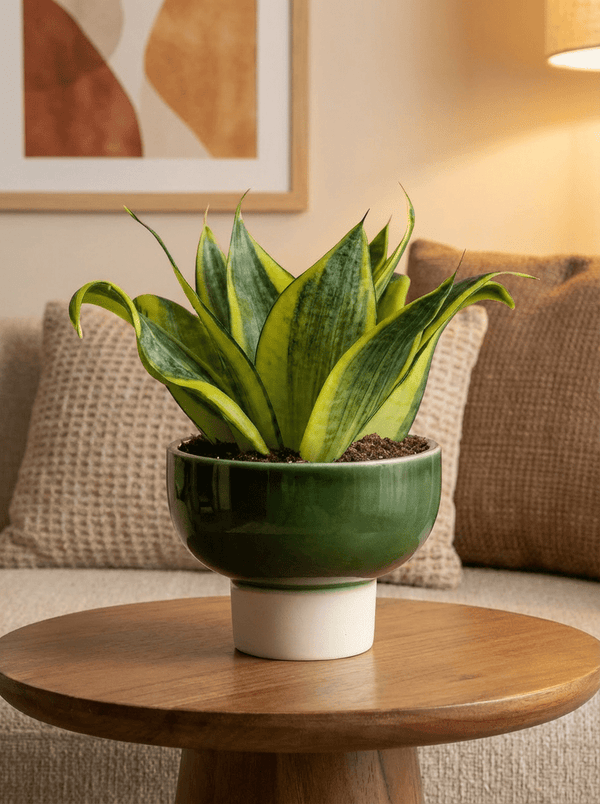
Some ready-made hydro arrangements already use a reservoir-style approach. If you prefer a low-mess setup, products such as Java Palm Hydro - Self Watering or Sansevieria Laurentii Hydro - Self Watering show how tidy hydro-style plant arrangements can work in a home or office. A self-watering vessel such as HydroEase Smart Self-Watering Pot can also make water-level checks easier than guessing from the top of the pot.
3. For propagations after roots have started
LECA can support cuttings once roots are visible and strong enough to sit between the pebbles. For many beginners, it is easier to start cuttings in water first, then move them into rinsed LECA once the roots are a few centimetres long. Keep the reservoir shallow at first so the roots learn to grow towards moisture without being fully submerged.
How to prepare LECA before using it
- Rinse thoroughly. New LECA often contains clay dust. Rinse until the water runs much clearer.
- Soak before potting. A few hours of soaking helps the pebbles wick water more evenly.
- Use a clean container. Clear glass looks nice, but algae grows faster in strong light. Opaque pots or cachepots can be easier to maintain.
- Keep the reservoir shallow. For semi-hydro, start with water below the main root mass rather than flooding the whole pot.
- Flush occasionally. Rinse the setup every few weeks to remove mineral buildup, especially if you add plant nutrients.
Which plants suit LECA?
LECA tends to work best with plants that tolerate consistent moisture around airy roots. Many pothos, philodendrons, sansevierias and palms can adapt when the transition is done patiently. If you are experimenting, start with a hardy plant from the plants collection rather than a rare or newly stressed specimen.
Plants that prefer very dry, gritty conditions can be trickier in semi-hydro unless the setup is carefully managed. Cacti, succulents and caudex plants should not be moved into a permanently wet reservoir just because LECA looks clean. They still need strong light and a dry-down rhythm.
Common LECA mistakes to avoid
- Moving a weak plant too soon: LECA is not a rescue cure for severe root rot. Trim damaged roots and stabilise the plant first.
- Skipping the rinse: clay dust can muddy the water and clog the setup.
- Filling the reservoir too high: roots still need oxygen, even in semi-hydro.
- Forgetting nutrients: LECA does not feed plants like soil. Use a gentle plant food routine only after the plant has settled.
- Putting LECA plants in dark corners: clean roots do not replace good light. Bright indirect light is still important for most indoor plants.
A simple beginner setup
If you want to try LECA without converting your whole collection, choose one hardy plant, one container, and one bag of rinsed LECA. Keep the water reservoir shallow, place the plant in bright indirect light, and observe it for the first two to four weeks. A 3-in-1 Moisture Meter can still be useful for your soil-based plants nearby, while the LECA plant is checked by water level and root health rather than soil moisture.
For most Singapore homes, the best approach is mixed: soil for everyday houseplants, LECA for selected hydro arrangements, and decorative pots that let you water cleanly. Browse plant care collection, planters and all plants when building a setup that matches your space, routine and light conditions.
FAQ
Can I put LECA at the bottom of every pot?
Not automatically. A thin LECA layer can help lift a nursery pot inside a decorative cover pot, but adding pebbles inside a closed pot does not replace drainage holes or careful watering.
Do LECA balls stop root rot?
No. LECA can improve airflow and reduce soggy soil issues, but root rot is usually caused by a mix of excess water, low oxygen, poor light and stressed roots. Keep the reservoir low and make sure the plant is receiving enough light.
Do I need fertiliser with LECA?
Eventually, yes. LECA is not a nutrient-rich medium. Wait until the plant has adjusted, then use a gentle, diluted feeding routine rather than overfeeding immediately after transfer.
Is LECA good for beginners?
It can be, if you start small. Try one hardy plant or a ready-made hydro-style arrangement first, then expand once you understand how water level, light and root growth behave in your home.