
















Moss Pole Guide for Singapore Homes: How to Support Monsteras, Philodendrons and Climbing Plants
Posted on July 31 2026
A moss pole is one of the simplest ways to make climbing indoor plants look fuller, neater and more natural. Instead of letting every vine trail across a shelf, a support gives plants like Monsteras, Philodendrons and Epipremnums something to grow against — especially useful in Singapore apartments where floor space is limited.
This guide explains when a moss pole helps, how to install one without shocking the plant, and how to maintain it in Singapore’s humid indoor conditions.
Quick care summary
- Best for: Climbing aroids such as Monstera, Philodendron, Pothos and Syngonium.
- Main benefit: Encourages upright growth, tidier stems and, over time, potentially larger leaves.
- Best time to add one: During repotting, or when the plant is still flexible enough to train gently.
- Support style: A straight pole is clean and simple; a bendable moss pole lets you shape growth around a shelf, wall or compact corner.
- Singapore tip: Keep the potting mix airy so extra pole moisture does not keep the root zone soggy.
Which plants benefit from a moss pole?
Moss poles are most useful for plants that naturally climb in search of light. In home settings, that usually includes Monsteras, Philodendrons, Pothos, Syngoniums and other vining foliage plants. These plants often produce aerial roots along their stems; a textured support gives those roots something to grip.
Plants that grow as compact rosettes, palms or most succulents do not need a moss pole. For those, the right pot, light and watering routine matter more than vertical support.
Why use a moss pole in a small apartment?
Trailing plants can look lush, but they also take up shelf space and may tangle quickly. A vertical support helps guide growth upward, creating a stronger plant silhouette without needing a larger footprint. This is especially helpful for narrow balconies, study corners and living rooms where plants share space with furniture.
A bendable support can also soften a room: curve it gently so the plant frames a shelf, grows beside a cabinet, or fills an awkward bright corner.
How to install a moss pole without damaging roots
- Water lightly the day before. A slightly hydrated plant is less brittle than one that is very dry.
- Choose the pole height. Pick a support tall enough for current growth plus some room to climb.
- Insert near the back of the pot. Push slowly and avoid forcing the pole directly through the densest root area.
- Tie stems gently. Use soft plant ties, twine or clips. Secure the main stem, not the leaf petioles.
- Adjust gradually. If stems are stiff, train them over a few weeks instead of bending everything into place at once.
If the plant is already root-bound, the cleanest time to add a pole is during repotting with fresh potting mix and a stable planter from the planters collection.
Should you keep the moss pole moist?
Some plant parents mist or moisten moss poles to encourage aerial roots to attach. In Singapore, this can work, but moderation matters. Indoor humidity is already high, and repeatedly soaking the pole can keep the potting mix wetter than expected.
If you moisten the pole, avoid soaking the entire pot. Check the soil separately with your finger or a moisture meter before watering the roots. The pole and the potting mix do not always dry at the same speed.
Potting mix and drainage matter more with supports
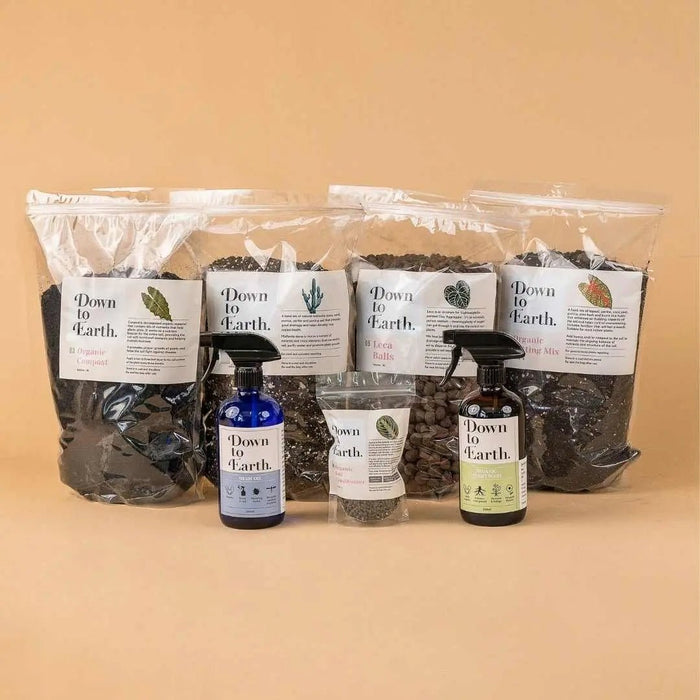
A climbing plant on a pole often becomes top-heavy, so the base needs to be stable. Use a pot with drainage and an airy indoor mix such as Down To Earth. 01 Organic Potting Mix. Avoid dense soil that stays wet for days, especially if the plant sits inside a decorative cover pot.
After installing a pole, keep the plant in bright indirect light so it has enough energy to push new growth along the support. For a broader browse, see Tumbleweed’s indoor plants and plant care essentials.
Common problems in Singapore
The pole leans after a few weeks
The pot may be too light or too small for the plant’s height. Re-centre the pole, firm the mix gently, and consider a heavier planter if the plant is becoming top-heavy.
Stems will not attach
New growth attaches more readily than old woody stems. Keep ties in place and guide fresh growth toward the pole rather than forcing older vines.
Leaves are getting smaller
A support helps structure, but it does not replace light. Move the plant closer to bright indirect light if new leaves are shrinking or internodes are stretching.
The soil stays wet after installing the pole
Reduce how often you moisten the pole, improve airflow, and check whether the pot has drainage. In humid rooms, roots may need less water than expected.
FAQ
Do all Monsteras need a moss pole?
No, but climbing Monsteras usually look neater with support. A pole is especially helpful when stems start leaning, trailing heavily or producing aerial roots.
Can I add a moss pole without repotting?
Yes, if there is enough room in the pot. Insert it slowly near the back of the pot and avoid forcing it through thick roots. If the plant is root-bound, repotting is safer.
How tight should I tie the plant?
Loose and supportive is best. Ties should guide the stem without cutting into it as the plant grows.
Is a moss pole better than a trellis?
It depends on the look you want. Moss poles suit upright, natural-looking aroid growth; trellises work well for spreading vines and decorative shapes.
Will a moss pole make leaves bigger?
It can help climbing plants mature, but larger leaves also depend on light, watering, nutrition and overall plant health.