
















Organic Potting Mix for Indoor Plants in Singapore: A Drainage-First Soil Guide
Posted on August 24 2026
In Singapore, indoor plants rarely struggle because our homes are too dry. More often, the challenge is the opposite: warm humidity, air-conditioned rooms, shaded corners and decorative cachepots can keep soil damp for longer than expected. That is why a good potting mix matters. The right mix should hold enough moisture for roots to drink, but still let extra water move away before it turns stagnant.
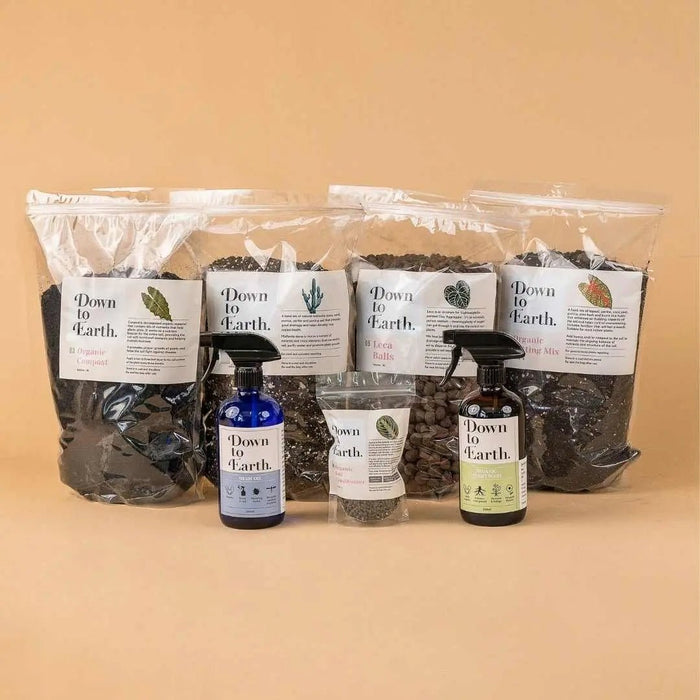
This guide explains what to look for in an indoor plant soil mix, how to use it in Singapore homes, and when to refresh old soil. If you are repotting a plant from Tumbleweed or setting up a new green corner, start with a reliable base such as Down To Earth. 01 Organic Potting Mix, then match your watering routine to the plant and pot.
Why indoor plants need a drainage-first mix in Singapore
Singapore’s climate changes how potting mix behaves. Even when a plant sits indoors, the air is generally humid, many rooms have filtered light, and larger ceramic pots can slow evaporation. A mix that stays wet for too long may leave roots short of oxygen. Over time, this can show up as yellowing leaves, soft stems, fungus gnats, or a plant that looks thirsty even though the soil is still damp.
A drainage-first potting mix gives the roots two things at once: moisture and air. It should feel light enough to break apart with your fingers, not dense like garden soil. When watered thoroughly, excess water should leave through the drainage hole instead of pooling at the bottom of the pot.
What makes a good indoor potting mix?
A strong everyday mix for indoor plants usually includes a few functions:
- Organic matter to hold gentle moisture and support root growth.
- Air pockets so fine roots can breathe between waterings.
- Drainage structure so the mix does not compact into a heavy block.
- Clean texture that suits indoor repotting without bringing in outdoor garden soil.
For many common houseplants — such as pothos, philodendrons, aglaonemas, peace lilies, snake plants and smaller foliage plants — an all-purpose organic potting mix is a practical starting point. Browse Tumbleweed’s indoor plants if you are choosing a plant and potting setup together.
When to repot with fresh potting mix
You do not need to disturb every plant often, but fresh mix helps when the old medium has broken down. Consider repotting if:
- Water sits on the surface for a long time before sinking in.
- The soil smells sour or stays wet for many days after watering.
- Roots circle tightly around the nursery pot or grow out of the drainage holes.
- The plant dries out extremely quickly because the pot is full of roots.
- The plant has been in the same compacted mix for a long period and growth has slowed.
When repotting, move up gradually. A pot that is much larger than the root ball holds more unused wet soil, which can be risky in a humid home. Choose a pot with drainage where possible, or keep the plant in a nursery pot inside a decorative outer pot so you can remove it for watering.
How to use organic potting mix at home
- Water the plant lightly a day before repotting if the root ball is very dry. This helps reduce stress and makes the plant easier to handle.
- Loosen old compacted soil gently from the edges. You do not need to remove every grain; protect healthy roots.
- Add fresh potting mix at the base so the plant sits at roughly the same height as before.
- Fill around the sides and press lightly. Avoid packing the mix too firmly, as roots need air spaces.
- Water thoroughly once until water drains out, then let the plant settle before returning to a normal watering rhythm.
Keep a small tray, scoop or mat nearby if you repot on an HDB balcony, kitchen counter or apartment floor. For soil, fertilisers and care tools, visit the Plant Care & Accessories collection.
Watering after repotting
Fresh potting mix can hold water differently from the old soil, so avoid watering on autopilot. Check the top few centimetres with your finger or a moisture meter, especially during the first two weeks. Plants in brighter windows may dry faster, while plants in shaded corners or air-conditioned rooms may need longer between drinks.
As a simple rule, water thoroughly when the plant is ready, then let excess drain away. Small daily splashes can keep the surface damp while leaving deeper roots unevenly watered. A full soak followed by a proper dry-down is usually healthier for most indoor foliage plants.
FAQ: indoor potting mix in Singapore
Can I use outdoor garden soil for houseplants?
It is better not to. Outdoor soil can be too dense for pots, may compact quickly indoors, and can carry pests or debris. Use a potting mix made for container plants instead.
Do all indoor plants need the same mix?
No. Many foliage plants do well in an all-purpose organic potting mix, but cacti, succulents, orchids and some aroids may prefer extra drainage or a chunkier blend. Use the plant’s natural growth habit as your guide.
Should I add fertiliser straight after repotting?
Give the plant time to settle first, especially if roots were disturbed. Once new growth resumes, you can feed gently according to the product instructions and the plant’s season of growth.
How often should I replace potting mix?
For many indoor plants, refreshing the mix every 12 to 24 months is enough. Fast growers or plants in very small pots may need attention sooner, while slow growers can often wait longer if the mix still drains well.
A good potting mix is not just “soil” — it is the foundation that helps roots breathe, drink and recover. For Singapore homes, choose a mix that drains cleanly, use the right pot size, and adjust watering to your light and airflow. That combination keeps indoor plants easier to care for over the long term.