

















Peperomia Care Guide: 1,000 Species, One Simple Care Routine
Posted on April 16 2026
In this article

- What Are Peperomias?
- Why the Whole Genus Is Worth Knowing
- Light Requirements in Singapore
- Watering in Singapore's Tropical Climate
- Soil
- Pot Size
- Temperature and Humidity in Singapore
- Fertilizing
- Flowers
- Propagating Peperomias
- Common Peperomia Problems
- The Case for Collecting Peperomias
- Singapore Growing Calendar
Thumbnail spec: 1200×628px — colourful spread of watermelon, ripple, and rubber peperomias on a bright indoor shelf, Singapore home setting.
---
---
Peperomias are the collectors' secret weapon. With over 1,000 species spanning almost every leaf texture, color, and growth habit imaginable — and all of them sharing the same forgiving care requirements — they're the ideal plants for anyone who wants diversity without drama.
In Singapore's warm, humid tropical climate, peperomias are particularly well-suited. These understory plants evolved in conditions that closely match what we have here year-round: consistent warmth, filtered light, and ambient humidity. If you've wanted more variety in your collection but don't have the time or the right environment for demanding plants, peperomias are your answer.
---
What Are Peperomias?
Peperomias (Peperomia spp.) are a genus of tropical and subtropical plants in the family Piperaceae — relatives of black pepper. They're native primarily to Central and South America, where they grow as understory plants on the forest floor or as epiphytes on tree bark and rocks.
This explains their core adaptations: they evolved in filtered light, with irregular moisture availability, and developed thick or fleshy leaves to store water during dry periods. These traits translate directly to easy indoor care — and pair beautifully with Singapore's climate.
---
Why the Whole Genus Is Worth Knowing

The diversity within peperomias is extraordinary:
- Watermelon peperomia (P. argyreia): Rounded leaves with green-and-silver striping that genuinely resembles a watermelon rind
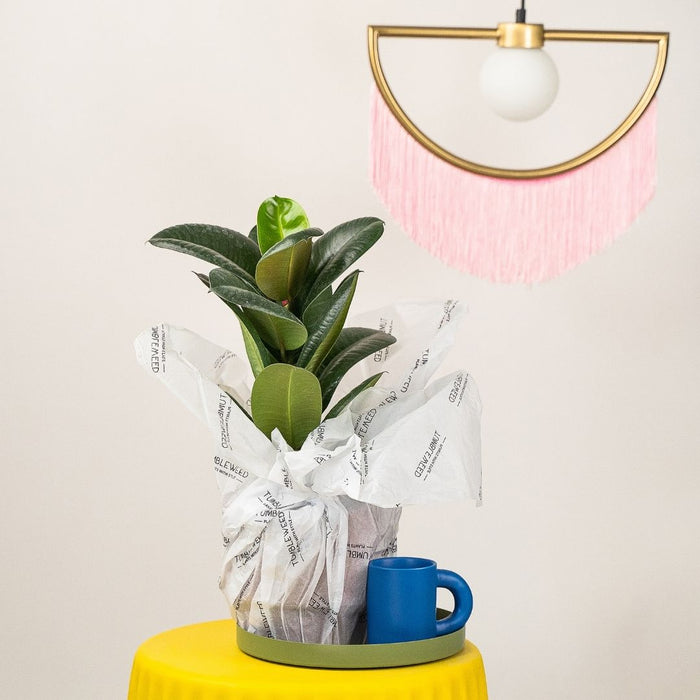
- Rubber peperomia (P. obtusifolia): Thick, glossy, dark green leaves on upright stems — looks like a mini rubber plant
- Ripple peperomia (P. caperata): Deeply corrugated, textured leaves in deep green or reddish-bronze
- String of turtles (P. prostrata): Tiny round leaves with intricate white venation on thin trailing stems
- Raindrop peperomia (P. polybotrya): Large, glossy, teardrop-shaped leaves with a polished surface
- Watermelon peperomia 'Rosso' (P. caperata 'Rosso'): Deep green corrugated leaves with bright red undersides
- Trailing jade (P. rotundifolia): Small round leaves on trailing stems; excellent in hanging baskets
- Peperomia hope (P. tetraphylla): Four small round leaves arranged in whorls along trailing stems; succulent-like
All of these — and hundreds more — share essentially the same care requirements. Learn it once, grow them all.
---
Light Requirements in Singapore
Ideal: Medium to bright indirect light
Minimum: Low indirect light (growth slows significantly)
Avoid: Direct harsh sunlight (scorches leaves, especially variegated types)
In Singapore's year-round bright conditions, peperomias thrive on north or east-facing windowsills that receive gentle morning light. A spot set back from a west-facing window (away from the harsh afternoon sun) works beautifully. Avoid placing directly in the path of strong midday sun — Singapore's equatorial light is intense and will scorch the delicate leaves.
Variegated varieties (like P. obtusifolia 'Variegata' with cream-and-green leaves) need more light to maintain their coloration — in low light, they revert toward more green.
---
Watering in Singapore's Tropical Climate

Frequency: Every 7–10 days during Singapore's hotter months; every 10–14 days during the wetter monsoon months (November–January)
This is where peperomias earn their easy-care reputation. They store water in their thick, semi-succulent leaves and tolerate underwatering gracefully. The leaves will look slightly less plump and may curl slightly when thirsty — a gentle signal that happens well before any damage occurs.
Singapore-specific note: Our high ambient humidity (70–85%) means the soil stays slightly moist longer than in temperate climates. Factor this in and err toward underwatering — overwatering is a bigger risk here than in drier countries.
The main failure mode: overwatering. Peperomia roots are fine and susceptible to rot in consistently wet soil. Always let the top 1–2 inches dry before watering.
How to water: Thoroughly, until water drains from the bottom. Then wait. Don't water again until the top half of the soil has dried out.
Plump, firm leaves indicate a well-hydrated peperomia — slightly soft leaves are the plant's way of asking for water.
---
Soil
Peperomias need well-draining, light soil. They're naturally adapted to growing in organic debris on forest floors or on bark — environments that are airy and quick-draining.
A good peperomia mix:
- 50% quality potting mix
- 40% perlite
- 10% orchid bark (optional, for extra aeration)
In Singapore's humid climate, the extra perlite is especially important — it helps the mix dry out between waterings even when ambient humidity is high. Avoid heavy, moisture-retaining mixes.
---
Pot Size

Peperomias prefer to be slightly root-bound. They have small, relatively shallow root systems and do not need large pots. In fact, oversized pots are a common cause of root rot — the excess soil stays wet long after the plant has used the available moisture.
Use a pot that's only slightly larger than the root ball. Repot every 2–3 years when roots begin circling the drainage holes. In Singapore's year-round growing conditions, you may find peperomias need repotting slightly sooner than in temperate climates.
---
Temperature and Humidity in Singapore
Singapore's climate is near-ideal for peperomias. Our year-round temperatures of 25–33°C sit right in the sweet spot for these tropical plants — no need to worry about cold damage, heating vents, or seasonal adjustment.
Average Singapore humidity (70–85% outdoors, 50–65% indoors with air conditioning) is comfortable for most peperomias. They don't require a humidifier or pebble tray in our climate. If your home is heavily air-conditioned and feels dry, placing peperomias away from direct aircon airflow prevents tip browning.
---
Fertilizing
Frequency: Once a month, year-round (Singapore has no true dormant season)
Type: Balanced liquid fertilizer at quarter to half strength
Peperomias are light feeders. Because Singapore's warmth keeps them in active or semi-active growth year-round, monthly light feeding through all twelve months is appropriate — unlike in temperate climates where you'd stop in winter.
---
Flowers
Peperomias do flower — but the blooms are not showy. They produce long, thin, spike-like inflorescences (called rat-tail flowers) that are greenish-white or cream. Most plant owners either find them charming or unremarkable. They won't win any beauty contests compared to the foliage, but they're harmless and can be left on the plant or trimmed off.
---
Propagating Peperomias
Peperomias are excellent propagation plants — most varieties root from both stem cuttings and single leaf cuttings. In Singapore's warm climate, rooting happens faster than in temperate countries — expect results in 2–4 weeks rather than 4–8.
Stem cuttings (fastest method):
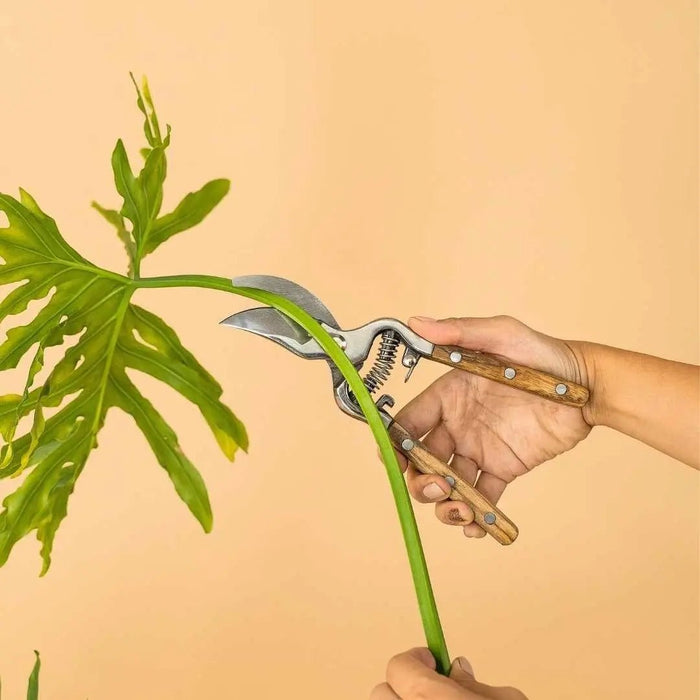
- Cut a stem with 2–3 leaves just below a node
- Let the cut end callous for 1–2 hours
- Place in moist potting mix or water
- Roots form in 2–4 weeks in Singapore's warmth
Leaf cuttings (works for most varieties):
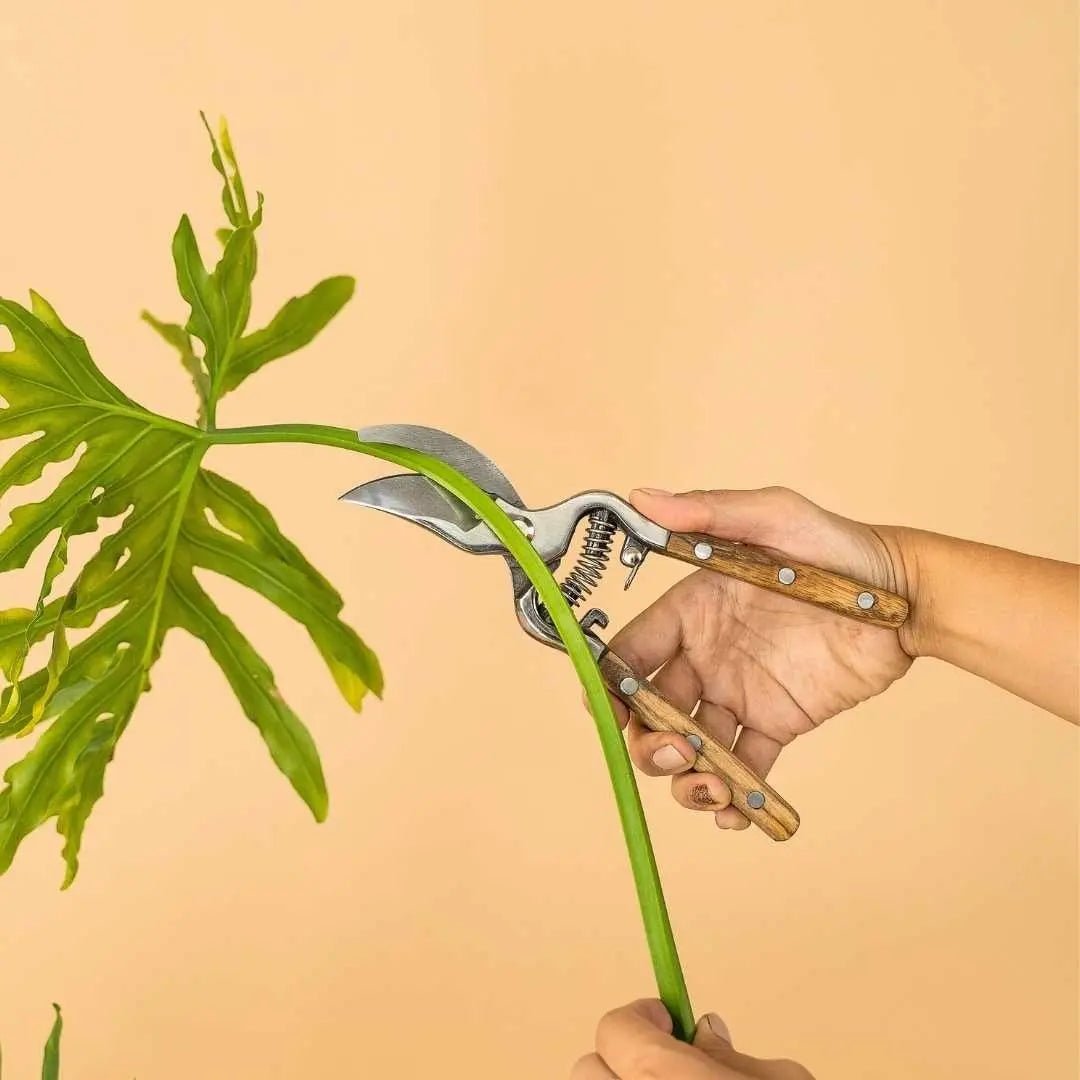
- Remove a healthy leaf with its stem (petiole) intact
- Let callous for 1–2 hours
- Insert the petiole into moist potting mix at an angle
- Roots and a tiny new plant emerge in 3–6 weeks
---
Common Peperomia Problems
Yellowing leaves: Almost always overwatering — especially likely in Singapore's humidity. Reduce frequency; check drainage.
Wilting despite moist soil: Root rot from overwatering. Unpot and inspect roots — trim any brown, mushy roots and repot in fresh dry mix.
Leaf drop (especially lower leaves): Can indicate overwatering, cold temperatures from over-air-conditioning, or a sudden environmental change. Check soil moisture and ensure the plant isn't in a direct aircon draught.
Brown spots on leaves: Usually sunburn (from direct Singapore afternoon sun) or cold water shock. Move away from direct sun; use room-temperature water.
Mushy stem base: Root rot — unpot immediately, trim damaged tissue, repot.
---
The Case for Collecting Peperomias
Here's why plant collectors love them: you can have 20 completely different-looking peperomias and care for all of them identically. No special humidity for some and drought conditions for others. No plant-by-plant watering schedules. The same light, the same watering approach, the same soil mix — and 20 radically different leaf forms, textures, and colors.
In Singapore's HDB apartments and condos where space is at a premium, peperomias are perfect: they stay compact, don't demand sprawling floor space, and pack visual interest into a small footprint. A shelf of 8–10 different peperomias is one of the most satisfying plant displays you can build here.
---
Singapore Growing Calendar
Unlike temperate climates, Singapore's peperomias grow and need attention year-round:
| Period | Care Notes |
|--------|------------|
| Feb–Apr (dry season) | Slightly increase watering frequency; monitor for dehydration |
| May–Sep (inter-monsoon) | Standard care; watch for pests in warm months |
| Oct–Jan (NE monsoon) | Reduce watering slightly; soil stays wetter longer |
---
Quick summary
Key Takeaways
- What Are Peperomias?
- Why the Whole Genus Is Worth Knowing
- Light Requirements in Singapore
- Watering in Singapore's Tropical Climate
- Soil
- Pot Size
Ready to bring some green into your home?
Browse 250+ hand-picked plants, curated for Singapore homes — delivered to your door.
Browse All Plants →