














Peperomia Care Guide for Singapore
Posted on April 09 2026
In this article

Peperomia is the genus that proves you do not need a large plant to make a big impression. With over 1,500 species, Peperomia offers an astonishing range of leaf shapes, textures, colours, and patterns — all in compact, shelf-friendly packages. There are Peperomias with watermelon-striped leaves, raindrop-shaped leaves, deeply ridged leaves, trailing coin-shaped leaves, and even semi-succulent varieties that store water in their thick stems.
In Singapore, Peperomia thrives as a low-maintenance desktop or shelf plant. Most varieties stay small, tolerate moderate light, and forgive occasional watering lapses. For the plant lover with limited space or the collector who appreciates subtle beauty over dramatic scale, Peperomia is an entire world to explore.
Popular Varieties
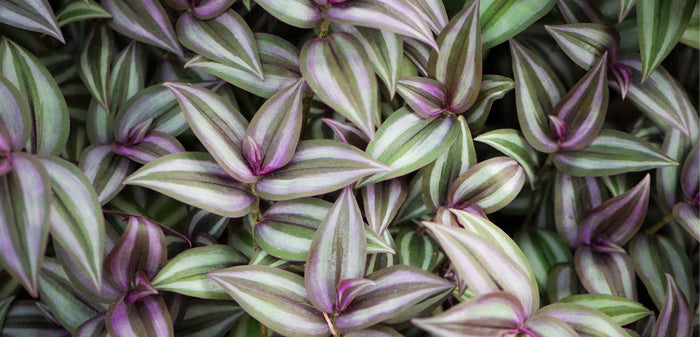
Peperomia argyreia (Watermelon Peperomia)
The most popular variety. Round, shield-shaped leaves with striking silver and green stripes that resemble watermelon rind. Red petioles (leaf stalks) add additional colour. Compact growth to 20-30cm.
Peperomia obtusifolia (Baby Rubber Plant)
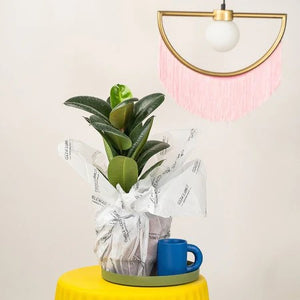
Thick, glossy, spoon-shaped leaves on upright stems. Available in solid green, variegated (cream and green), and 'Marble' forms. One of the sturdiest and most forgiving Peperomias.
Peperomia caperata (Ripple Peperomia)
Deeply corrugated, heart-shaped leaves with a quilted texture. Varieties include 'Rosso' (dark red undersides), 'Emerald' (deep green), and 'Burgundy Ripple' (dark purple-red). Produces distinctive rat-tail flower spikes.
Peperomia polybotrya (Raindrop Peperomia)
Large, glossy, teardrop-shaped leaves on upright stems. The leaves resemble large raindrops — or, some say, tiny Pilea peperomioides leaves. Compact and visually striking.
Peperomia prostrata (String of Turtles)
Trailing variety with tiny round leaves patterned like turtle shells. A collector favourite for hanging displays and terrariums. Slow-growing and delicate — slightly more demanding than other Peperomias.
Peperomia rotundifolia (Hope Peperomia)
Trailing stems with small, round, coin-shaped leaves. Creates a delicate cascading display from shelves and hanging pots. Thicker leaves than String of Turtles, making it easier to care for.
Peperomia graveolens (Ruby Glow)
Semi-succulent with thick, canoe-shaped leaves — green on top, ruby red underneath. Compact and unusual. Handles drought well due to its succulent nature.
Light

Peperomias are understorey plants in the wild, growing on the forest floor or on trees in filtered light.
Bright indirect light — Optimal. Best colour, most compact growth, strongest variegation patterns.
Medium light — Excellent. This is where most Peperomias end up in homes, and they perform well. Two to four metres from a window.
Low light — Tolerated by green varieties (obtusifolia, rotundifolia). Growth slows and variegation fades. Avoid for highly patterned varieties like Watermelon Peperomia.
Direct sunlight — Avoid. Peperomia leaves are thin and burn easily. Even brief direct sun can cause bleached or scorched patches.
Watering
Peperomias have semi-succulent characteristics — their thick leaves and stems store water, making them more drought-tolerant than they appear.
Schedule in Singapore:
- Allow the top half of the soil to dry between waterings
- Every seven to ten days in bright conditions
- Every ten to fourteen days in lower light or AC rooms
Technique:
- Water at the soil level, avoiding the leaves (wet leaves promote rot)
- Water thoroughly but ensure excellent drainage
- Never let the pot sit in water
Critical rule: Peperomias handle drought far better than overwatering. Their thick stems are prone to rot in soggy conditions. When in doubt, wait.
Overwatering signs:
- Mushy, translucent stems (the most obvious sign)
- Yellowing leaves
- Leaf drop
- Black spots on stems
Underwatering signs:
- Slightly wilted or droopy appearance
- Leaves feel less thick and turgid than normal
- Slower growth
Soil

Peperomias need very well-draining soil. A mix similar to succulent soil works well:
- 50% potting soil
- 30% perlite
- 20% orchid bark
The soil should dry relatively quickly between waterings. Heavy, moisture-retentive soil leads to stem rot — the number one killer of Peperomia.
Humidity
Most Peperomias tolerate moderate humidity (40-60%) — typical of Singapore's AC interiors. They are less humidity-demanding than many tropical plants.
Exceptions:
- String of Turtles benefits from higher humidity (terrarium conditions or a pebble tray)
- Caperata varieties appreciate moderate to high humidity for their best leaf texture
In general, if your home supports Pothos and Aglaonema, it will support Peperomia.
Fertilising

Light feeders:
- Balanced liquid fertiliser at quarter to half strength every three to four weeks during active growth
- Reduce or stop during slower periods
- Over-fertilising causes salt damage and can burn the delicate roots
Propagation
Peperomias propagate easily — one of their best features.
Leaf Cutting (Most Varieties)
- Cut a healthy leaf with its petiole (the stalk connecting leaf to stem)
- Insert the petiole 1-2cm into moist propagation mix (50/50 perlite and peat)
- Keep moist and in bright indirect light
- A tiny plantlet emerges at the base in three to six weeks
- Pot up when the plantlet has two to three leaves of its own
Watermelon Peperomia variation: Cut a leaf in half horizontally. Insert the cut edge into moist soil. Plantlets form along the cut edge.
Stem Cutting
- Cut a stem section with two to three leaves
- Remove the lowest leaf
- Place in water or moist soil with the node buried
- Roots develop in two to four weeks
- Transfer to soil when roots reach 3-5cm
Division
Mature, multi-stemmed Peperomias can be divided during repotting:
- Gently separate stem clusters with their own root systems
- Pot each division in fresh, well-draining soil
- Keep moist for the first week as roots establish
Common Problems
Stem Rot
The most serious Peperomia issue. Stems become mushy, translucent, and black at the base.
Cause: Overwatering or poorly draining soil.
Fix: Cut away all rotted stem material. Let healthy cuttings dry for an hour. Re-root in fresh, dry, well-draining soil. Reduce watering frequency dramatically.
Leaf Drop
- Overwatering if leaves are soft and yellow before dropping
- Cold drafts or sudden temperature changes
- Physical damage from handling or transport
Curling Leaves
- Underwatering — the most common cause. Water thoroughly.
- Pest activity — check for mealybugs or spider mites.
- Too much light — move away from direct sun.
Leggy Growth
Insufficient light. The stems elongate and leaves become smaller as the plant reaches for light. Move to a brighter spot. Trim leggy stems and propagate the cuttings.
Pests
- Mealybugs — the most common Peperomia pest. Check leaf axils and stem joints. Treat with isopropyl alcohol.
- Fungus gnats — attracted to consistently moist soil. Let soil dry more between waterings.
- Spider mites — rare but possible in very dry conditions.
Is Peperomia Toxic?
No. Peperomias are non-toxic to cats, dogs, and humans. This makes them one of the safest houseplants for pet-owning households — a significant advantage over many popular alternatives.
Styling Peperomia
Peperomia's compact size makes it ideal for spaces where larger plants would overwhelm:
- Desktop plant: A single Watermelon or Raindrop Peperomia in a 10-12cm pot is the perfect desk companion — attractive, compact, and not demanding.
- Shelf display: Mix Peperomia varieties for a collection display — the diversity of leaf shapes and textures creates interest even in a small space.
- Terrarium: String of Turtles and other miniature varieties are terrarium naturals.
- Bathroom shelf: Compact varieties thrive in bathroom humidity and soft light.
- Grouped collection: Five to six different Peperomia varieties in matching small pots create a stunning display that occupies less space than a single Monstera.
Shop Peperomia
Browse our Peperomia collection and other compact indoor plants. We deliver healthy plants across Singapore — perfect for desks, shelves, and small spaces.
Peperomia is proof that great things come in small packages. Each variety is a miniature work of art — textured, patterned, sculpted by nature into forms that reward close inspection. In a world of big, dramatic statement plants, Peperomia offers something different: quiet beauty, effortless care, and endless variety. Start with a Watermelon Peperomia. You will end up with five.
Quick summary
Key Takeaways
- Popular Varieties
- Light
- Watering
- Soil
- Humidity
- Fertilising
Ready to bring some green into your home?
Browse 250+ hand-picked plants, curated for Singapore homes — delivered to your door.
Browse All Plants →