
















Rubber Plant Care Guide for Singapore
Posted on April 09 2026
In this article
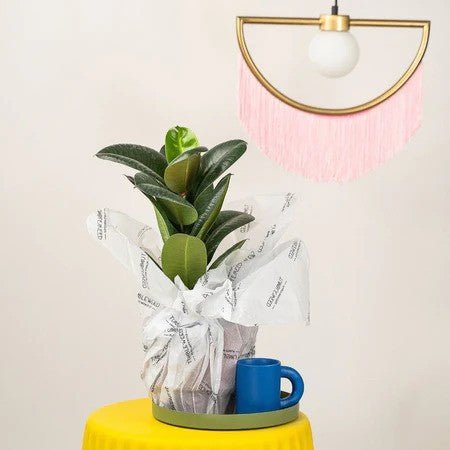
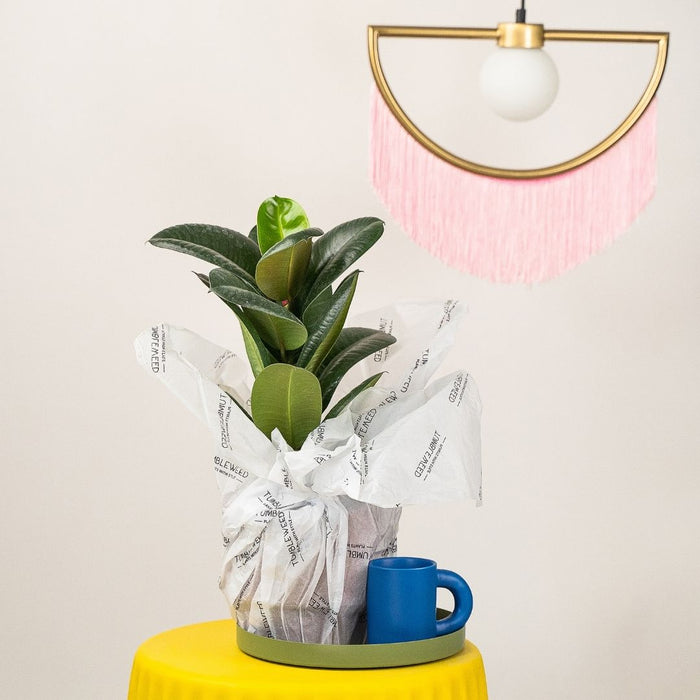
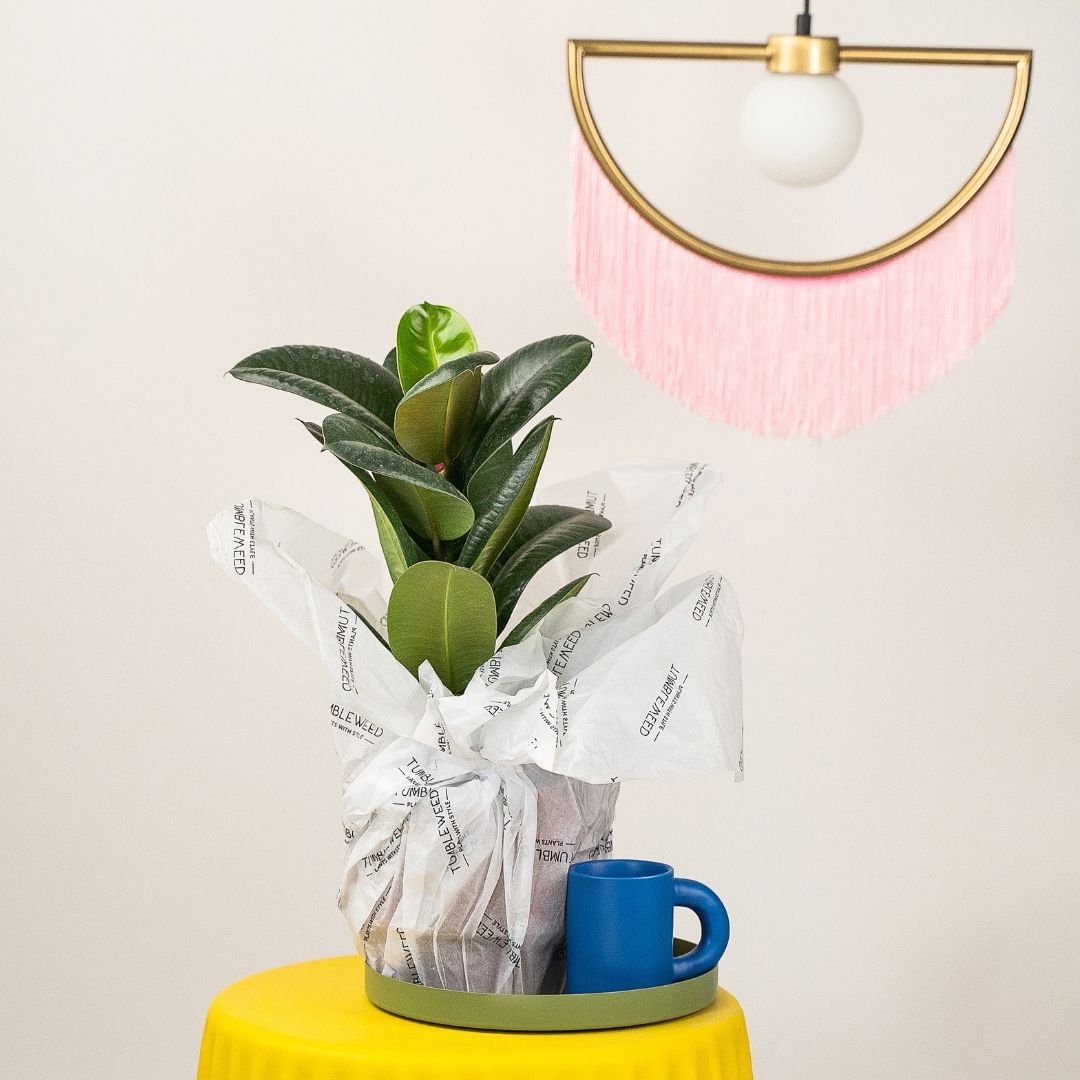
The Rubber Plant — Ficus elastica — is one of the most iconic houseplants of the last century. With its thick, glossy leaves and upright, tree-like form, it brings a sense of stature and presence to any room. In Singapore, where conditions closely match its native Southeast Asian habitat, the Rubber Plant is one of the easiest statement plants you can grow indoors.

Once used commercially for latex production (before the rubber tree Hevea brasiliensis took over), Ficus elastica is now purely ornamental — and it excels at it. Mature specimens can reach ceiling height indoors, their dark, leathery leaves creating a bold silhouette against any wall.
Popular Varieties
The classic Rubber Plant has dark green, almost black leaves — but modern cultivars offer much more variety:
Ficus elastica 'Robusta' — The standard. Deep green, heavily glossy leaves on a strong, upright stem. The most tolerant of lower light conditions.
Ficus elastica 'Burgundy' — Leaves emerge deep red-purple and darken to nearly black as they mature. New growth sheaths are vivid red. Stunning in bright light where the colours really pop.
Ficus elastica 'Tineke' — Variegated with cream, green, and pink tones. Each leaf is unique. Needs brighter light than solid-green varieties to maintain variegation.
Ficus elastica 'Ruby' — Similar pattern to Tineke but with more pronounced pink and red hues. A collector favourite that commands attention in any room.
Ficus elastica 'Shivereana' — Speckled variegation in sage green and cream, creating a mottled, almost camouflage-like pattern. Relatively rare and highly sought after.
Light Requirements

Rubber Plants are surprisingly flexible with light, which is one reason they became popular office and hotel lobby plants worldwide.
Optimal: Bright indirect light, four to six hours daily. Near an east-facing or filtered south-facing window in a Singapore HDB.
Acceptable: Medium indirect light. The plant will grow more slowly and produce smaller leaves, but it will survive and look healthy.
Variegated varieties (Tineke, Ruby, Shivereana) need brighter conditions than solid-green types. In low light, they revert to solid green to maximise photosynthesis — losing the variegation that makes them special.
Avoid: Prolonged direct afternoon sun, which can scorch the leaves, leaving brown patches. Brief morning sun is fine and even beneficial.
Signs of insufficient light:
- Leggy growth with long gaps between leaves
- Leaves smaller than usual
- Leaning aggressively toward the light source
- Loss of variegation in coloured varieties
Watering
Rubber Plants prefer a consistent watering routine but are more tolerant of underwatering than overwatering.
The rule: Water when the top three to five centimetres of soil feel dry. In Singapore's climate, this typically means every seven to ten days in a standard potting mix, though air-conditioned rooms may dry out faster.
Watering technique:
- Water slowly around the base until liquid flows from the drainage holes
- Allow all excess water to drain — never let the pot sit in standing water
- In between waterings, let the soil dry out partially
Seasonal adjustment: During the wetter monsoon months (November through January), extend the interval between waterings. The higher ambient humidity slows soil drying.
Signs of overwatering:
- Yellow, drooping lower leaves
- Soft, mushy stem base
- Soil that stays wet for more than a week
- A sour or musty smell from the soil
Signs of underwatering:
- Leaves curling inward
- Dry, crispy leaf edges
- Soil pulling away from the pot edges
- Drooping leaves that perk up quickly after watering
Soil and Potting
Rubber Plants need well-draining soil that does not stay waterlogged. The standard tropical mix works well:
- 50% quality potting soil
- 25% perlite
- 15% orchid bark
- 10% charcoal
Pot selection: Choose a pot with drainage holes, one to two sizes larger than the root ball. Rubber Plants have a moderate root system relative to their canopy size. A slightly snug pot encourages upward growth rather than root expansion.
Repotting: Every one to two years for young, actively growing plants. Mature specimens that have reached your desired height can go two to three years between repotting. The best indicator is roots emerging from drainage holes or the plant drying out unusually fast.
Humidity and Temperature
Humidity: Singapore's baseline humidity of 70-90% outdoors is perfect. Indoors with air conditioning, humidity drops to 50-60%, which is still acceptable for Rubber Plants. They are less humidity-sensitive than Calatheas or ferns. No special humidification needed in most Singapore homes.
Temperature: Rubber Plants prefer 18-30°C, which covers the entire range of Singapore indoor temperatures. They dislike cold drafts — avoid placing them directly in the path of AC vents.
Fertilising

Feed during the growing season with a balanced liquid fertiliser (NPK 10-10-10 or 20-20-20) diluted to half strength.
Schedule:
- Every two to three weeks during active growth (for most of the year in Singapore)
- Once a month during slower growth periods
- Skip fertilising for two to three weeks after repotting
Tip: Yellowing lower leaves that are not caused by overwatering may indicate nitrogen deficiency. A single application of diluted fertiliser often resolves this within a few weeks.
Pruning and Shaping
Rubber Plants grow with a single central leader unless you intervene. Without pruning, they become tall, narrow columns — which may or may not be what you want.
To encourage branching:
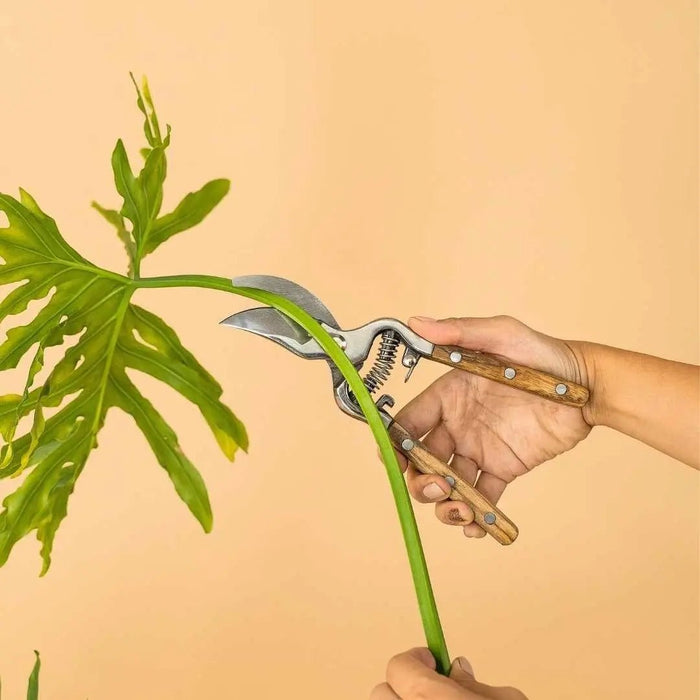
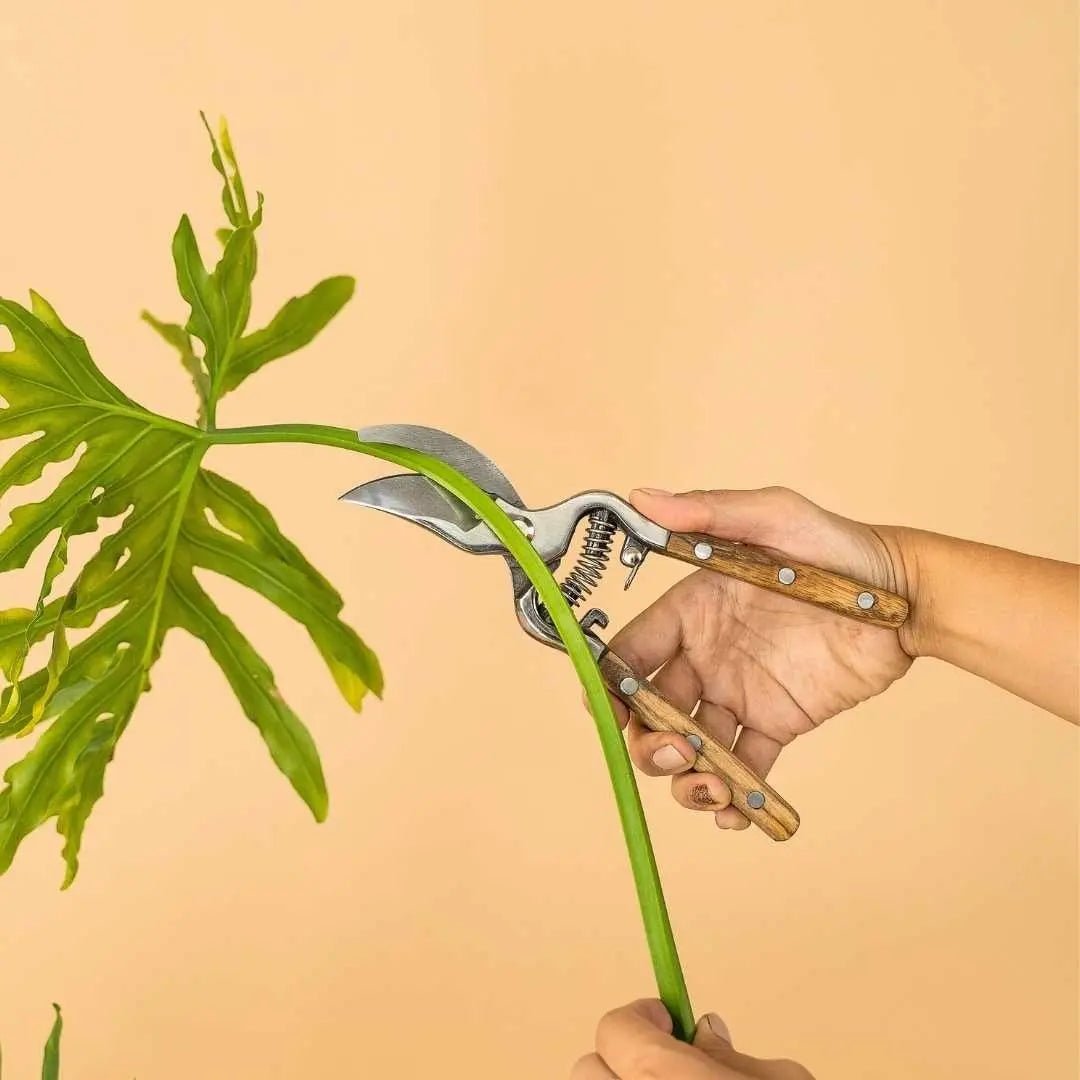
- Cut the main stem at the desired height using clean, sharp pruning shears
- Make the cut just above a node (the point where a leaf meets the stem)
- The plant will produce two or more new branches from nodes below the cut
- The milky white sap (latex) that seeps from the cut is normal — it stops within minutes. Wear gloves if you have sensitive skin, and protect your floor or table from drips
To maintain shape:
- Remove any dead or damaged leaves by cutting the petiole (leaf stem) close to the main stem
- If the plant becomes lopsided, prune the longer side to encourage growth on the shorter side
- Rotate the plant weekly so growth stays even
Tip: Pruned sections can be propagated — so every trim gives you a potential new plant.
Propagation

Rubber Plants propagate well through stem cuttings and air layering.
Stem Cutting
- Cut a stem section with two to three leaves and at least one node
- Remove the lowest leaf
- Allow the cut end to dry for an hour (the sap needs to stop flowing)
- Place in water or moist perlite, ensuring the node is submerged or buried
- Keep in bright indirect light and change water every three to four days
- Roots typically develop in three to six weeks
- Transfer to soil once roots reach five to eight centimetres
Air Layering (For Larger Plants)
Air layering produces a larger, more established new plant:
- Choose a spot on the stem where you want roots to form
- Make an upward cut about one-third through the stem
- Wedge the cut open with a small piece of toothpick
- Wrap the area with damp sphagnum moss, then cover with cling wrap
- Secure the wrap with string or tape at both ends
- Check the moss every week and keep it moist
- Roots will grow into the moss over four to eight weeks
- Once a healthy root system is visible, cut the stem below the new roots and pot up
Common Problems
Leaf Drop
The most common complaint about Rubber Plants. Causes include:
- Overwatering — the most frequent culprit. Check soil moisture and adjust
- Cold drafts — move away from AC vents
- Sudden environmental change — newly purchased plants often drop a few leaves while acclimatising. This is temporary
- Low light — especially in the lower canopy where leaves receive the least light
Brown Leaf Tips and Edges
Usually caused by low humidity (in heavily air-conditioned spaces), inconsistent watering, or salt buildup from fertiliser. Flush the soil with plain water monthly and maintain a regular watering schedule.
Pests
Mealybugs and scale insects are the most common pests on Rubber Plants in Singapore. They hide in leaf axils and along the underside of leaves.
- For mealybugs: dab with isopropyl alcohol on a cotton bud
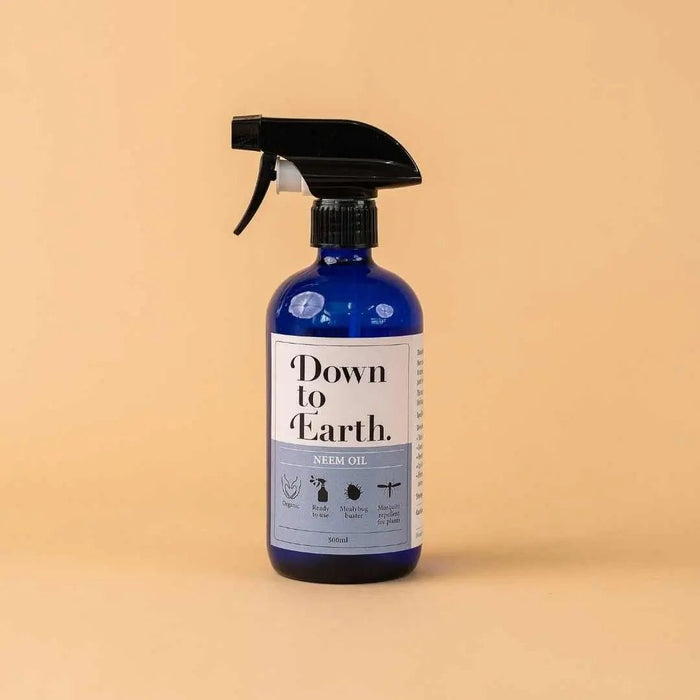
- For scale: scrape off manually, then treat with neem oil
- For spider mites: increase humidity and spray with insecticidal soap
Drooping Leaves
If the leaves droop but feel firm, the plant is likely underwatered. Water thoroughly and the leaves should recover within 24 hours. If leaves are droopy and soft/yellow, overwatering and potential root rot is the more likely cause.
Milky Sap
The white latex sap is normal and harmless to the plant. It flows from any wound — pruning cuts, broken leaves, even insect damage. It stops on its own within minutes. The sap can irritate skin and is mildly toxic if ingested, so keep cuttings away from children and pets.
Styling Your Rubber Plant
Rubber Plants work in several design contexts:
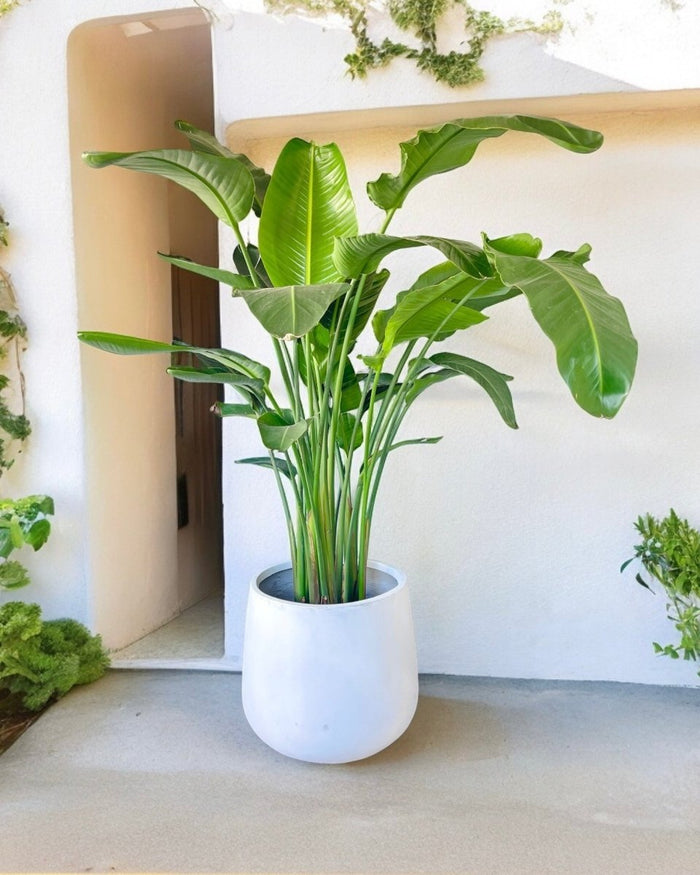
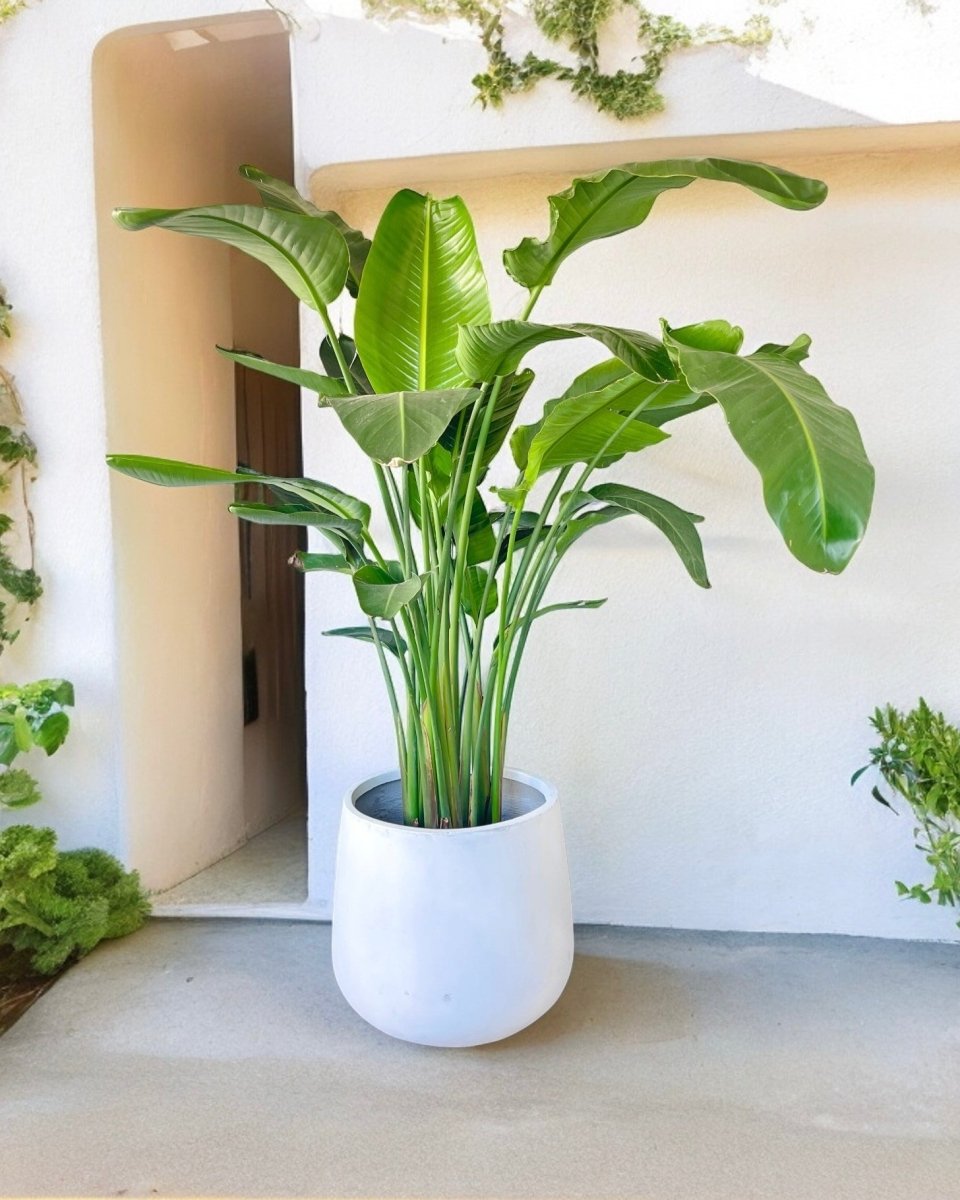
- Floor plant: A 1.2 to 1.5 metre specimen in a simple ceramic or concrete pot makes a striking floor plant beside a sofa or entryway
- Desk plant: Young Rubber Plants in small pots add polish to desks and shelving units
- Corner anchor: The vertical growth habit makes Rubber Plants excellent for filling tall, narrow corners
- Paired symmetry: Two matching Rubber Plants flanking a doorway or window create a formal, balanced look
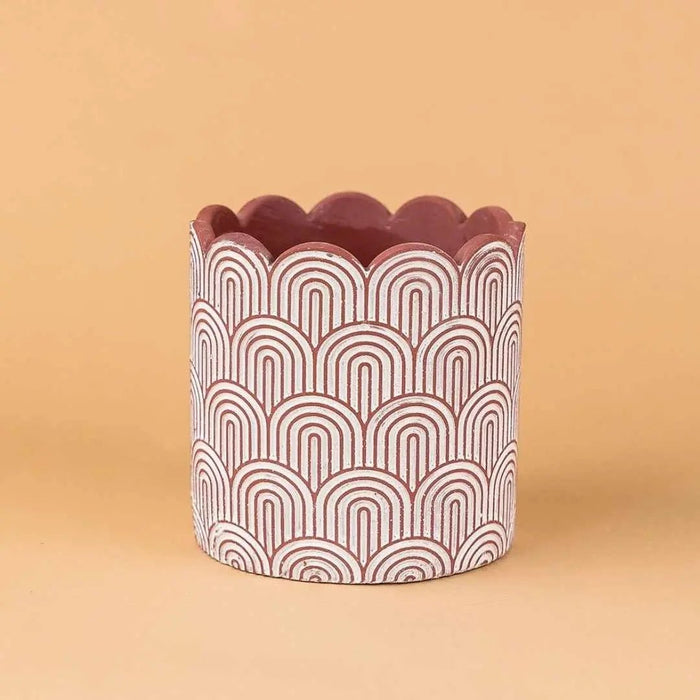
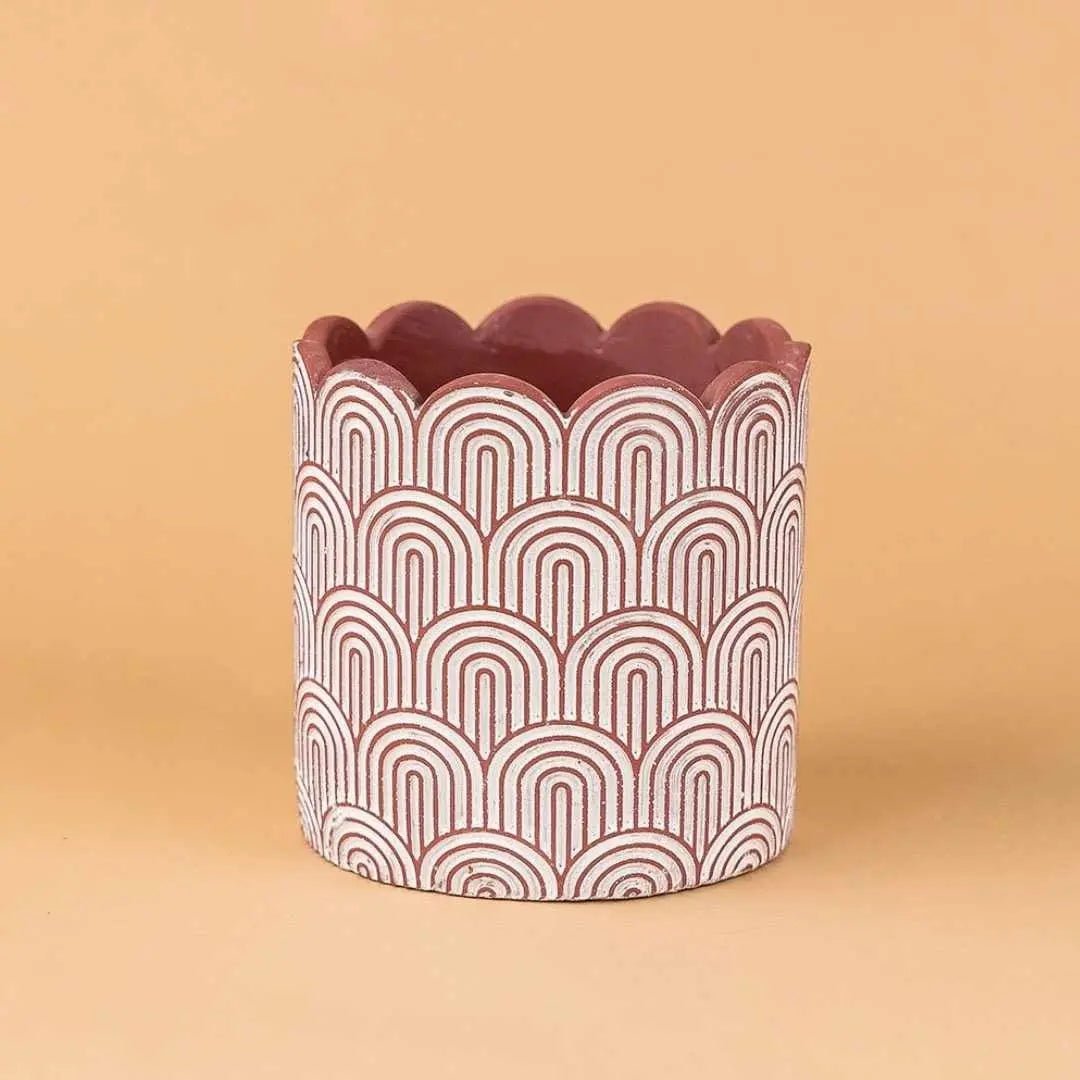
The dark, glossy leaves of the standard variety pair beautifully with white or light-coloured pots. Variegated types like Tineke and Ruby look best in neutral containers that let the foliage colours take centre stage.
Shop Rubber Plants
Ready to add this classic to your collection? Browse our selection of Ficus varieties — from compact tabletop sizes to statement floor plants. We deliver healthy, well-rooted Rubber Plants to your door across Singapore.
The Rubber Plant earned its place as a houseplant icon for good reason. It asks for very little — some light, some water, occasional food — and gives back a bold, architectural presence that grows more impressive with every year.
Quick summary
Key Takeaways
- Popular Varieties
- Light Requirements
- Watering
- Soil and Potting
- Humidity and Temperature
- Fertilising
Ready to bring some green into your home?
Browse 250+ hand-picked plants, curated for Singapore homes — delivered to your door.
Browse All Plants →