

















Scale Control for Indoor Plants in Singapore: What to Do When Leaves Feel Sticky
Posted on August 28 2026
Sticky leaves, tiny brown bumps and shiny residue are easy to miss until an indoor plant starts looking tired. In Singapore’s warm, humid homes, scale insects and similar sap-sucking pests can appear quickly, especially on sheltered foliage, crowded shelves and plants that have been under stress.
This guide explains how to spot early scale signs, what to do first, and how to use a targeted plant-care product gently as part of a calmer indoor plant routine.

How to spot scale on indoor plants
Scale can look like small brown, tan or pale bumps attached to stems, leaf veins or undersides. Affected plants may also show sticky residue, dull leaves, weak new growth, or ants being attracted to the plant area. Check slowly: scale often hides along stems and under leaves rather than sitting openly on top.
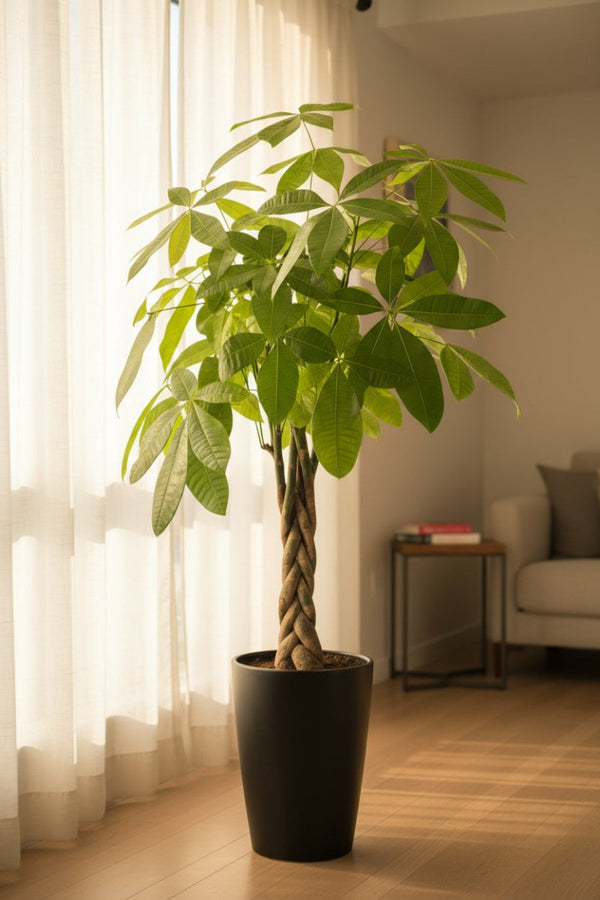
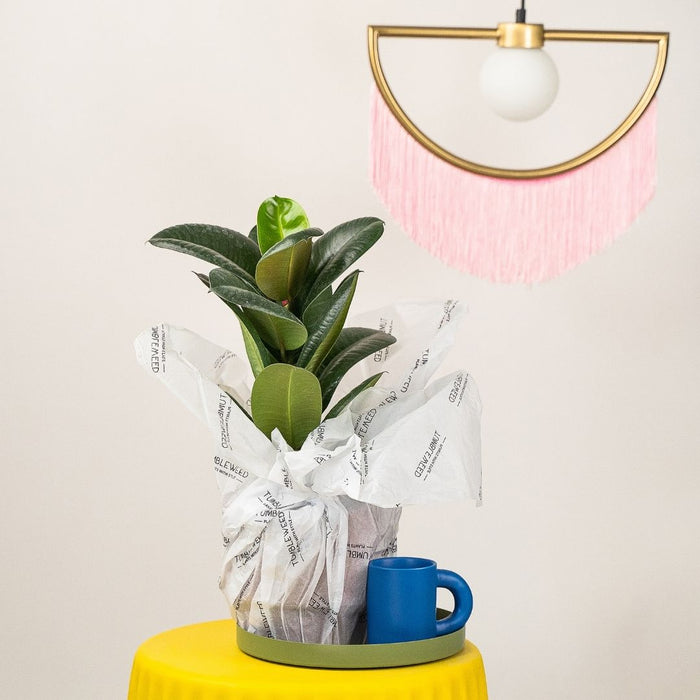
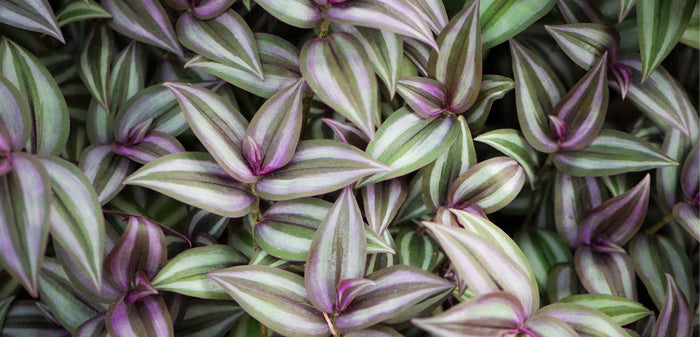
Broad-leaf plants such as Ficus, Monstera, Philodendron, Peace Lily and Money Tree are easier to inspect, but smaller-leaf plants can hide early issues in dense growth. If one plant has suspicious marks, check neighbouring pots too.
What to do before treating sticky leaves
- Isolate the plant. Move it away from the main shelf while you inspect and treat it.
- Wipe visible residue. Use a soft damp cloth to remove dust, sticky patches and loose pests where possible.
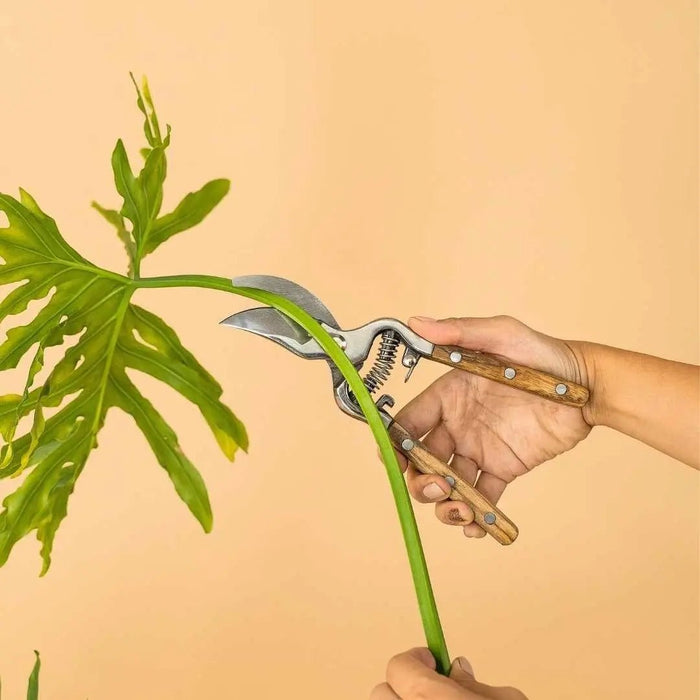
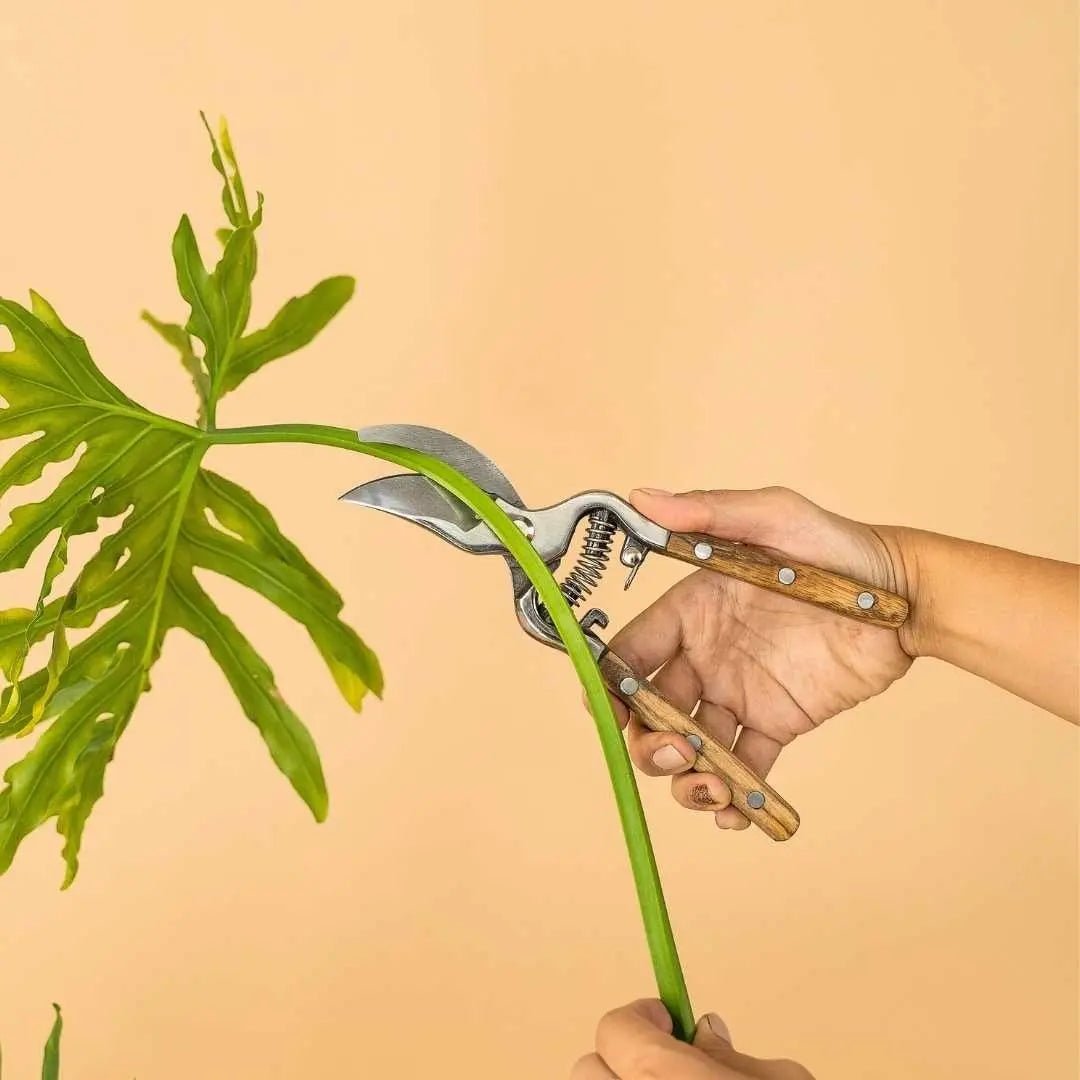
- Prune badly affected leaves only when needed. Do not strip the plant unless the damage is severe.
- Check the growing conditions. Weak light, poor airflow and soggy potting mix can make recovery slower.
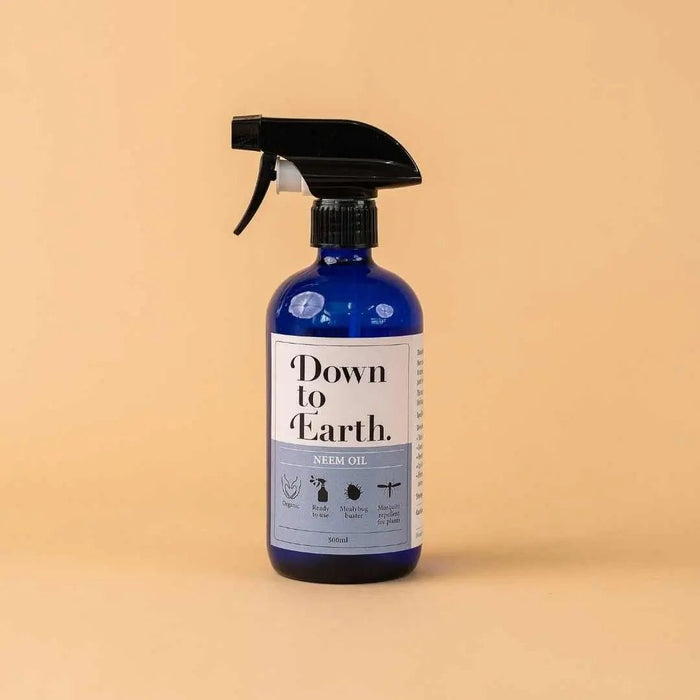
Down To Earth. Scale Control
A targeted care product for plant owners who want a practical response when leaf checks reveal scale-like pests or sticky residue.
Shop Scale ControlHow to use scale control safely
Follow the product label first. As a general indoor routine, apply in bright shade or evening light, avoid harsh direct sun immediately after treatment, and focus on the areas where pests hide: leaf undersides, stems, joints and tight growth points.
Do not over-apply just because the plant looks stressed. A light, even application followed by monitoring is usually more useful than soaking the plant. For sensitive foliage, test a small area first and wait before treating the whole plant.
A weekly Singapore plant-care routine
- Rotate each pot so all sides get a quick visual check.
- Look under three to five leaves instead of only checking the top surface.
- Wipe large leaves so dust does not hide early pest signs.
- Keep new plants slightly separate for the first week before placing them beside your main collection.
- Review watering habits because stressed plants recover more slowly.
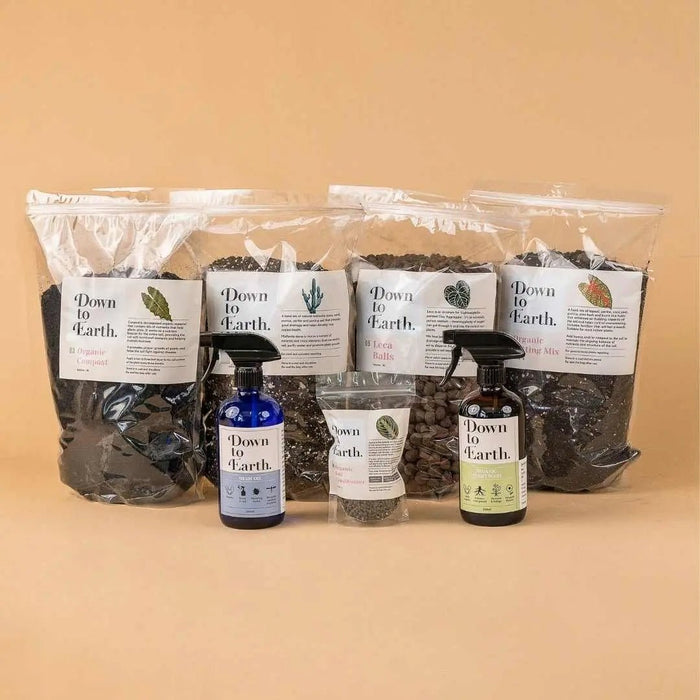
For a simple care shelf, browse Tumbleweed’s plant-care essentials. If you are building a lower-stress indoor plant corner, start with plants matched to your light from the indoor plants collection, then add treatment products only when you need them.
Quick summary
- Sticky leaves and small attached bumps can be early scale warning signs.
- Isolate and wipe the plant before applying any treatment.
- Use scale control lightly, following label directions and avoiding harsh sun after application.
- Weekly leaf checks help prevent small pest issues from spreading across a plant shelf.
FAQ
Are sticky leaves always caused by scale?
No. Sticky residue can have several causes, but it is a strong reason to inspect stems and leaf undersides carefully. If you see attached bumps or repeated residue, isolate the plant and begin a gentle care routine.
Can I treat the plant and return it to the shelf immediately?
It is better to keep the plant separate while you monitor it. This lowers the chance of pests spreading and makes follow-up checks easier.
Should I apply treatment in direct sun?
No. Apply in bright shade or evening conditions, then allow leaves to dry with gentle airflow before returning the plant to its normal spot.
What if the infestation keeps coming back?
Check nearby plants, wipe shelves and pots, improve airflow, and reassess plant stress factors such as watering and light. Persistent issues may need repeated treatment according to the product directions.
Keep pest care simple
Routine inspection, clean leaves and the right care product can keep indoor plant problems manageable before they spread.
Browse Plant Care Essentials