


















Swiss Cheese Plant Care in Singapore: How to Grow Monstera Adansonii Indoors
Posted on September 24 2026
Swiss Cheese Plant Care in Singapore: How to Grow Monstera Adansonii Indoors
The Swiss Cheese Plant, commonly sold as Monstera adansonii, is loved for its trailing vines and naturally holey leaves. In Singapore homes, it can grow quickly when it gets bright filtered light, an airy potting mix and a little support to climb.
This guide is written for local indoor conditions: humid weather outside, air-conditioned rooms at night, bright windows that can turn hot in the afternoon, and compact apartments where plants often sit on shelves, desks or balcony corners.
Best light for Swiss Cheese Plant indoors
Place your Swiss Cheese Plant in bright, indirect light. An east-facing window, a bright living room set back from harsh sun, or a balcony corner with filtered light works well. Direct afternoon sun can scorch the thin leaves, while a very dim corner usually leads to smaller leaves, longer gaps between nodes and slower growth.
If your home is naturally darker, rotate the plant closer to the brightest window for a few days each week, or consider pairing it with a gentle grow-light routine. Avoid sudden moves from low light into direct sun; the leaves need time to adjust.
How often to water in Singapore
Water when the top 2–3 cm of potting mix feels dry. In a warm, bright spot this may be around once a week; in an air-conditioned bedroom or darker corner, it may take longer. Always check the mix rather than watering by calendar.
- Too wet: yellowing leaves, limp vines, dark patches on stems, or a sour smell from the mix.
- Too dry: curling leaves, crispy edges, and a pot that feels very light.
Use a pot with drainage holes and empty the saucer after watering. Swiss Cheese Plants like steady moisture, but they do not enjoy sitting in water.
Potting mix and support
A chunky, well-draining mix is ideal. Think indoor potting mix loosened with orchid bark, perlite, coco chips or other airy materials. The roots need oxygen, especially in humid Singapore flats where dense soil can stay damp for too long.
Swiss Cheese Plant can trail beautifully from a shelf, but it often grows larger, neater leaves when given a moss pole, coir pole or trellis. Tie the vines loosely with soft plant ties and guide new growth upward as it appears.
Pruning, propagation and shaping
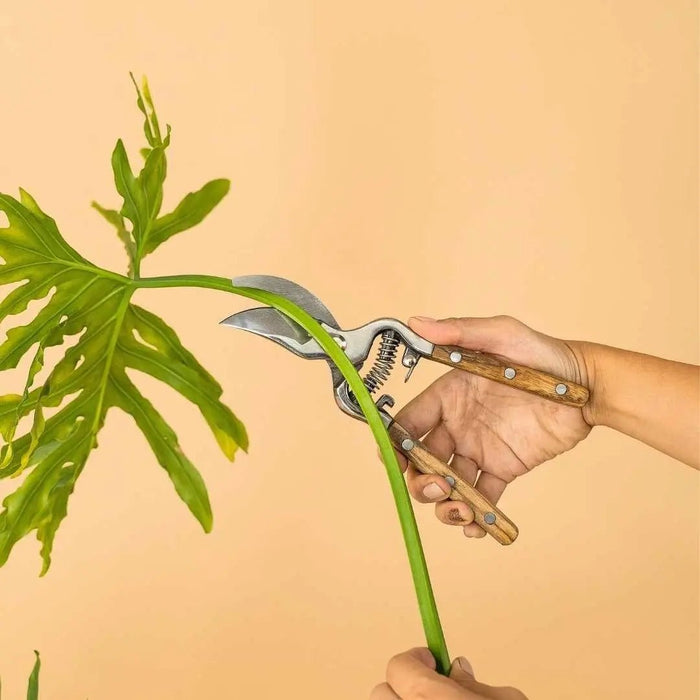
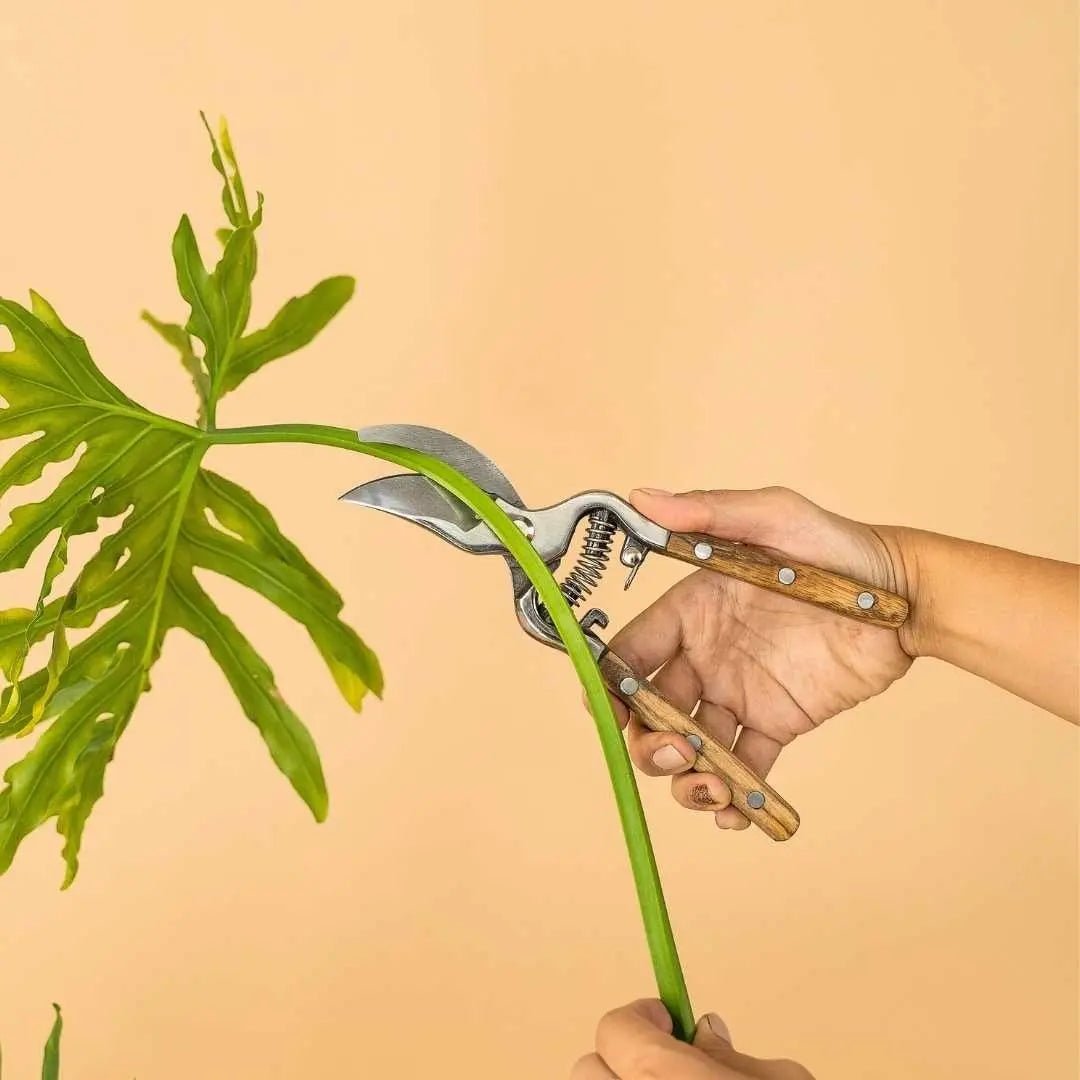
Trim long vines just above a node to encourage bushier growth. You can propagate healthy cuttings in water or a light propagation mix as long as each cutting has a node. Once roots are established, pot the cutting into a small container and keep it in bright filtered light while it settles.
If the plant looks sparse, combine pruning with better light. Pruning alone will not fix leggy growth if the plant is still sitting in a dim corner.
Common Swiss Cheese Plant problems
- Yellow leaves: often from overwatering, poor drainage or a potting mix that stays wet too long.
- Crispy brown edges: usually from underwatering, hot direct sun, or dry air from air-conditioning.
- Small leaves with fewer holes: usually a light issue, especially if new vines are stretching.
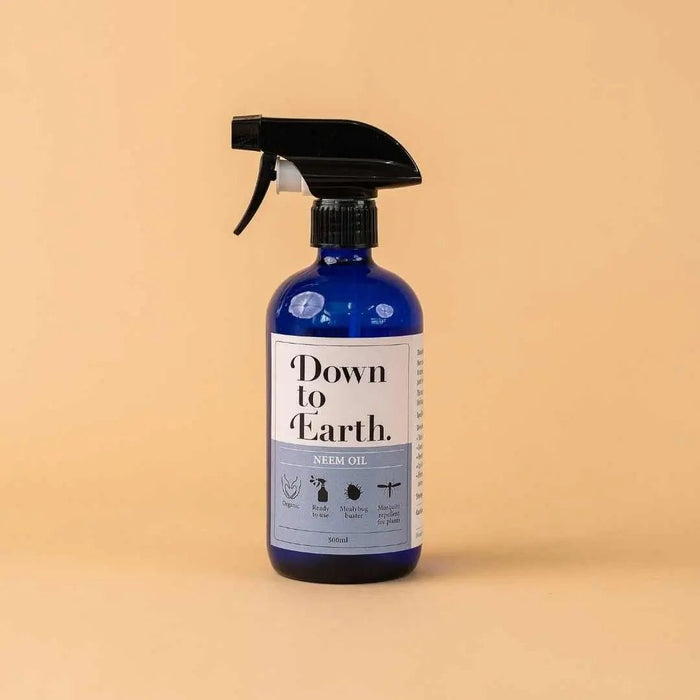
- Sticky residue or speckled leaves: check under leaves and along stems for pests, then isolate and treat early.
Where it fits in a Singapore home
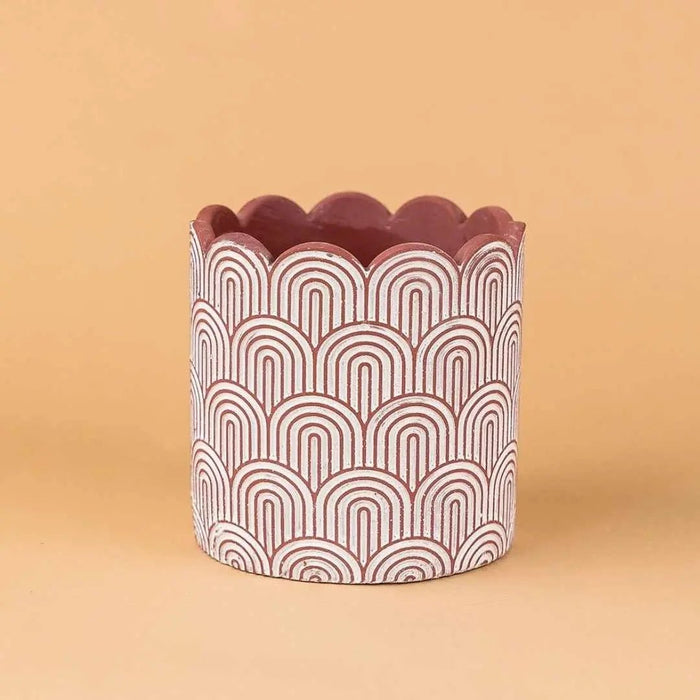
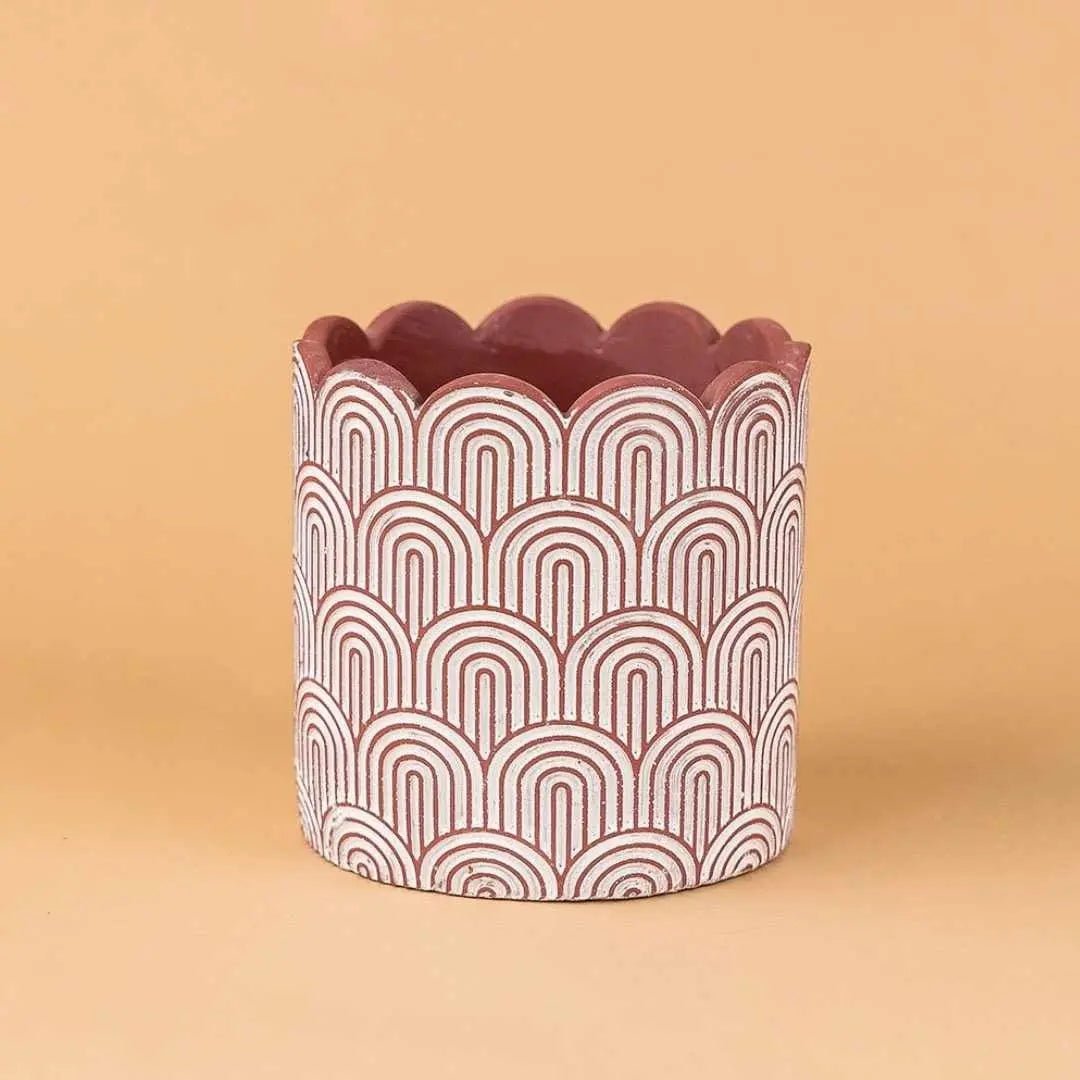
Swiss Cheese Plant suits shelves, study corners, plant stands and bright balcony-adjacent rooms. Let it trail for a relaxed look, or train it up a support for a cleaner vertical shape. Pair it with a simple planter that has enough room for the root ball and good drainage.
You can browse more indoor plants and plant care essentials to build a setup that matches your home’s light and watering habits.
FAQ
Is Swiss Cheese Plant the same as Monstera?
Swiss Cheese Plant is commonly used for Monstera adansonii, a vining Monstera with smaller, holey leaves. It is different from the larger split-leaf Monstera deliciosa.
Can it grow in low light?
It can tolerate moderate indoor light, but growth will be slower and leggier in low light. For fuller vines and better leaf shape, give it bright indirect light.
Is it beginner-friendly?
Yes, if you avoid overwatering and give it enough light. The main care habit is checking the soil before watering instead of watering on autopilot.